Sorting skills Easy Numbers Worksheets
3 filtered results
-
From - To
Welcome to our "Sorting Skills Easy Numbers Worksheets" page! Designed for young learners, these worksheets help children develop essential sorting skills through engaging activities like number sorting, categorization, and matching. With colorful illustrations and interactive tasks, kids will enjoy enhancing their understanding of numbers while improving their cognitive abilities. Each worksheet is thoughtfully created to cater to various learning styles, making math fun and approachable. Whether used in the classroom or at home, these easy-to-use worksheets promote critical thinking and foundational math skills. Start sorting and watching your child's learning flourish today with our comprehensive collection!
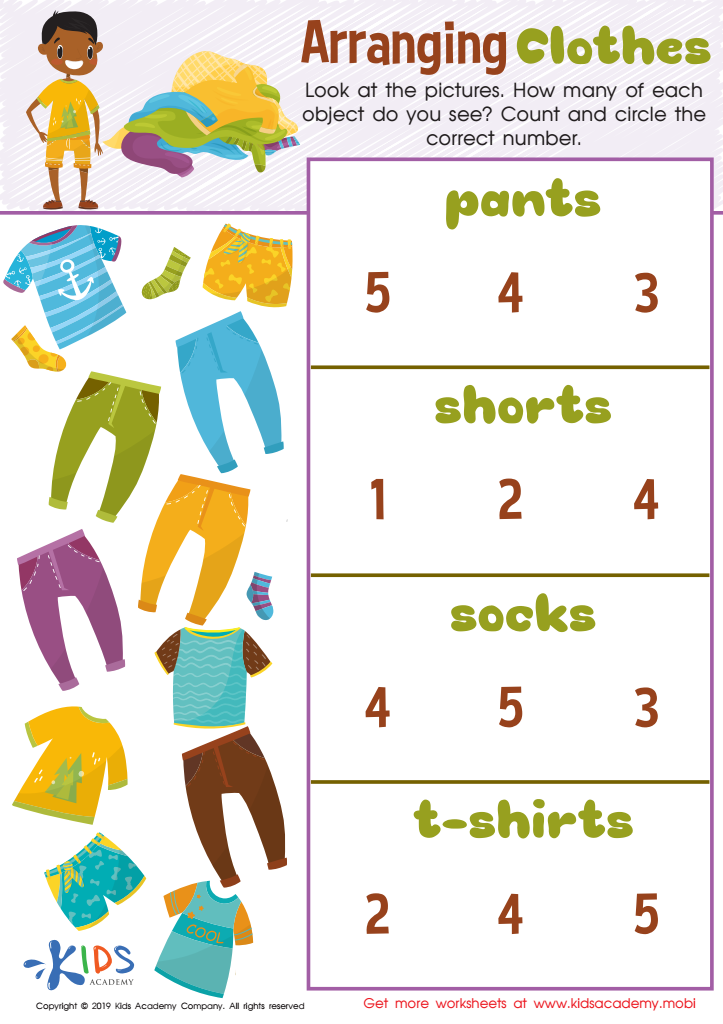
Arranging Clothes Worksheet
 Assign to My Students
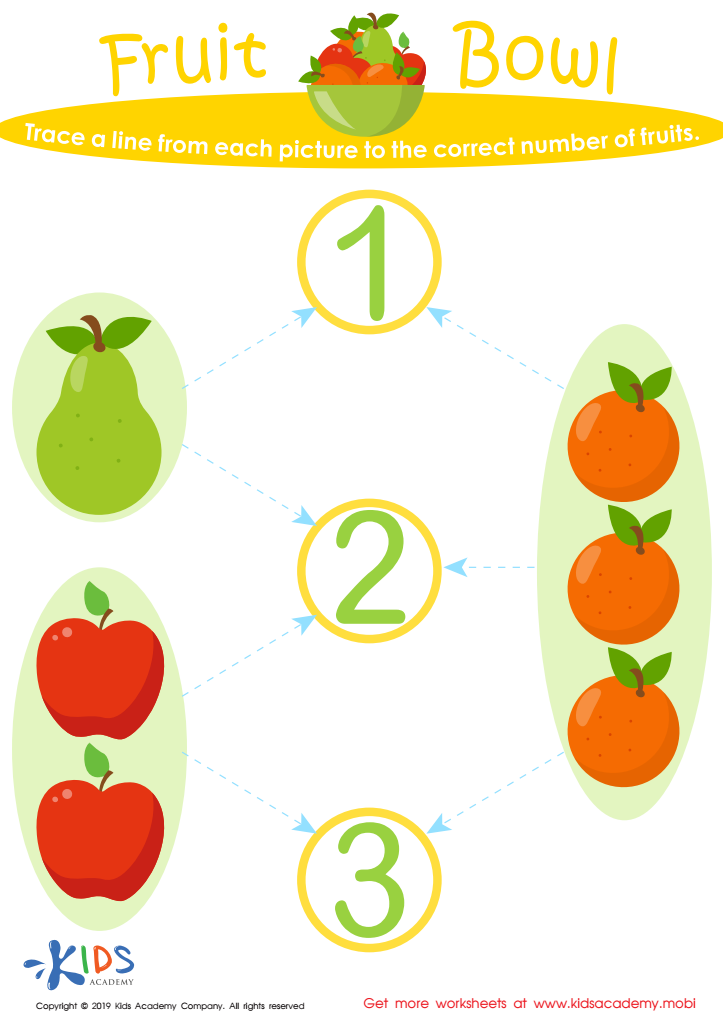
Fruit Bowl Worksheet
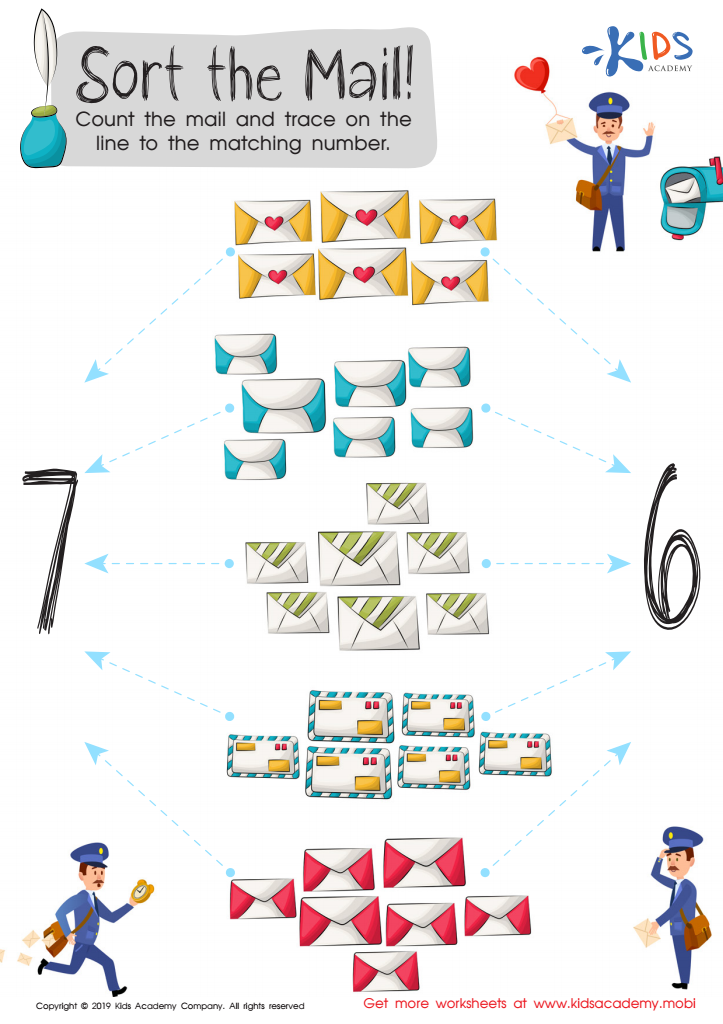
Sort the Mail Worksheet


.jpg)





Sorting skills, especially with easy numbers, play a vital role in a child’s development and learning. These foundational skills help young learners categorize and organize information, fostering critical thinking and problem-solving abilities. When children engage in activities that involve sorting numbers, they enhance their mathematical understanding by grasping concepts such as greater than, less than, and equal to.
Sorting also builds their cognitive skills, promoting the ability to classify objects based on specific attributes like size, shape, or quantity, which is crucial for more advanced math concepts later on. Additionally, these skills contribute to language development as children learn to describe and articulate their sorting process.
For parents and teachers, fostering sorting skills in young children nurtures independence and confidence in tackling tasks that require organization. In a world where data assessing and the ability to draw meaningful conclusions from information are increasingly important, teaching these skills early lays a strong foundation for future academic achievements.
Moreover, interactive sorting games can promote social interactions, encouraging teamwork and communication among peers. This holistic approach to learning not only sharpens arithmetic skills but also prepares children for the collaborative nature of modern education and life. Thus, investing time in developing sorting skills is an invaluable contribution to a child’s growth.








