Problem-solving practice Easy Math Worksheets
3 filtered results
-
From - To
Welcome to our Problem-Solving Practice Easy Math Worksheets! Designed for early learners, these worksheets help children develop critical thinking and problem-solving skills through fun and engaging math exercises. Each worksheet features age-appropriate scenarios that encourage students to apply their math knowledge in real-life contexts. From simple addition and subtraction to basic word problems, our resources are perfect for reinforcing classroom learning at home. With clear instructions and vibrant illustrations, children will boost their confidence and proficiency in math. Explore our diverse collection and make learning a delightful experience for your child today!
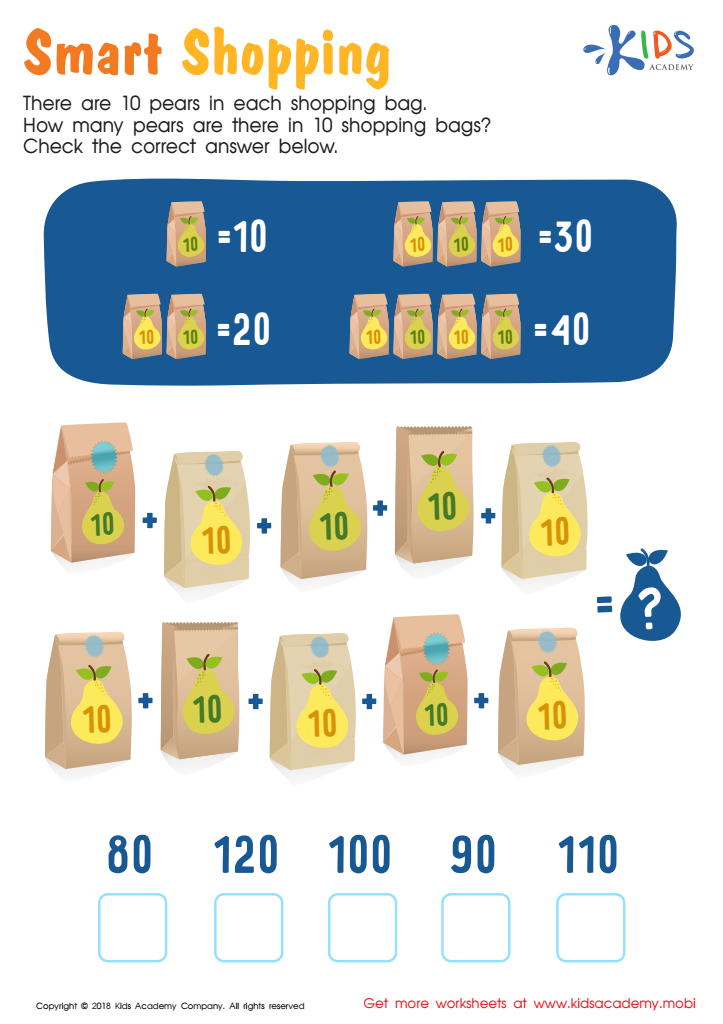
Smart Shopping: Trade Tens for a Hundred Worksheet
 Assign to My Students
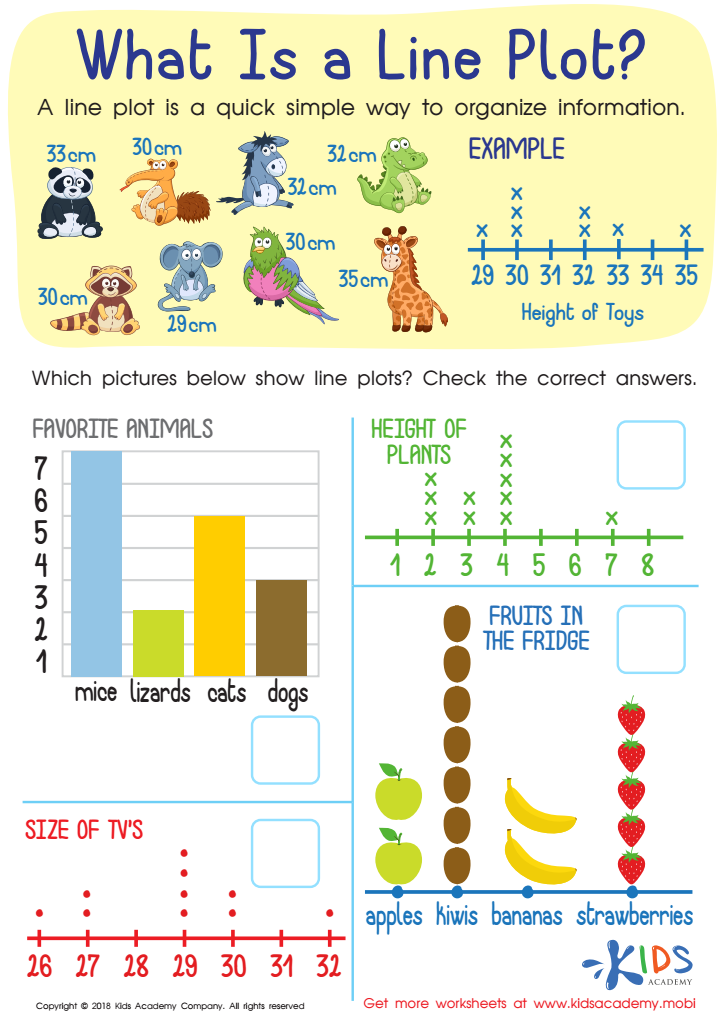
What Is a Line Plot? Worksheet
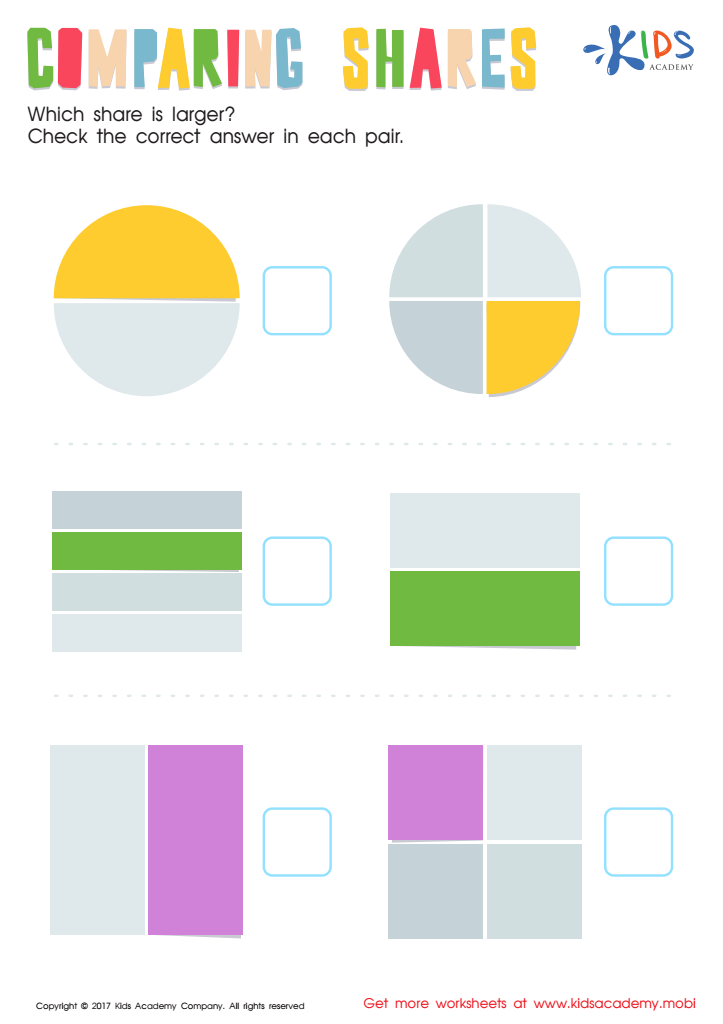
Comparing Shares Worksheet






.jpg)

Parents and teachers should prioritize Problem-solving practice in Easy Math because it lays a critical foundation for students' mathematical understanding and cognitive development. Engaging in problem-solving activities encourages children to think critically, as they learn to analyze situations, identify patterns, and devise strategies to find solutions. This process fosters creativity and resilience, teaching them to approach challenges with a problem-solving mindset.
Moreover, the skills acquired from solving math problems translate beyond the classroom. They enhance logical reasoning and decision-making abilities applicable in daily life, from budgeting to planning projects. Additionally, reinforcing easy math concepts through problem-solving can build a child's confidence in their mathematical abilities, leading to a more positive attitude towards learning.
When parents and teachers engage in these practices, they reinforce the importance of math literacy, helping students develop perseverance and understanding that making mistakes is part of the learning journey. In a technology-driven world, strong problem-solving skills are essential not just for academic success but also for future career opportunities. By investing time in easy problem-solving practices, parents and teachers are equipping children with valuable skills that will serve them throughout their lives.








