Writing practice Easy Preschool Letter Recognition Worksheets
3 filtered results
-
From - To
Discover our "Easy Preschool Letter Recognition Worksheets," designed to make learning fun and engaging for young learners! These handy worksheets help preschoolers develop essential letter recognition and writing skills through playful activities. Children will practice tracing letters and identifying upper and lower case while honing their fine motor skills. Our colorful and interactive designs captivate children's attention and make learning enjoyable. Easy to print and tailored to meet early educational needs, these worksheets are perfect for parents and teachers looking to enhance foundational literacy skills. Get started on your child's writing journey today with these effective and fun resources!
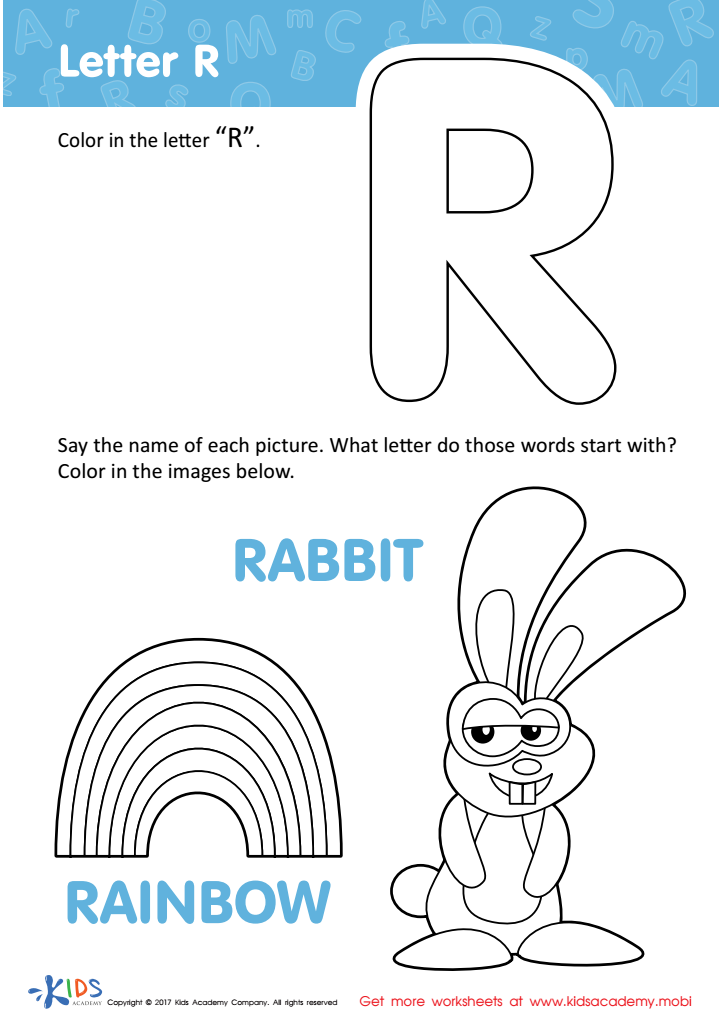
Letter R Coloring Sheet
 Assign to My Students
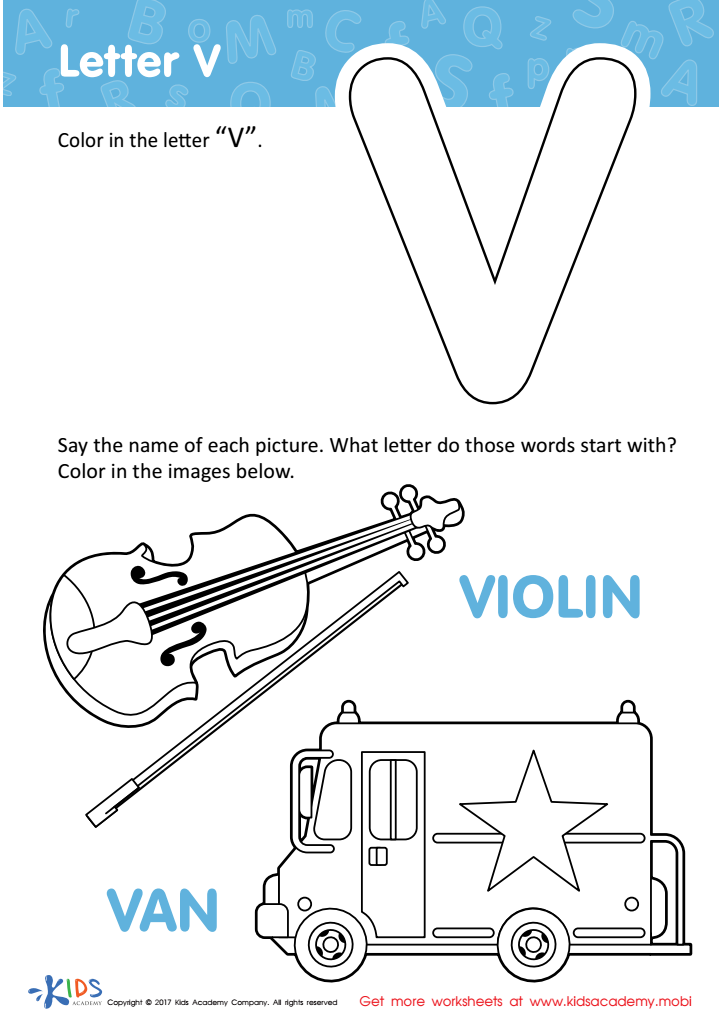
Letter V Coloring Sheet
Assign to My Students
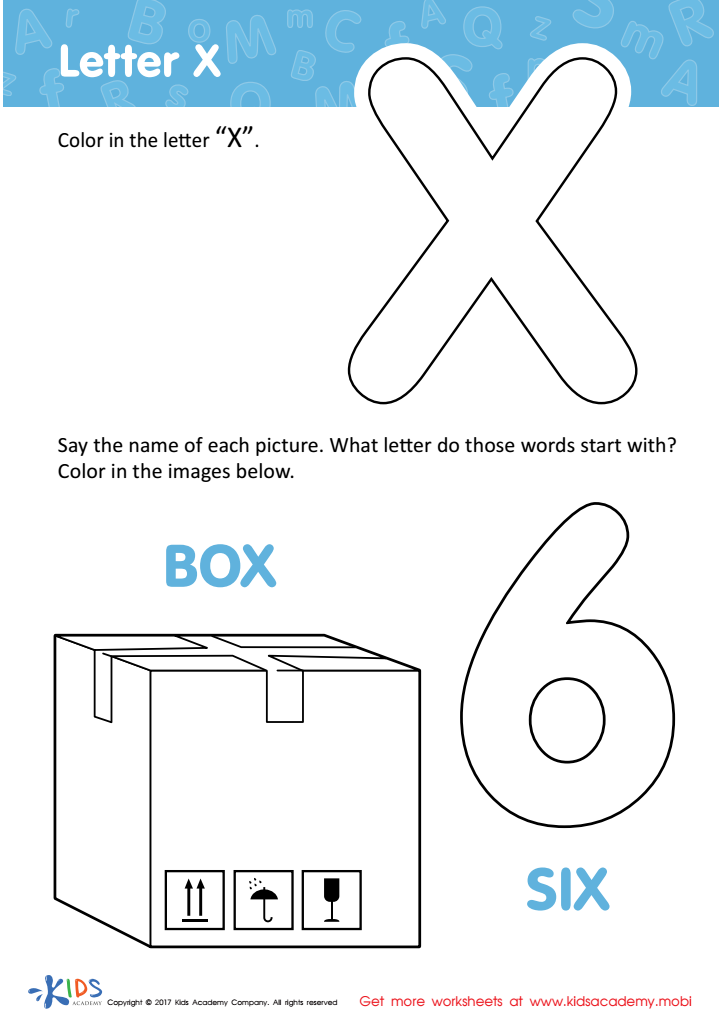
Letter X Coloring Sheet
Assign to My Students





Writing practice and preschool letter recognition are vital components of early childhood education that significantly impact a child's development. First, letter recognition lays the foundation for reading and writing skills. Understanding letters helps children connect sounds to symbols, which is essential for literacy. When children can identify letters, they are more equipped to decode words, enhancing their reading fluency and comprehension.
Moreover, writing practice encourages fine motor skills, crucial for overall physical development. Through activities such as tracing, coloring, and forming letters, young learners improve their hand-eye coordination and dexterity. These skills not only help with writing but also with daily tasks, setting a strong foundation for future academic success.
Additionally, engaging in these practices creates opportunities for social interaction and support for emotional development. Sharing learning experiences fosters confidence and promotes a positive attitude towards education.
By emphasizing writing practice and letter recognition, parents and teachers can play an essential role in nurturing a child's love for learning. This engagement can inspire curiosity, creativity, and a sense of accomplishment, all vital attributes that contribute to a child's lifelong educational journey. Ultimately, these early skills set the stage for a brighter academic future.