Letter recognition Easy Preschool Worksheets
10 filtered results
Difficulty Level
Grade
Age
-
From - To
Subject
Activity
Standards
Welcome to our "Letter Recognition Easy Preschool Worksheets" page! Here, you'll find a collection of engaging, child-friendly worksheets designed to help young learners identify and differentiate letters of the alphabet. Ideal for preschoolers, these worksheets feature colorful illustrations and interactive activities that make learning fun. Each worksheet focuses on various skills like letter matching, tracing, and visual recognition, promoting early literacy development. Our printable resources are perfect for parents and educators wanting to enhance their child's reading readiness. Download, print, and watch your little ones embark on an exciting journey to letter mastery today! Perfect for at-home or classroom use!
Favorites
With answer key
Interactive
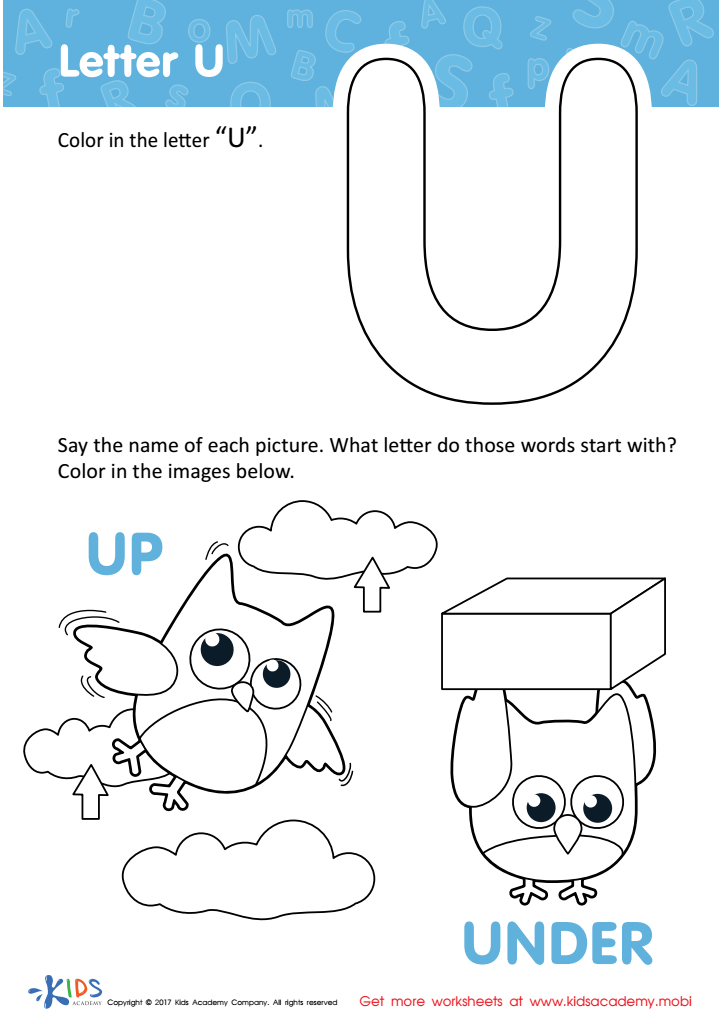
Letter U Coloring Sheet
This letter "U" coloring page helps your child learn two things at once - the letter "U" and positional words! An adorable owl character aids in understanding up and under. In a few strokes of a crayon, your child can master these concepts.
Download (PDF)
 Assign to My Students
Assign to My Students
Letter U Coloring Sheet
Worksheet
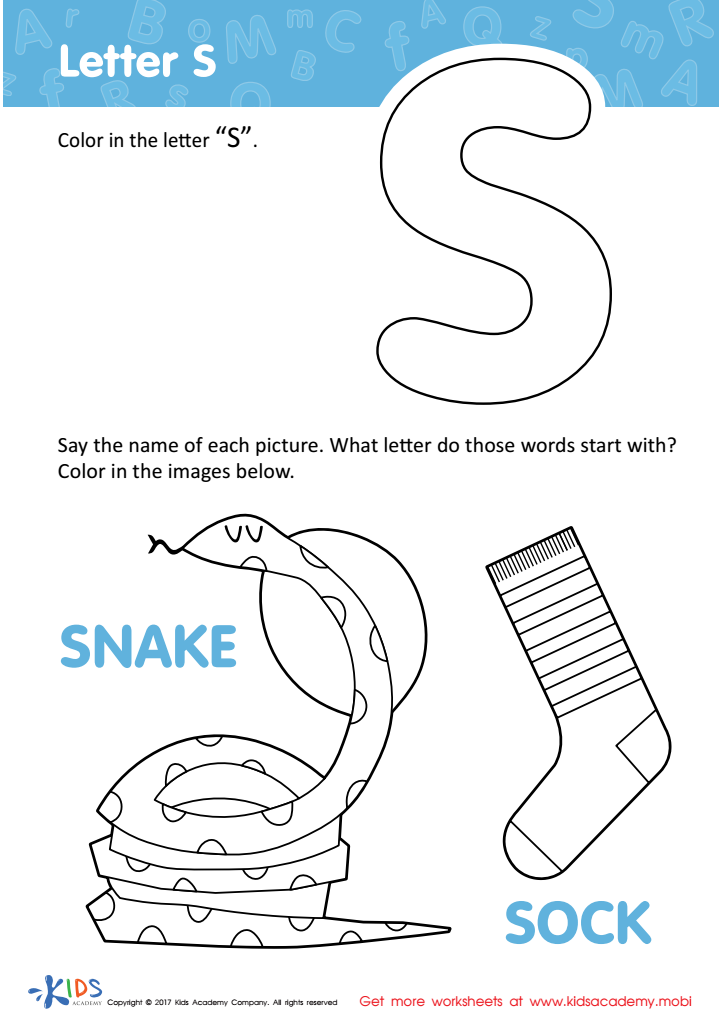
Letter S Coloring Sheet
Help your child practice recognizing the letter "S" and the sound it makes with this fun coloring page. It features a slippery snake, smelly sock and more! Give them extra practice by coming up with more "S" sounds and words.
Download (PDF)
Assign to My Students
Assign to My Students
Letter S Coloring Sheet
Worksheet
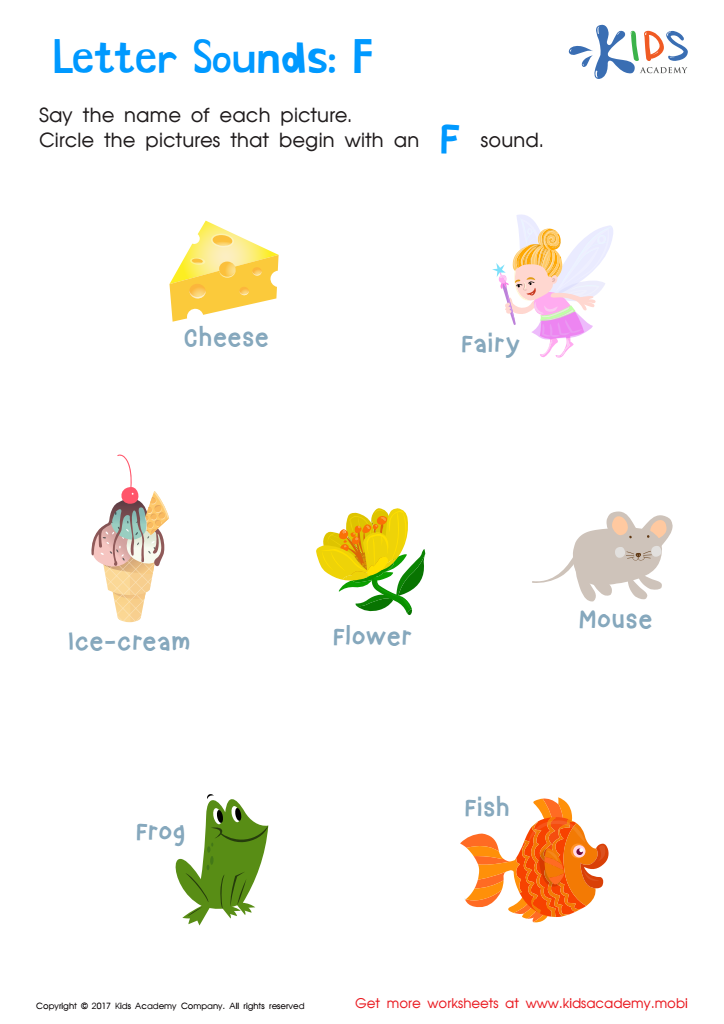
Letter F Sounds Worksheet
Kids will practice identifying 'f' words, tracing, and coloring the letter F for a great way to learn phonics.
Help your child discover the wonders of the letter 'F' with this fun worksheet! Kids will practice identifying 'F' words, tracing and coloring the letter, and building early reading skills. Stimulate their learning and let them connect letter sounds to words they know. An enjoyable way to practice phonics!
Letter F Sounds Worksheet
Worksheet
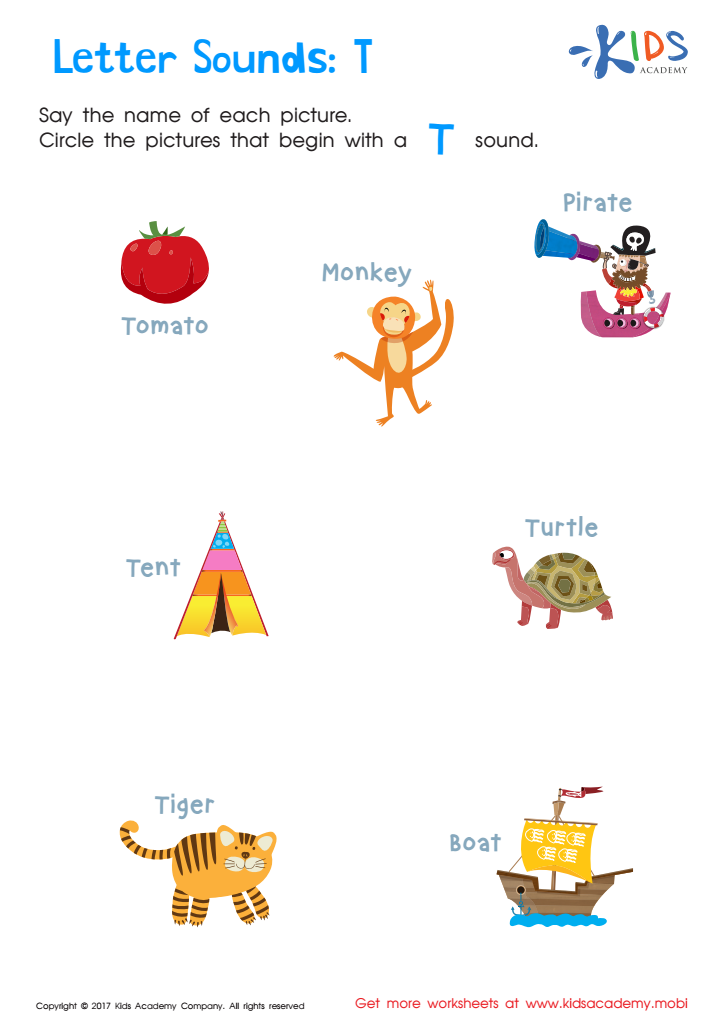
Letter T Sounds Worksheet
This worksheet is a fun way to help kids learn the t sound. It has familiar pictures and an easy-to-follow format, so kids can quickly recognize and learn the letter t.
Letter T Sounds Worksheet
Worksheet
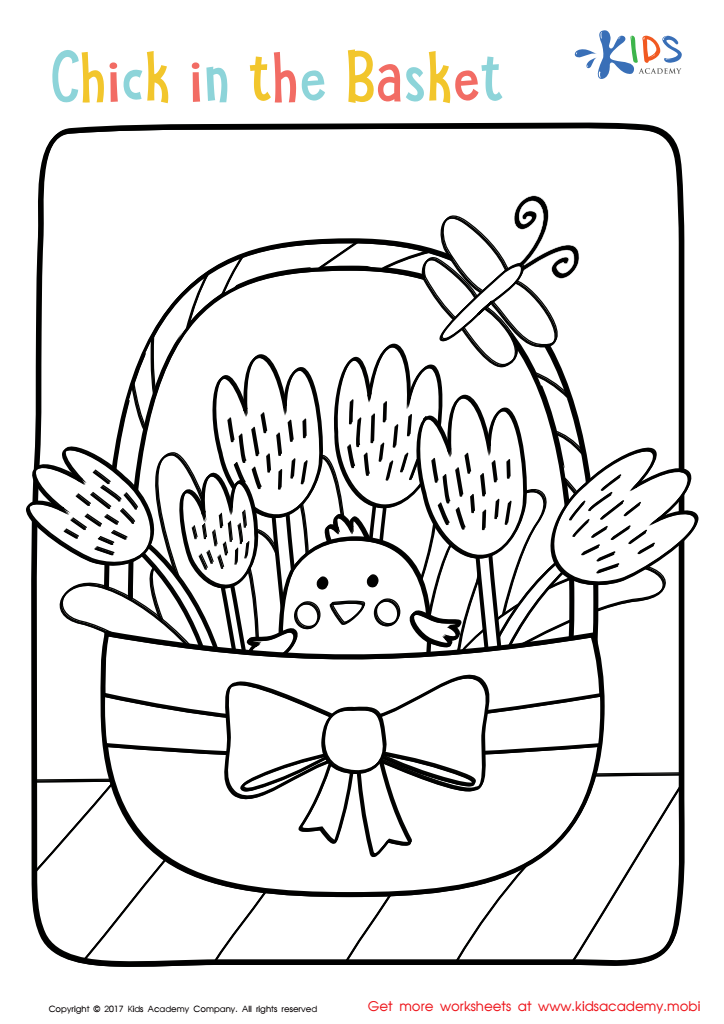
Easter: Chick in the Basket Worksheet
Kids love Easter morning when they wake up to a basket full of goodies! Let them get creative and learn something new with this Easter chick coloring page! It's perfect to use while they wait for the Easter bunny, and talk about the symbolism of chicks and baskets. They'll have fun learning and creating a wonderful image to decorate!
Download (PDF)
Assign to My Students
Assign to My Students
Easter: Chick in the Basket Worksheet
Worksheet
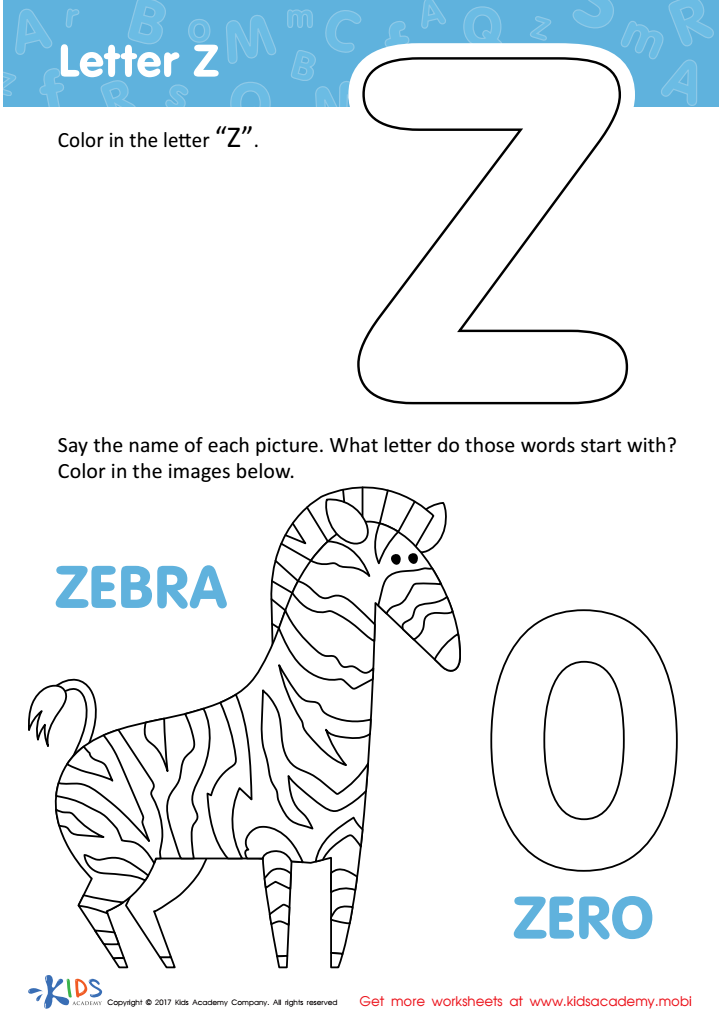
Letter Z Coloring Sheet
This coloring page featuring the letter "Z" is perfect for your child to practice letter recognition! Help them learn the unique sound it makes as they color. It'll be a fun and easy activity they won't have trouble with!
Download (PDF)
Assign to My Students
Assign to My Students
Letter Z Coloring Sheet
Worksheet
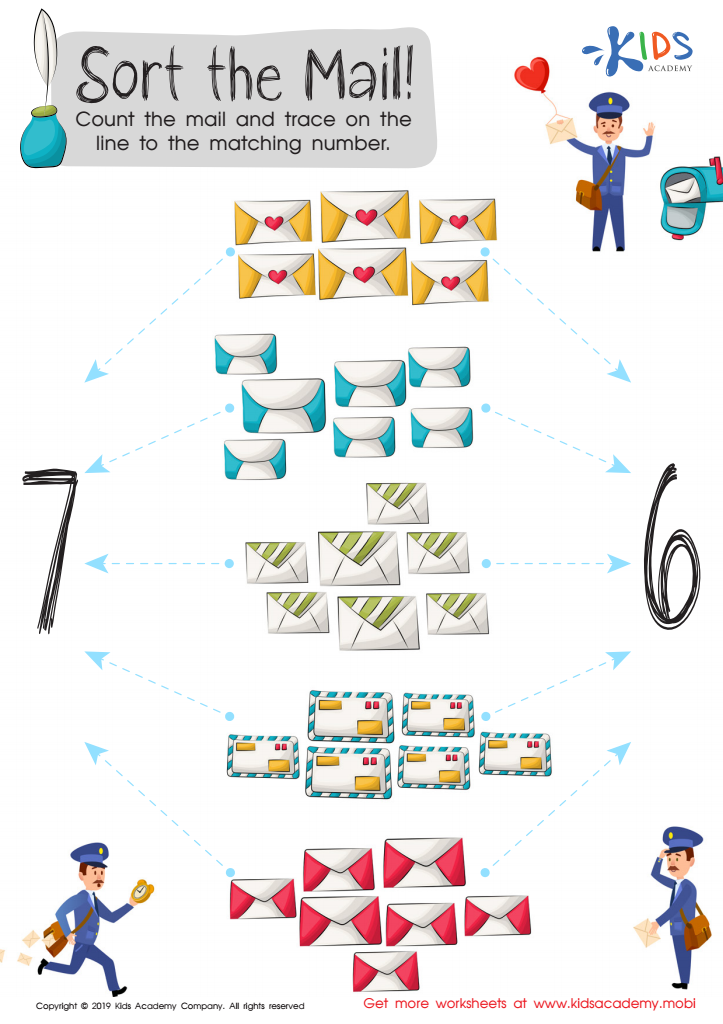
Sort the Mail Worksheet
Kids can learn number sense with one-to-one representation! This worksheet helps them connect groups of letters with the correct numbers by tracing the lines. They'll count and decide whether each group has 6 or 7 envelopes. This exercise gives children a better understanding of numerical representation.
Sort the Mail Worksheet
Worksheet
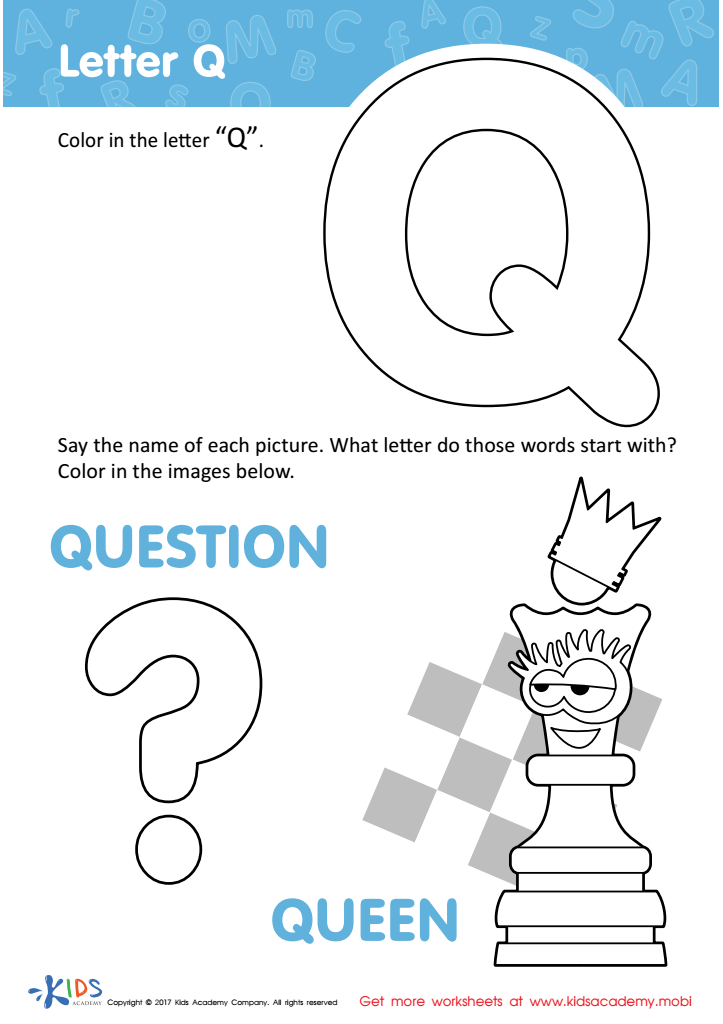
Letter Q Coloring Sheet
Kids need practice with letters not seen often. Give your child a boost with this letter "Q" coloring page! Have them color in the queen and question mark, while learning the sound "Q" makes. Fun and educational!
Download (PDF)
Assign to My Students
Assign to My Students
Letter Q Coloring Sheet
Worksheet
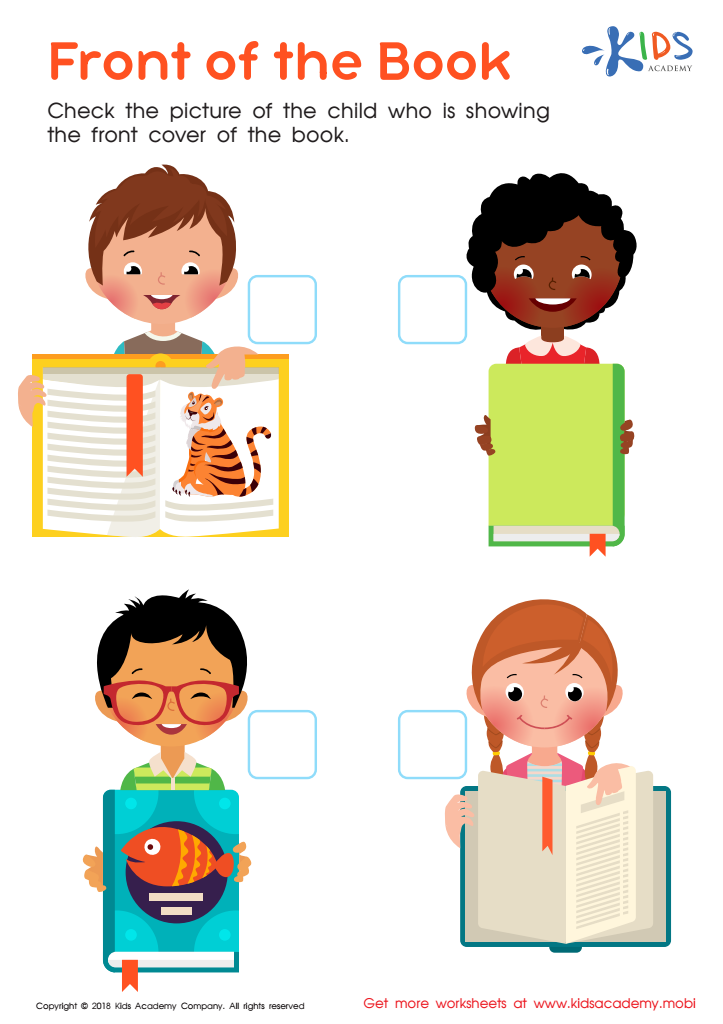
Front of the Book Worksheet
Help your child become a reader with this free worksheet! It's full of fun new friends and is designed to help kids understand concepts about the front of a book. They'll look at each picture and decide which friend is holding the book with the front cover, and check off the correct answer in the given boxes. Get your little one ready to be a reader!
Front of the Book Worksheet
Worksheet
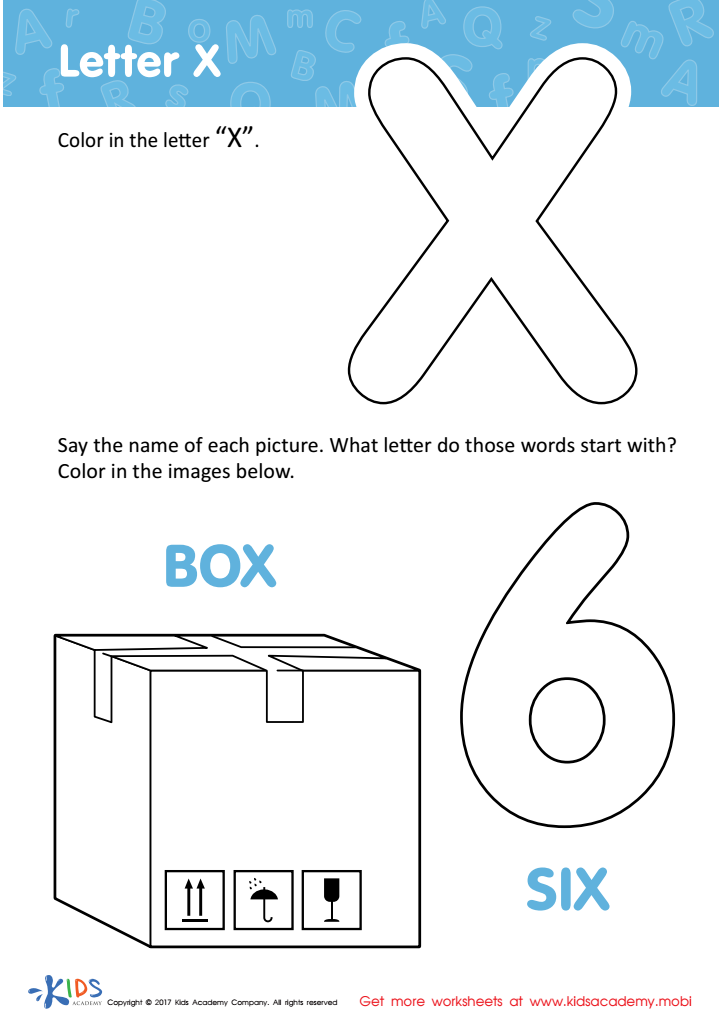
Letter X Coloring Sheet
Help your little learner find the letter "X" with this coloring page. Go over the sounds it makes and how to find it at the end of words. Unlock the mystery of this unique letter - it's one of the most challenging but rewarding letters to learn!
Download (PDF)
Assign to My Students
Assign to My Students
Letter X Coloring Sheet
Worksheet
Join Kids Academy for Free
Who is primarily going to use this learning content?







Letter recognition is a fundamental skill in early childhood education, and its importance cannot be overstated. Parents and teachers should care about letter recognition, particularly in preschool settings, because it serves as the gateway to literacy and effective communication. Recognizing letters allows children to begin understanding that letters represent sounds, which is crucial as they transition to reading and writing.
In addition, children who identify letters begin to build confidence not only in literacy but across various subjects. As they advance in letter recognition, they develop essential cognitive skills such as memory, focus, and critical thinking. Moreover, letter recognition fosters an interest in reading and books, which are vital for lifelong learning.
Organizing interactive activities and playful methods to teach letter recognition can make the learning process enjoyable. Kids learn best through play, and engaging approaches, such as songs, games, and hands-on materials, effectively capture their attention.
Finally, teachers and parents play pivotal roles in shaping a child’s literacy journey. By nurturing letter recognition, they are equipping children with foundational skills that pave the way for academic success. Investing time in promoting this skill can profoundly impact a child’s educational future.