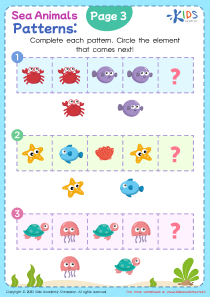
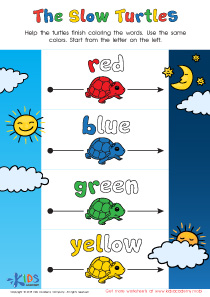
Letter-sound correlation Easy Preschool Worksheets
3 filtered results
-
From - To
Welcome to our "Letter-Sound Correlation Easy Preschool Worksheets" page! Designed for young learners, these engaging worksheets help children master the fundamental skill of connecting letters with their corresponding sounds. By incorporating fun activities, kids will develop essential phonemic awareness, laying a strong foundation for reading and writing. Our worksheets are easy to navigate and tailored for preschoolers, making learning enjoyable and interactive. Parents and educators can use these resources to guide children in identifying letters and sounds in a playful manner. Explore the full collection and inspire your child’s love for learning today!
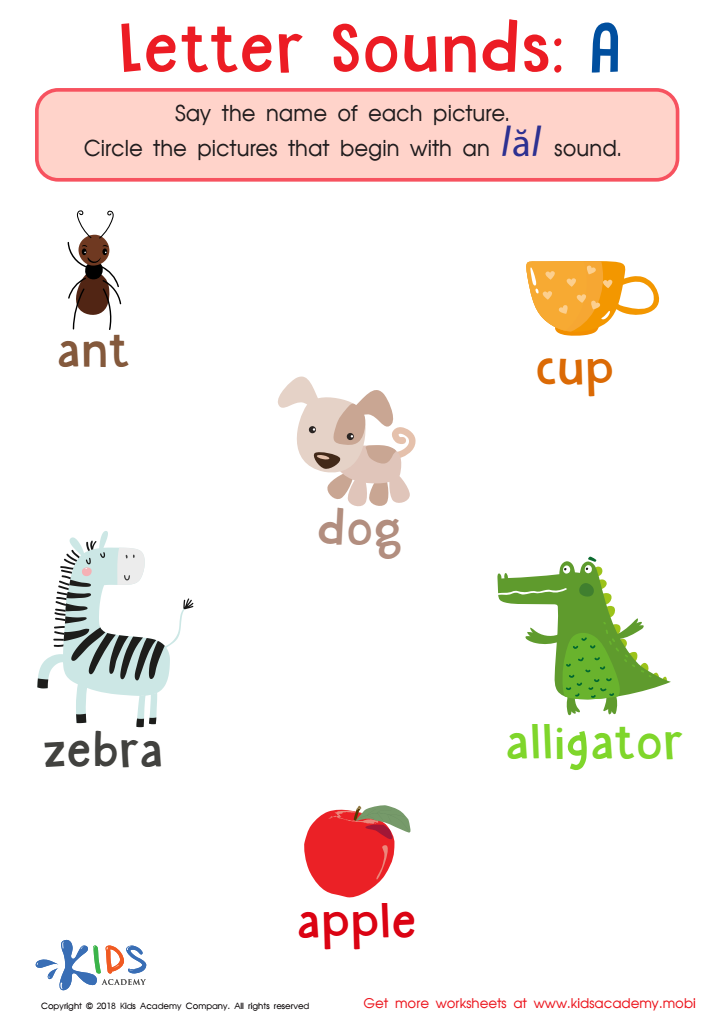
Letter A Sounds Worksheet
 Assign to My Students
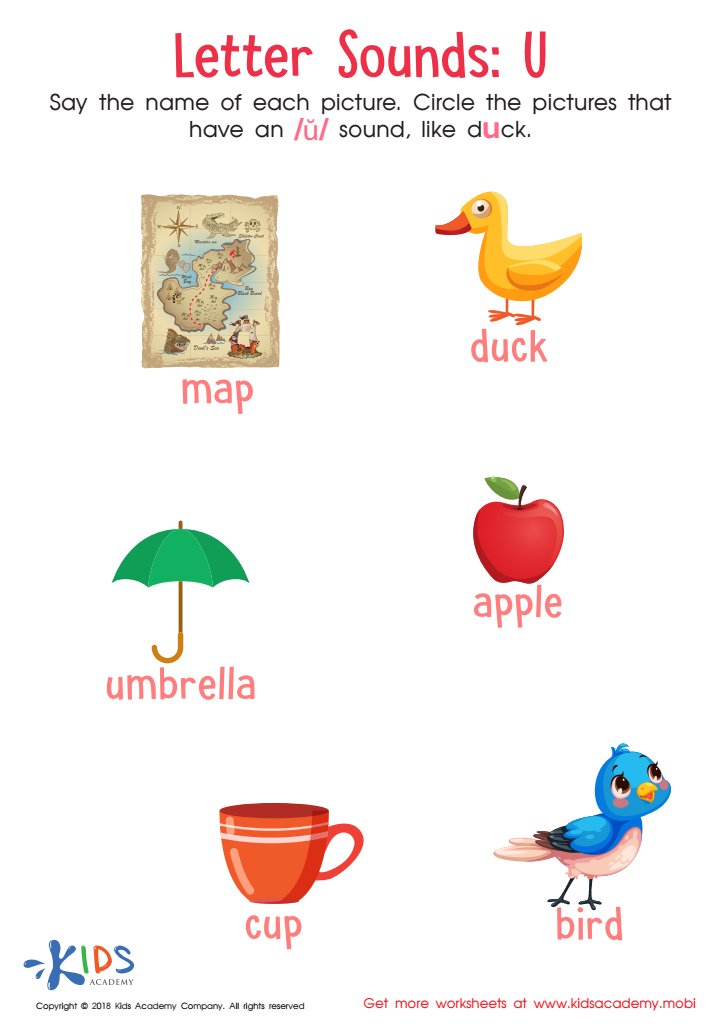
Letter U Sounds Worksheet
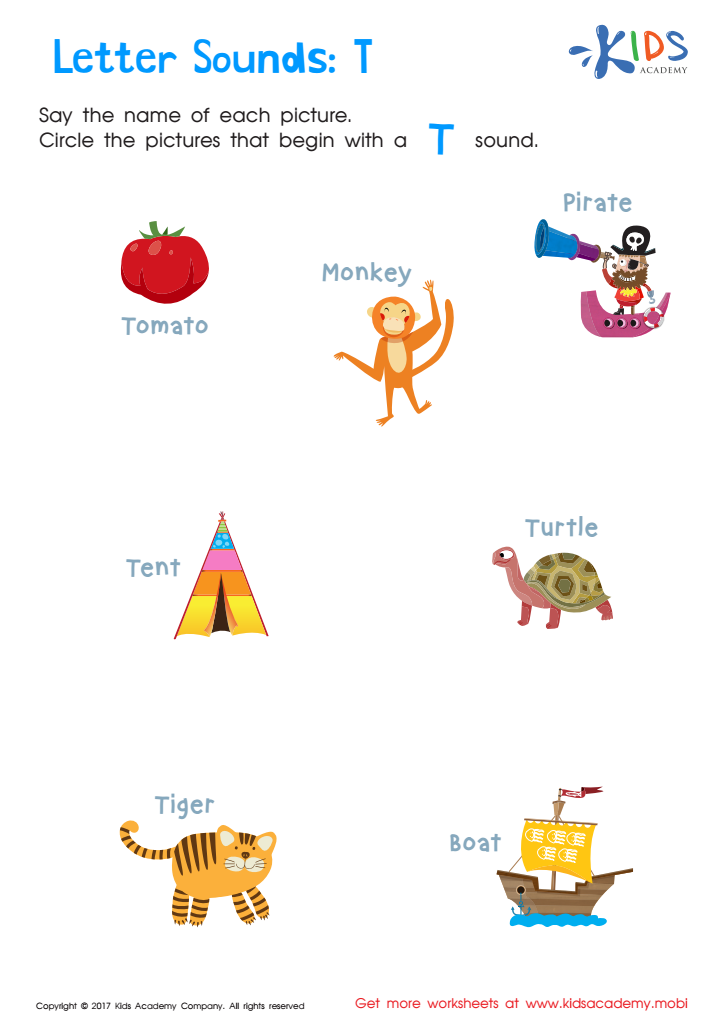
Letter T Sounds Worksheet






Letter-sound correlation is a foundational skill that fuels early literacy development in preschoolers. This concept involves understanding the relationship between letters and the sounds they represent, an essential building block for reading and writing. For parents and teachers, nurturing this connection is crucial for several reasons.
Firstly, strong letter-sound relationships enhance phonemic awareness, allowing children to decode words efficiently. This skill leads to improved reading fluency, which is vital for academic success. When children grasp how sounds correlate with letters, they become more confident readers.
Secondly, nurturing this correlation supports language development. By recognizing and articulating sounds associated with letters, children expand their vocabulary and develop better communication skills.
Moreover, engaging with letter-sound correlation lays the groundwork for spelling. Understanding the sounds that letters make enables preschoolers to phonetically spell words, fostering a love for writing and creative expression.
Lastly, early exposure to these concepts can prevent future reading difficulties, thereby promoting lifelong literacy skills. By prioritizing letter-sound correlation, parents and teachers empower children with the tools they need to thrive in an increasingly literate world, setting the stage for future learning experiences.