Critical Thinking Easy Preschool Reading Worksheets
4 filtered results
-
From - To
Our "Critical Thinking Easy Preschool Reading Worksheets" nurture young minds through engaging activities designed to bolster foundational reading skills while developing critical thinking. Perfect for early learners, these worksheets challenge preschoolers to connect ideas, draw conclusions, and enhance comprehension. Each printable activity encourages children to think independently and solve problems creatively, fostering a lifelong love for reading and learning. Tailored for simplicity and effectiveness, these resources are ideal for parents and educators aiming to provide a balanced, enriching educational experience. Boost your preschooler's cognitive abilities and prepare them for academic success with our expertly crafted, user-friendly worksheets.
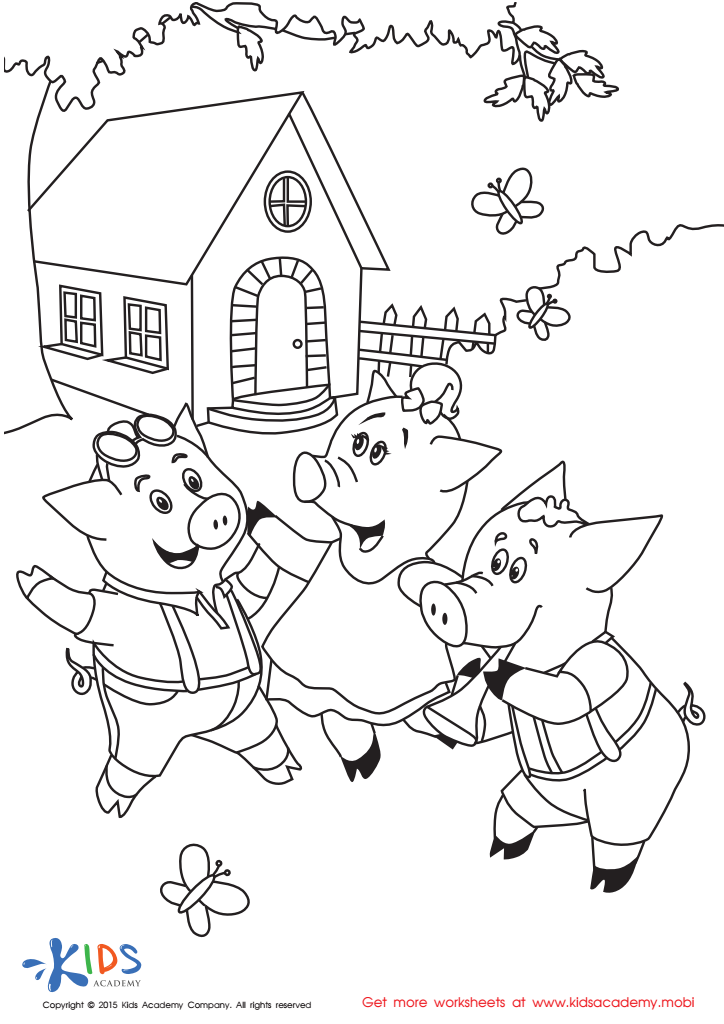
Folktales Printable PDF Worksheet: The 3 Little Pigs
 Assign to My Students
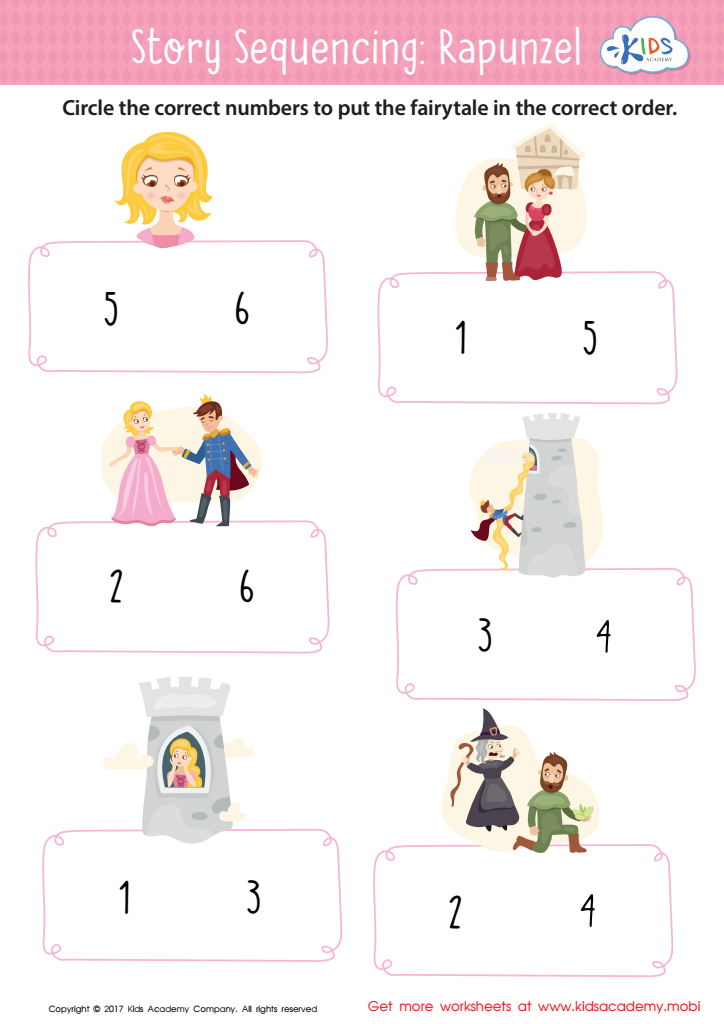
Rapunzel Story Sequencing Worksheet
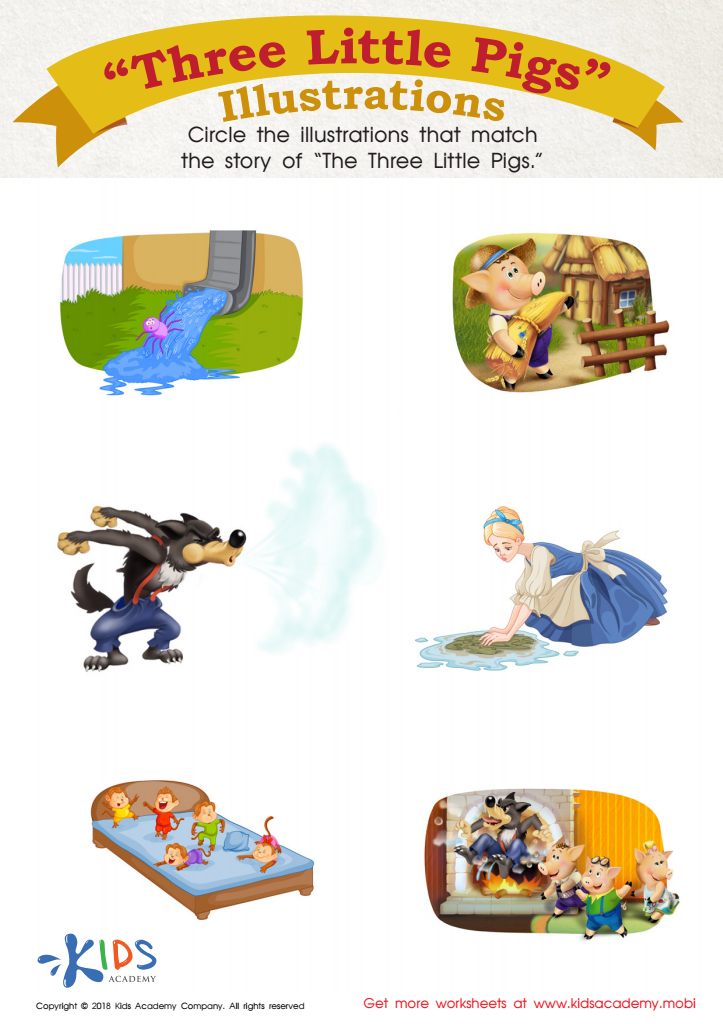
Three Little Pigs: Illustrations Worksheet

Questions About Stories: Assessment 1 Worksheet








Parents and teachers should prioritize critical thinking in preschool reading because it lays the foundation for lifelong learning and problem-solving abilities. Early literacy is not just about reading words but also about understanding concepts, making connections, and questioning the world. Critical thinking fosters these skills by encouraging children to analyze stories, predict outcomes, and infer meanings beyond the text.
When young children engage in critical thinking during reading, they develop better comprehension skills, enhancing their ability to make sense of new information. This process stimulates cognitive development, boosts creativity, and nurtures curiosity—all essential traits for academic success. Furthermore, it helps children learn to differentiate between fact and opinion, fostering discernment and decision-making capabilities.
Moreover, early attention to critical thinking cultivates a love for reading and learning by making the process interactive and engaging. Children are more likely to be enthusiastic about books and learning activities when they feel intellectually stimulated and emotionally invested.
Thus, incorporating critical thinking into preschool reading sets the stage for future educational achievements and embodies an essential aspect of overall personal development. It equips children with the skills they need to navigate an increasingly complex world, making them more adaptable, effective communicators, and thoughtful individuals.