Story sequencing Easy Preschool Reading Fiction Worksheets
3 filtered results
-
From - To
Unlock your child’s creativity and understanding of narratives with our "Story Sequencing Easy Preschool Reading Fiction Worksheets." Designed for young learners, these engaging worksheets encourage kids to arrange images and sentences in the correct order, enhancing their comprehension and reasoning skills. By mastering story sequencing, preschoolers develop critical thinking and early literacy fundamentals essential for their academic journey. Our vibrant, easy-to-use printables ensure that learning is enjoyable and interactive, setting a solid foundation for their future reading success. Explore our collection today and watch your child thrive as they discover the joy of storytelling!
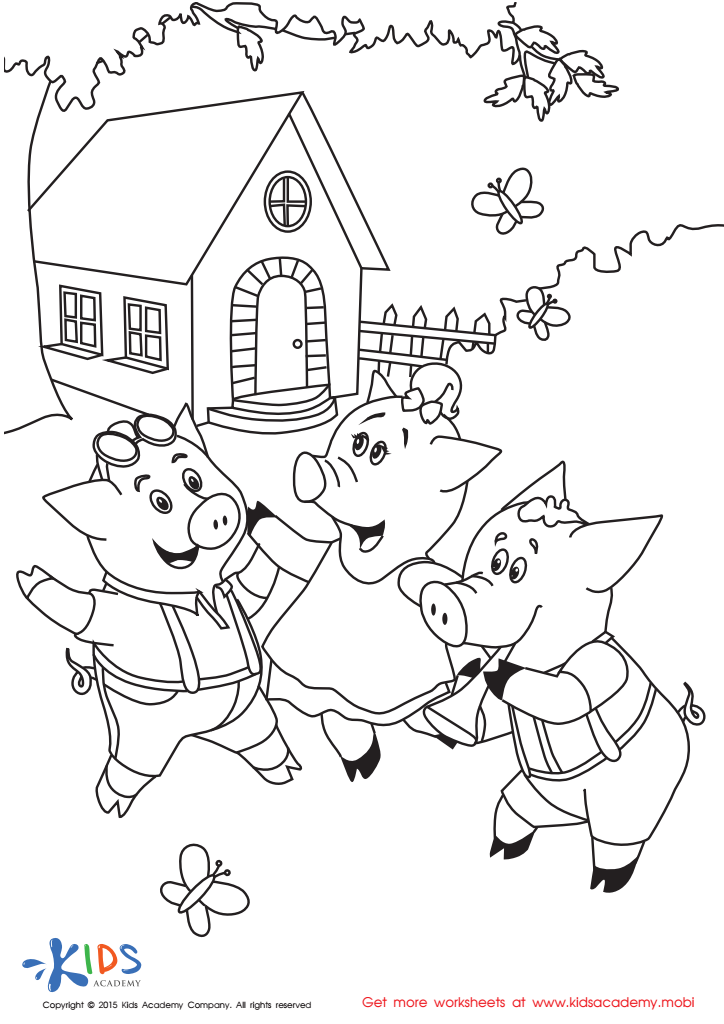
Folktales Printable PDF Worksheet: The 3 Little Pigs
 Assign to My Students
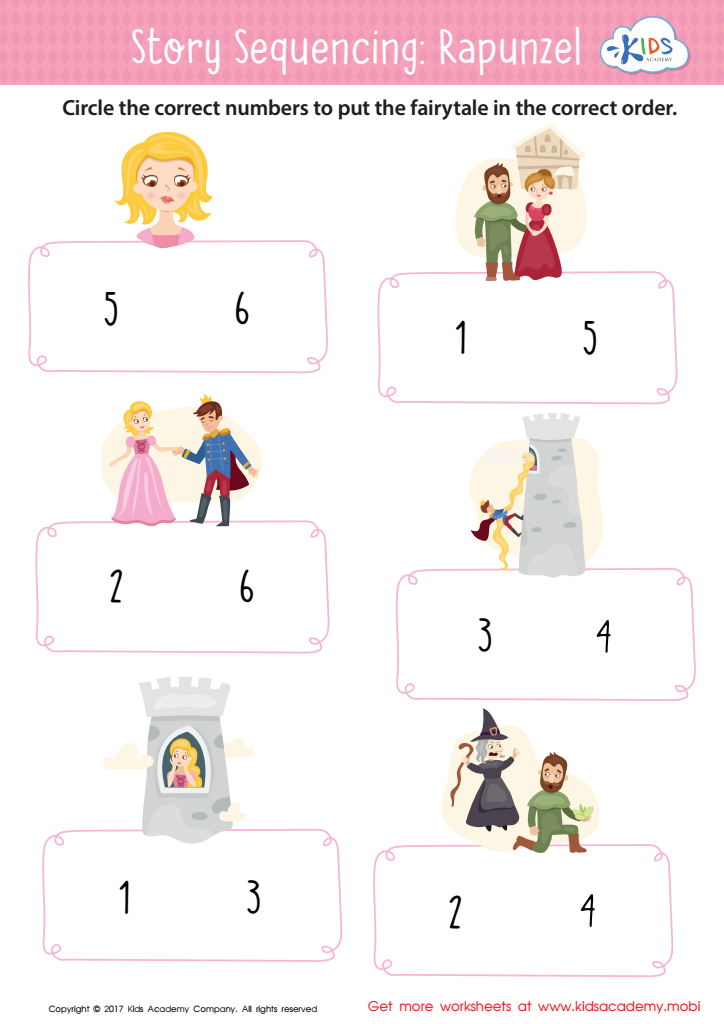
Rapunzel Story Sequencing Worksheet
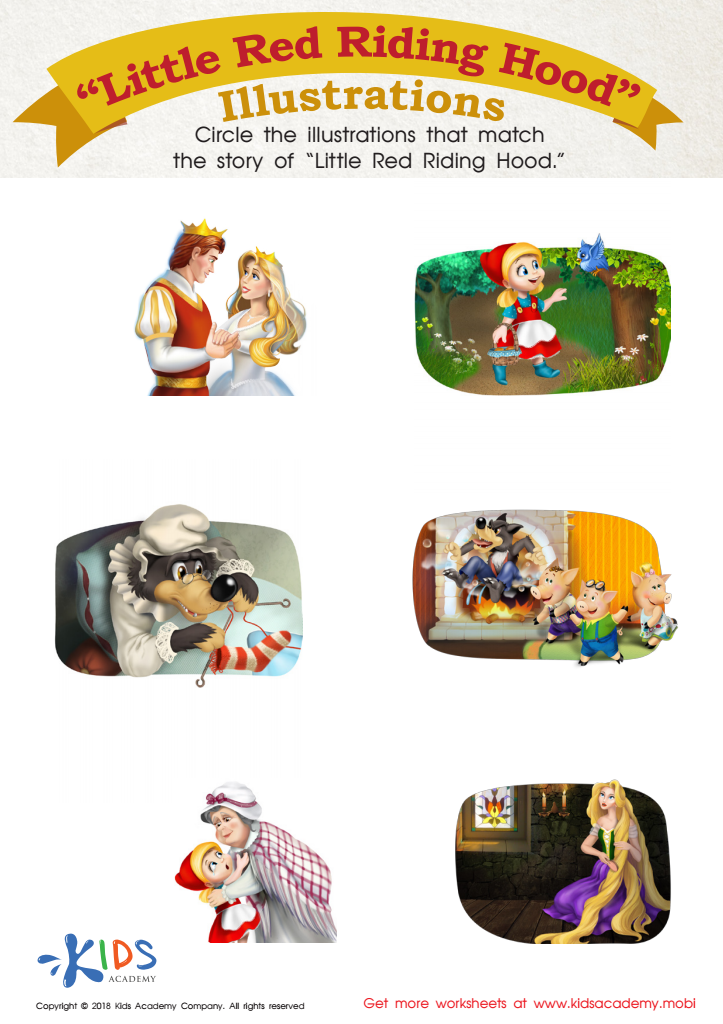
Little Red Riding Hood: Illustrations Worksheet







Parents and teachers should prioritize story sequencing in early childhood education for several compelling reasons. Firstly, it builds critical cognitive skills. Understanding the order of events in a story encourages children to develop narrative comprehension, which is essential for overall literacy. When preschoolers can sequence events, they enhance their ability to follow along with stories, fostering greater engagement and enjoyment in reading.
Secondly, story sequencing aids in developing logical thinking. As children identify beginnings, middles, and ends of a tale, they learn to connect cause and effect, fostering their analytical skills and helping them understand how events influence one another. This foundational skill translates beyond reading into everyday problem-solving situations.
Moreover, enhancing story sequencing through interactive storytelling promotes creativity and verbal expression. Children can retell stories in their own words, facilitating self-expression and enhancing vocabulary.
Lastly, engaging with story sequencing activities provides opportunities for family bonding. Parents can read with their children, ask sequencing questions, and encourage discussions about the story, creating meaningful shared experiences. In a world increasingly driven by information, fostering a child's ability to comprehend and express stories equips them with vital life skills crucial for educational pathways ahead.