Color recognition Easy Grade 2 English for Beginners Worksheets
9 filtered results
-
From - To
Enhance your child's learning experience with our "Color Recognition Easy Grade 2 English for Beginners Worksheets." Designed specifically for young learners, these engaging worksheets help children identify and understand colors in a fun and interactive way. Each worksheet features vibrant illustrations and simple instructions, making it suitable for ESL students. As kids explore colors through matching, coloring activities, and puzzles, they will boost their vocabulary and improve their language skills. Our resources are printable, making them perfect for classroom use or hands-on learning at home. Promote creativity and color recognition while building a strong foundation in English language skills today!
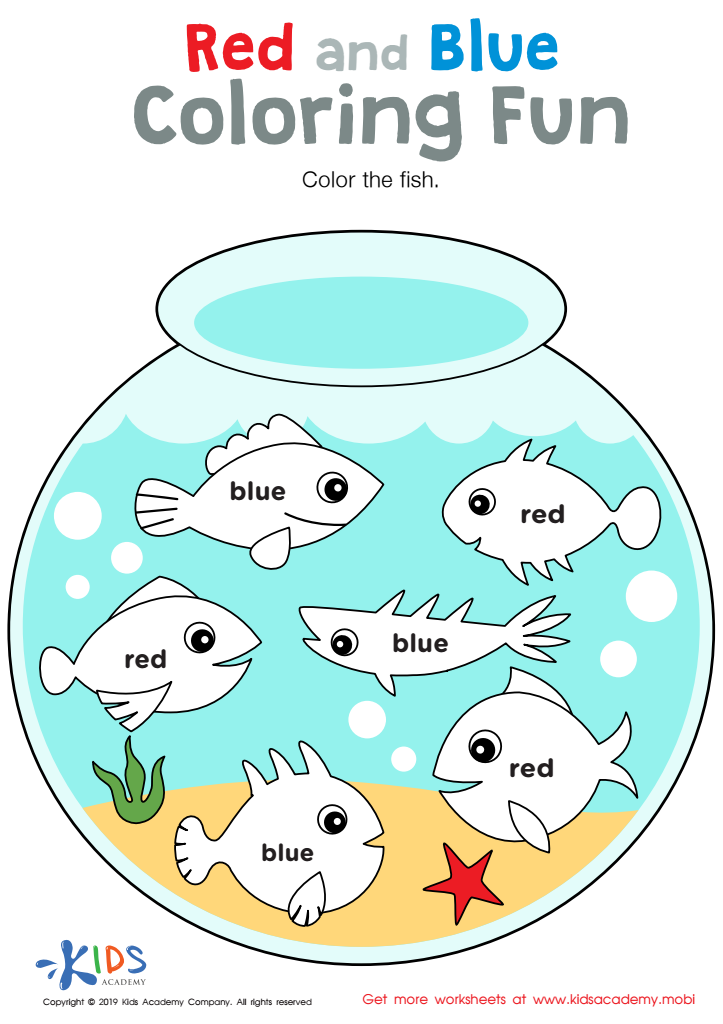
Red and Blue Coloring Fun Worksheet
 Assign to My Students
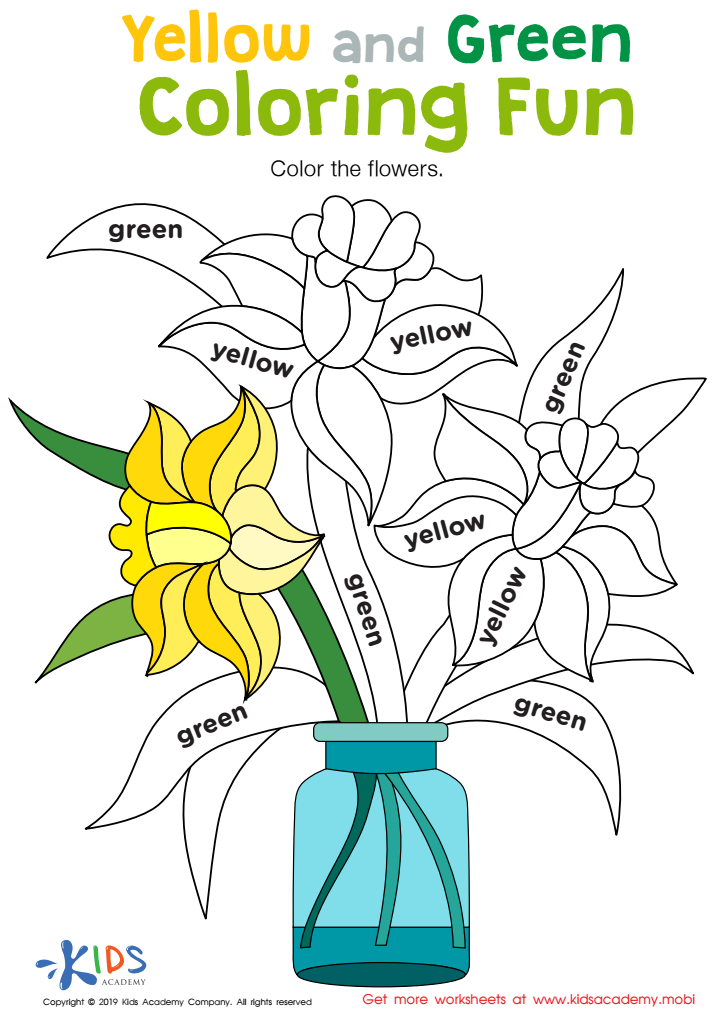
Yellow and Green Coloring Fun Worksheet
Assign to My Students
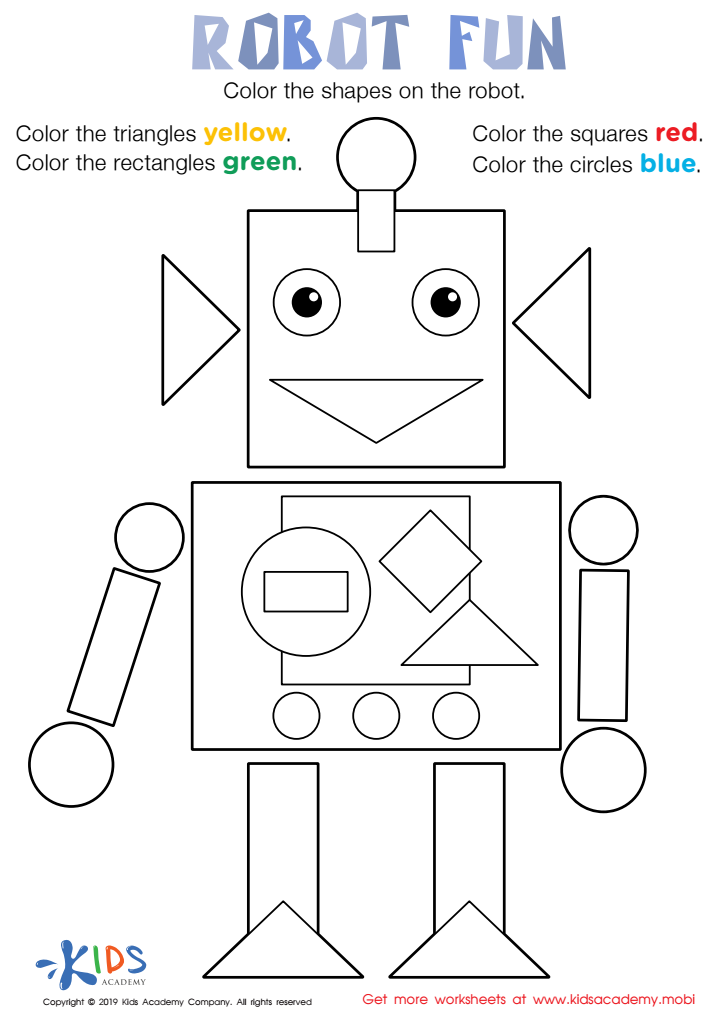
Robot Fun Worksheet
Assign to My Students
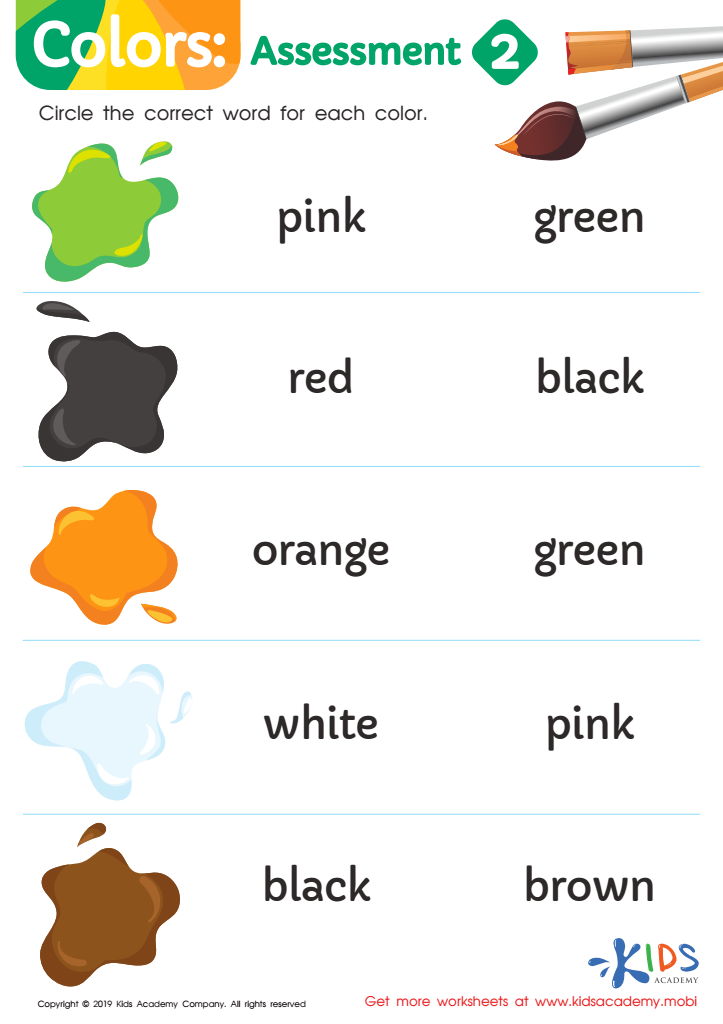
Colors: Assessment 2 Worksheet
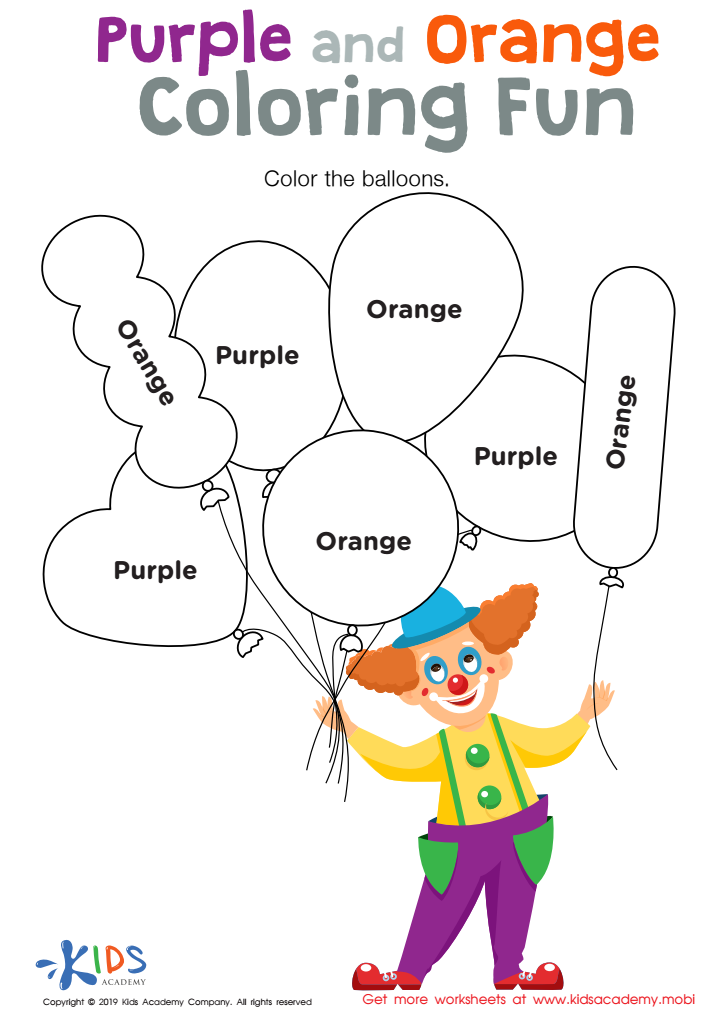
Purple and Orange Coloring Fun Worksheet
Assign to My Students
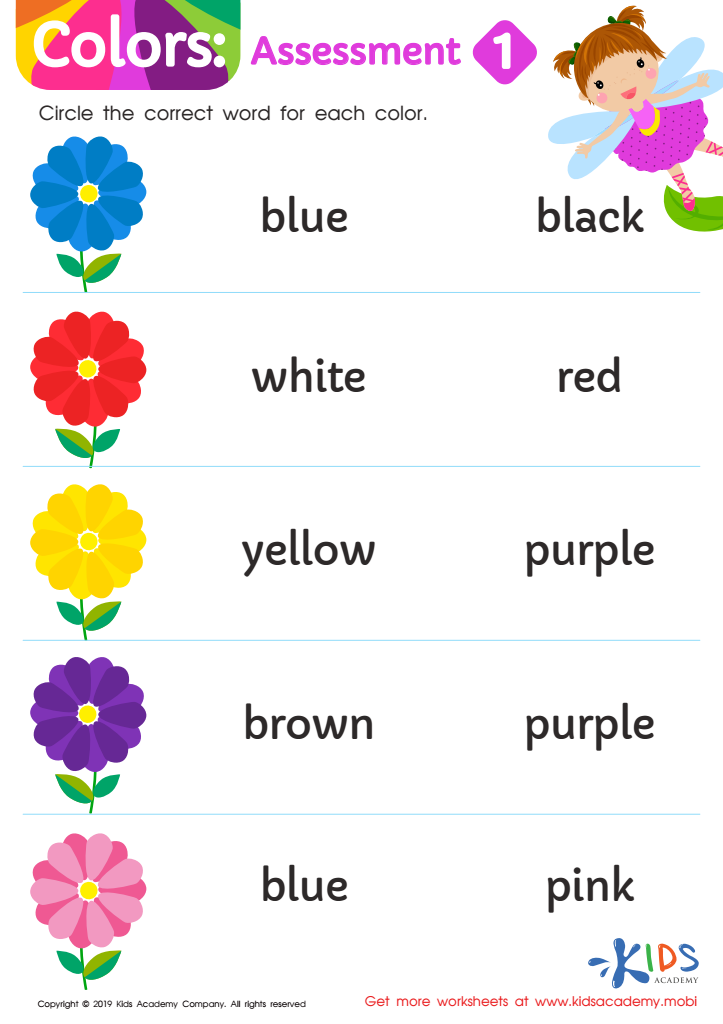
Colors: Assessment 1 Worksheet
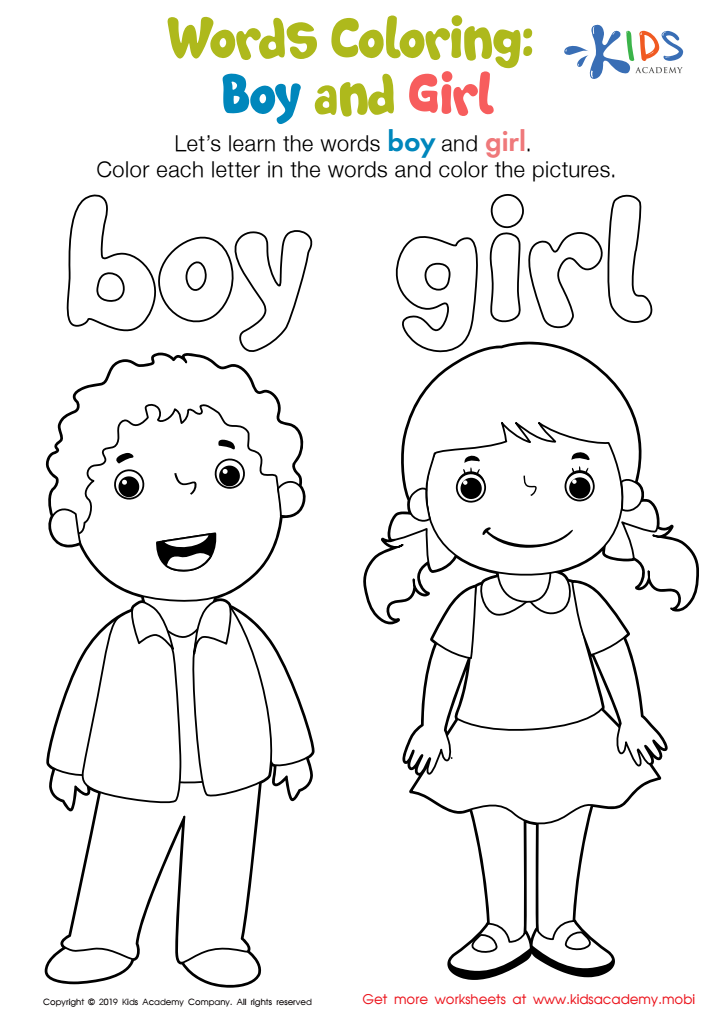
Boy and Girl Words Coloring Worksheet
Assign to My Students
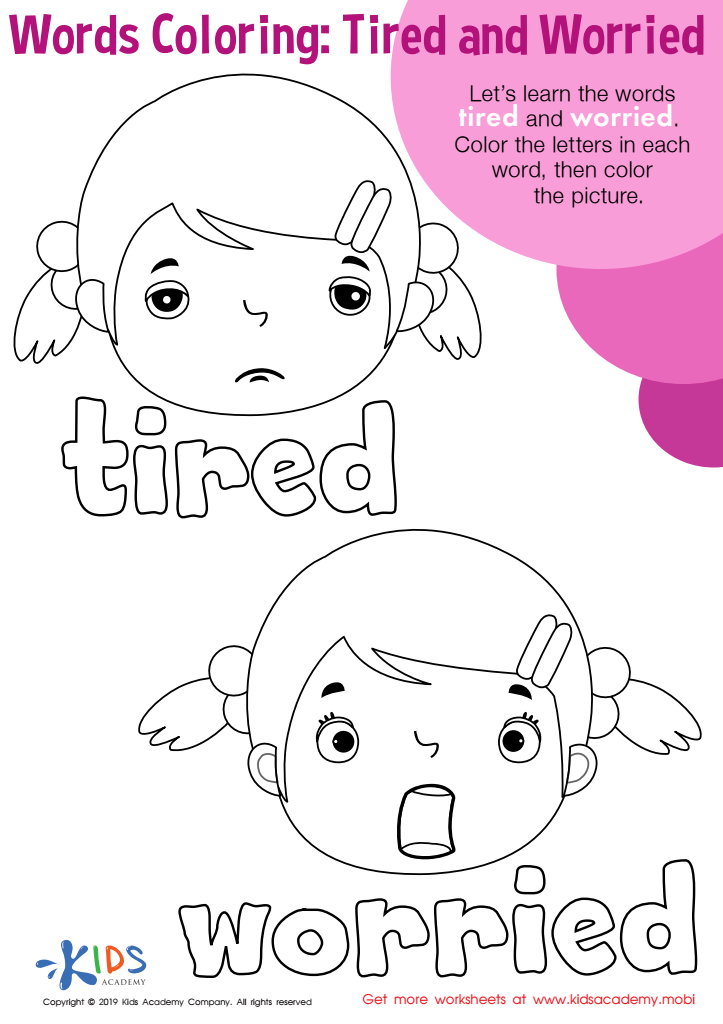
Tired and Worried Words Coloring Worksheet
Assign to My Students
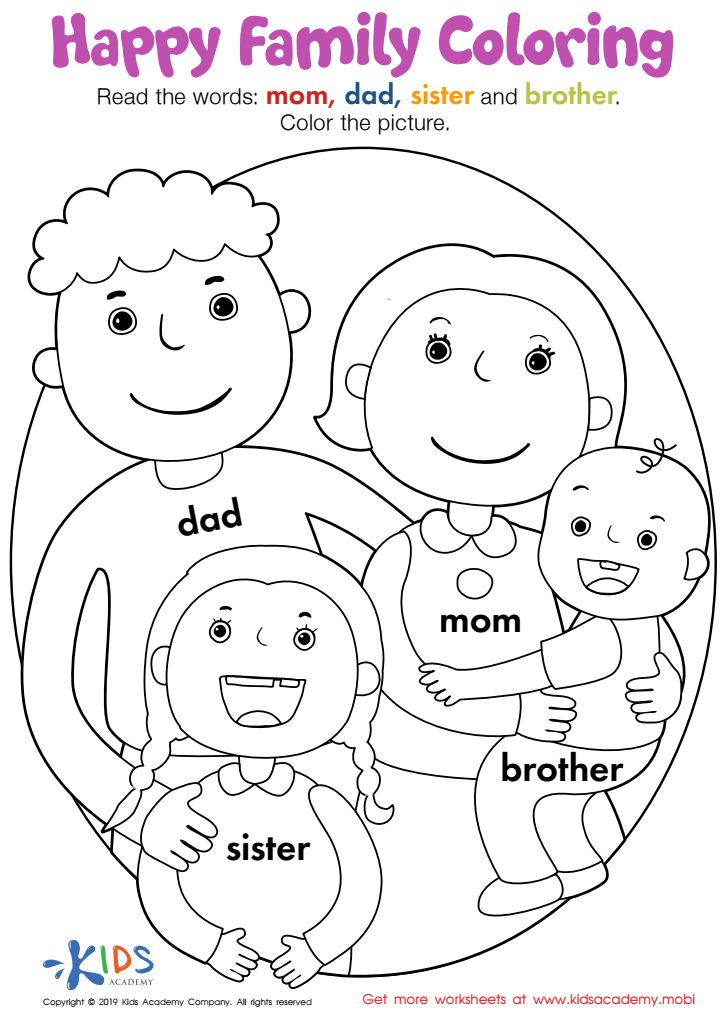
Happy Family Coloring Worksheet
Assign to My Students


Color recognition is a fundamental skill that plays a vital role in a child's early development and learning. For parents and teachers, understanding its importance is essential for fostering a well-rounded education.
First, color recognition enhances cognitive development. As children learn to identify and differentiate colors, they sharpen their critical thinking skills and boost their ability to categorize and make connections in their environment. This foundational knowledge supports their academic journey, as many subjects, such as art, math, and science, incorporate color recognition in various ways.
Moreover, color recognition aids in language development. When children learn the names of colors, they expand their vocabulary and enhance their communication skills. This can also lead to improved reading and writing abilities as children begin to describe and express their observations using color-related language.
Additionally, understanding colors is essential for social interaction. Many activities, such as arts and crafts or games, incorporate colors, allowing children to engage with their peers. This promotes teamwork, sharing, and cooperation.
In conclusion, parents and teachers should prioritize color recognition in early education, as it significantly impacts cognitive and language skills, encourages social interaction, and lays the groundwork for future academic success.