Letter recognition Easy Grade 3 Alphabet Worksheets
5 filtered results
Difficulty Level
Grade
Age
-
From - To
Subject
Activity
Standards
Enhance your Grade 3 students' literacy skills with our engaging "Letter Recognition Easy Grade 3 Alphabet Worksheets." Designed to support young learners, these worksheets offer fun and interactive activities that promote letter recognition and mastery. Each worksheet features vibrant illustrations and exercises that make learning enjoyable, enabling students to identify and differentiate letters effortlessly. Perfect for both classroom use and at-home practice, our resources cater to diverse learning styles and help reinforce essential phonics concepts. Boost your students' confidence in reading and writing with our thoughtfully crafted materials, ensuring they are well-prepared for their educational journey ahead!
Favorites
With answer key
Interactive
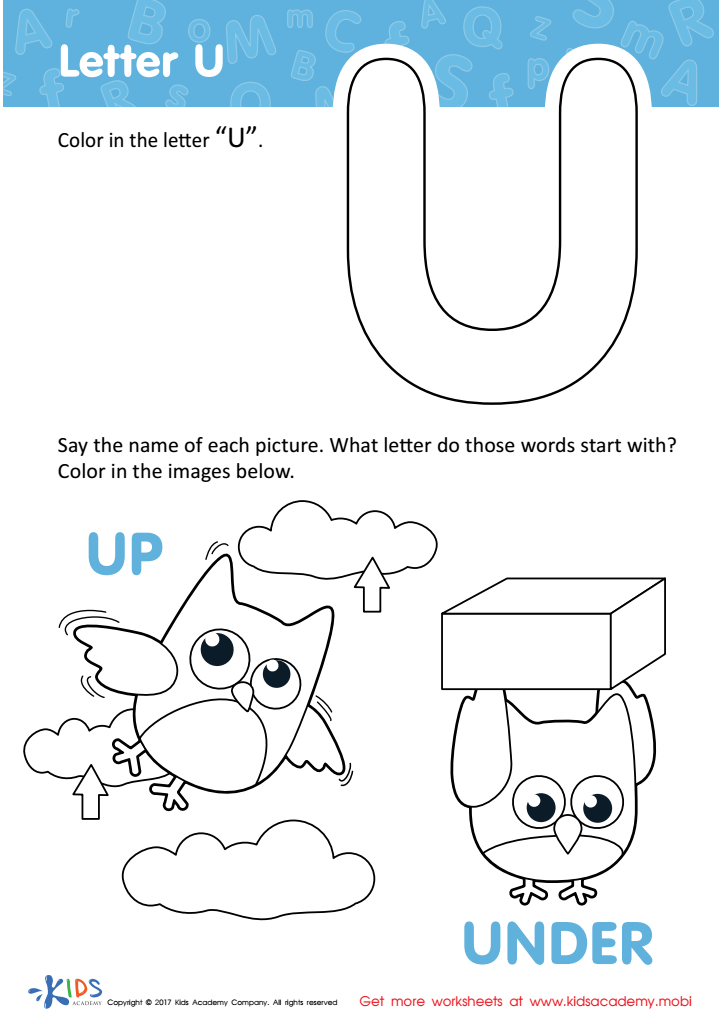
Letter U Coloring Sheet
This letter "U" coloring page helps your child learn two things at once - the letter "U" and positional words! An adorable owl character aids in understanding up and under. In a few strokes of a crayon, your child can master these concepts.
Download (PDF)
 Assign to My Students
Assign to My Students
Letter U Coloring Sheet
Worksheet
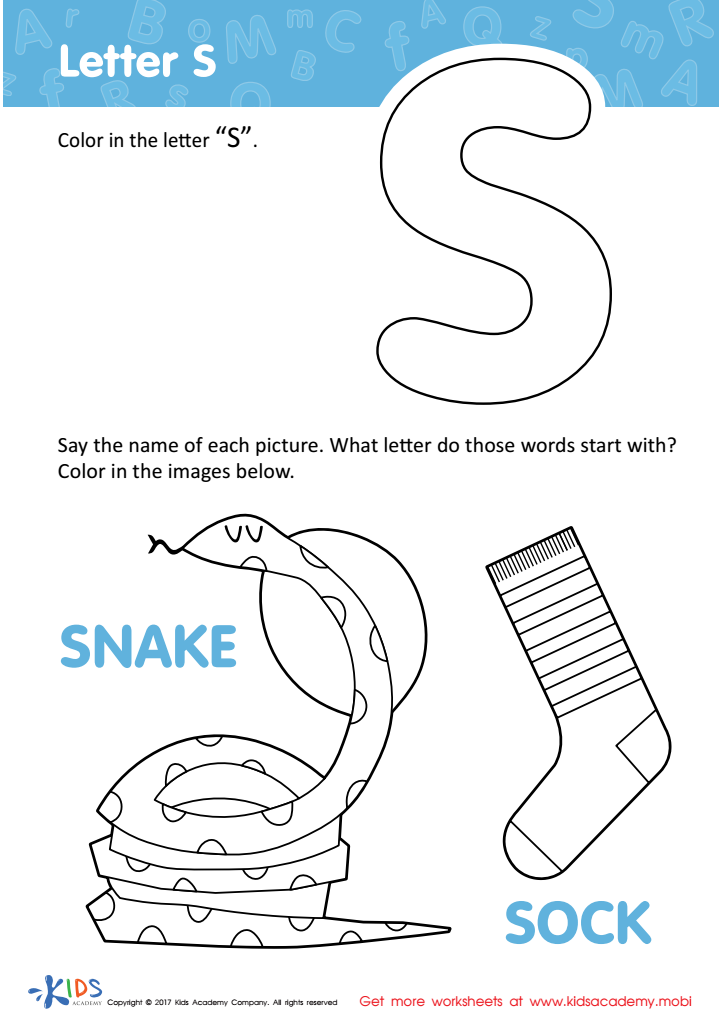
Letter S Coloring Sheet
Help your child practice recognizing the letter "S" and the sound it makes with this fun coloring page. It features a slippery snake, smelly sock and more! Give them extra practice by coming up with more "S" sounds and words.
Download (PDF)
Assign to My Students
Assign to My Students
Letter S Coloring Sheet
Worksheet
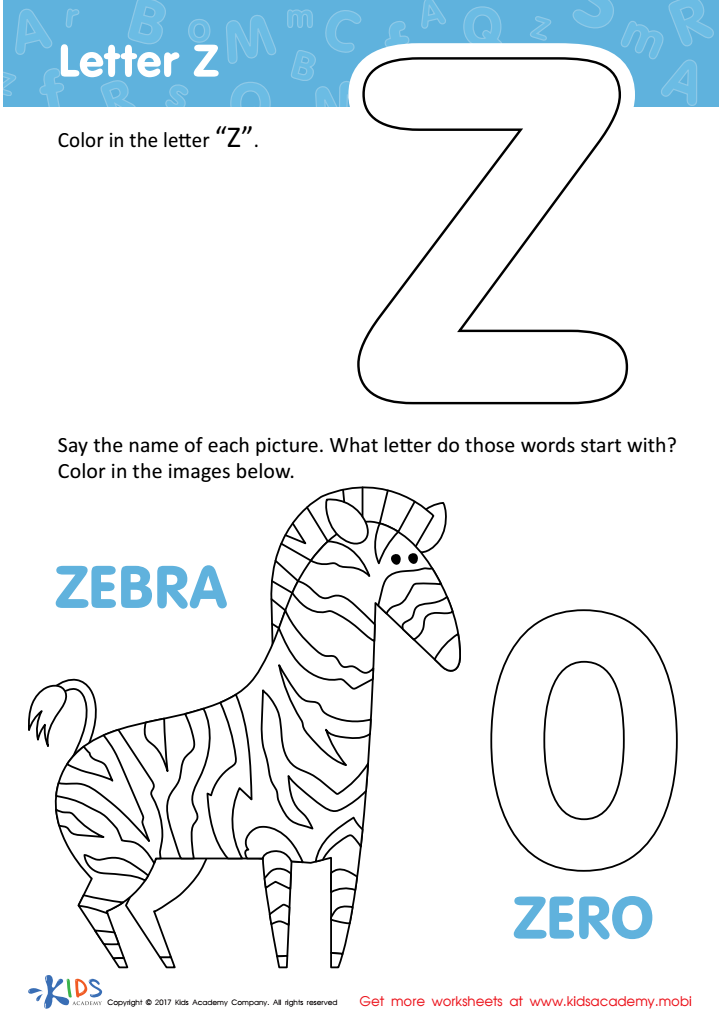
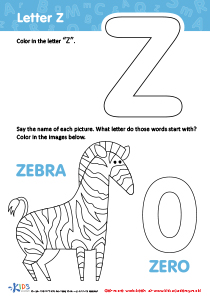
Letter Z Coloring Sheet
This coloring page featuring the letter "Z" is perfect for your child to practice letter recognition! Help them learn the unique sound it makes as they color. It'll be a fun and easy activity they won't have trouble with!
Download (PDF)
Assign to My Students
Assign to My Students
Letter Z Coloring Sheet
Worksheet
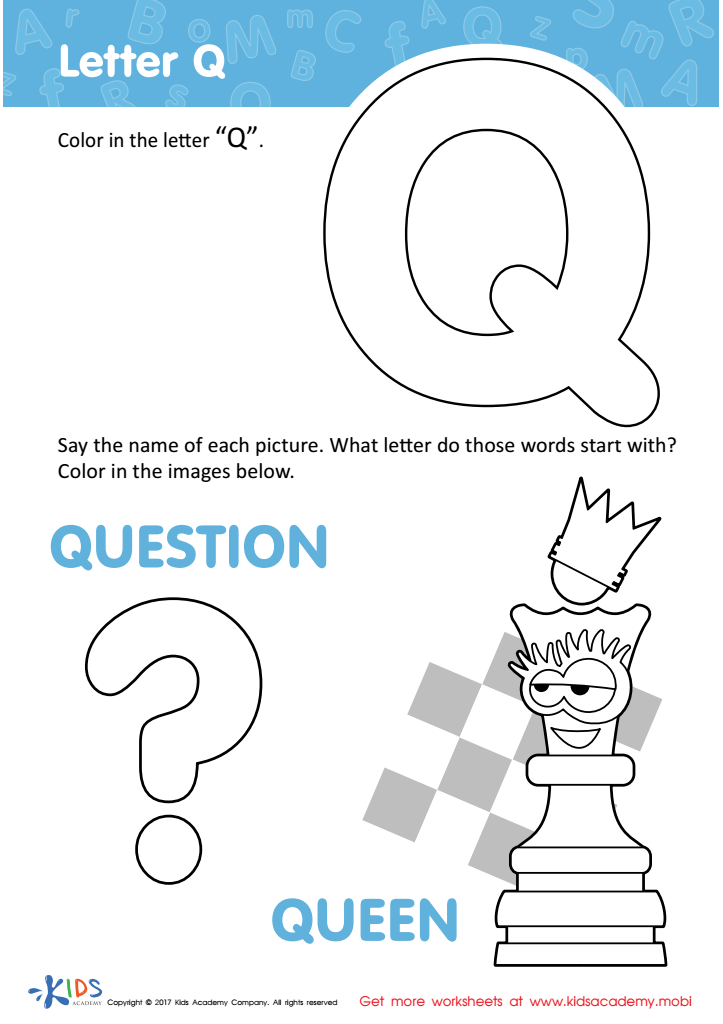
Letter Q Coloring Sheet
Kids need practice with letters not seen often. Give your child a boost with this letter "Q" coloring page! Have them color in the queen and question mark, while learning the sound "Q" makes. Fun and educational!
Download (PDF)
Assign to My Students
Assign to My Students
Letter Q Coloring Sheet
Worksheet
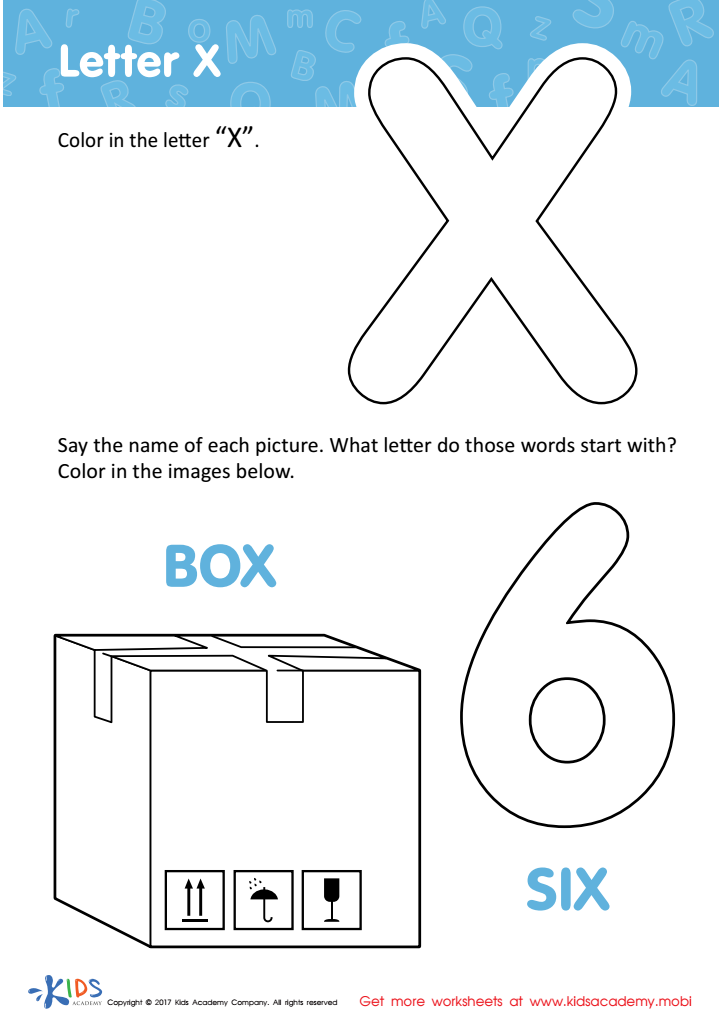
Letter X Coloring Sheet
Help your little learner find the letter "X" with this coloring page. Go over the sounds it makes and how to find it at the end of words. Unlock the mystery of this unique letter - it's one of the most challenging but rewarding letters to learn!
Download (PDF)
Assign to My Students
Assign to My Students
Letter X Coloring Sheet
Worksheet
Join Kids Academy for Free
Who is primarily going to use this learning content?








Letter recognition is a foundational skill critical for students in Grade 3, impacting their reading and writing development. When parents and teachers prioritize letter recognition, they lay the groundwork for literacy that enables children to decode words effectively. A solid understanding of the alphabet helps students identify and produce sounds associated with each letter, facilitating phonetic skills essential for reading.
Furthermore, recognizing letters enhances vocabulary development and spelling abilities. Children who are proficient in identifying letters can better engage with texts, improving comprehension and critical thinking skills. This foundational knowledge fosters confidence and motivation, encouraging students to explore reading and writing more enthusiastically.
By reinforcing letter recognition in both home and classroom settings, caregivers can create interactive and engaging experiences, such as letter games or storytelling sessions. Additionally, this skill often aligns with developing fine motor skills through writing practice, giving children a holistic approach to learning.
In today's fast-paced digital world, where print exposure may be lower, intentional practice around letter recognition remains paramount. By paying attention to this crucial area in early education, parents and teachers can ensure children gain the literacy skills necessary for academic success and lifelong learning.