Writing practice Easy Grade 3 Letter Recognition Worksheets
3 filtered results
-
From - To
Welcome to our Easy Grade 3 Letter Recognition Worksheets, designed to enhance your child's writing skills! These interactive worksheets are perfect for young learners, focusing on recognizing letters and their sounds while developing fine motor skills. Crafted specifically for third graders, our engaging activities include tracing, filling in missing letters, and creative writing prompts. With a colorful and fun design, your child will enjoy practicing letter recognition in an enjoyable way. Perfect for classroom use or at-home learning, these worksheets are ideal for helping students build confidence in writing. Boost your child's literacy journey today with our easy-to-use resources!
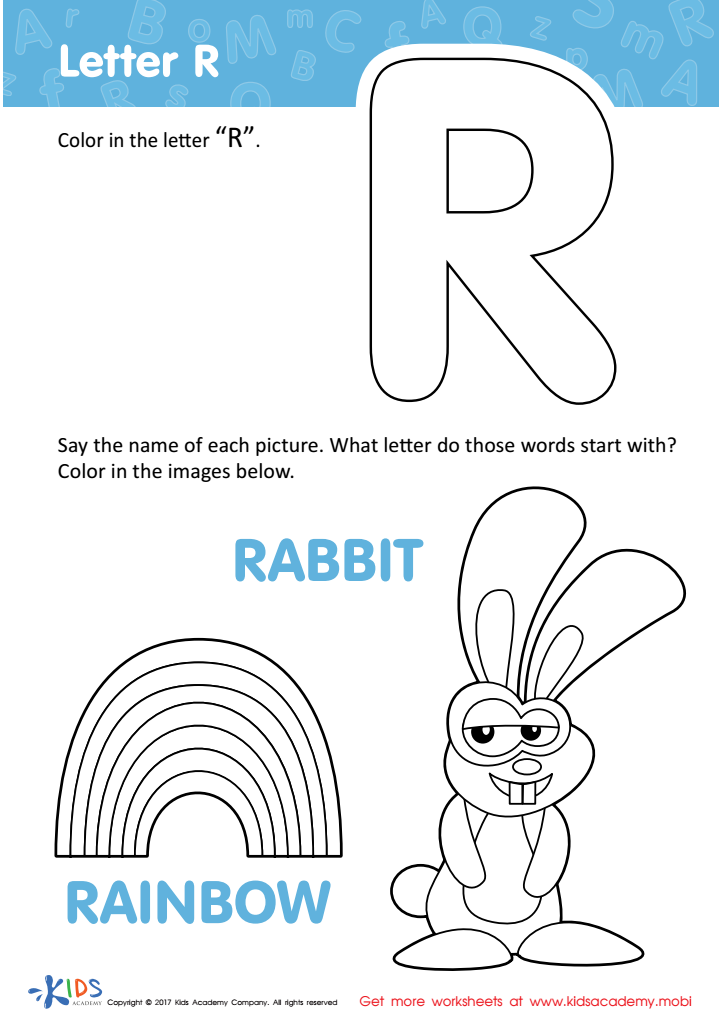
Letter R Coloring Sheet
 Assign to My Students
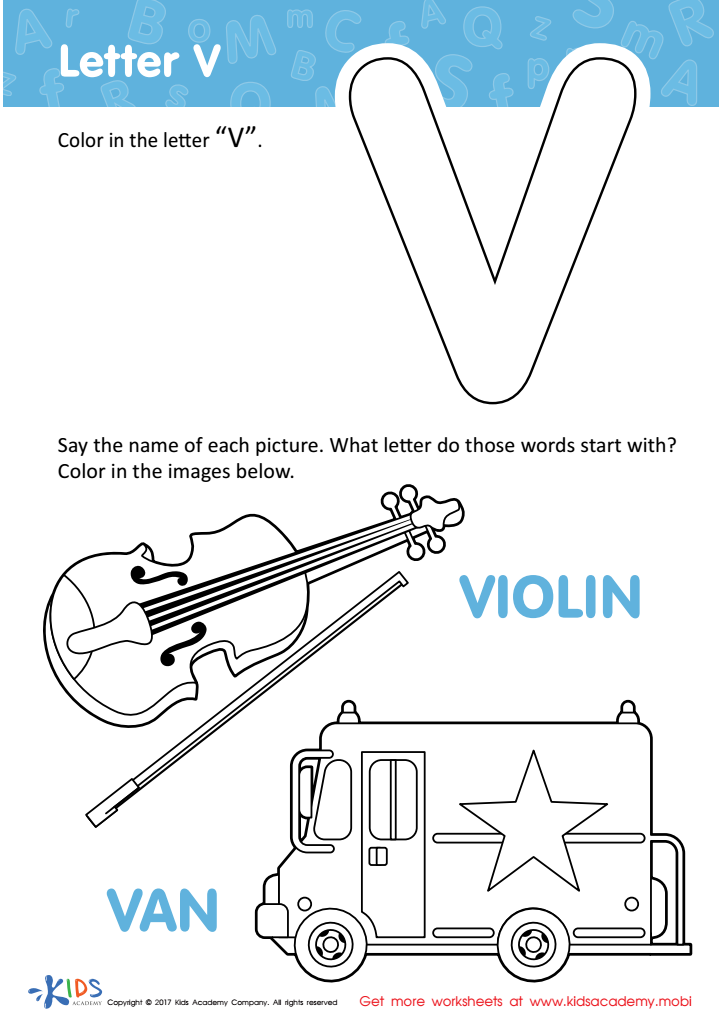
Letter V Coloring Sheet
Assign to My Students
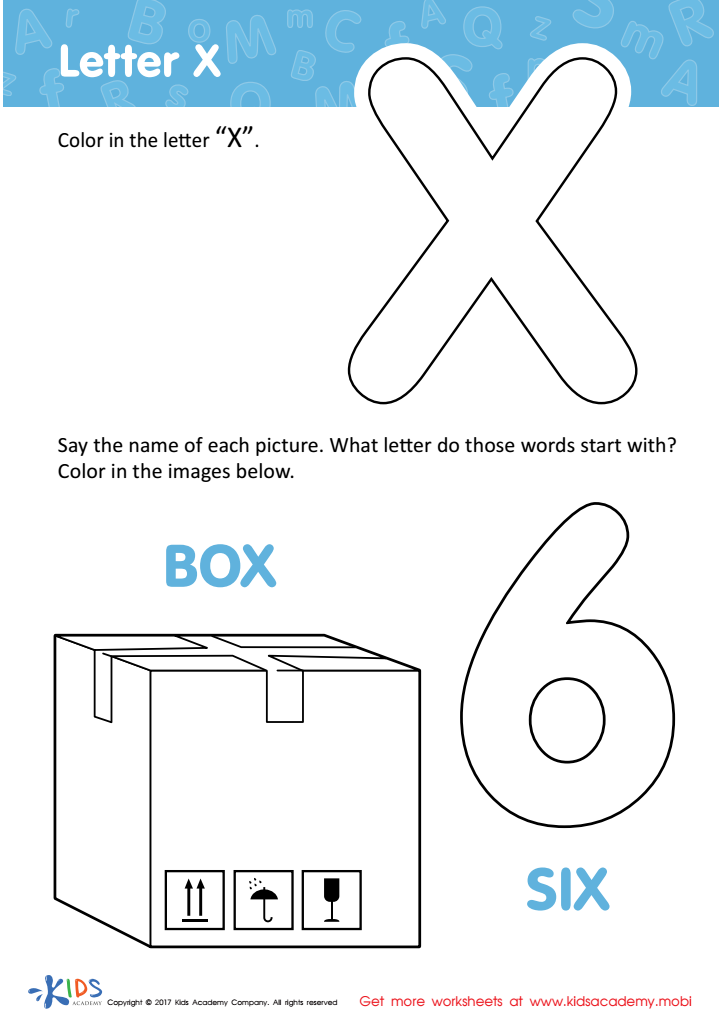
Letter X Coloring Sheet
Assign to My Students





Writing practice, particularly in letter recognition for Grade 3 students, is crucial for several reasons. First, mastering letter recognition lays the foundation for reading and writing skills. Children who are proficient in identifying letters may find it easier to decode words, facilitating reading fluency and comprehension. Furthermore, writing practice supports the development of fine motor skills. Through repeated writing exercises, children gain control over their handwriting, enhancing their ability to communicate effectively.
Additionally, letter recognition helps children to develop confidence in their literacy abilities. When parents and teachers focus on this practice, they guide students toward achieving academic benchmarks, paving the way for future success. Engaging in regular writing activities can also foster creativity, enabling children to express their thoughts and feelings more effectively.
Moreover, letter recognition skills are essential for building vocabulary and spelling strength. As young learners' familiarity with letters grows, so does their capacity to construct sentences, which is vital for academic growth. Ultimately, prioritizing writing practice in letter recognition not only enhances literacy skills but also nurtures a lifelong love for learning, making it an essential component of a child's educational journey. For these reasons, parents and teachers should actively support this critical area of skill development.