Critical Thinking Easy Grade 3 Worksheets
7 filtered results
Difficulty Level
Grade
Age
-
From - To
Subject
Activity
Standards
Discover our engaging Critical Thinking Easy Grade 3 Worksheets, specifically designed to inspire inquiry and enhance problem-solving skills among young learners! Tailored for third graders, these worksheets encourage students to think critically, analyze information, and develop reasoning abilities in a fun and interactive way. With a variety of activities, including puzzles, logic games, and thought-provoking questions, our resources help reinforce essential cognitive skills while maintaining an enjoyable learning experience. Perfect for both classroom use and at-home practice, these worksheets will ignite curiosity and encourage collaborative learning. Explore our collection today and watch your child flourish in their critical thinking journey!
Favorites
With answer key
Interactive
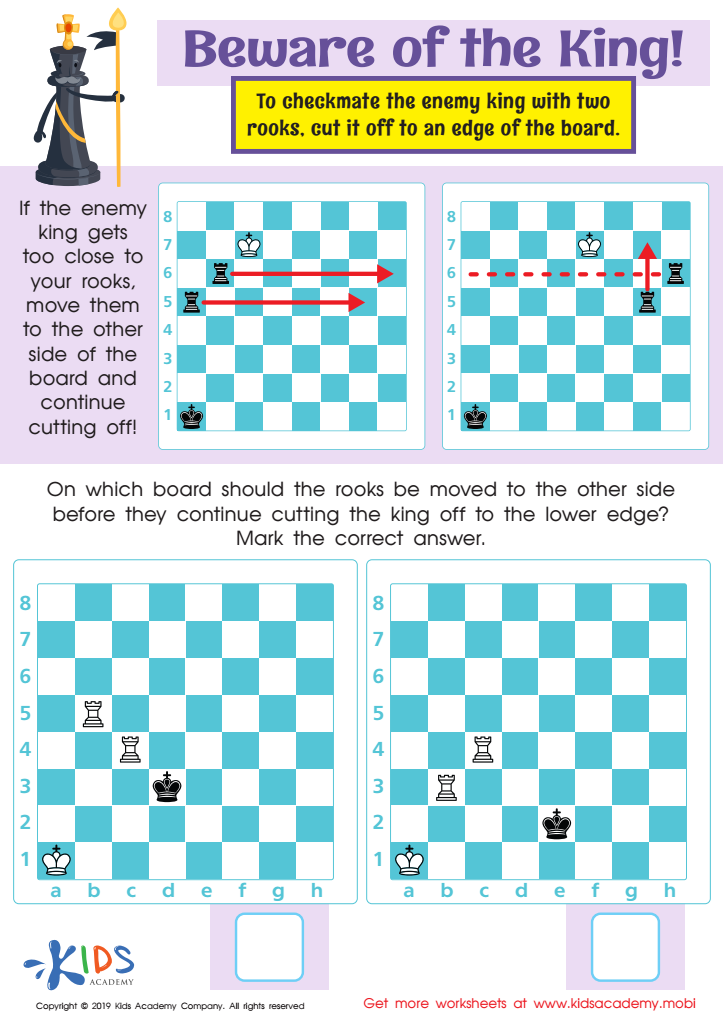
Beware of the King! Worksheet
Teach your child to play chess and gift them valuable skills like critical thinking, logic, and reasoning! This free PDF worksheet will teach them the Two Rook Mate strategy to checkmate an enemy king with two rooks. They'll learn how to keep the king away and move the rooks for checkmate. Have screen-free fun together!
Beware of the King! Worksheet
Worksheet
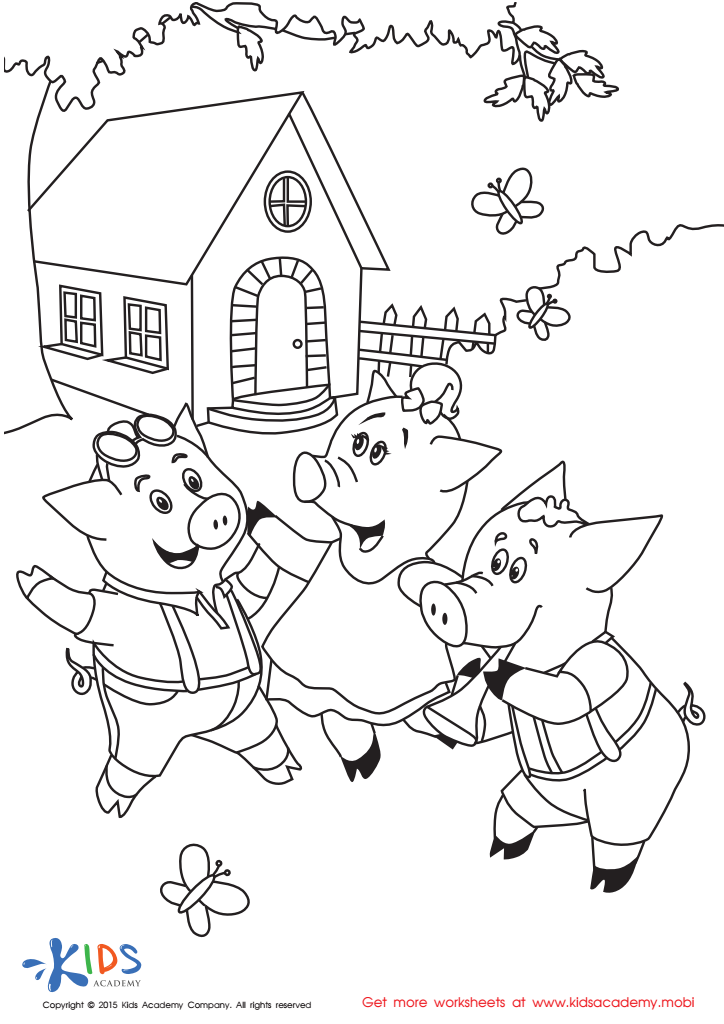
Folktales Printable PDF Worksheet: The 3 Little Pigs
Then, help your child to color the scene with pink piglets, blue sky and green grass. Make the brick house bright and vivid. Enjoy!
Download (PDF)
 Assign to My Students
Assign to My Students
Folktales Printable PDF Worksheet: The 3 Little Pigs
Worksheet
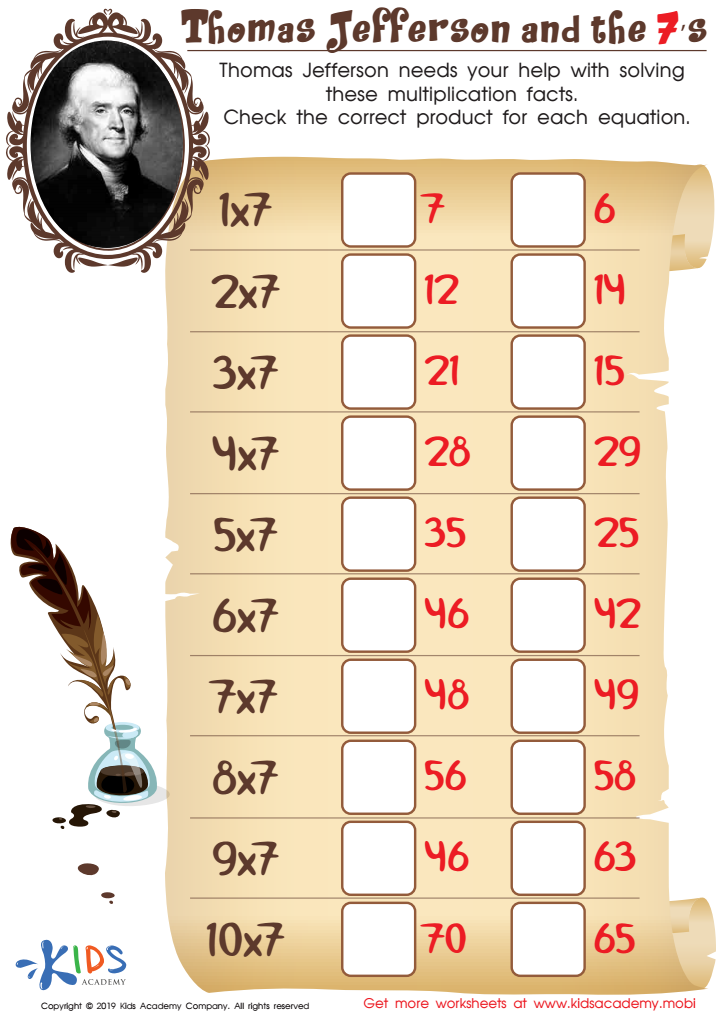
Thomas Jefferson and the 7’s Worksheet
Thomas Jefferson championed education and wants kids to know their times tables. Help your child with this worksheet focusing on 7's. Check the box for the correct answer for each multiplication problem. Make sure your child gets the facts right!
Thomas Jefferson and the 7’s Worksheet
Worksheet
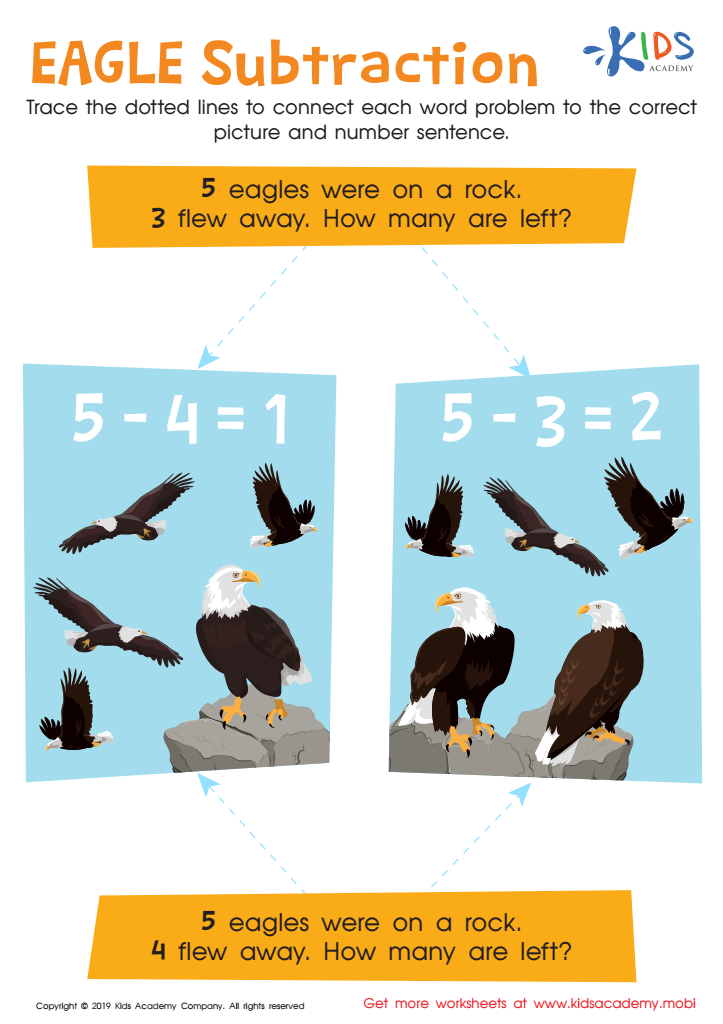
Eagle Subtraction Worksheet
Help your kids become math experts! Through practice and adult guidance, even addition and subtraction can seem simple. Show them how with this worksheet - get them to trace the dotted lines to connect each word problem to the correct picture and solve the number sentence with some eagles!
Eagle Subtraction Worksheet
Worksheet
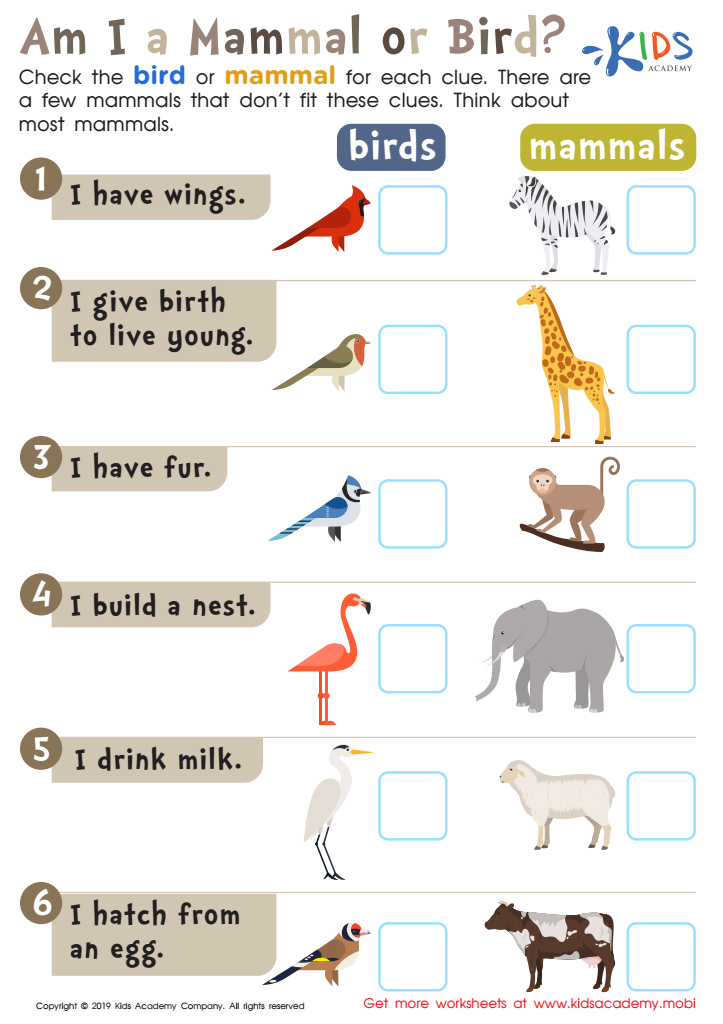
Am I a Mammal or Bird? Worksheet
We categorize animals into groups such as mammals, birds, reptiles, etc. This worksheet helps kids understand the difference between birds and mammals. Read through the clues and think about each one. Then decide if it describes a bird or mammal, check the box and complete!
Am I a Mammal or Bird? Worksheet
Worksheet
Join Kids Academy for Free
Who is primarily going to use this learning content?








Critical thinking skills are fundamental for young learners, especially in grade 3, as they shape how children approach problems, make decisions, and understand the world. For parents and teachers, fostering critical thinking in children at this age is essential because it encourages curiosity and empowers students to ask questions, analyze information, and develop logical reasoning.
At this developmental stage, children are transitioning from learning to read to reading to learn. By enhancing their critical thinking abilities, they can better interpret what they read, make connections between concepts, and evaluate the credibility of information sources. These skills not only enhance academic performance but also prepare children for real-life challenges where they must assess situations and make informed choices.
Moreover, promoting critical thinking helps nurture independence and confidence. When children learn to think critically, they become more adept at troubleshooting and solving problems, both academically and socially. This is vital for collaboration and teamwork, encouraging them to respect diverse perspectives.
In essence, prioritizing critical thinking in early education helps cultivate engaged, thoughtful learners who are prepared for success in school and beyond, making it an important focus for parents and teachers alike.