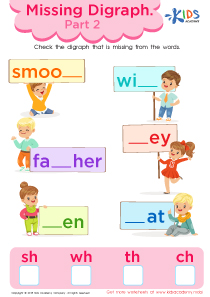
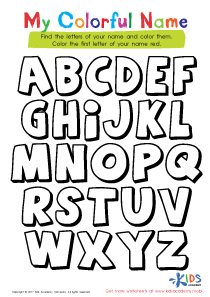
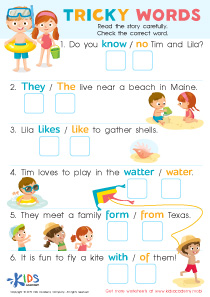
Letter recognition Grade 1 ABC Letters Worksheets - Page 2
26 filtered results
-
From - To

Letter D Tracing Page
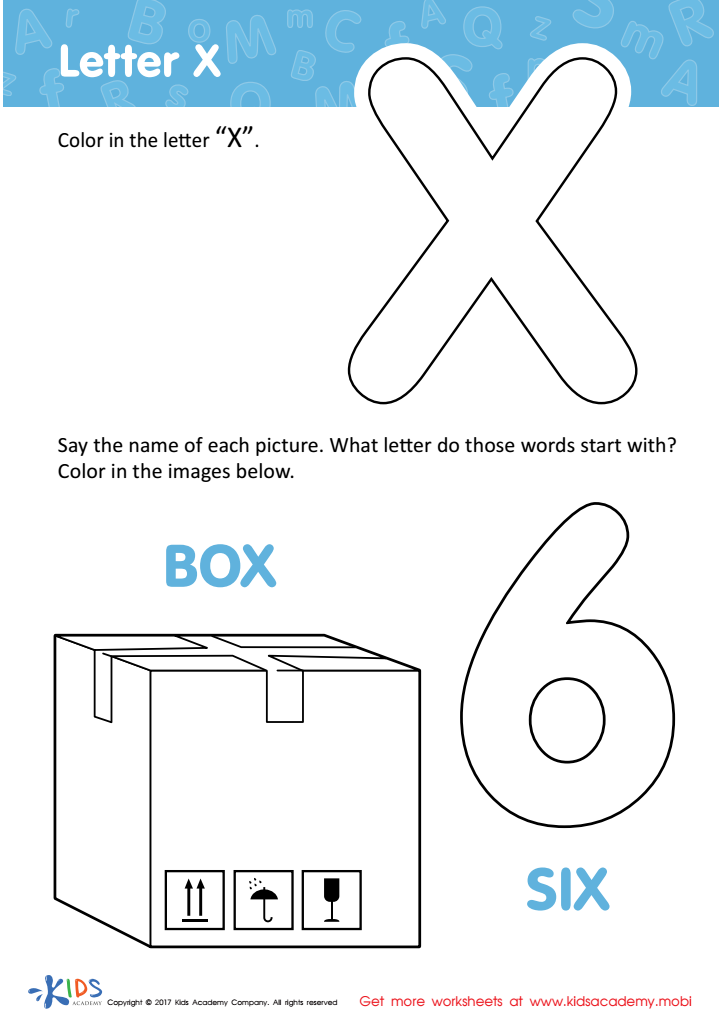
Letter X Coloring Sheet
 Assign to My Students



Letter recognition is a fundamental skill for first-grade students, serving as a cornerstone for their literacy development. Parents and teachers should care about this skill because it is critical for early reading and writing success. Recognizing letters helps children understand that letters represent sounds, forming the basis for phonics instruction—an essential component of reading fluency.
When children can identify and differentiate between letters, they become more confident in their ability to decode unfamiliar words and spell correctly, enhancing their overall communication skills. Furthermore, letter recognition contributes to a child's academic success across subjects, as literacy is integral to effective learning.
Promoting letter recognition also fosters a love for reading from an early age. Engaging activities such as letter games, rhymes, and flashcards can make learning enjoyable. Encouraging practice at home and in the classroom ensures that children build a strong foundation in literacy.
Ultimately, letter recognition empowers children, equips them for future academic challenges, and lays the groundwork for lifelong learning. By prioritizing this skill, parents and teachers can significantly impact a child's educational journey and help create confident, capable readers.