Color Identification Grade 1 Alphabet Worksheets
3 filtered results
-
From - To
Introducing our Color Identification Grade 1 Alphabet Worksheets, designed to enhance early literacy and color recognition skills in young learners. These engaging worksheets provide a fun and interactive way for first graders to connect letters of the alphabet with vibrant colors. Each activity encourages students to identify colors, trace letters, and complete creative exercises that promote visual learning. Ideal for both classroom settings and at-home practice, these worksheets make learning enjoyable while building essential foundational skills. Perfect for teachers and parents alike, empower your child’s educational journey with these colorful and engaging alphabet worksheets!
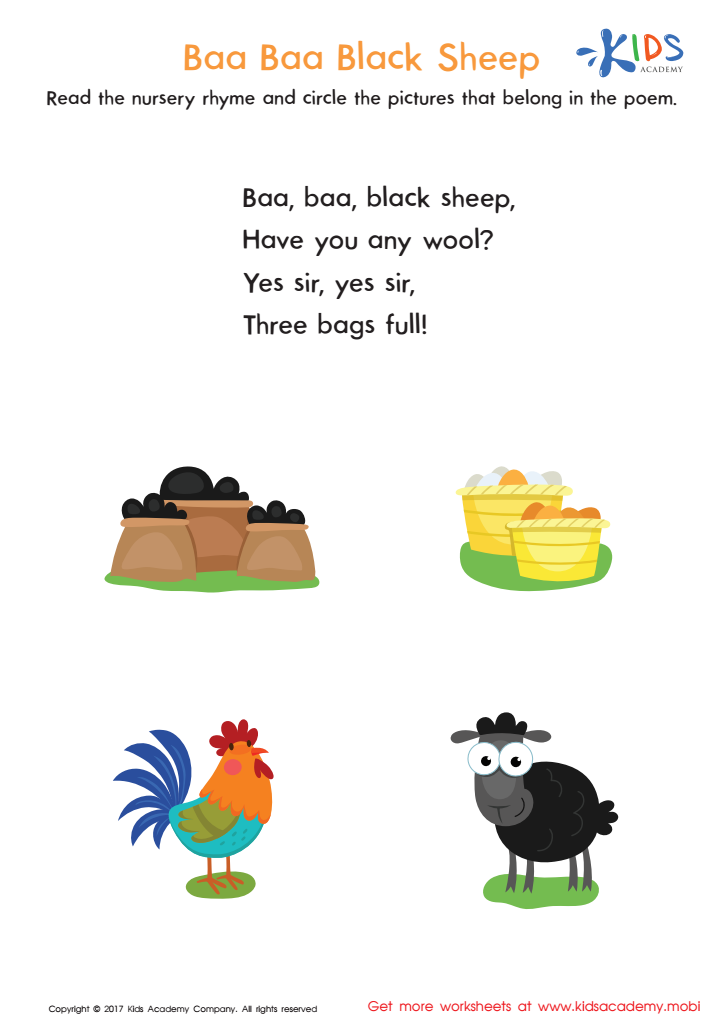
Baa Baa Black Sheep Printable
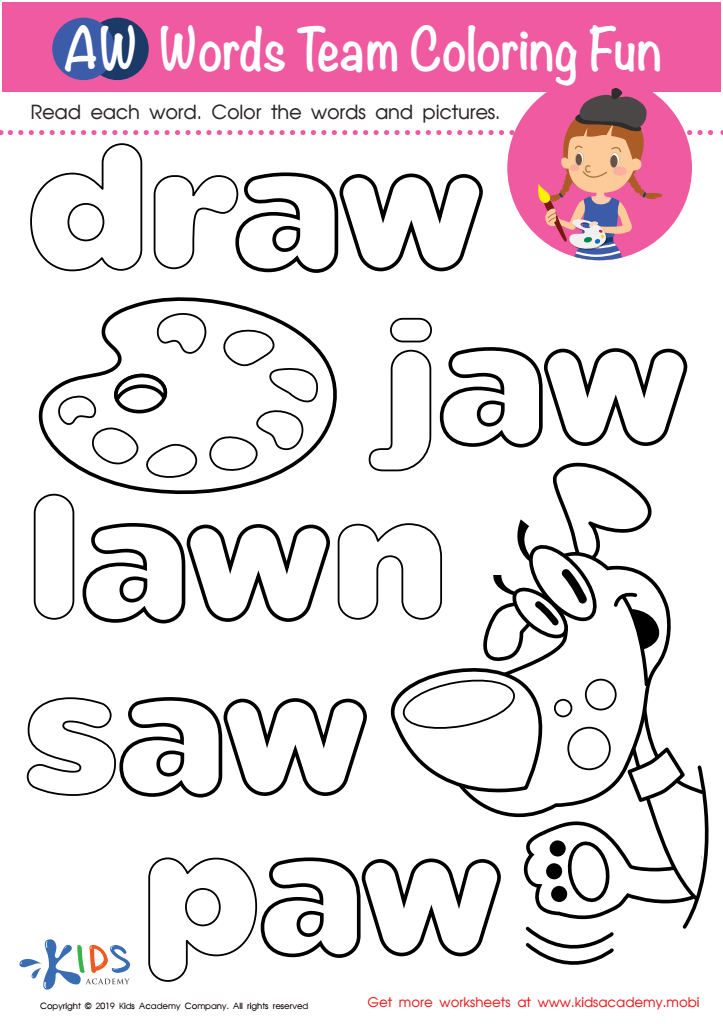
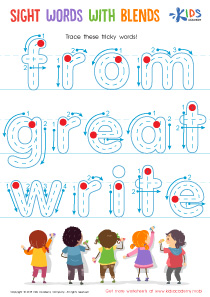
AW Words Team Coloring Fun Worksheet
 Assign to My Students
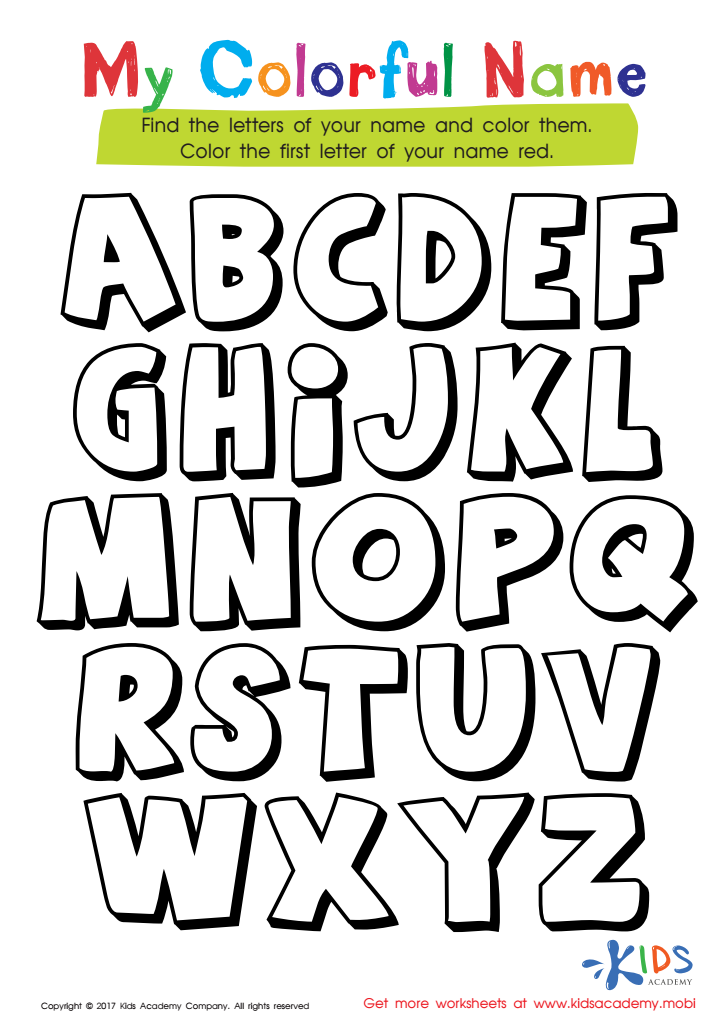
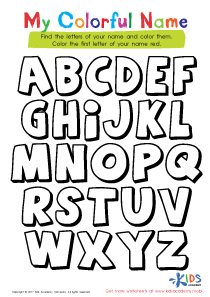
My Colorful Name Worksheet
Assign to My Students








Color identification is a vital skill for children in Grade 1, particularly when it is integrated with learning the alphabet. For parents and teachers, understanding its importance can significantly enhance a child's educational journey.
Firstly, associating colors with letters helps to capture children's attention and imagination, fostering an engaging learning environment. This multisensory approach aids memory retention—children are more likely to remember letters if they can visualize and relate them to specific colors.
Furthermore, color identification cultivates fine motor skills and hand-eye coordination when children interact with colorful alphabet materials such as flashcards or blocks, enhancing their overall developmental skills.
For teachers, integrating color with the alphabet offers opportunities for creative lesson plans. Activities like color-based alphabet art projects not only help children recognize letters but also encourage self-expression and critical thinking. Parents can reinforce this learning at home, turning everyday fun into valuable educational moments.
Understanding this connection is more than just recognizing letters and colors; it nurtures a comprehensive approach to literacy. For children, these foundational skills are crucial as they develop confidence and enthusiasm for reading, which sets the stage for lifelong learning. Thus, both parents and teachers play an essential role in supporting this early education milestone.