Phonics practice Grade 1 Alphabet Worksheets
6 filtered results
-
From - To
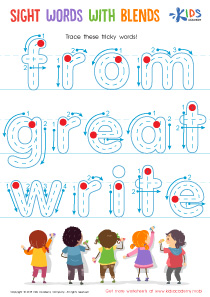
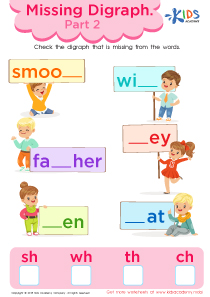
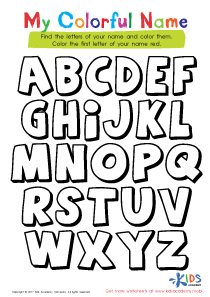
Welcome to our Phonics Practice Grade 1 Alphabet Worksheets! Designed specifically for first graders, these engaging worksheets enhance phonetic skills and help young learners familiarize themselves with letters and sounds. Each worksheet offers a variety of fun activities that build crucial reading and writing foundations. From letter tracing to sound association tasks, children will enjoy practicing their phonics in a hands-on way. Perfect for classroom use or at-home practice, our resources support early literacy development and stimulate a love for reading. Download our Phonics Practice worksheets today and watch your child's confidence and skills soar!
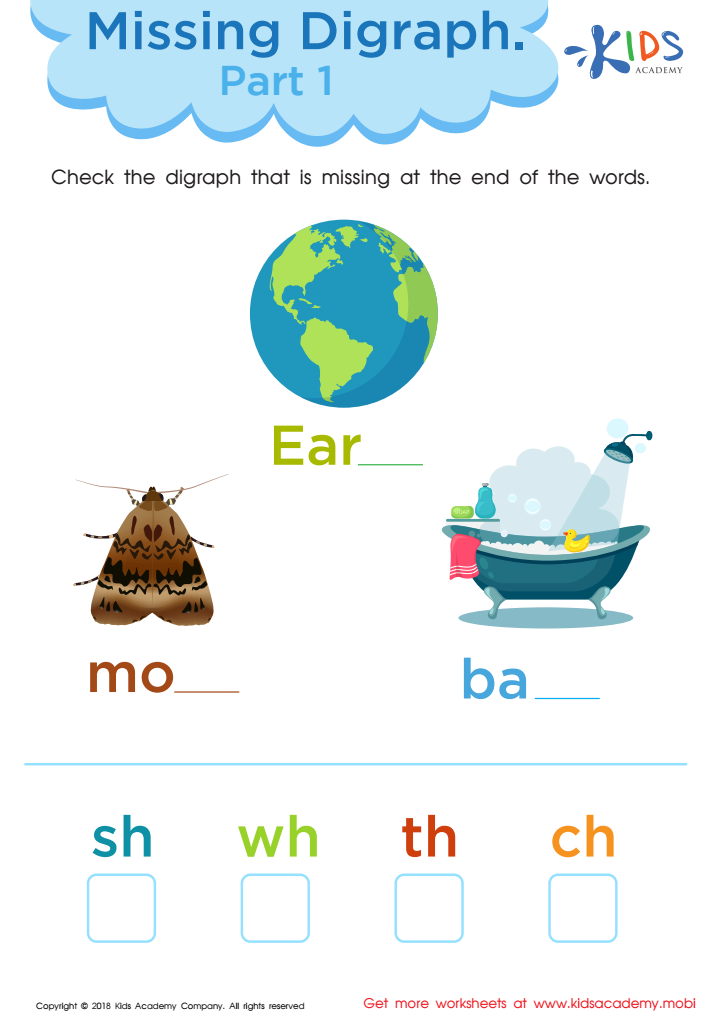
Missing Digraph: Part 1 Worksheet
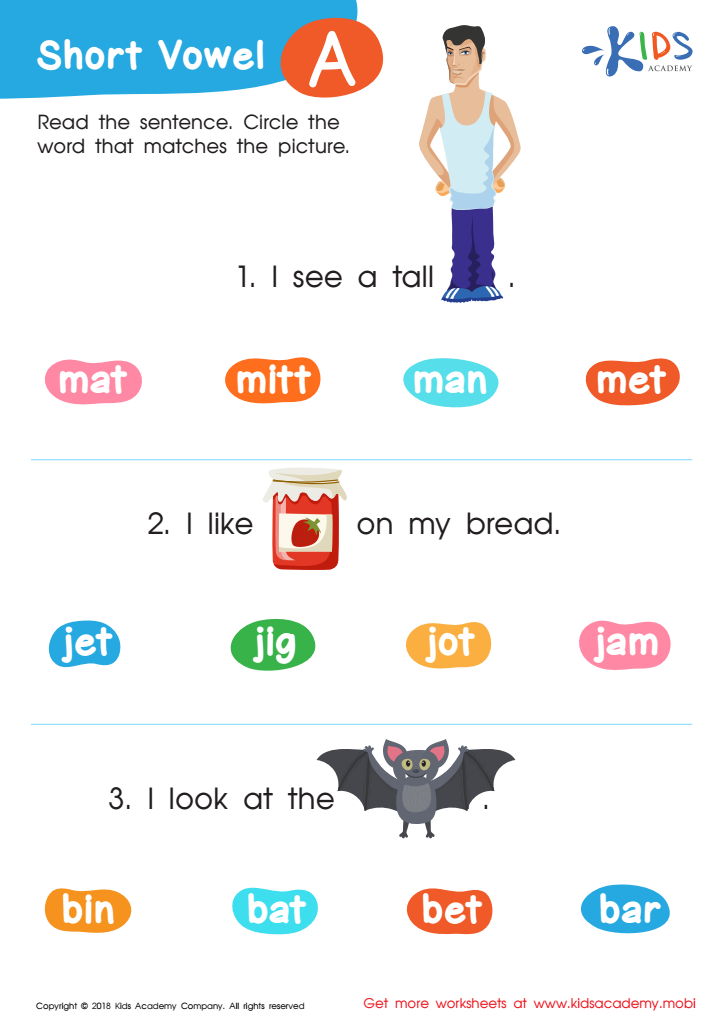
Short Vowel /a/ Worksheet
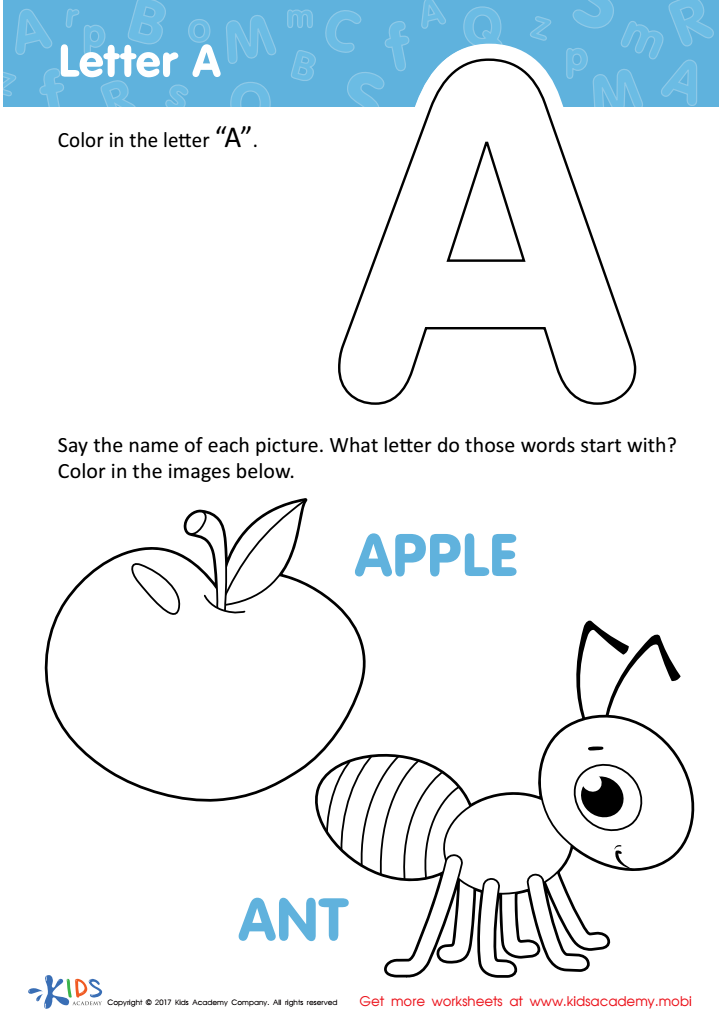
Letter A Coloring Sheet
 Assign to My Students
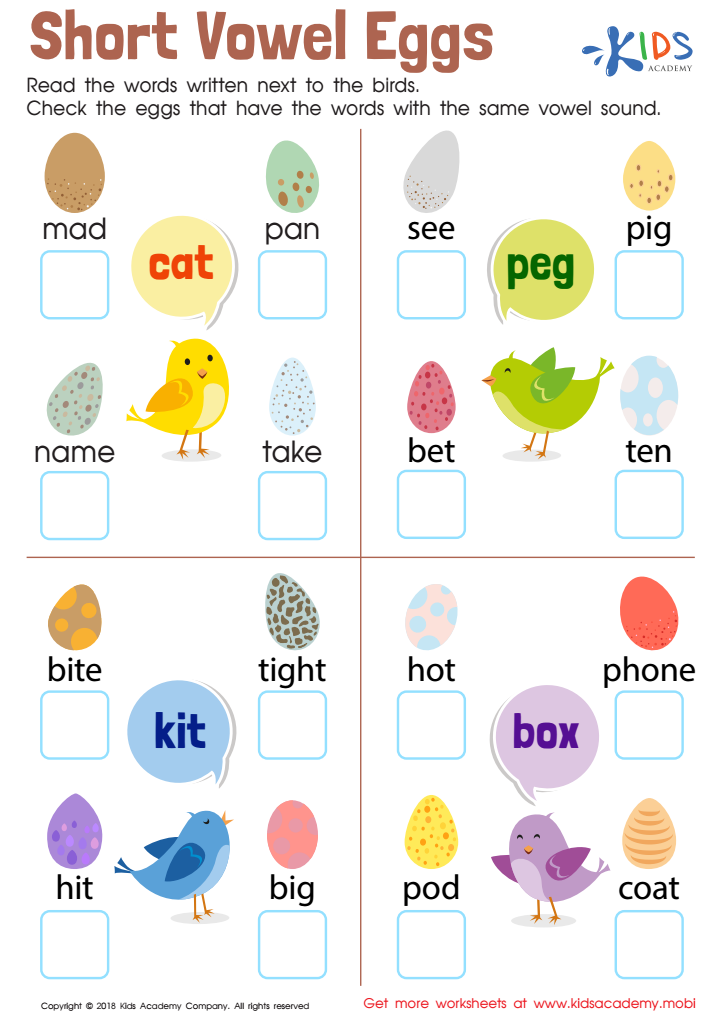
Short Vowel Eggs Worksheet
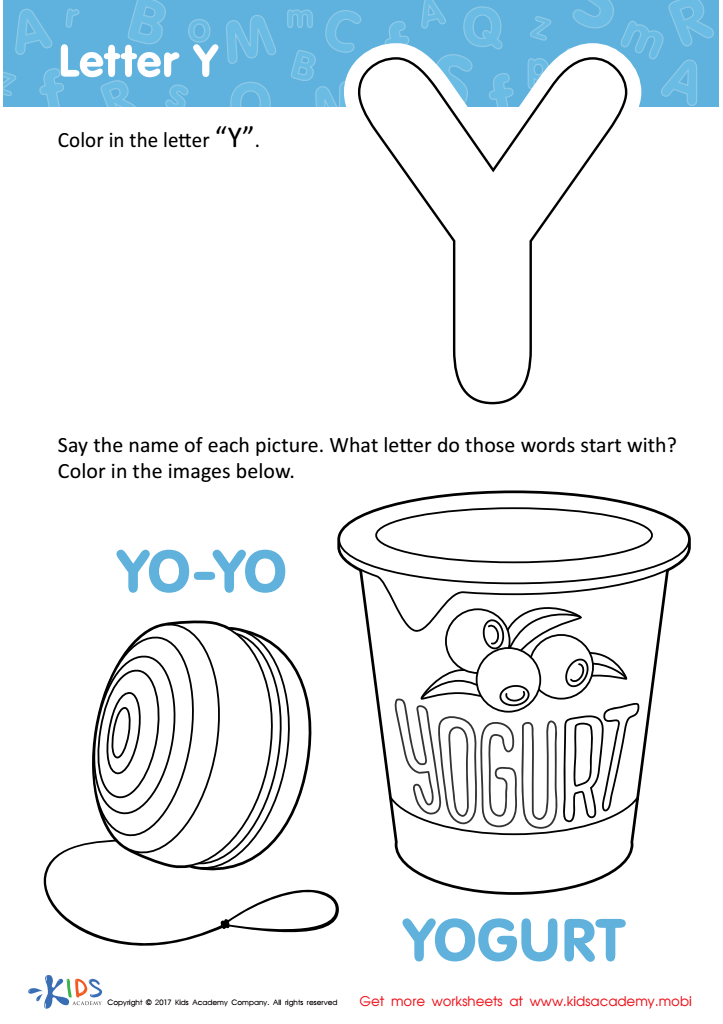
Letter Y Coloring Sheet
Assign to My Students
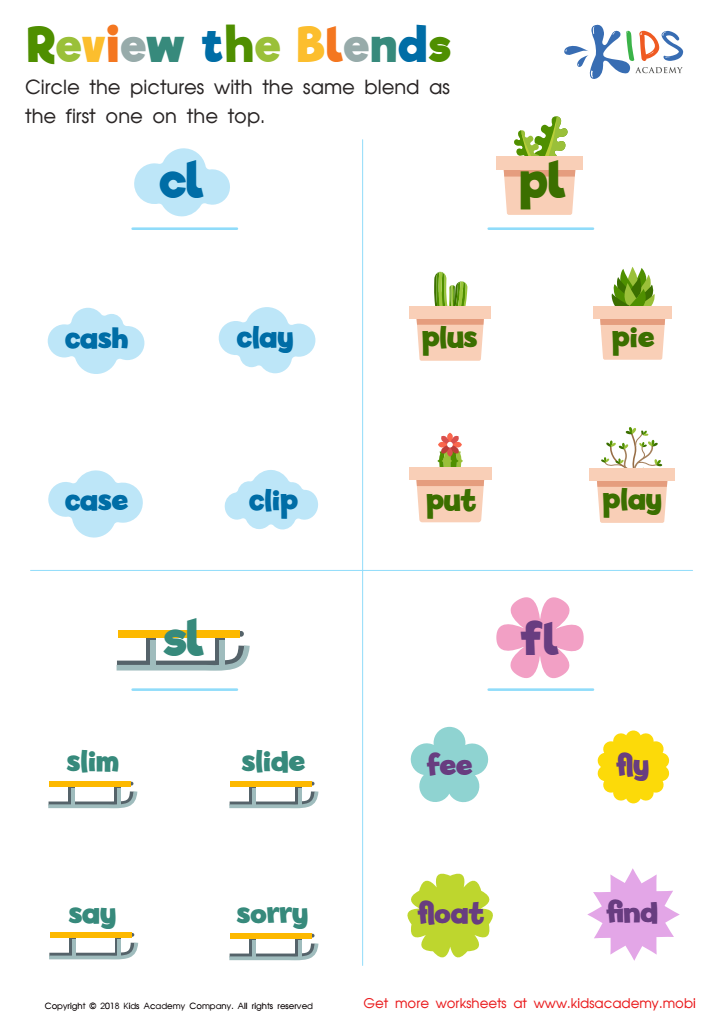
Review the Blends Worksheet








Phonics practice in Grade 1 is crucial for early literacy development, as it lays the foundation for reading and writing skills. Understanding letter-sound relationships enables children to decode unfamiliar words, fostering confidence and independence as they tackle new texts. When students grasp phonics, they improve their reading fluency, which contributes to better comprehension and engagement with stories and information.
Parents and teachers should prioritize phonics in Grade 1 because children learn best through structured, systematic instruction. Consistent practice helps children recognize patterns, rhyme, and spelling, all of which are essential for effective communication. Additionally, early mastery of phonics creates a solid groundwork for future literacy skills, preventing challenges that could arise in later grades.
Moreover, phonics can enhance a child's self-esteem as they see improvement in their reading abilities, ultimately motivating them to read more. Conversely, neglecting phonics may lead to frustration and a dislike for reading. Therefore, involving parents and educators in phonics practice is essential—not only to improve academic performance but also to cultivate a lifelong love of reading and learning. Collaborative efforts can make a significant difference in a child's educational journey and overall development.