Phonics recognition Grade 1 Alphabet Worksheets
5 filtered results
-
From - To
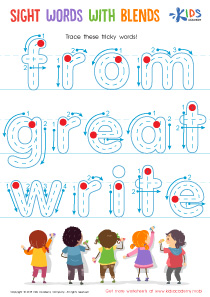
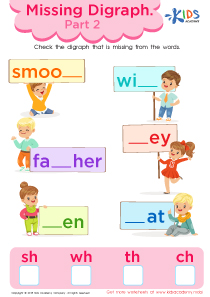
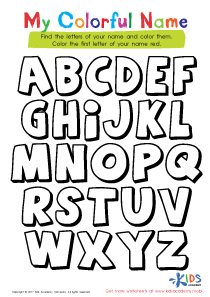
Introducing our "Phonics Recognition Grade 1 Alphabet Worksheets" - a crucial tool for young learners to master the basics of reading and writing. Designed specifically for first graders, these engaging and educational worksheets encompass a range of activities to promote phonics skills. With vibrant illustrations and fun exercises, children can practice identifying, sounding out, and writing letters. Our worksheets ensure kids build a strong foundation in phonics, aiding their overall literacy development. Perfect for parents and teachers, these printable worksheets make learning the alphabet an exciting adventure. Help your first grader excel in phonics with our expertly crafted resources.
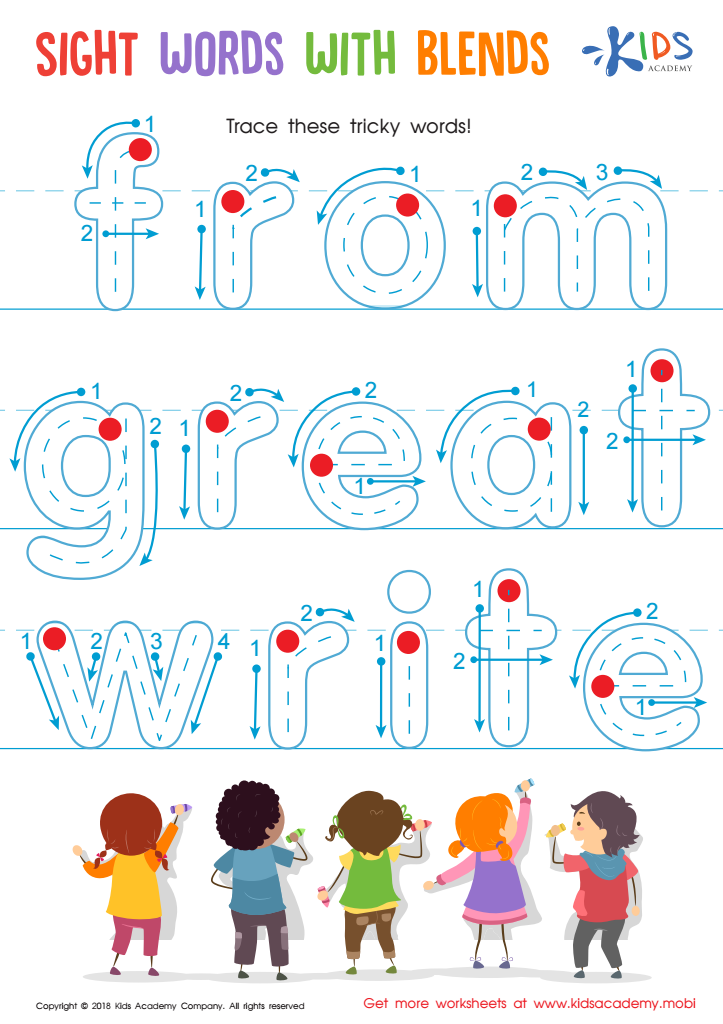
Sight Words with Blends Worksheet
 Assign to My Students
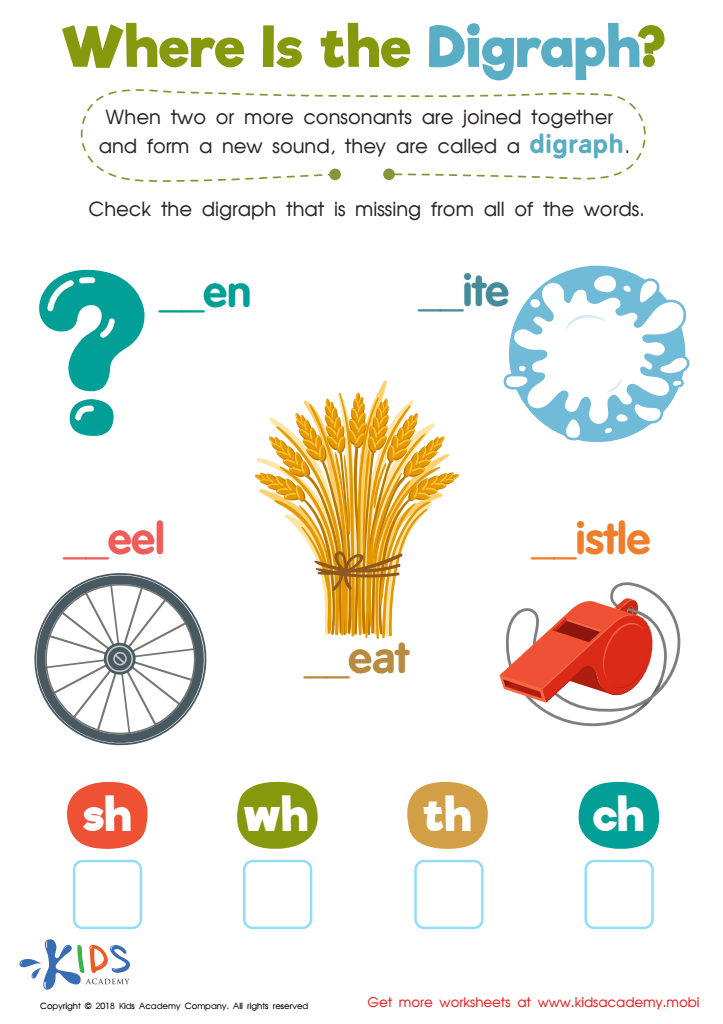
Where Is the Digraph? Worksheet
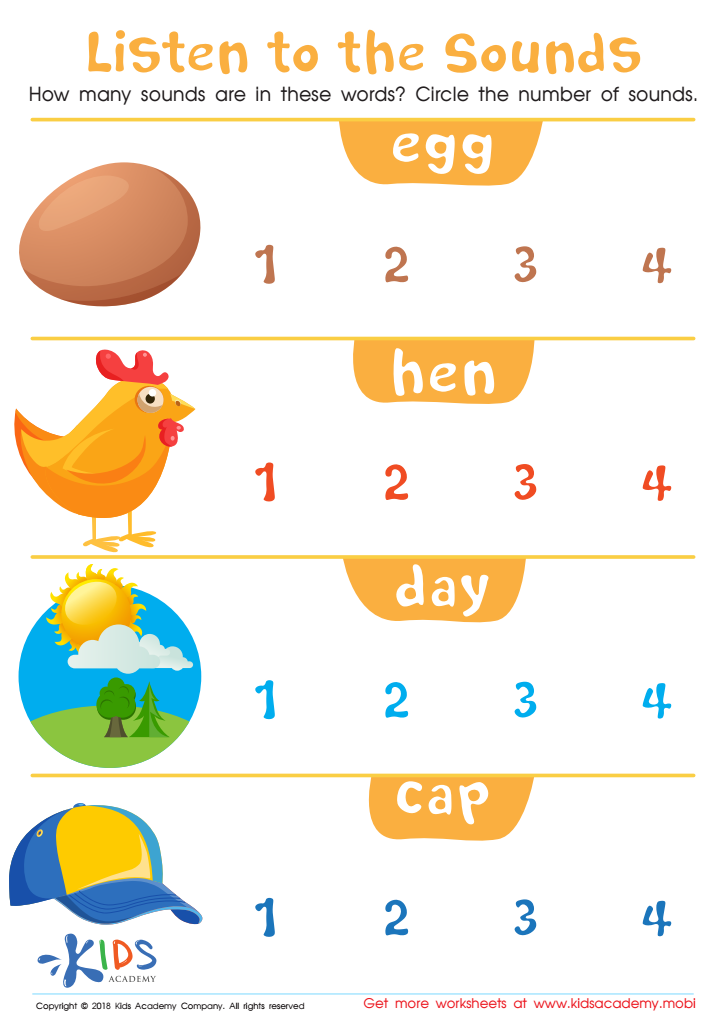
Listen to the Sounds Worksheet
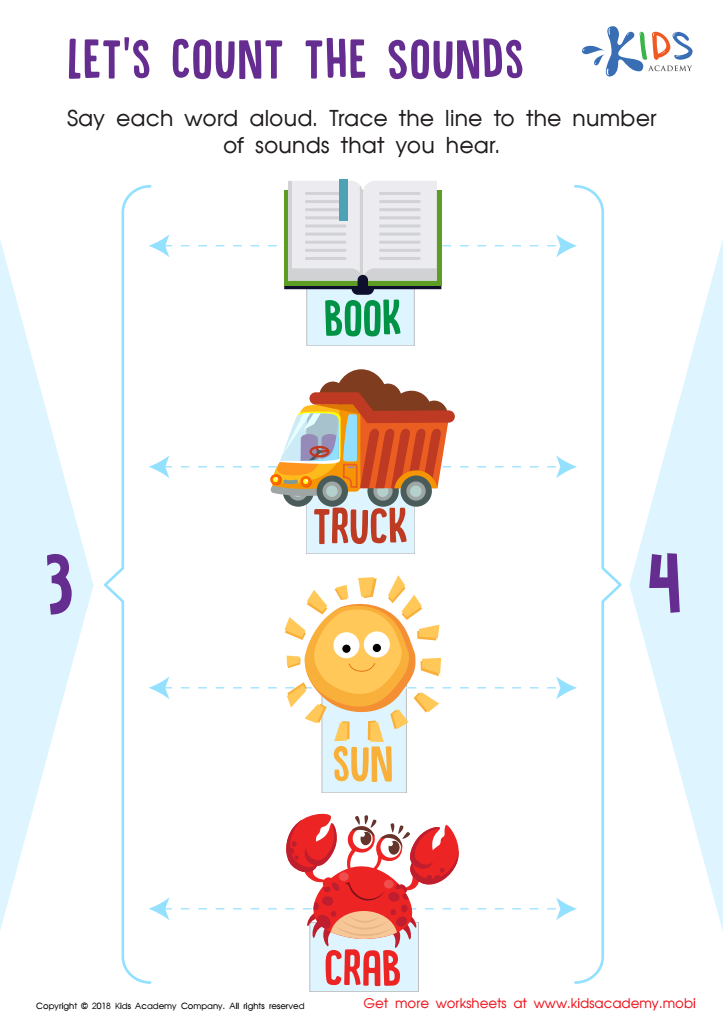
Let's Count the Sounds Worksheet
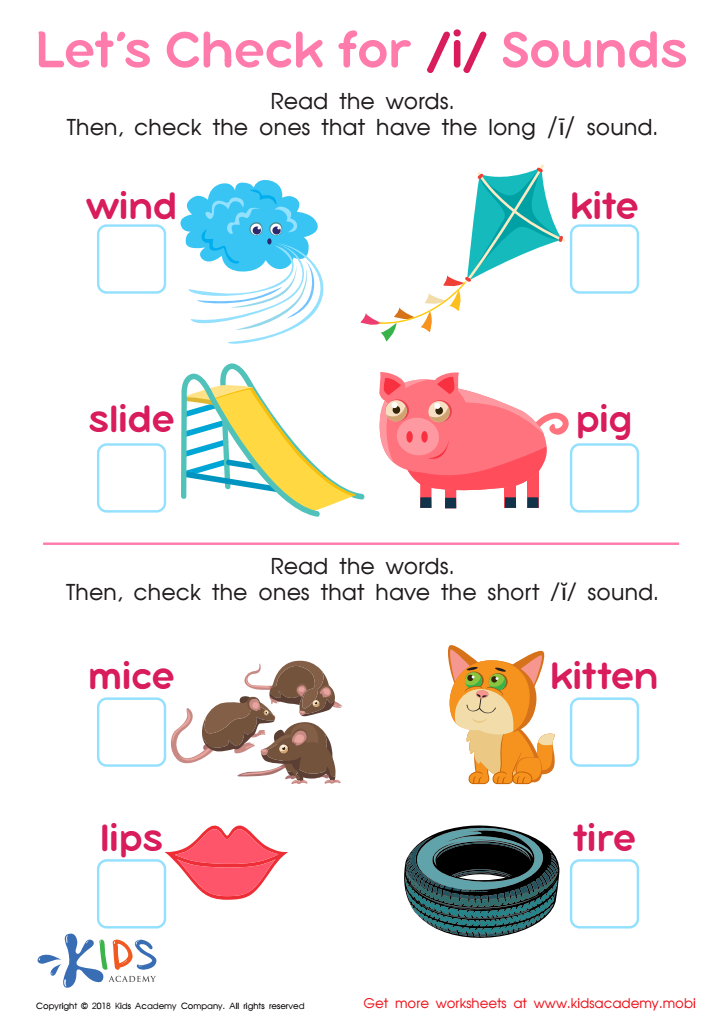
Let's Check for «i» Sounds Worksheet








Phonics recognition in Grade 1 is crucial because it lays the foundation for a child’s reading and writing skills, which are essential for all future learning. For parents and teachers, understanding the importance of phonics helps in guiding young learners effectively. Phonics, which focuses on the relationship between sounds and their corresponding letters or letter groups, enables children to decode words, making reading less daunting and more intuitive.
At this developmental stage, children must grasp the alphabet sounds and how they combine to form words. This knowledge boosts their confidence, improves spelling, and enhances reading fluency. Without a strong phonological base, students might struggle with word recognition, leading to difficulties in comprehension and reduced academic achievement. Early mastery of phonics also promotes a love of reading by eliminating the frustration that often accompanies initial literacy learning.
For teachers, incorporating engaging phonics activities can help captivate students' interest, making learning fun and effective. For parents, supporting phonics learning at home reinforces what’s taught in school, building a cohesive learning environment. Ensuring students attain phonics proficiency in Grade 1 sets them on a path to becoming successful, enthusiastic readers and lifelong learners. Thus, commitment to phonics education at this critical juncture benefits children’s educational journeys profoundly.