Fine Motor Skills Grade 1 Letter T Worksheets
3 filtered results
-
From - To
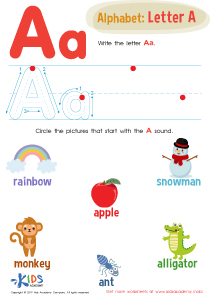
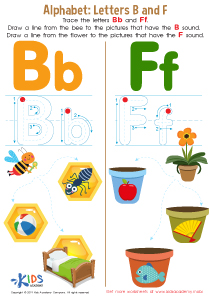
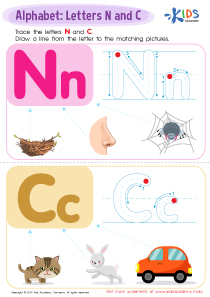
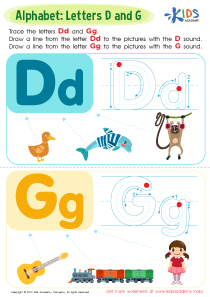
Engage your first graders in developing their fine motor skills with our captivating "Fine Motor Skills Grade 1 Letter T Worksheets." These meticulously designed worksheets from Kids Academy are perfect for young learners to practice tracing, writing, and identifying the letter T through entertaining activities. Each sheet incorporates thinking skills exercises that promote fine motor coordination essential for writing mastery. With diverse and age-appropriate tasks, these worksheets provide a fun, educational, and interactive way for children to strengthen their handwriting abilities while building foundational literacy skills. Explore our comprehensive resources to enhance your child’s learning journey effectively!
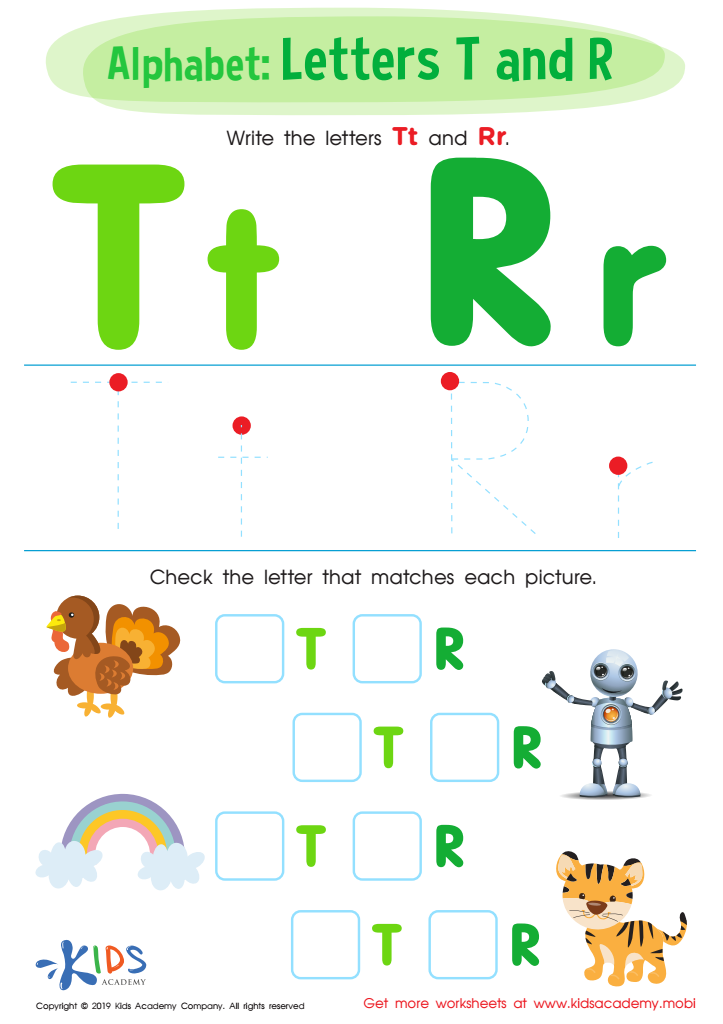
Letters T and R Worksheet
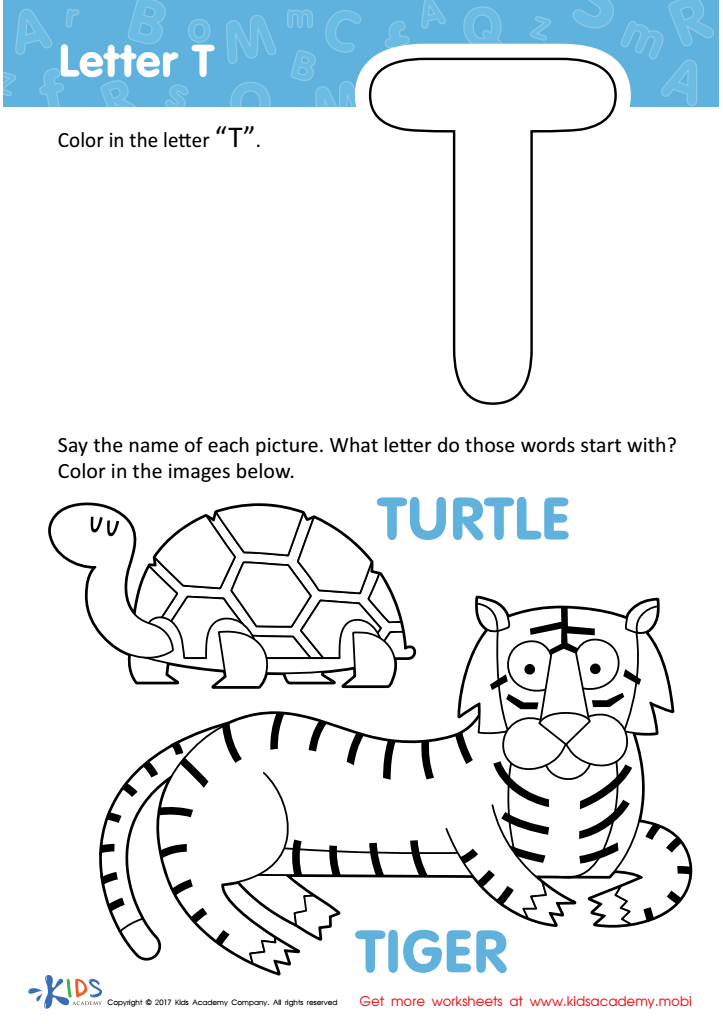
Letter T Coloring Sheet
 Assign to My Students
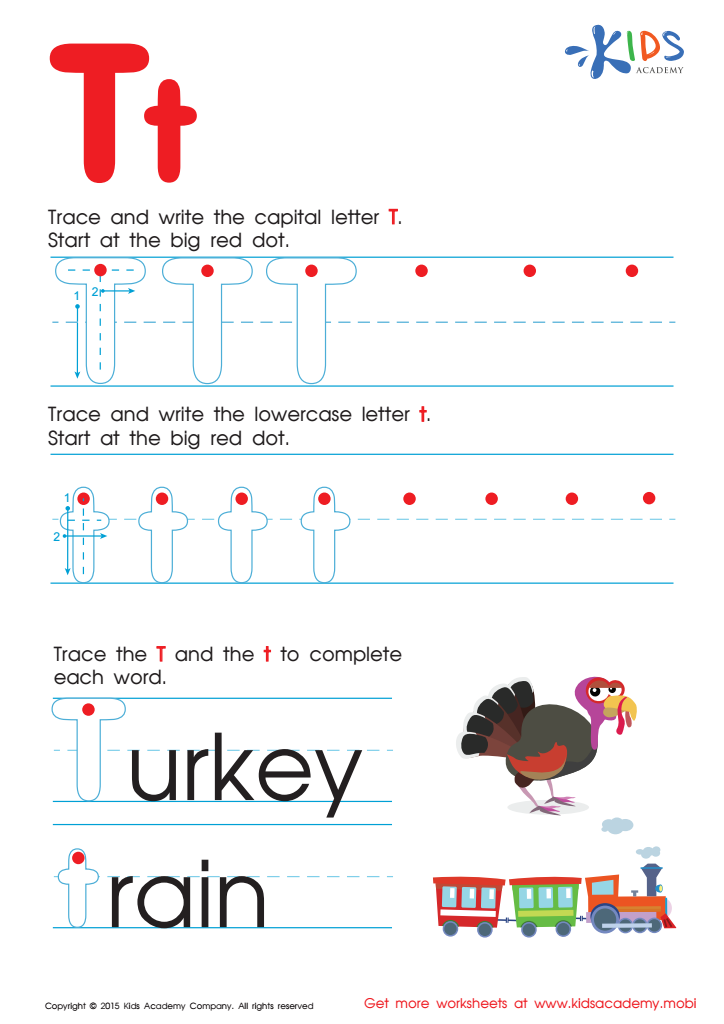
Letter T Tracing Page






Fine motor skills are essential for first graders as they significantly impact their ability to perform everyday tasks and develop key academic skills. One fundamental example is writing the letter "T." Mastering this simple activity involves hand-eye coordination, precise muscle movements, and control, which are all crucial components of fine motor skills development.
From an academic standpoint, being able to write letters clearly and efficiently can boost children’s confidence and independence in their schoolwork. It promotes legibility in their handwriting, which is vital for communication. Well-developed fine motor skills also facilitate other critical activities such as cutting with scissors, coloring within lines, and manipulating small objects like buttons and zippers, contributing to their overall self-sufficiency.
Furthermore, honing fine motor skills through tasks like writing helps in cognitive development. Tasks that require precision engage children's problem-solving abilities and improve their attention to detail. This can bolster their performance across various subjects, aiding in early stages of learning mathematics and scientific concepts that rely on precise manipulation and control.
Overall, parents and teachers play an important role in nurturing these skills, ensuring that students are equipped both for practical everyday functions and higher-level academic tasks. Encouraging practice and providing appropriate tools and activities make learning effective and enjoyable, supporting holistic child development.