Letter formation Grade 1 Tracing Letters Worksheets
3 filtered results
-
From - To
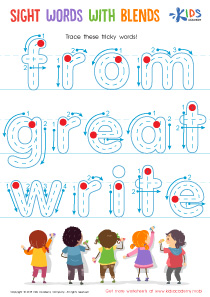
Unlock your child's writing potential with our "Letter Formation Grade 1 Tracing Letters Worksheets." Designed specifically for first graders, these engaging worksheets focus on developing proper letter formation skills essential for future writing success. Each worksheet provides clear, step-by-step tracing instructions, allowing students to practice uppercase and lowercase letters in a fun and interactive manner. Our resources are perfect for reinforcing classroom learning and can be easily printed for at-home practice. Help your child build confidence and proficiency in handwriting with these thoughtfully crafted worksheets that make letter formation enjoyable and stress-free. Start their writing journey with us today!

Letter A Tracing Page
 Assign to My Students

Letter P Tracing Page
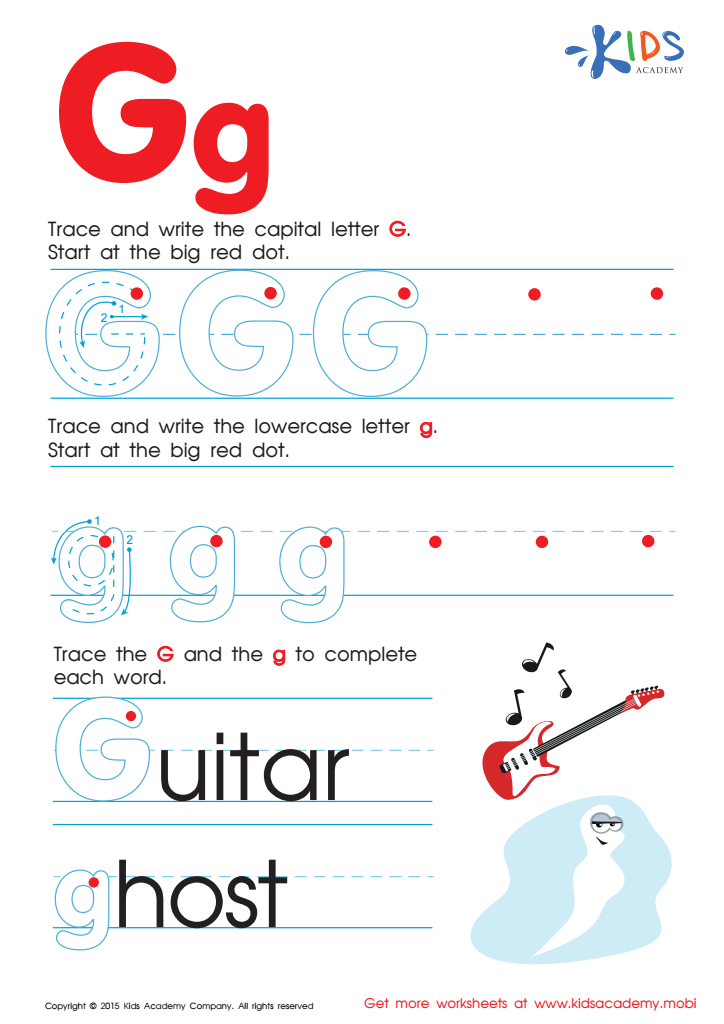
Letter G Tracing Page




Letter formation in Grade 1 is a crucial step in developing strong foundational writing skills, and both parents and teachers play a vital role in this process. First and foremost, proper letter formation improves legibility. When children learn to trace letters correctly, they establish motor memory that will enable them to write clearly and efficiently as they progress through their education. This clarity not only helps them communicate their ideas effectively but also boosts their confidence.
Additionally, mastering letter formation lays the groundwork for spelling and reading. When students understand the shape and structure of letters, they can better recognize words and sounds, leading to improved literacy skills. Furthermore, tracing letters helps develop fine motor skills, promoting coordination and dexterity that are essential for many everyday tasks.
Parents can reinforce what children learn in school through practices at home, such as engaging in fun tracing activities or making them a part of daily routines. Teachers can provide structured exercises, praise, and encouragement, creating a nurturing environment essential for learning. Ultimately, paying attention to letter formation ensures children are not just prepared for future writing but also excited to express themselves creatively and effectively.