Letter recognition Grade 1 Tracing Letters Worksheets - Page 2
26 filtered results
-
From - To
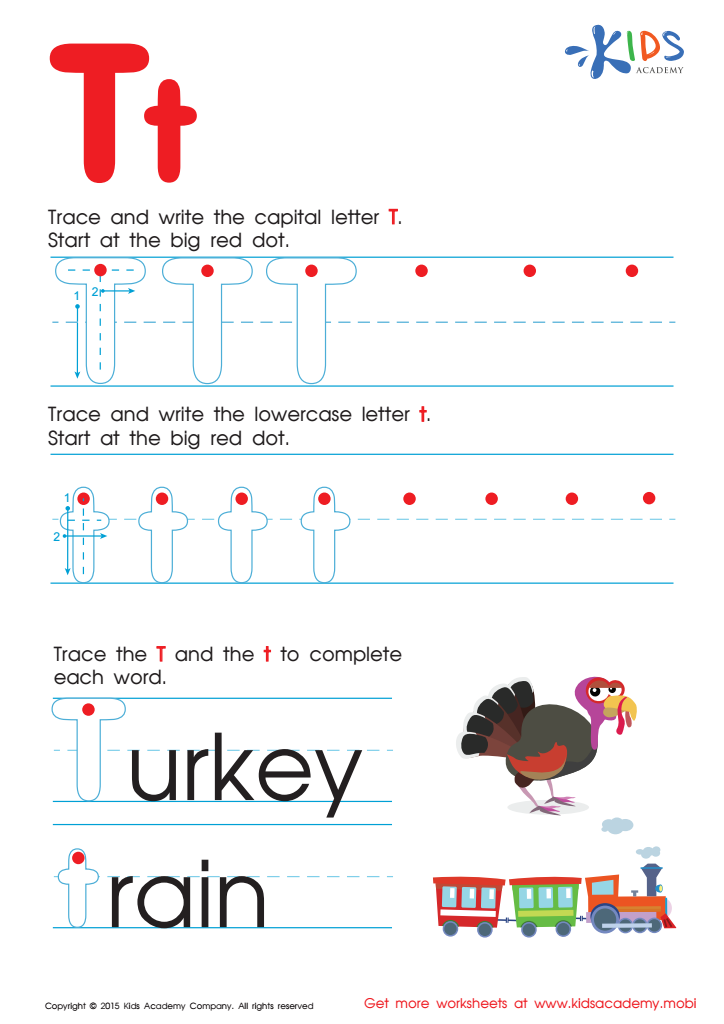
Letter T Tracing Page
 Assign to My Students
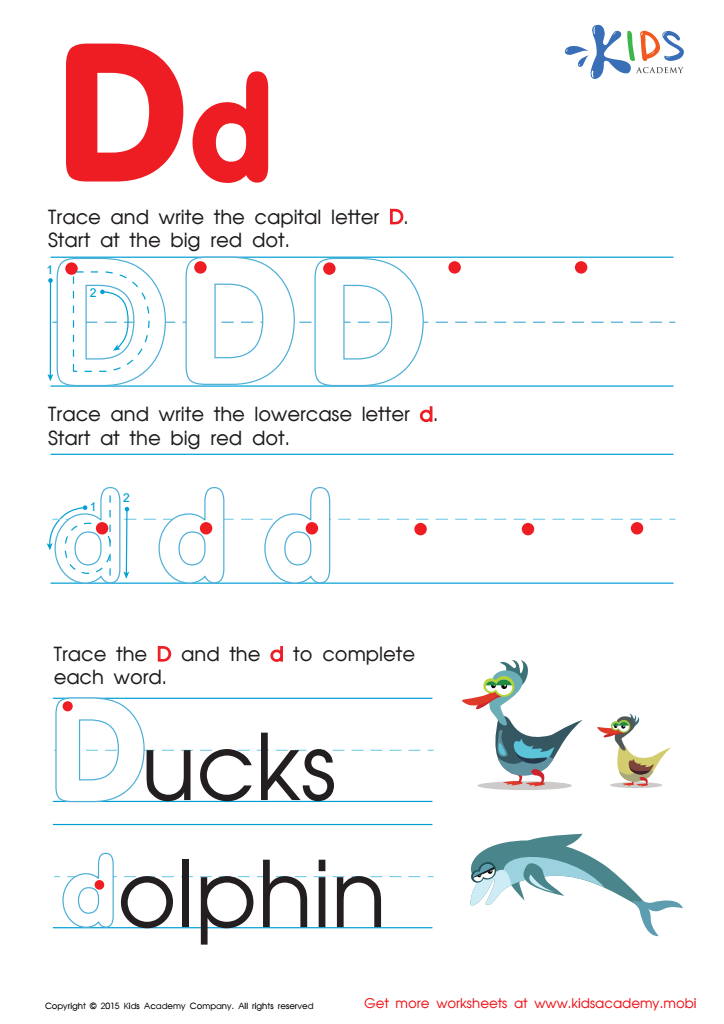
Letter D Tracing Page




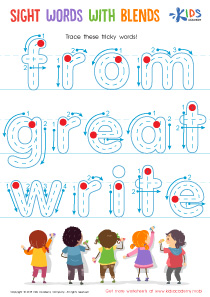
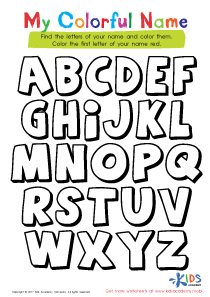
Letter recognition and tracing activities in Grade 1 build the foundational skills necessary for literacy development. When children first learn to recognize and trace letters, they develop key skills such as fine motor coordination, visual memory, and spatial awareness. These skills are critical for writing fluency and overall academic success.
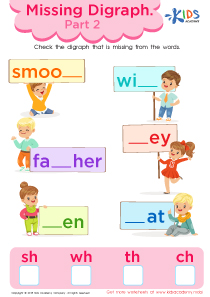
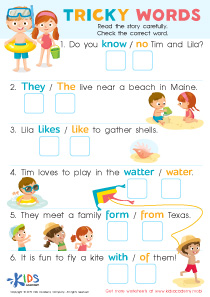
Understanding letter shapes and sounds paves the way for reading comprehension. If children can't recognize letters or distinguish between their shapes and sounds, decoding words and forming sentences becomes exceedingly challenging. Early proficiency in these areas also boosts a child's confidence and interest in reading and writing activities, which are crucial as they progress through school.
Additionally, these activities engage multiple types of learning modalities including visual (seeing the letters), kinesthetic (tracing), and auditory (hearing the letter sounds). This multi-sensory approach ensures a more comprehensive and effective learning experience.
Neglecting these skills may lead to struggles in more advanced literacy tasks in later grades. Teachers and parents who prioritize letter recognition and tracing in the first grade are setting their children up for long-term success, fostering not only academic achievement but also a lifelong love for reading and writing.