Color recognition Grade 1 Animals Worksheets
12 filtered results
-
From - To
Discover our engaging Color Recognition Grade 1 Animals Worksheets, specifically designed to enhance young learners' understanding of colors through fun animal-themed activities. These printable worksheets seamlessly combine color identification with exciting images of animals, providing a vibrant learning experience for first graders. Students will improve their color recognition skills while developing their creativity as they color in various animals. Ideal for classrooms and at-home learning, our resources are easy to use and stimulate interest in early education. Explore the joy of learning colors alongside a delightful array of animals, making education both enjoyable and effective!
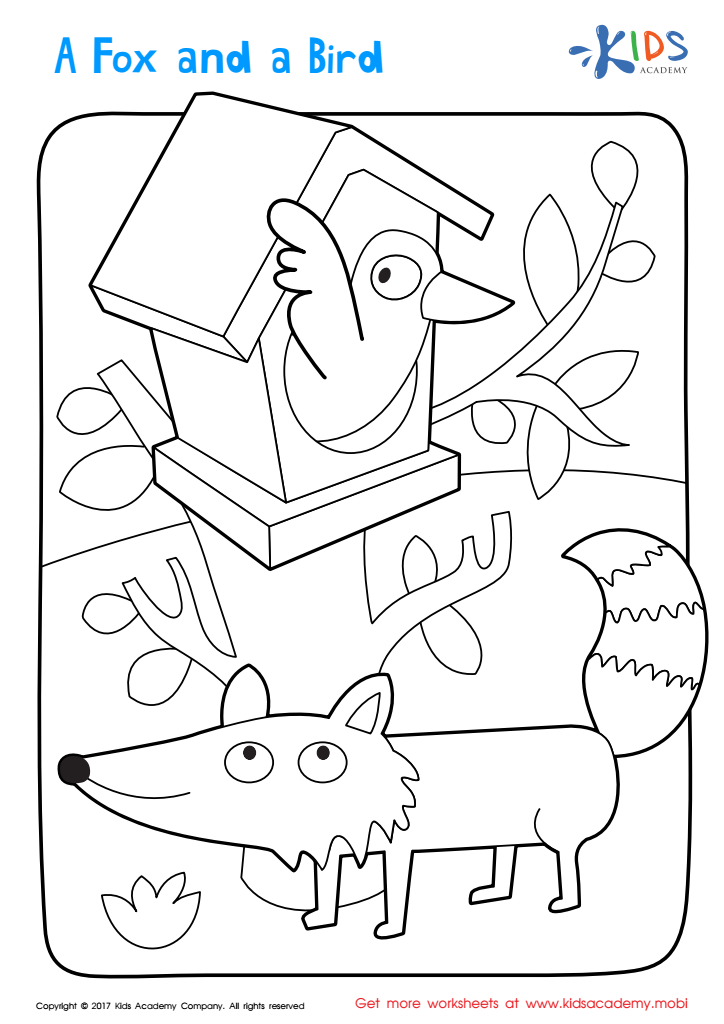
A Fox and Bird Coloring Page
 Assign to My Students
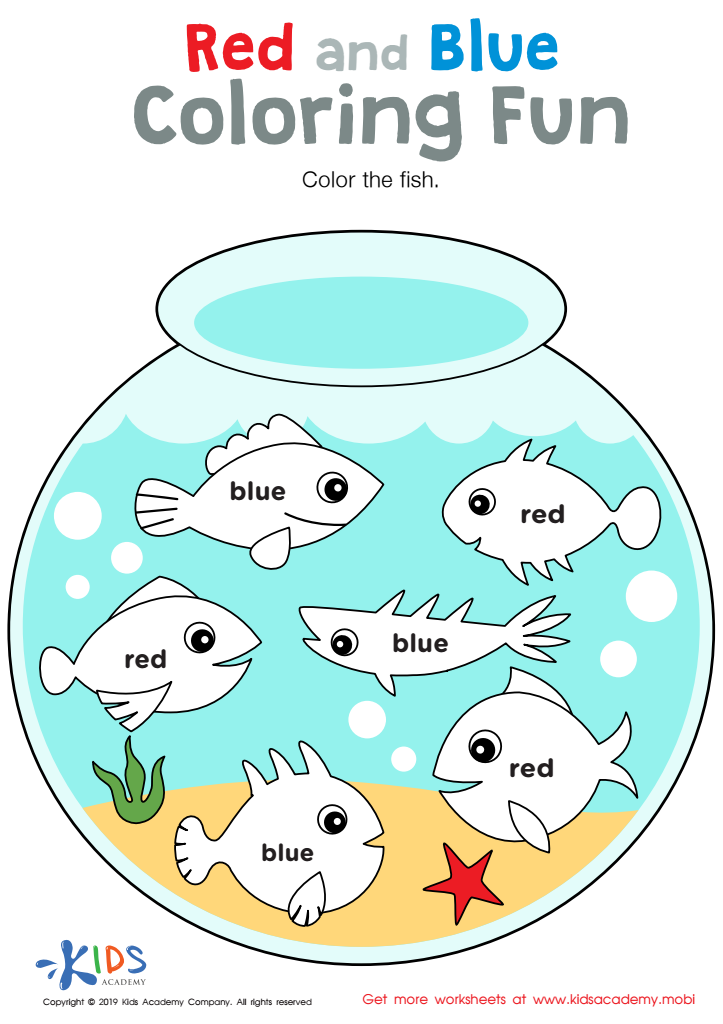
Red and Blue Coloring Fun Worksheet
Assign to My Students
Sea Adventure Coloring Page
Assign to My Students
Humming Bird Worksheet
Assign to My Students
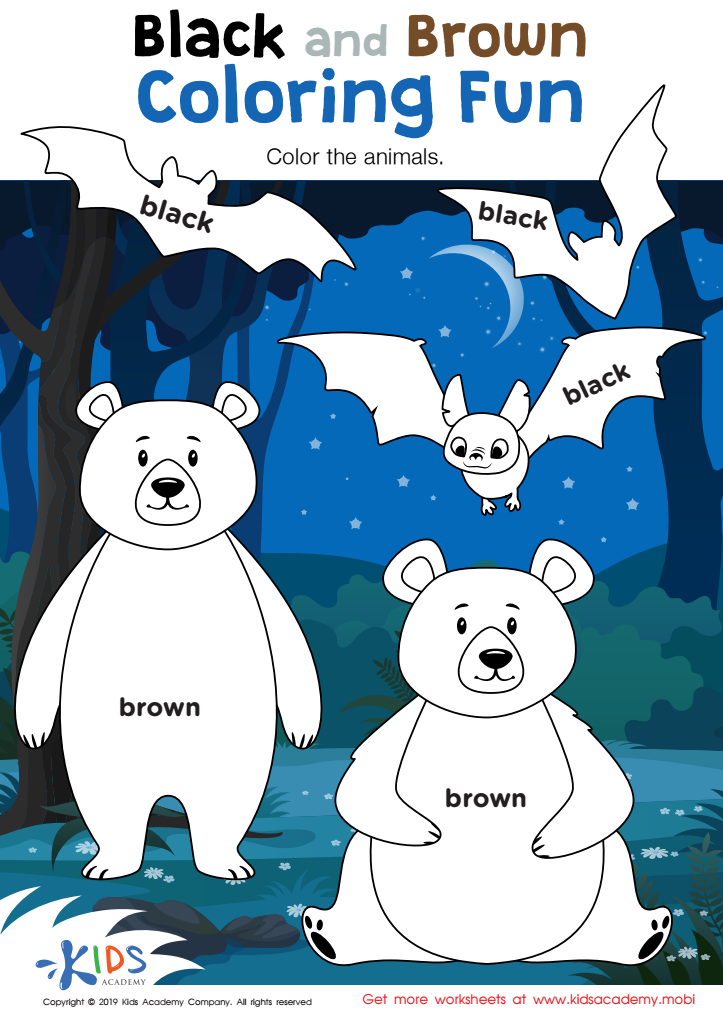
Black and Brown Coloring Fun Worksheet
Assign to My Students
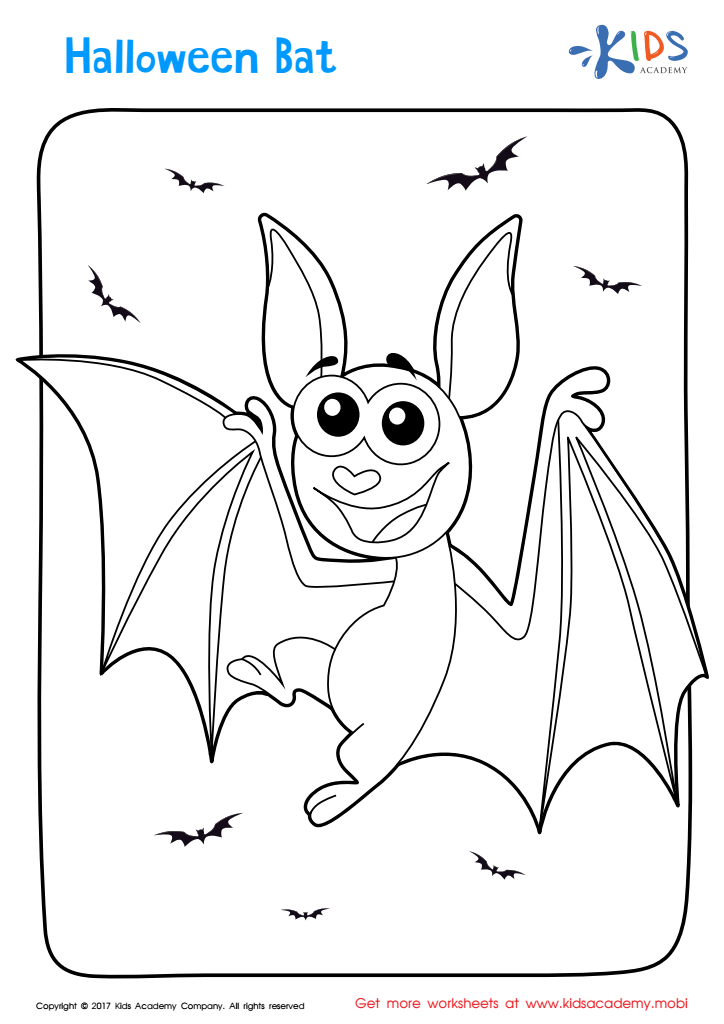
Halloween: A Bat Printable
Assign to My Students
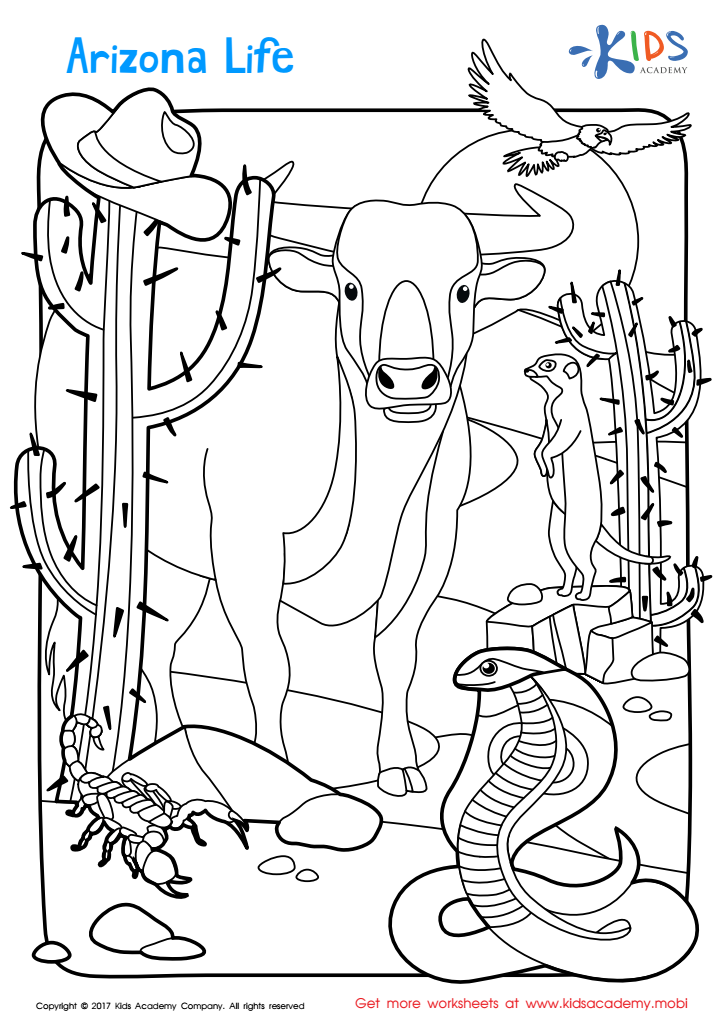
Arizona Coloring Page Worksheet
Assign to My Students
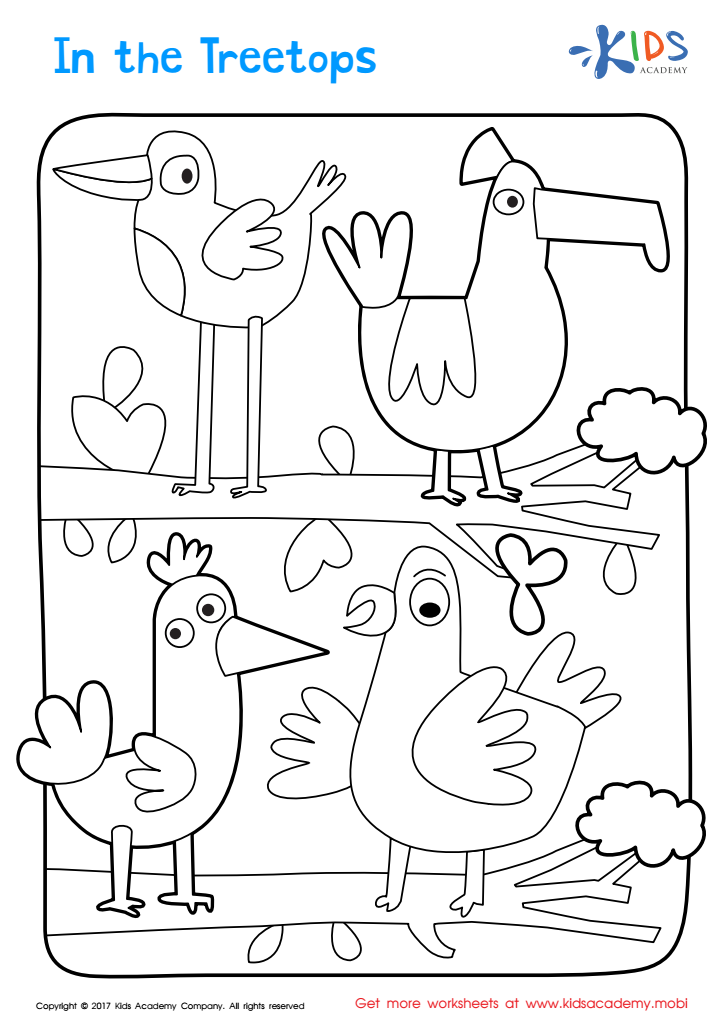
In the Treetops Coloring Page
Assign to My Students
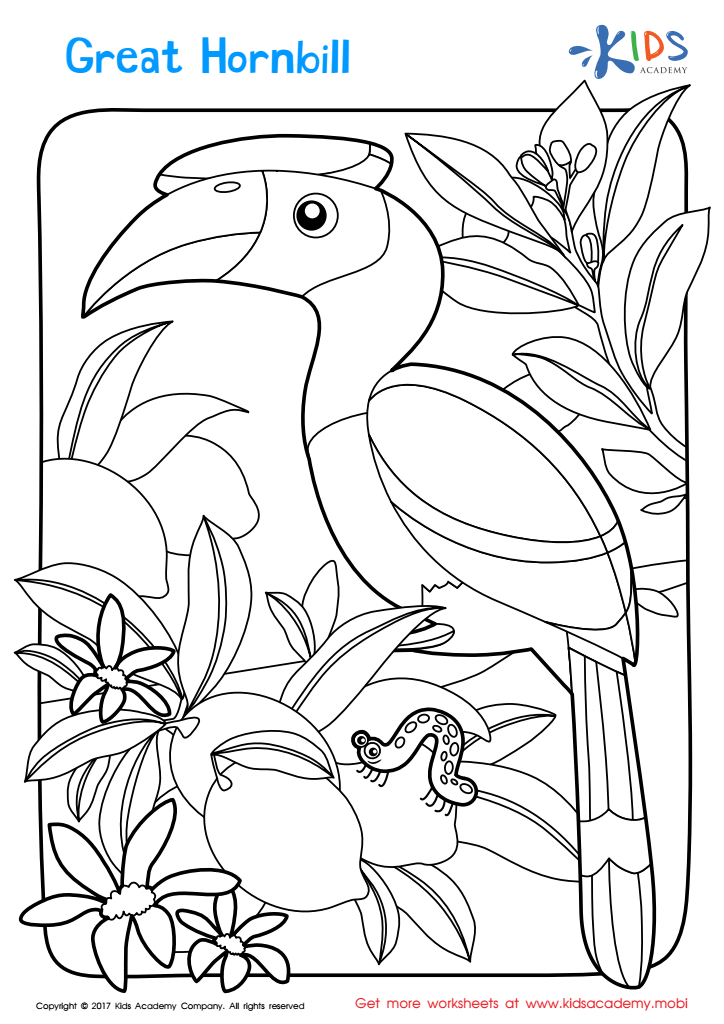
Great Hornbill Worksheet
Assign to My Students
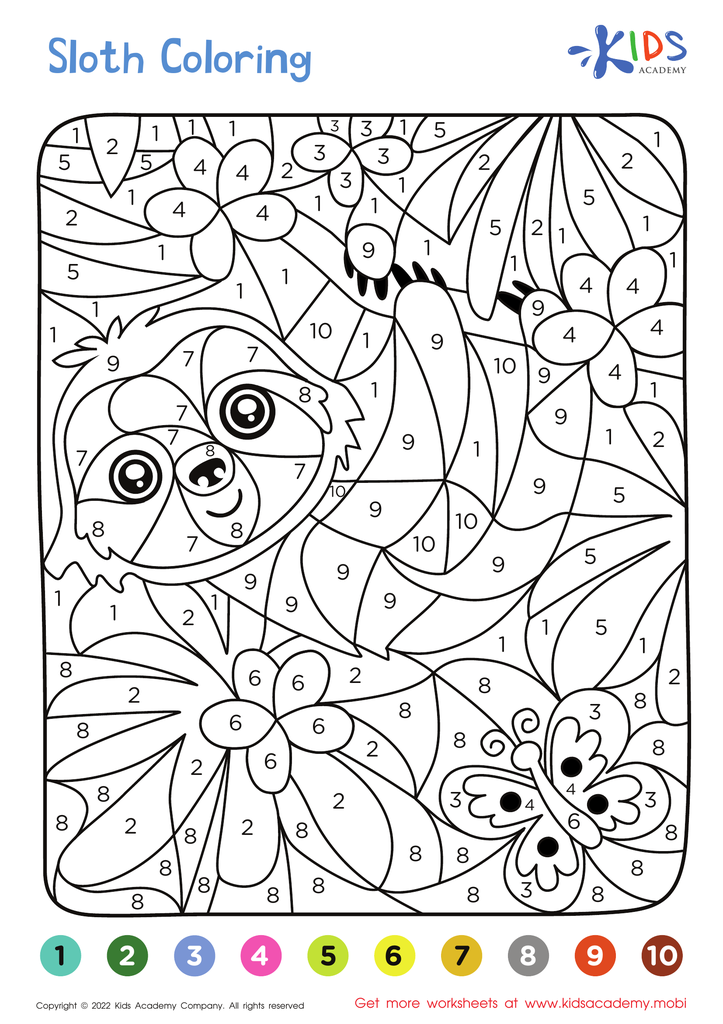
Sloth – Coloring by Numbers
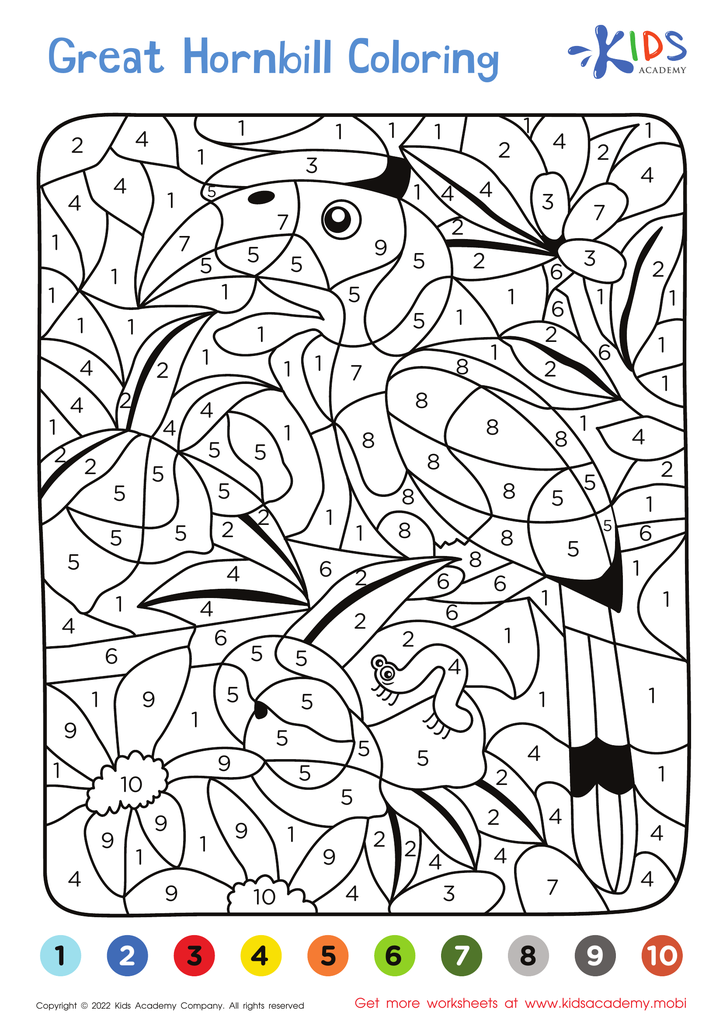
Great Hornbill – Coloring by Numbers
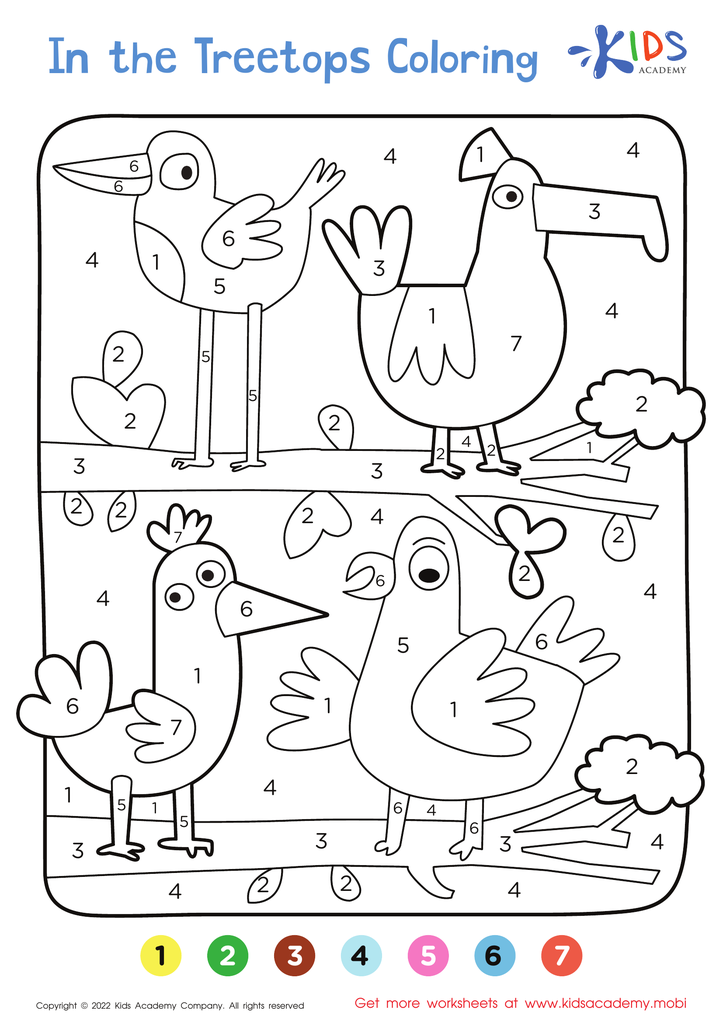
In the Treetops – Coloring Page



Color recognition in Grade 1 is a fundamental skill that intertwines with various aspects of learning and development, making it essential for parents and teachers to prioritize. Understanding colors aids in the cognitive development of young learners. It enhances their ability to categorize objects, recognize patterns, and build vocabulary. For instance, when children identify animals by their colors— like a yellow canary or a green alligator—they not only learn about the animals themselves but also improve their descriptive language and critical thinking skills.
Furthermore, color recognition plays a vital role in art and creativity, allowing children to express themselves visually. In subjects like Science and Social Studies, understanding colors can help them grasp concepts related to habitats and ecosystems. For instance, discussing how certain animals’ colors help them blend in with their environment can enrich their learning experience.
Additionally, color recognition contributes to social interaction and emotional development. Children often bond over discussions of their favorite colors or animals, fostering cooperative play and communication skills. By incorporating color recognition activities related to animals into learning routines, parents and teachers can create a more engaging, well-rounded educational experience for young children. Ultimately, these skills lay the groundwork for more complex learning in the future.