Fine Motor Skills Grade 1 Addition & Subtraction Worksheets
5 filtered results
-
From - To
Enhance your first grader's math journey with our Fine Motor Skills Grade 1 Addition & Subtraction Worksheets! These engaging printable activities are designed to strengthen your child's fine motor abilities while mastering essential math concepts. Each worksheet features fun exercises that encourage students to practice their scissor skills, gripping, and coordination as they complete addition and subtraction tasks. Perfect for home or classroom use, our resources promote independence in learning while making math enjoyable. Boost your child's confidence in both math and motor skills with these interactive worksheets. Explore the world of learning through play today!
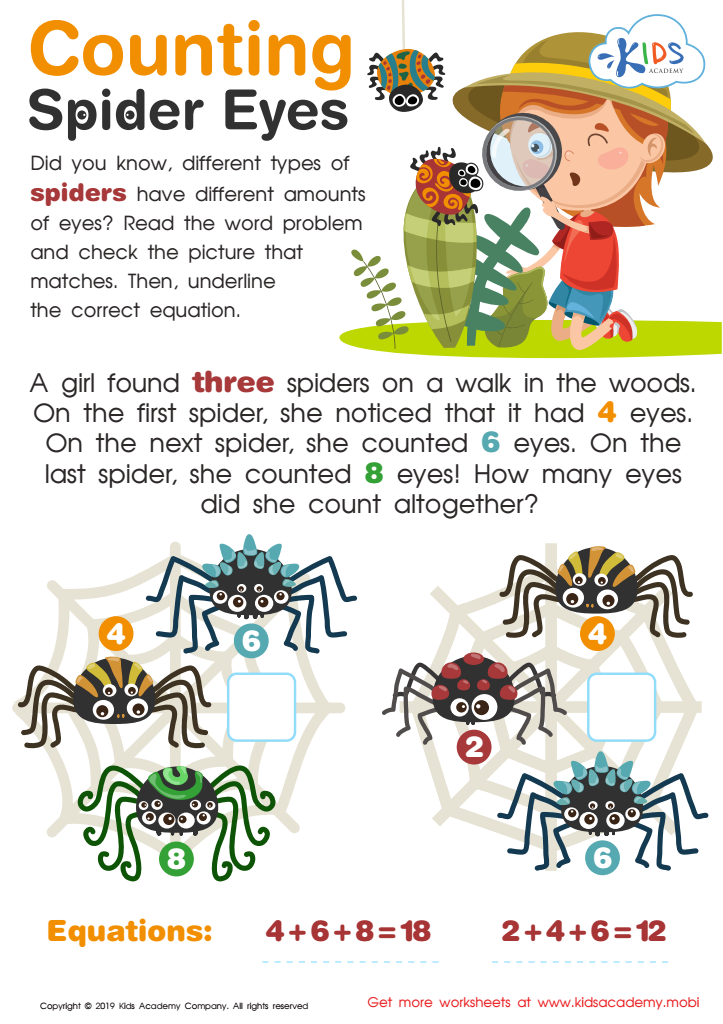
Counting Spider Eyes Worksheet
 Assign to My Students
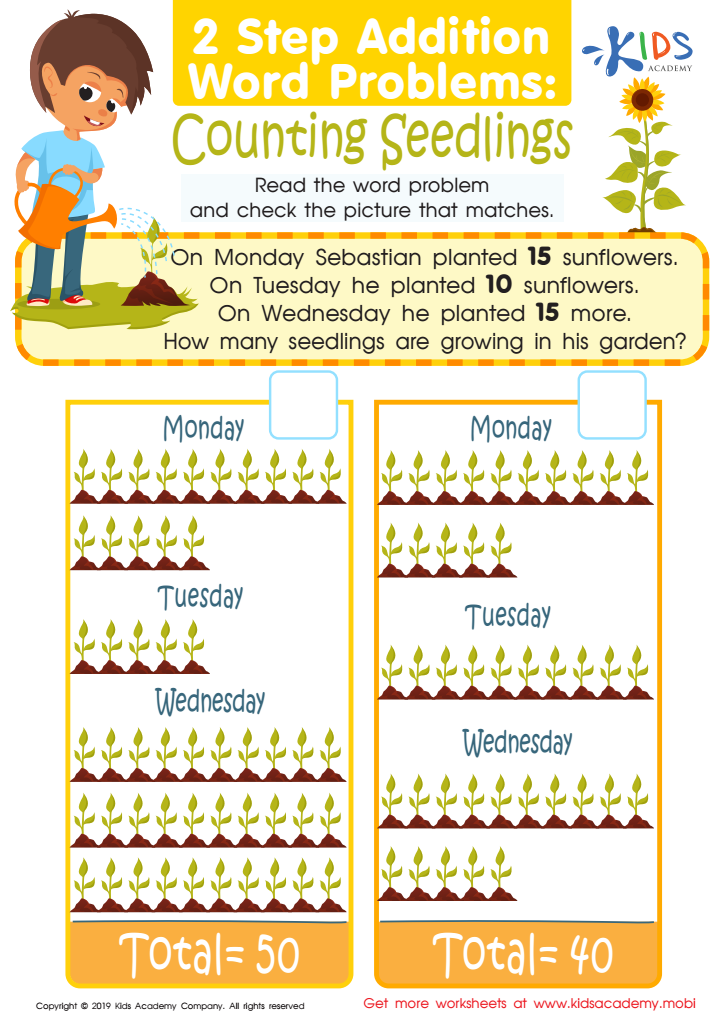
Counting Seedlings Worksheet
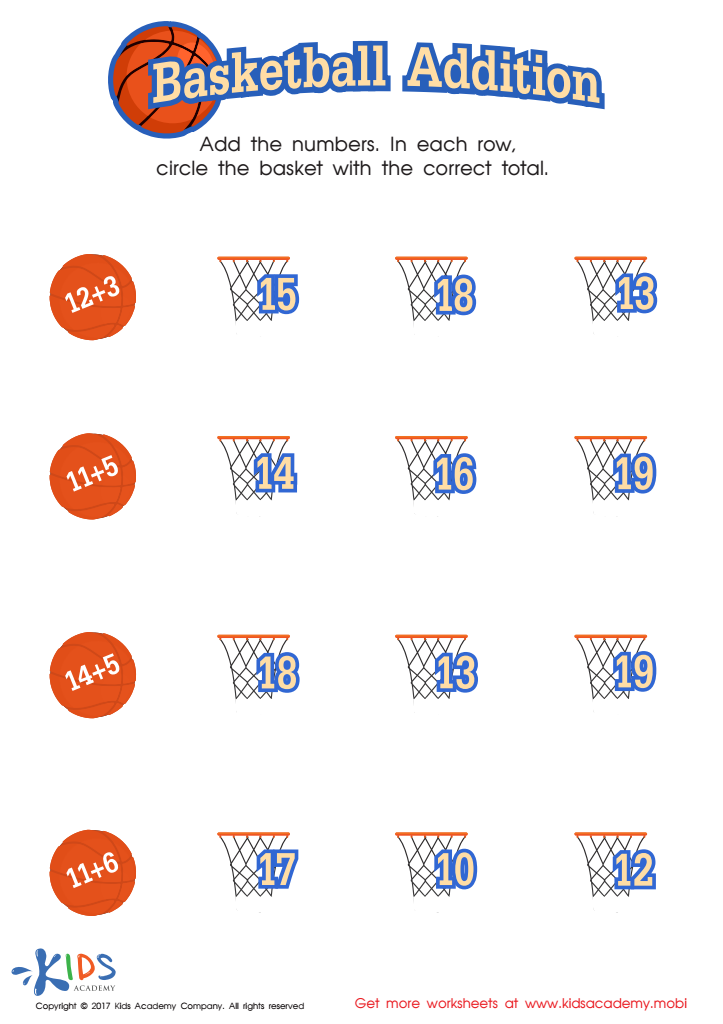
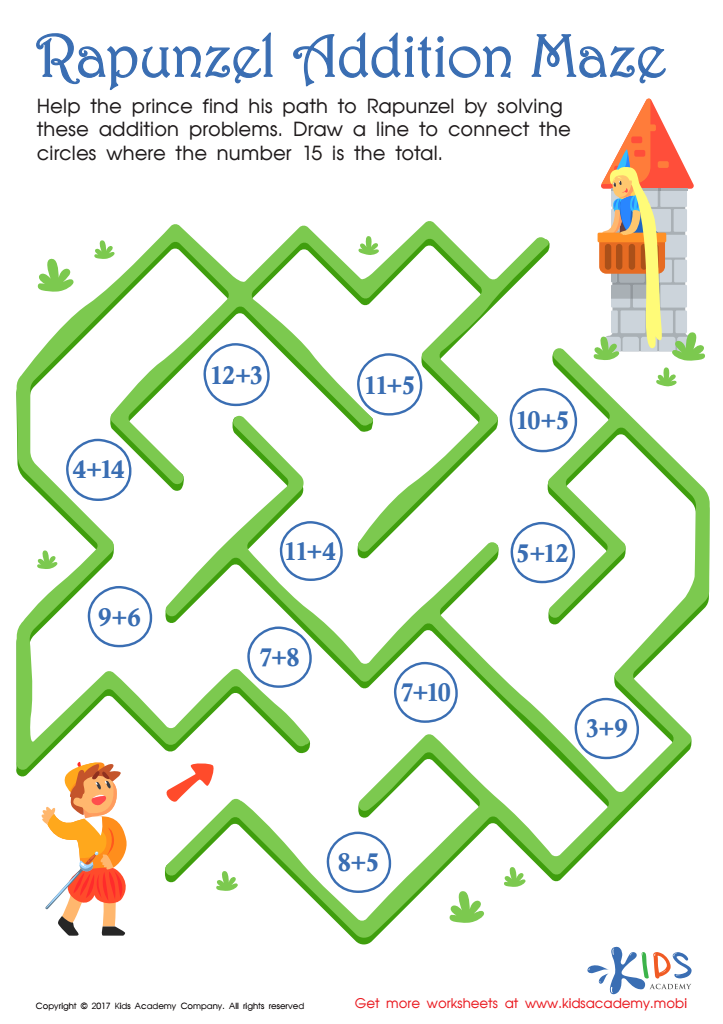
Rapunzel Addition Maze Worksheet
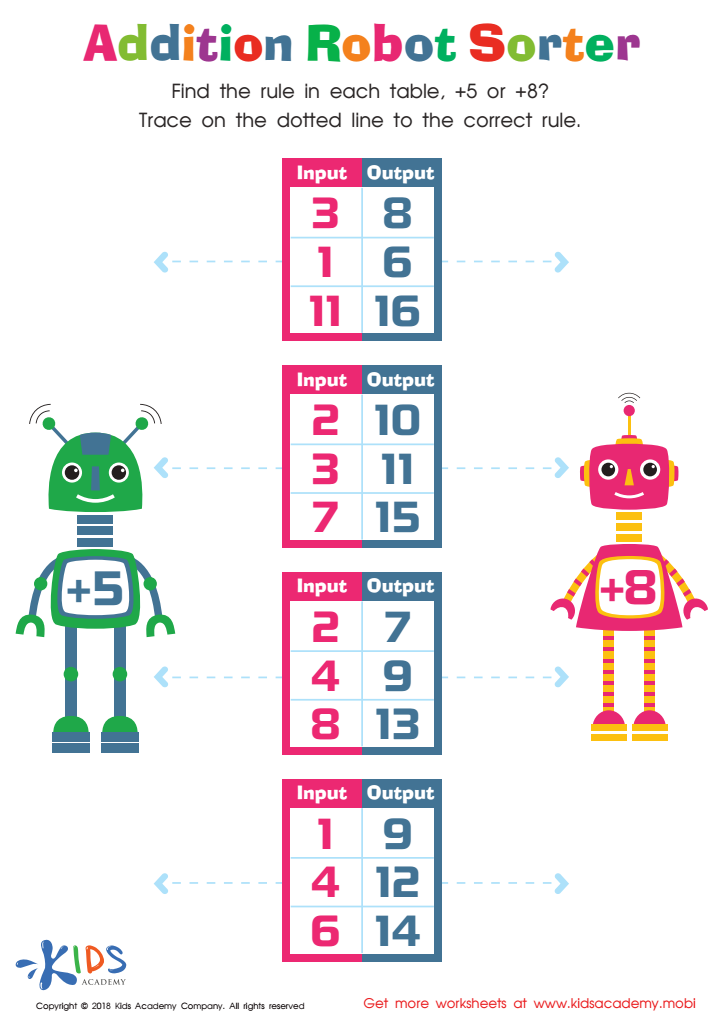
Addition Robot Sorter Worksheet








Fine motor skills play a crucial role in a child's overall development, particularly in Grade 1 when children begin to engage with more complex tasks such as addition and subtraction. Developing these skills is essential as they impact a child's ability to write, manipulate objects, and perform everyday activities. As children learn math concepts, fine motor skills help them manage tools like pencils, counters, and manipulatives effectively.
Fine motor skills allow children to focus and control their hand movements, which is vital when they're solving mathematical problems, whether through writing numbers or using physical objects to understand addition and subtraction. As they grasp these concepts through hands-on activities, they also develop independence and confidence in their abilities.
Parents and teachers should care about fine motor development because strong foundational skills contribute to academic success and enhance overall cognitive development. Furthermore, children with well-developed fine motor skills can better engage in school activities, making learning more enjoyable and effective. Ultimately, investing in fine motor skills during Grade 1 lays the groundwork for future learning and supports a positive attitude toward education while fostering critical thinking and problem-solving abilities in young learners.