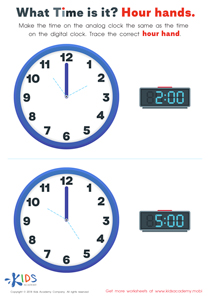
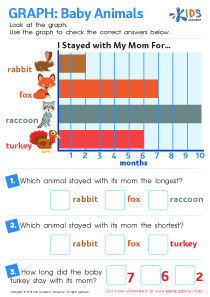
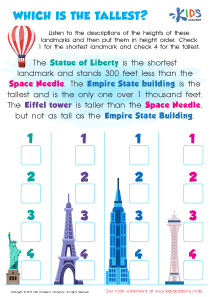
Reading analog clocks Grade 1 Math Worksheets
3 filtered results
-
From - To
Unlock the mystery of time for your first grader with our "Reading Analog Clocks" worksheets! Specially designed for grade 1 students, these engaging worksheets will teach them to read and understand time using traditional analog clocks. With fun and interactive exercises, your child will learn to recognize hours and minutes, ensuring a strong foundational math skill. Perfect for classroom or at-home practice, these worksheets blend education with enjoyment. Help your child master the essential skill of telling time while boosting their confidence and enhancing their mathematical abilities. Visit Kids Academy now to download the series of free and premium worksheets.
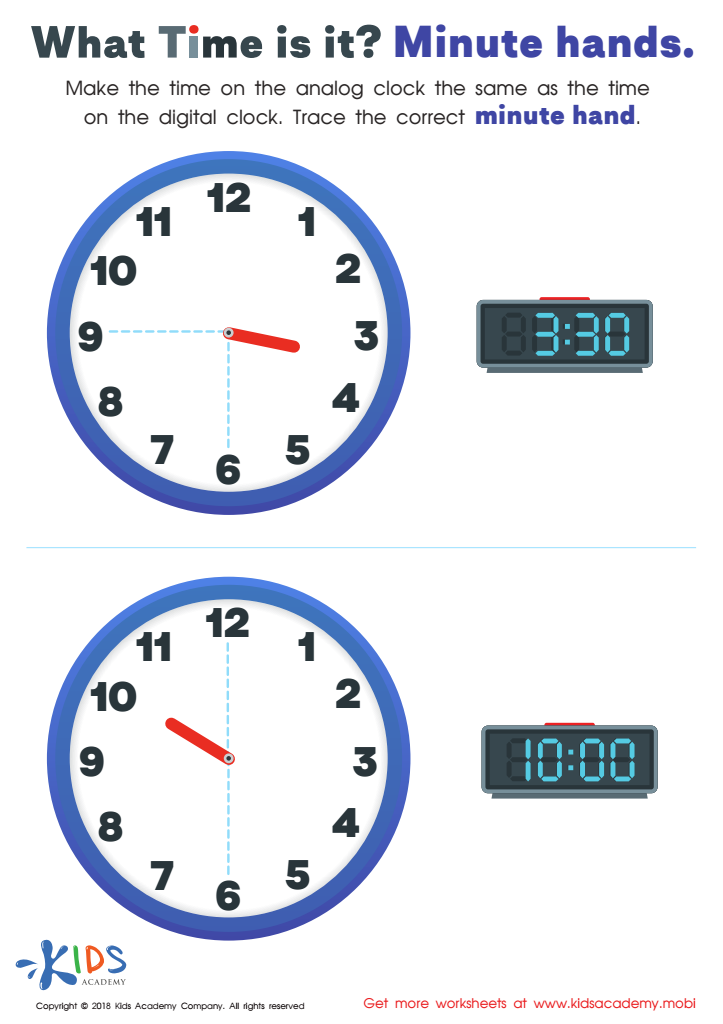
What Time Is it? Minute Hands Worksheet
 Assign to My Students
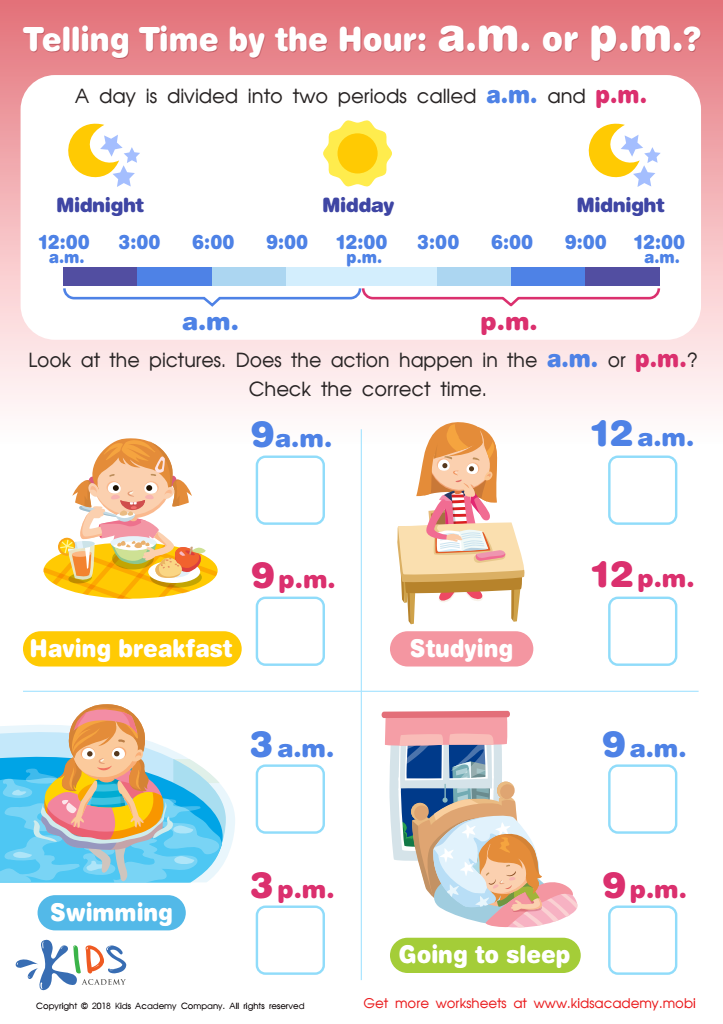
Tilling Time by the Hour: a.m. or p.m.? Worksheet
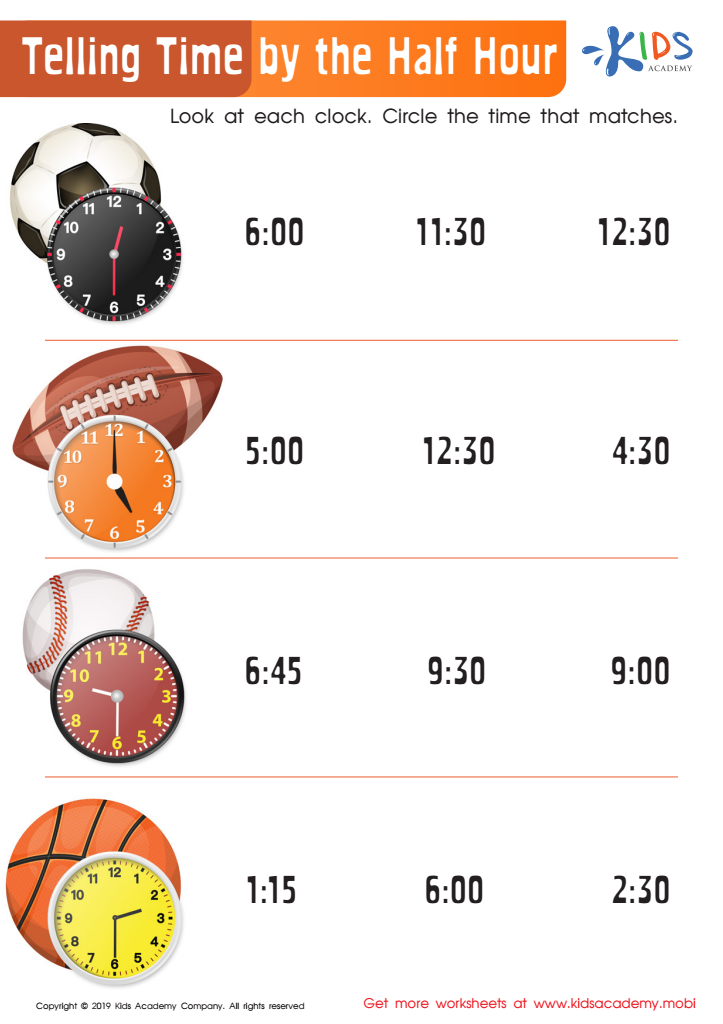
Telling Time by the Half Hour Worksheet








Parents and teachers should prioritize teaching first graders how to read analog clocks because it is a foundational skill that underpins essential aspects of daily life and cognitive development. First, it consolidates a child's understanding of numbers and basic math concepts, including the physical representation of the relationships between numbers, which strengthens their numerical fluency.
Second, reading an analog clock fosters important life skills such as time management and punctuality. It teaches children to be mindful of their daily schedule, manage their activities, and understand the passage of time, which are essential for both academic success and daily routines.
In addition, comprehension of analog clocks offers a tactile and visual experience of learning, presenting abstract concepts like time in a concrete manner. This aids cognitive development, spatial reasoning, and fine motor skills as children progress through differentiating the positions of the minute and hour hands.
Analog clocks are also culturally relevant, helping children navigate environments where digital clocks might be absent, like certain community spaces, schools, or households that value traditional clocks. Ensuring children are comfortable in various contexts heightens their adaptability and independence.
Encouraging early familiarity with analog timekeeping cultivates a well-rounded educational experience and sets a reliable foundation for future academic topics and everyday situations.