Alphabet Recognition Extra Challenge ABC Letters Worksheets for Ages 3-4
3 filtered results
-
From - To
Enhance your preschooler's alphabet skills with our "Alphabet Recognition Extra Challenge ABC Letters Worksheets for Ages 3-4." Designed for little learners, these worksheets provide a fun and engaging way to practice identifying letters. Each sheet offers a variety of activities, such as matching, coloring, and tracing, all tailored to challenge young minds. Perfect for reinforcing letter recognition and preparing kids for reading and writing, our sheets are an excellent resource for parents and educators alike. Give your child a head start with these interactive and educational worksheets, fostering early literacy skills in an enjoyable way!

Letter A Tracing Page
 Assign to My Students

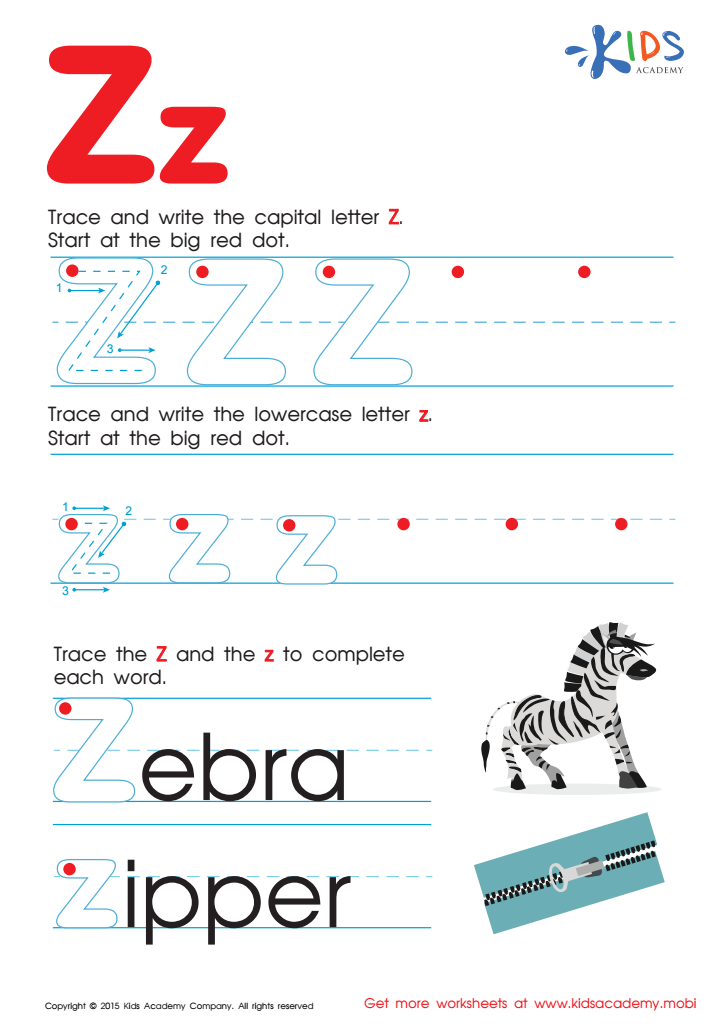
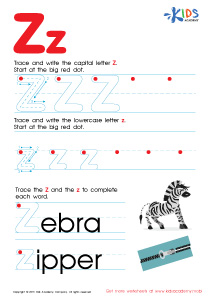
Letter Z Tracing Page
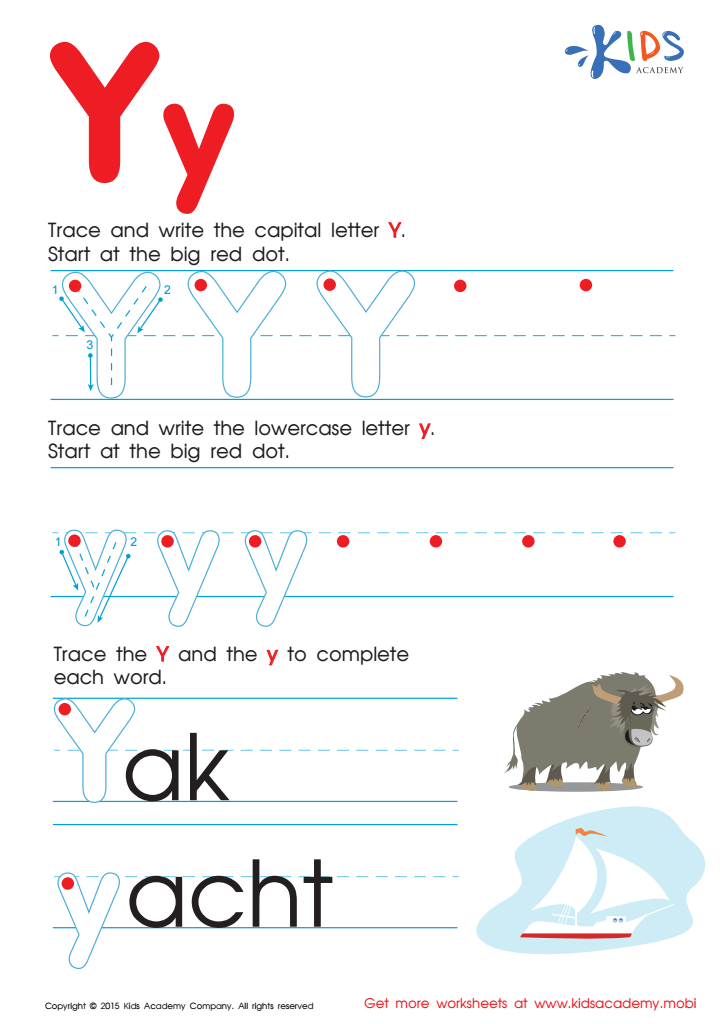
Letter Y Tracing Page







Alphabet Recognition Extra Challenge ABC letters for ages 3-4 is an invaluable activity for early childhood development, laying a critical foundation for literacy. During these formative years, children are developing essential skills, and identifying letters of the alphabet enhances their cognitive development and prepares them for future reading and writing endeavors.
Parents and teachers who prioritize alphabet recognition are giving their children a head start in recognizing that each letter has a unique shape, name, and sound. By engaging in fun, challenging alphabet activities, young learners can improve letter memory retention through repetition, positive reinforcement, and hands-on learning. This early mastery significantly eases the transition to phonics and word recognition, crucial steps in becoming proficient readers.
Moreover, alphabet challenges can be designed as engaging games and interactive activities, which foster children's enthusiasm for learning. They can simultaneously boost memory, concentration, and problem-solving skills by transforming learning into an enjoyable experience. Teachers or parents observing and guiding children through these exercises can also strengthen their bonds, contributing to emotional and social development. Therefore, investing time and effort into Alphabet Recognition Extra Challenge for this age group sets the stage for academic success, making it an essential component of early education.