Fine Motor Skills Extra Challenge Letter Recognition Worksheets for Ages 3-4
7 filtered results
-
From - To
Discover our "Fine Motor Skills Extra Challenge Letter Recognition Worksheets" designed specifically for children aged 3-4. These engaging worksheets encourage young learners to explore and recognize letters while developing essential fine motor skills. Through fun, hands-on activities, kids will trace, color, and connect letters, enhancing dexterity and hand-eye coordination. Each worksheet is thoughtfully crafted to combine learning with play, making letter recognition enjoyable and effective. Ideal for use at home or in the classroom, these worksheets provide a valuable resource for parents and educators aiming to support early literacy and fine motor development. Watch your little ones thrive as they master the alphabet!
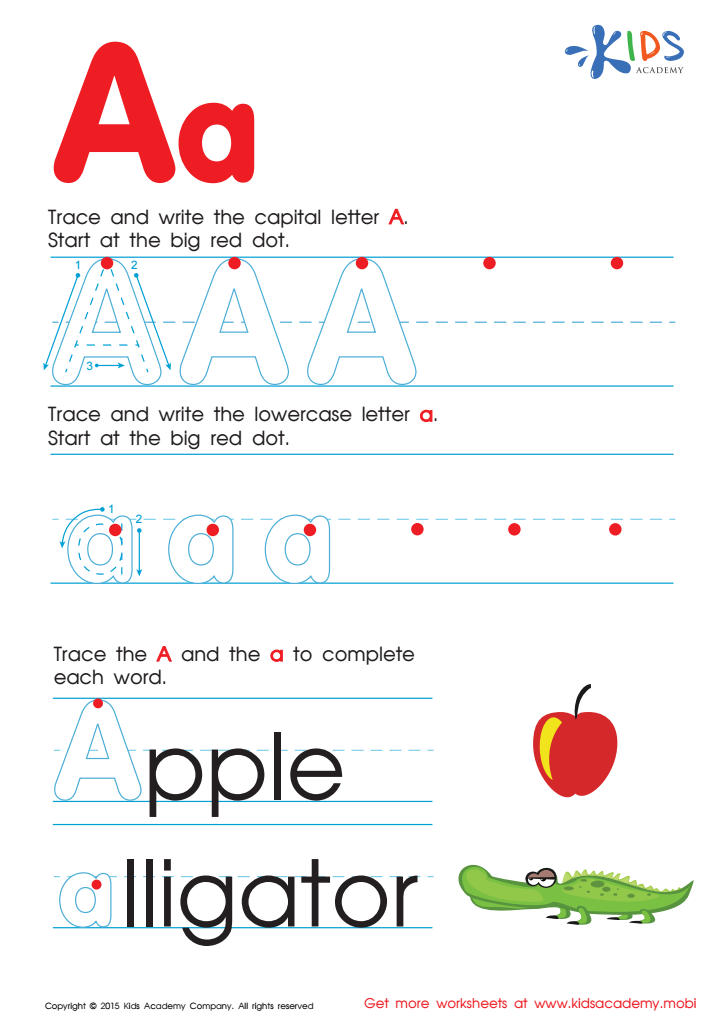
Letter A Tracing Page
 Assign to My Students
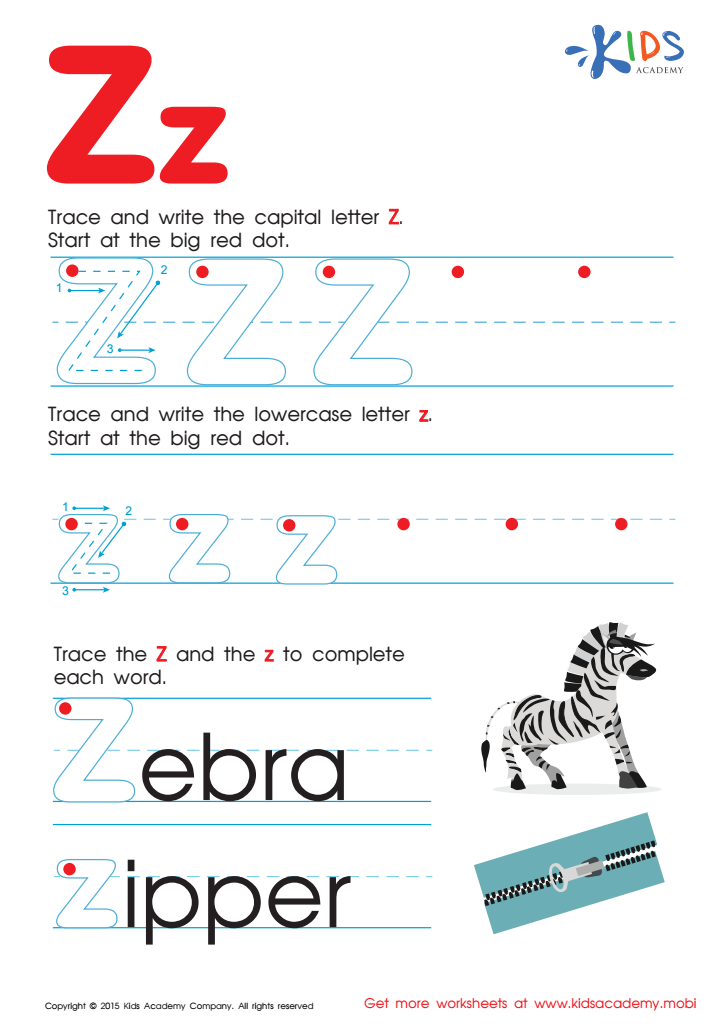
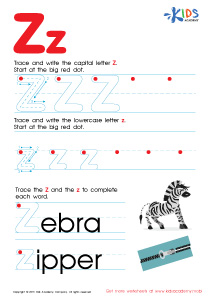
Letter Z Tracing Page
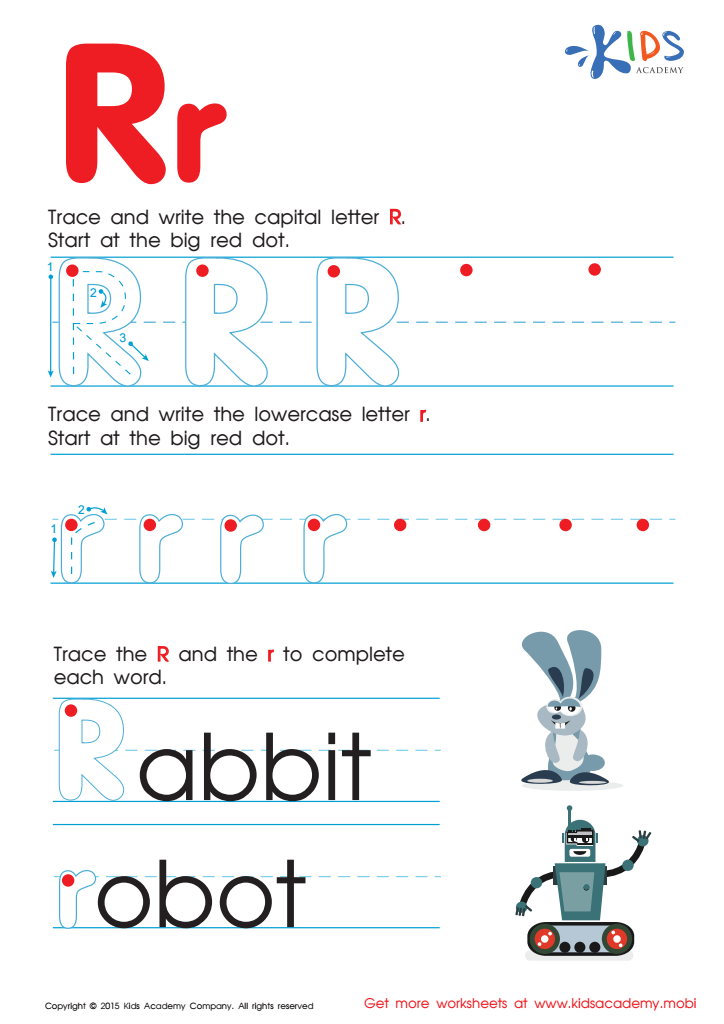
Letter R Tracing Page
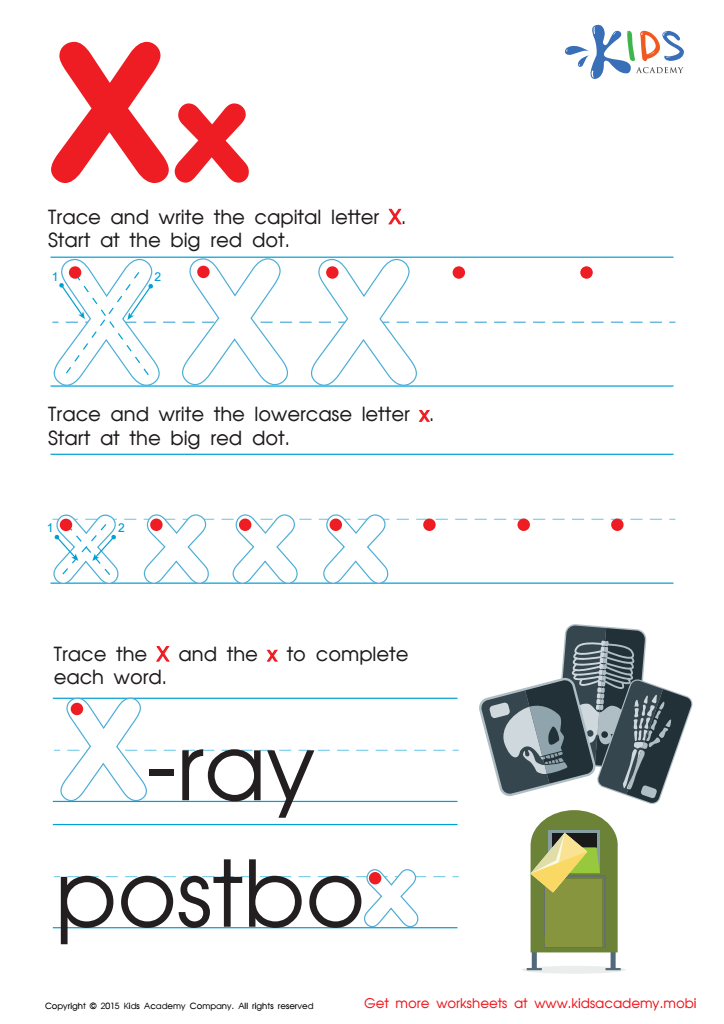
Letter X Tracing Page
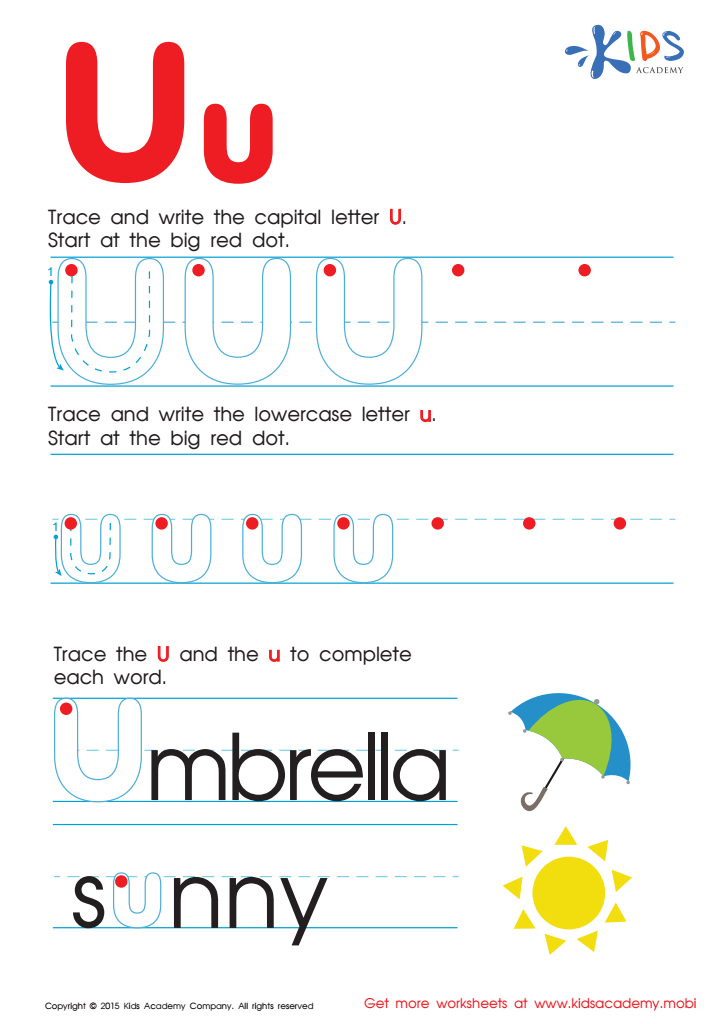
Letter U Tracing Page
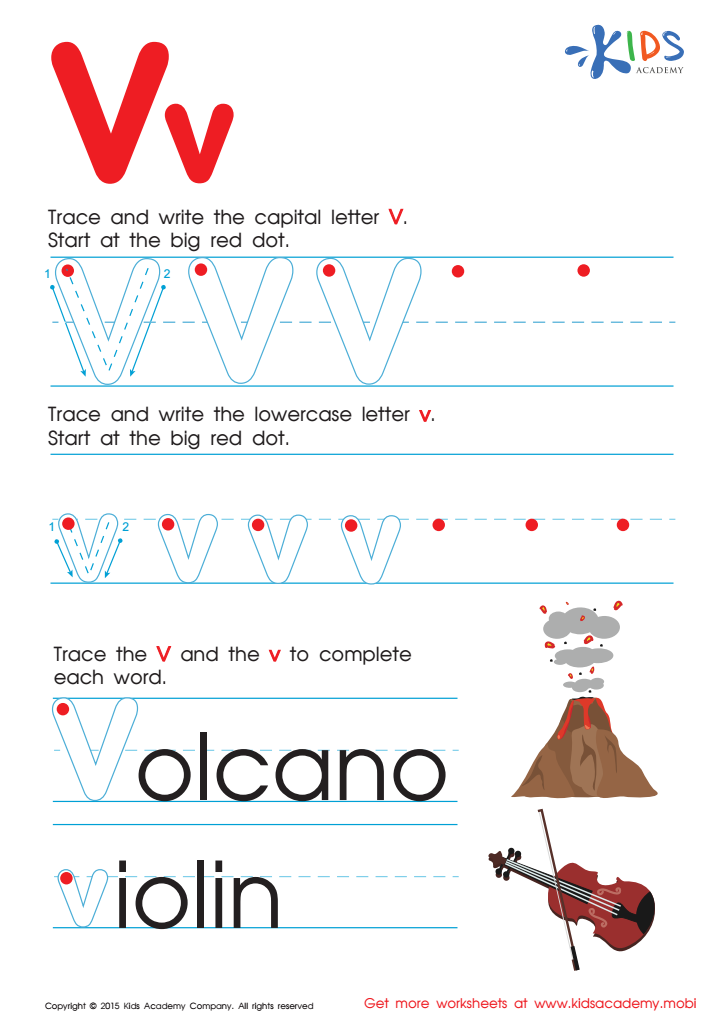
Letter V Tracing Page
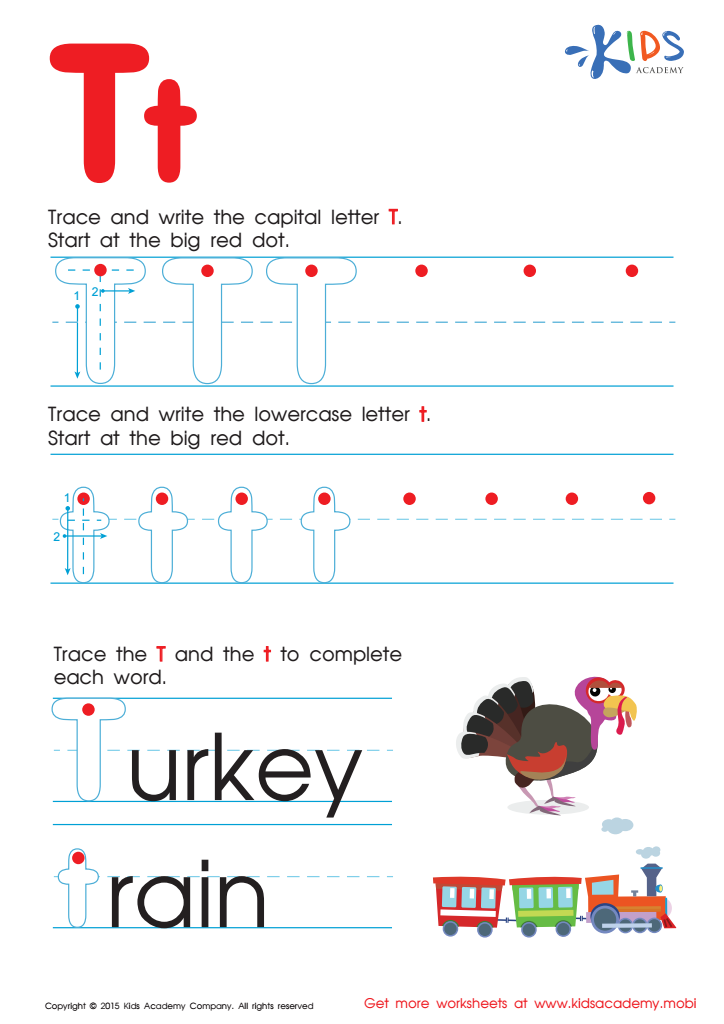
Letter T Tracing Page








Fine motor skills, essential for a child's development, are crucial for managing everyday tasks, and they significantly affect a child's ability to learn effectively. For children aged 3-4, honing these skills contributes to their confidence and independence. Engaging in Fine Motor Skills Extra Challenge Letter Recognition activities helps children grasp the concept of letters and sounds, laying a strong foundation for early literacy.
As children practice gripping tools like crayons or scissors, they enhance their hand-eye coordination and dexterity. These fine motor skills are not only vital for writing but also for other activities such as buttoning clothing or tying shoes, contributing to overall self-sufficiency.
For parents and teachers, understanding the connection between fine motor skills and letter recognition aids in creating supportive environments. Activities combining these elements, such as tracing letters in sand or molding them with playdough, capture children's interest while nurturing their cognitive abilities.
Furthermore, this integrated approach caters to various learning styles and fosters engagement, making learning enjoyable. When parents and teachers prioritize fine motor skill development alongside letter recognition, they equip children with the tools needed for lifelong learning and success. Therefore, investing time and effort in these activities is vital for a child's holistic growth.