Fine Motor Skills Extra Challenge Tracing Letters Worksheets for Ages 3-4
7 filtered results
-
From - To
Enhance your child's fine motor skills with our engaging "Fine Motor Skills Extra Challenge Tracing Letters Worksheets" designed for ages 3-4. These printable worksheets provide young learners with the opportunity to practice tracing letters, promoting hand-eye coordination and dexterity. Each worksheet features fun designs and vibrant illustrations to keep children motivated as they master their letter formation. Tailored for preschoolers, these challenges not only support early literacy but also foster creativity and focus. Help your little one sharpen their skills while having fun—download and print the worksheets today to embark on a playful learning journey!
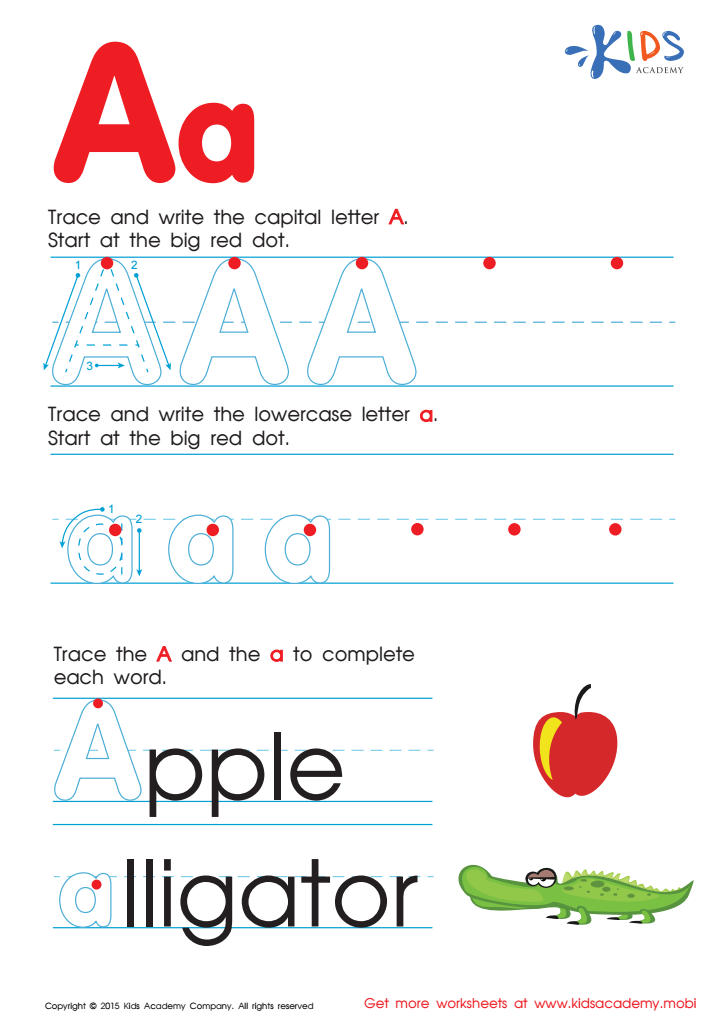
Letter A Tracing Page
 Assign to My Students
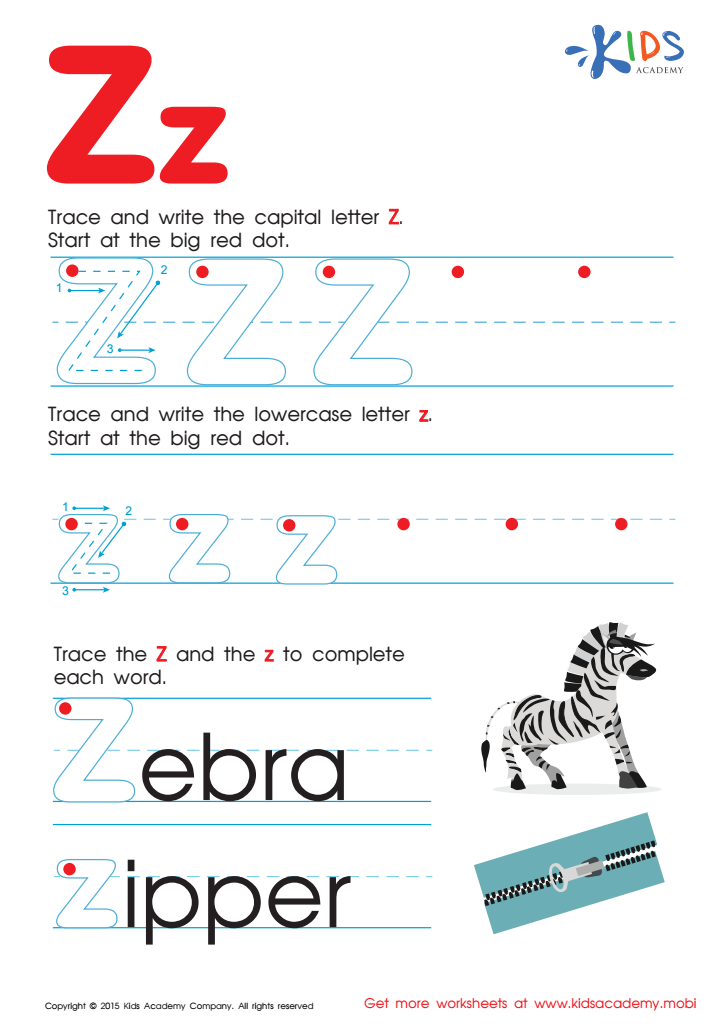
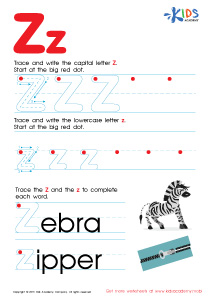
Letter Z Tracing Page
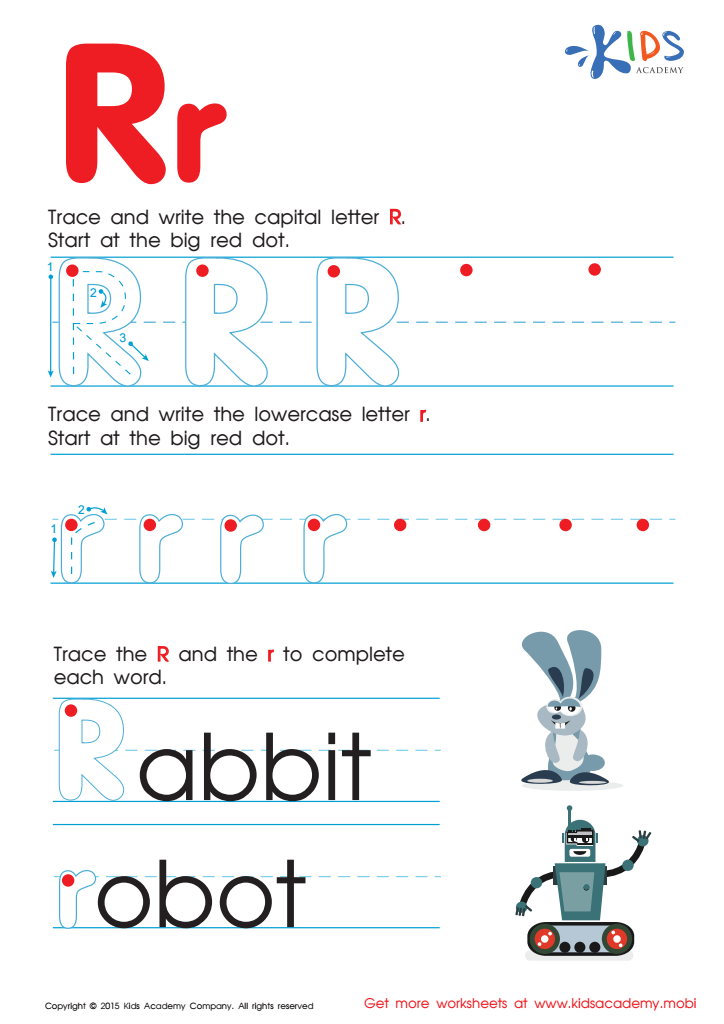
Letter R Tracing Page
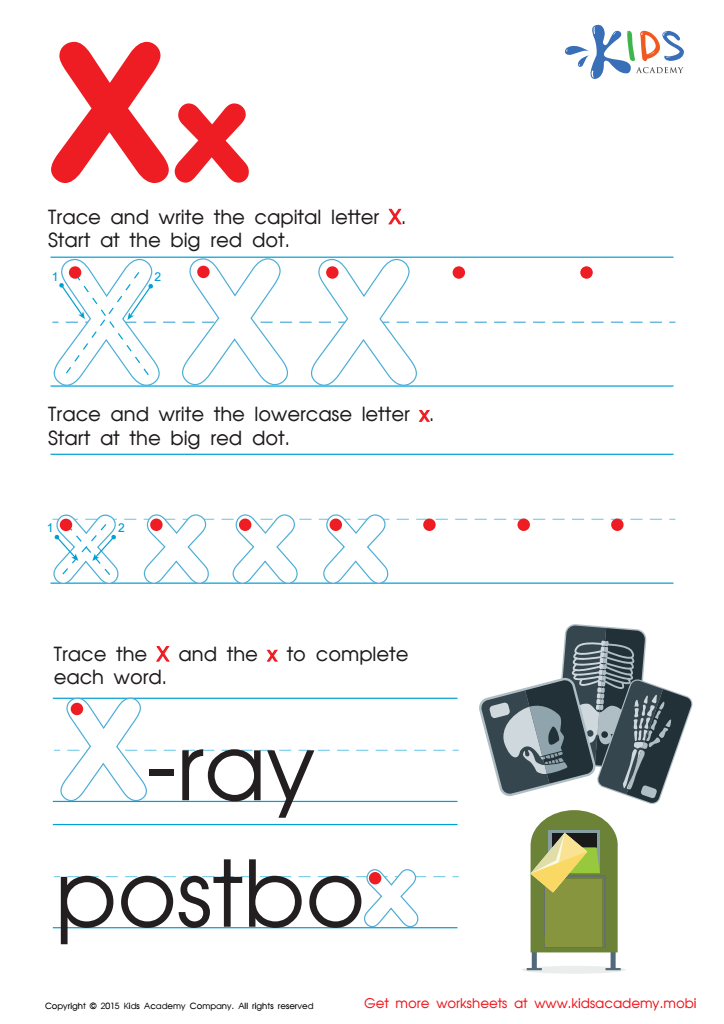
Letter X Tracing Page
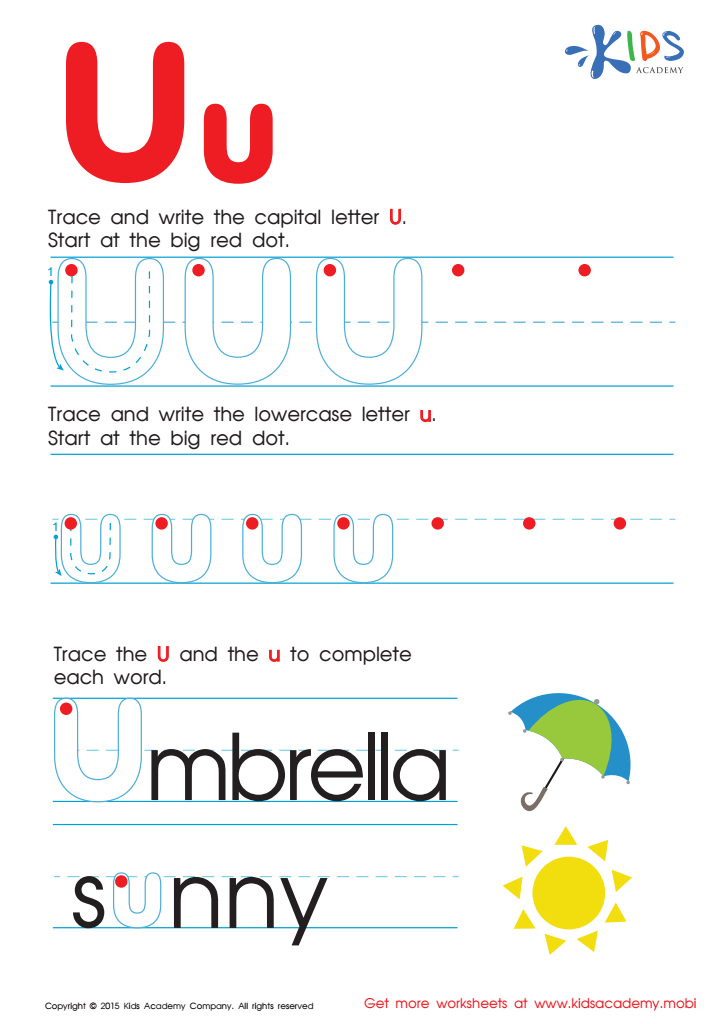
Letter U Tracing Page
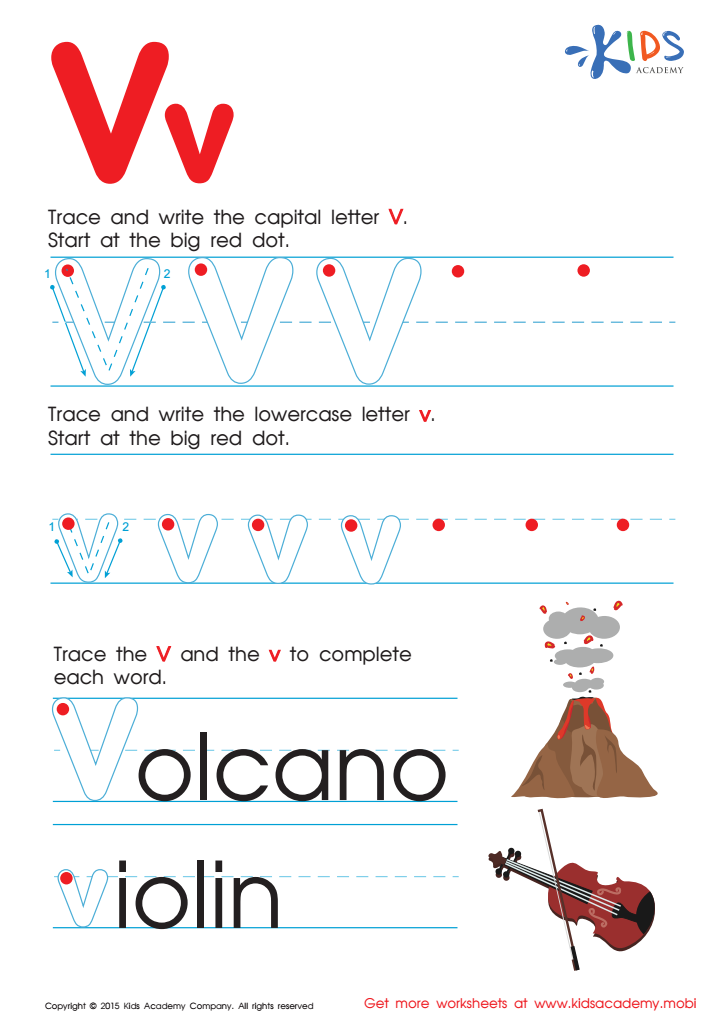
Letter V Tracing Page
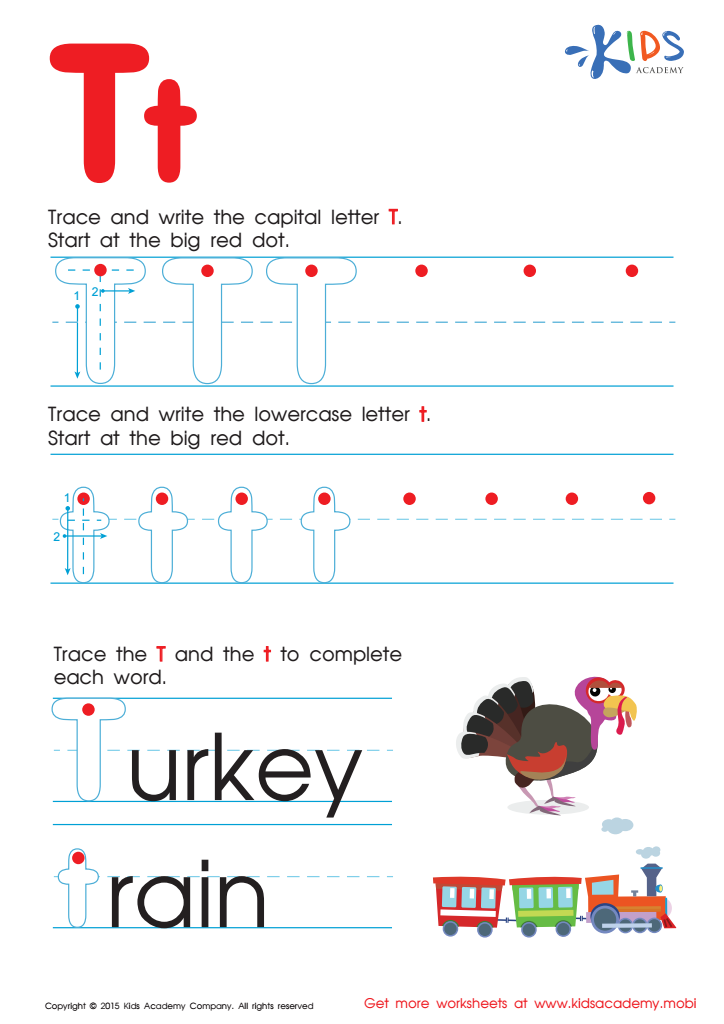
Letter T Tracing Page








Fine motor skills are crucial for young children's overall development, particularly as they prepare for more advanced tasks in school. Engaging in activities like "Fine Motor Skills Extra Challenge: Tracing Letters" not only fosters these skills but also provides an array of benefits that parents and teachers should prioritize for children aged 3-4.
Firstly, tracing letters hones hand-eye coordination, enhancing children's ability to control their hand movements effectively. This skill transpires to daily tasks like writing, tying shoes, or using utensils, laying a strong foundation for their future academic journey. Moreover, fine motor practice promotes dexterity, empowering kids to manipulate objects, which boosts their confidence and independence.
Furthermore, tracing letters introduces early literacy concepts in a playful, accessible manner. It stimulates recognition of letter shapes, sounds, and the connection between writing and language. This playful approach keeps young children engaged and eager to learn.
Lastly, by emphasizing fine motor skills, parents and teachers support cognitive development and critical thinking. The challenge element encourages problem-solving as children learn to navigate and execute more intricate tasks. Overall, prioritizing these activities cultivates well-rounded children who are prepared for future learning endeavors.