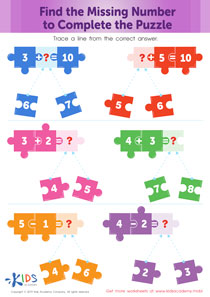
Counting skills Extra Challenge Addition Worksheets for Ages 3-4
6 filtered results
-
From - To
Elevate your preschooler's math journey with our "Counting Skills Extra Challenge Addition Worksheets" designed specifically for ages 3-4. These engaging worksheets combine fun and learning, helping young learners strengthen their counting abilities while mastering basic addition concepts. Each activity is crafted to promote early math skills through colorful visuals and interactive exercises, making learning a joy. As children navigate through exciting addition challenges, they'll gain confidence and develop a solid foundation for future math success. Perfect for parents and educators, our worksheets encourage independent practice and cognitive development, ensuring that little ones grasp essential counting skills with ease and enthusiasm.
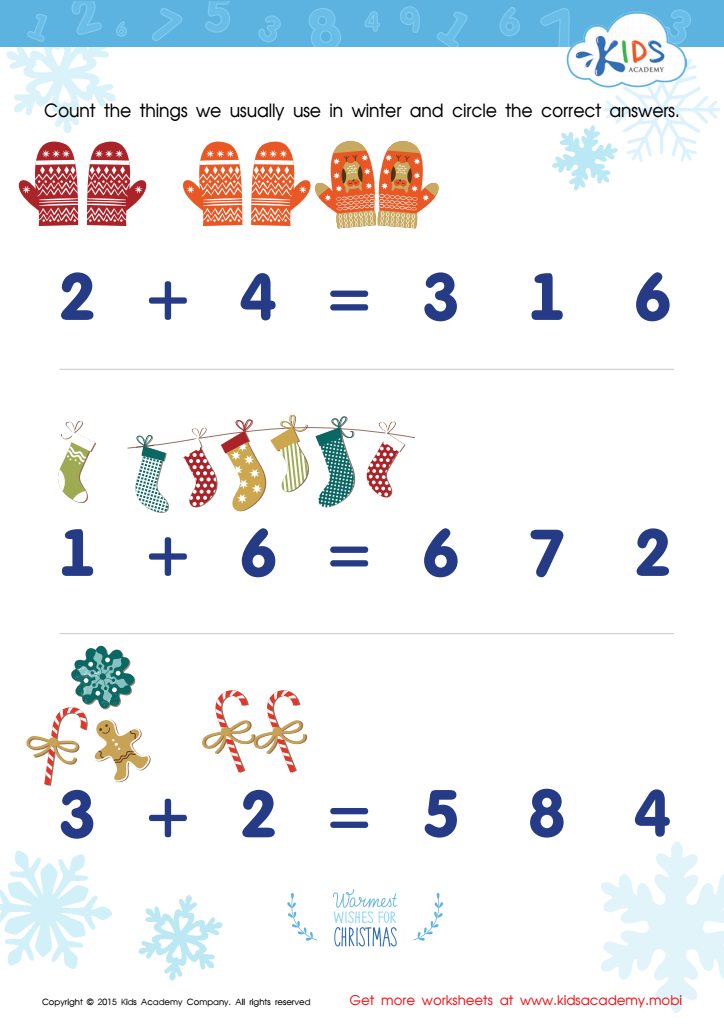
Count Winter Things Worksheet
 Assign to My Students
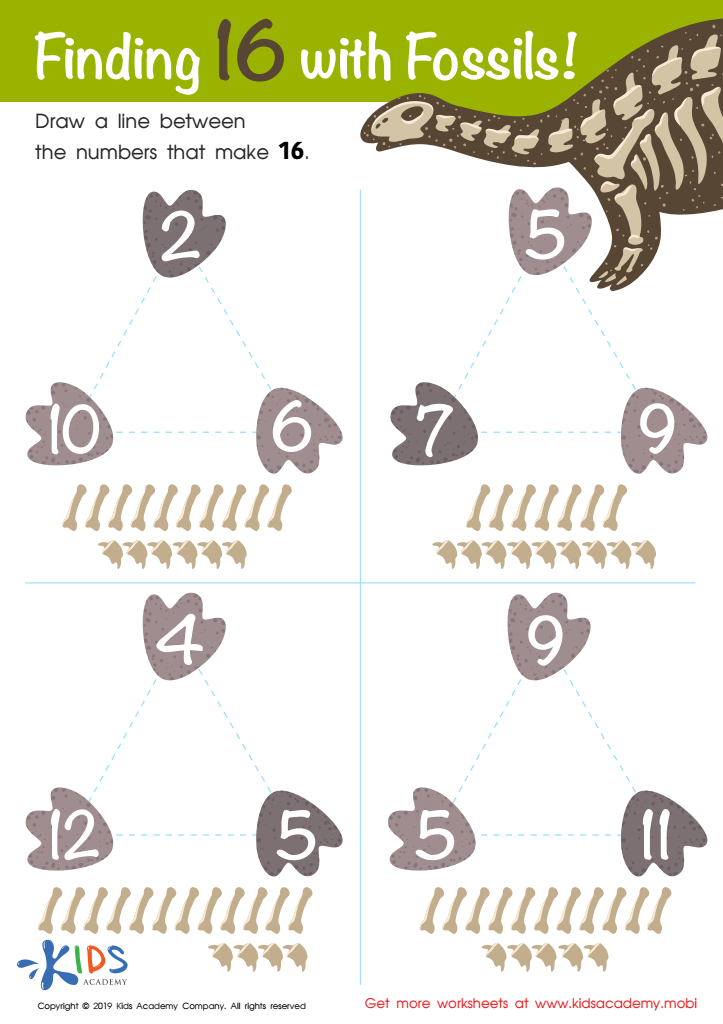
Finding 16 With Fossils Worksheet
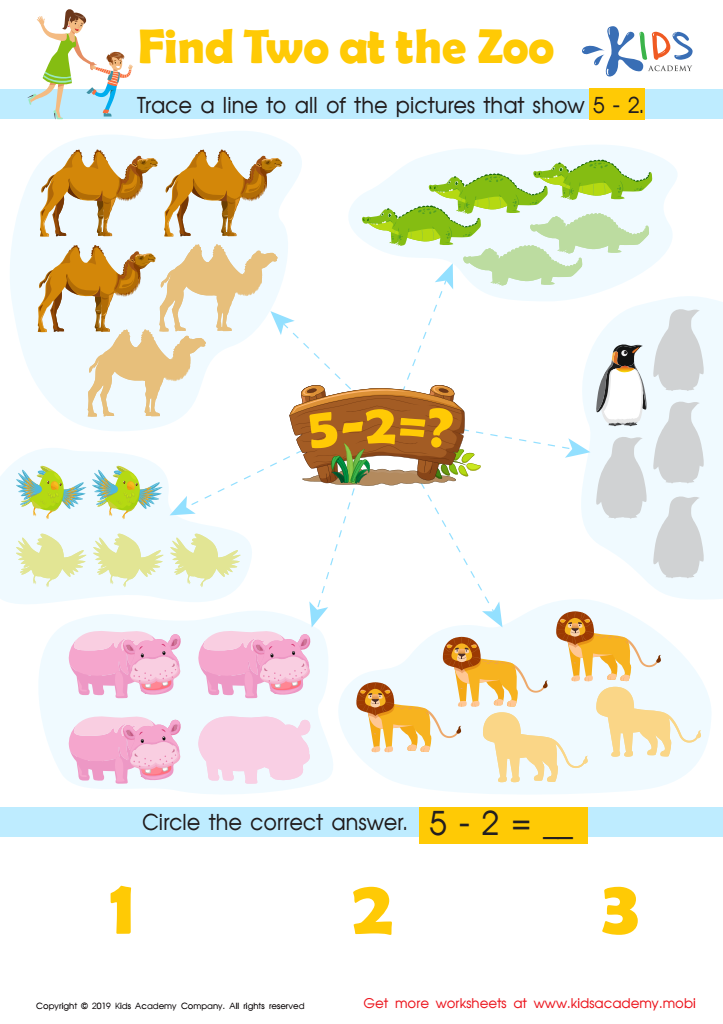
Find Two at the Zoo Worksheet
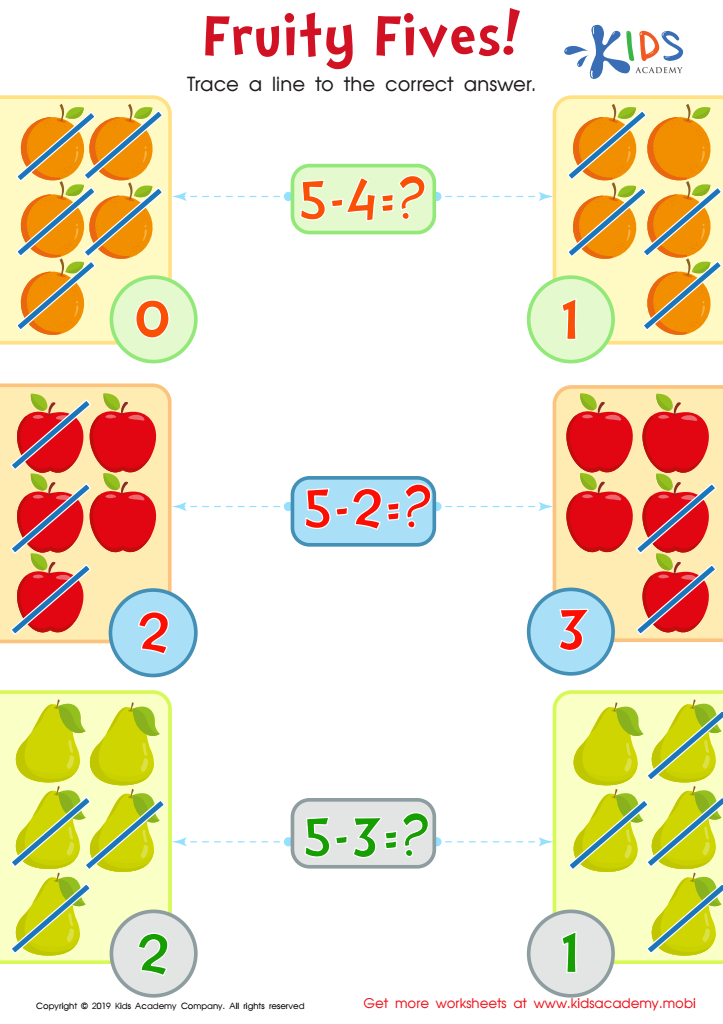
Fruity Fives! Worksheet
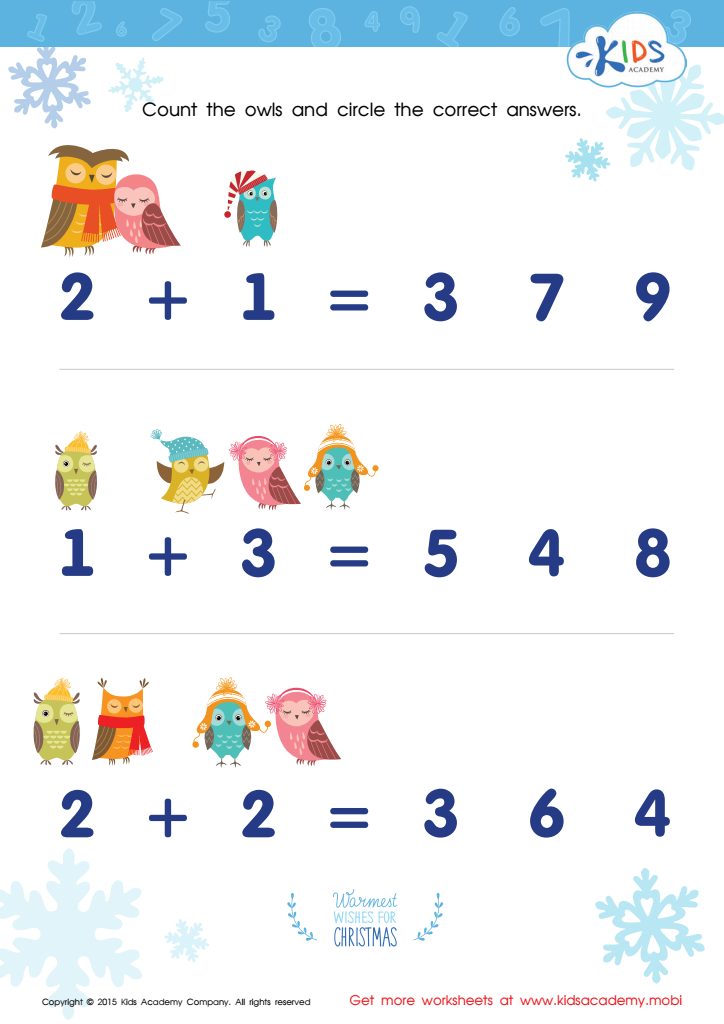
Count Little Owls Worksheet
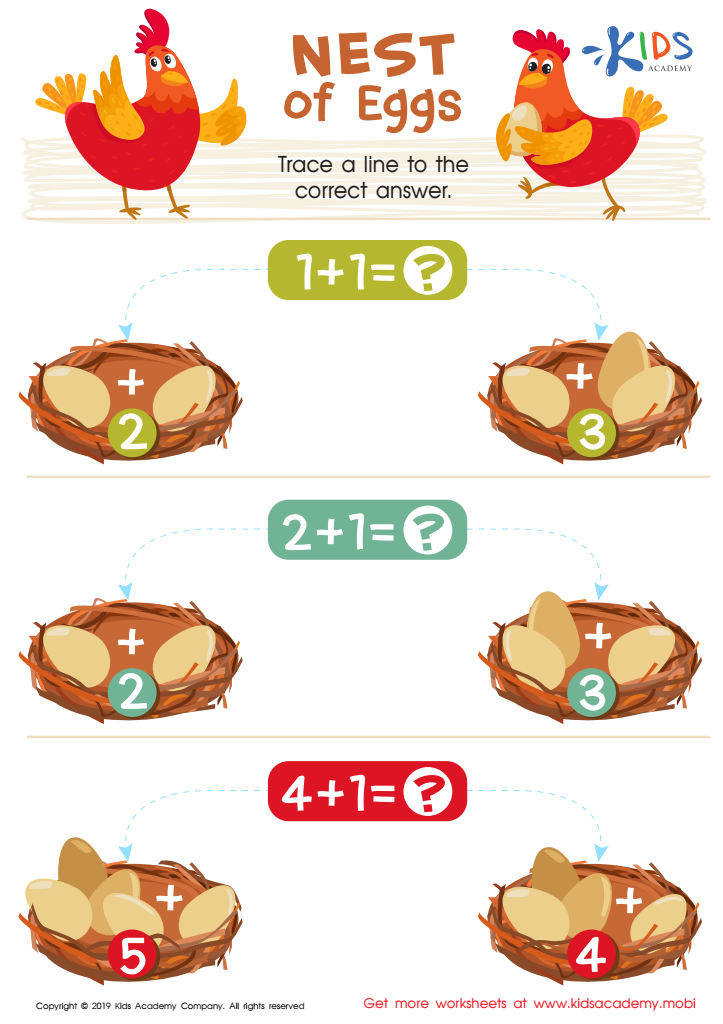
Nest of Eggs Worksheet








Counting skills are foundational for young children’s mathematical development and overall cognitive growth. For ages 3-4, activities like "Extra Challenge Addition" can significantly enhance not only number recognition but also early problem-solving abilities. When parents and teachers focus on fostering these skills, they help lay the groundwork for future math success.
Engaging in counting and basic addition activities strengthens children's ability to understand quantities and relationships. These foundational skills are critical as they progress into more complex mathematical concepts. Moreover, fun challenges motivate children to think critically, fostering a love for math early on.
Participating in interactive counting and addition tasks also promotes social skills, as children often work in pairs or groups, encouraging teamwork and communication. It creates opportunities for discussions about numbers in real-life applications, such as sharing toys or counting snacks, which makes learning contextually meaningful and relatable for young learners.
Finally, parents and teachers who prioritize these activities are functioning collaboratively in children’s educational journeys, reinforcing learning concepts through everyday interactions. This combined approach not only enhances academic skills but also builds confidence and joy in learning, making math a fun and integral part of childhood exploration.