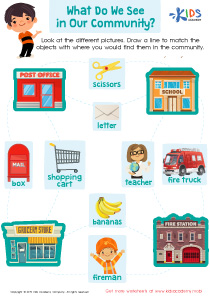
Understanding patterns Extra Challenge Math Worksheets for Ages 3-4
3 filtered results
-
From - To
Unlock your child's potential with our "Understanding Patterns Extra Challenge Math Worksheets for Ages 3-4". Specifically designed for curious young minds, these worksheets offer a fun and challenging way to enhance problem-solving and critical thinking skills. Through engaging activities, children can explore sequences, recognize patterns, and build a strong mathematical foundation. Our worksheets provide hands-on practice to solidify foundational math concepts while keeping your child excited and motivated about learning. Encourage creativity and cognitive development with exercises that are both educational and entertaining. Perfect for parents and educators looking to give their preschoolers a head start in math.
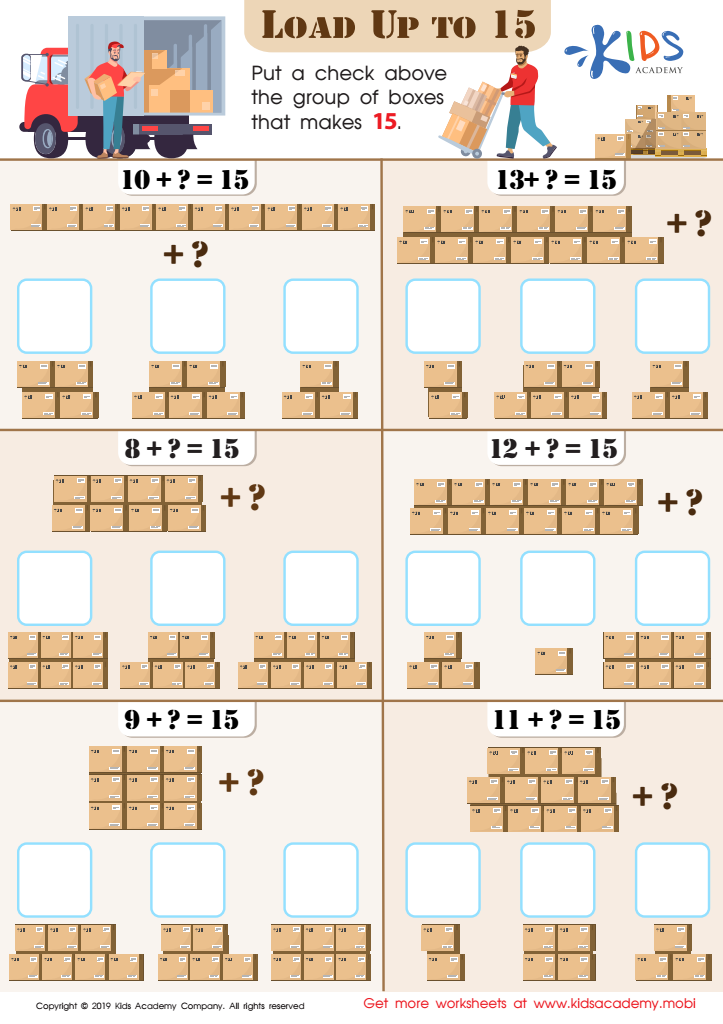
Load up to 15 Worksheet
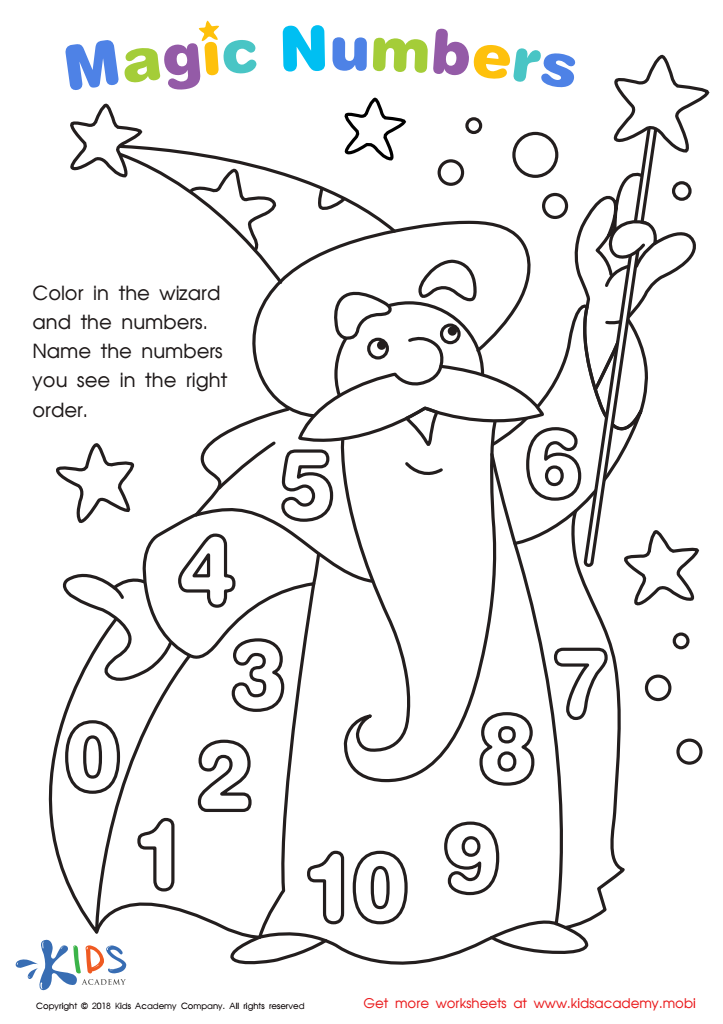
Magic Numbers Worksheet
 Assign to My Students
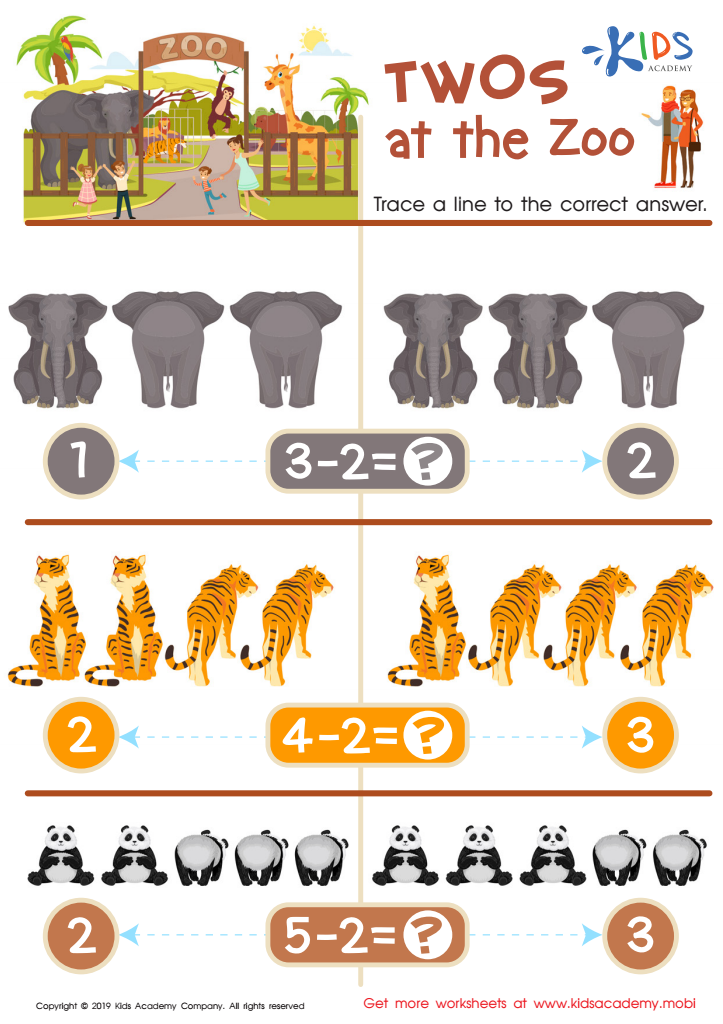
Twos at the Zoo Worksheet








Understanding patterns is foundational for the cognitive and mathematical development of young children, including those aged 3-4. Introducing patterns at an early age helps establish critical thinking skills, logical reasoning, and early problem-solving abilities. These forms of cognitive activity are essential for later understanding more complex mathematical concepts and operations.
When parents and teachers engage children in extra challenge math tasks focused on patterns, they offer rich opportunities for hands-on learning. Through identifying, replicating, and creating patterns using objects, colors, shapes, or sounds, children improve their abilities to recognize relationships and sequences. This not only bolsters their memory and boosts early math skills but also enhances language development as they describe and discuss the patterns they observe.
Additionally, understanding patterns instills an appreciation for order and organization. Children who recognize patterns can make predictions, an ability that is crucial both in mathematics and in day-to-day experiences. For instance, understanding patterns helps children predict what comes next in a story, recognize routines, and follow rules.
Incorporating pattern-related activities ensures that the learning process is enjoyable and engaging, cultivating a positive attitude toward mathematics and academic exploration. Parents and teachers should prioritize pattern activities in their early education curriculum to foster a strong, versatile foundation in their young learners.