Basic Math Skills Extra Challenge Matching Worksheets for Ages 3-4
3 filtered results
-
From - To
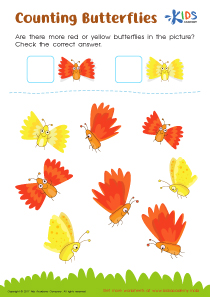
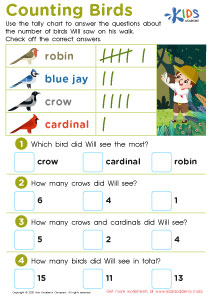
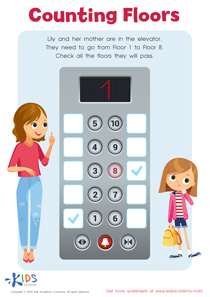
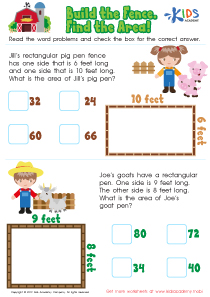
Discover our "Basic Math Skills Extra Challenge Matching Worksheets" designed specifically for ages 3-4! These engaging worksheets provide a fun way for young learners to develop foundational math skills. With vibrant illustrations and interactive matching activities, children will enhance their ability to recognize numbers, count objects, and understand basic math concepts. Ideal for reinforcing critical thinking and problem-solving skills, these worksheets encourage independent learning while fostering a love for mathematics. Perfect for preschool, home schooling, or supplementary practice, our worksheets are a great resource to challenge and inspire young minds. Start your child's math journey today!
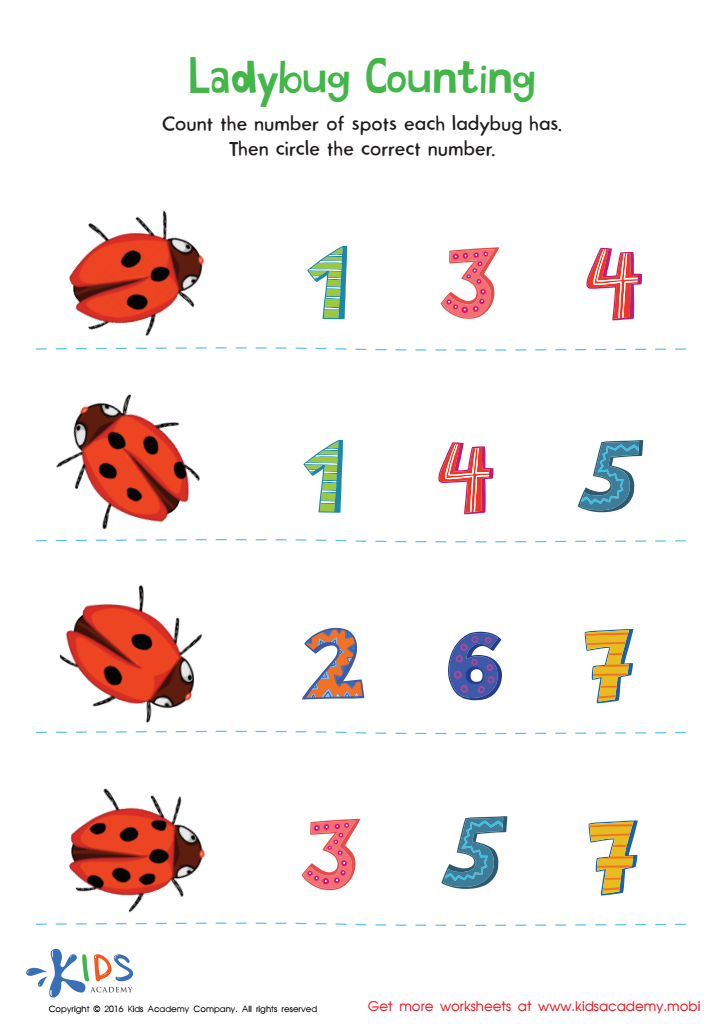
 Assign to My Students
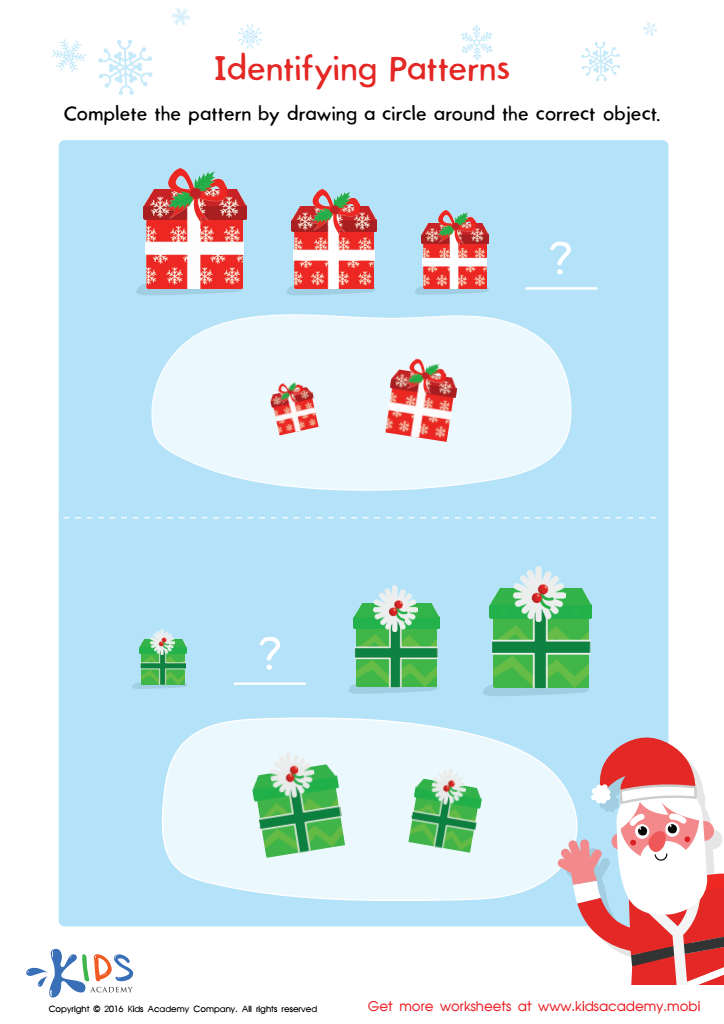
Identifying Patterns Worksheet
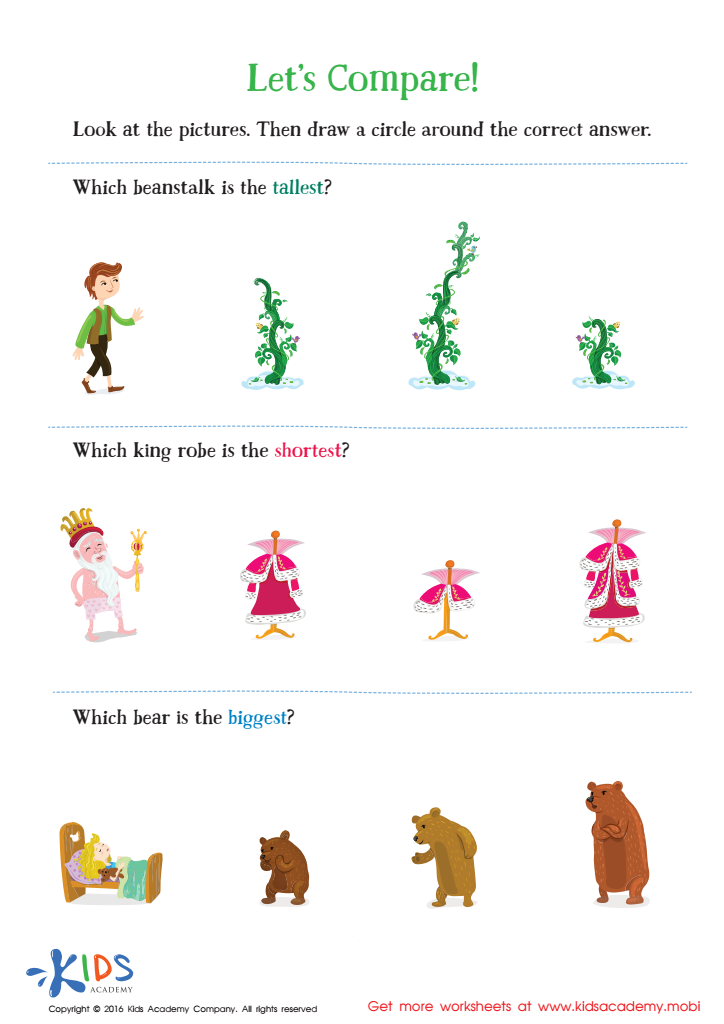
Fairy Tale Worksheet: Let's Compare







Basic Math Skills Extra Challenge Matching for Ages 3-4 is a valuable educational tool for parents and teachers, emphasizing the importance of early mathematical development. At this stage, children are naturally curious and eager to explore new concepts. Engaging them in fun and interactive activities cultivates a positive attitude towards learning, which lays the foundation for future academic success.
Developing basic math skills enhances critical thinking and problem-solving abilities. Activities such as matching games not only make learning enjoyable but also help reinforce essential skills such as counting, recognizing shapes, and understanding quantities. These early experiences contribute to cognitive growth, improving memory and concentration.
Additionally, incorporating math challenges into daily routines fosters a child's ability to connect abstract concepts to the real world. For parents, involvement in their child's learning process strengthens relationships and promotes a collaborative learning environment. For teachers, utilizing these extra challenges supports differentiated instruction, ensuring that all learners are engaged according to their developmental needs.
Overall, nurturing basic math skills at this young age equips children with the foundational tools necessary for lifelong learning, making it crucial for parents and teachers to prioritize and celebrate these educational milestones.