Filters

8 filtered results

Clear all filters
Favorites
With answer key
Interactive

8 filtered results

Difficulty Level

Grade


Boost your child's fine motor skills with our challenging Alphabet Worksheets, designed for ages 3-5. Each printable worksheet provides fun activities that promote hand-eye coordination and precision in writing. Through tracing letters and engaging exercises, your child will develop the foundational skills necessary for writing. Perfect for eager learners, these worksheets also enhance their ability to recognize and write each letter of the alphabet confidently. Ideal for home or classroom use, our Fine Motor Skills Extra Challenge Alphabet Worksheets make learning an enjoyable and rewarding experience. Help your little one master fine motor skills today!


Check out this FREE Trial Lesson on Alphabet for age 3-5!

X

Favorites
With answer key
Interactive
  • 3-5
  • Fine Motor Skills
  • Alphabet
  • Extra Challenge
Letter a worksheets
Letter a worksheets

Letter A Tracing Page

Trace and write the letter "A"! Start with the big red dot, then do the capital and lowercase versions. Then write it again with two words - apple and alligator. Download more tracing worksheets at Kids Academy.
Letter A Tracing Page
Worksheet
Letter Z worksheets
Letter Z worksheets

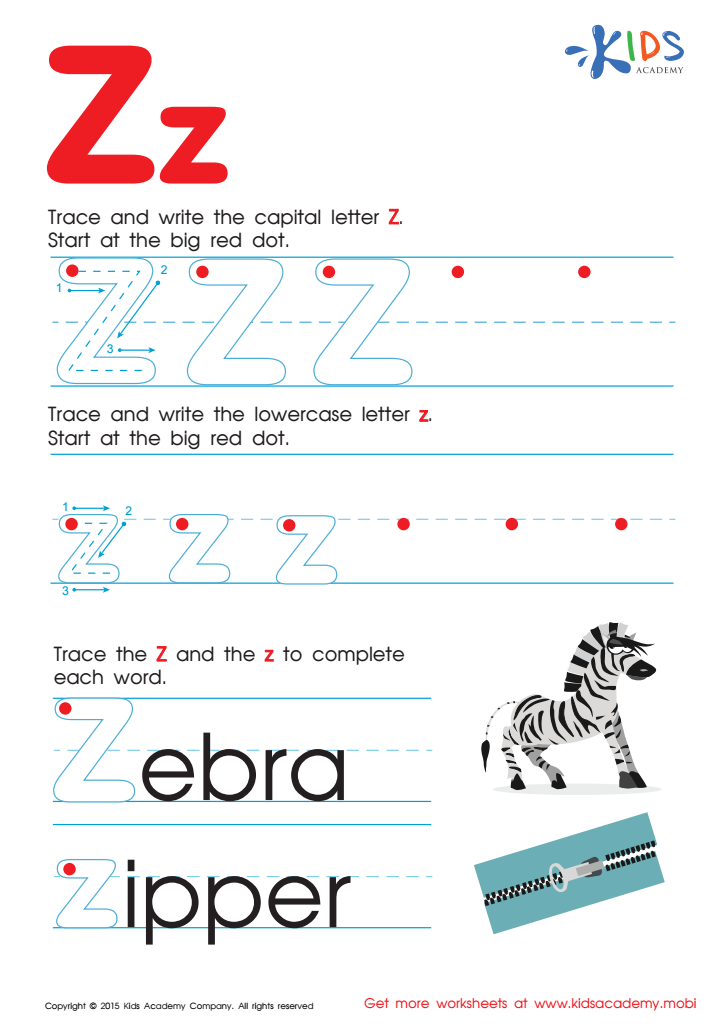
Letter Z Tracing Page

Trace and write capital "Z" and lowercase "z". Complete words "zebra" and "zipper". Be attentive and have fun! (80 words)
Letter Z Tracing Page
Worksheet
Baa Baa Black Sheep printable worksheet

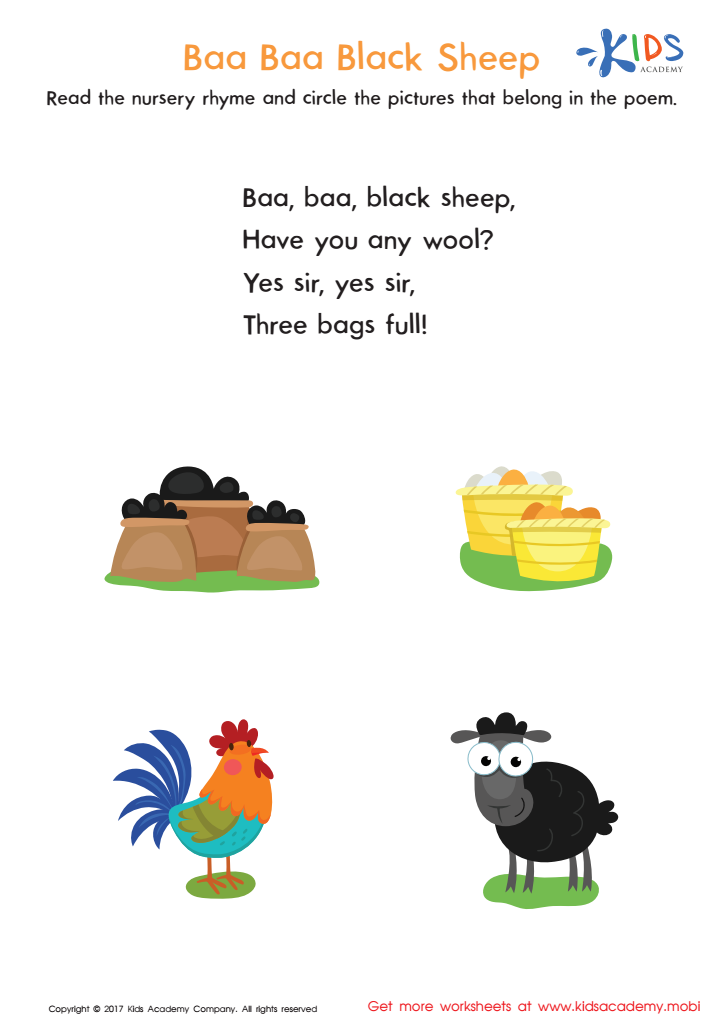
Baa Baa Black Sheep Printable

Jumpstart your child's reading skills with this printable Baa Baa Black Sheep worksheet! Recite the lines with them, then have them select the pictures associated with the poem to test comprehension. Fun and educational!
Baa Baa Black Sheep Printable
Worksheet
Letter R worksheets
Letter R worksheets

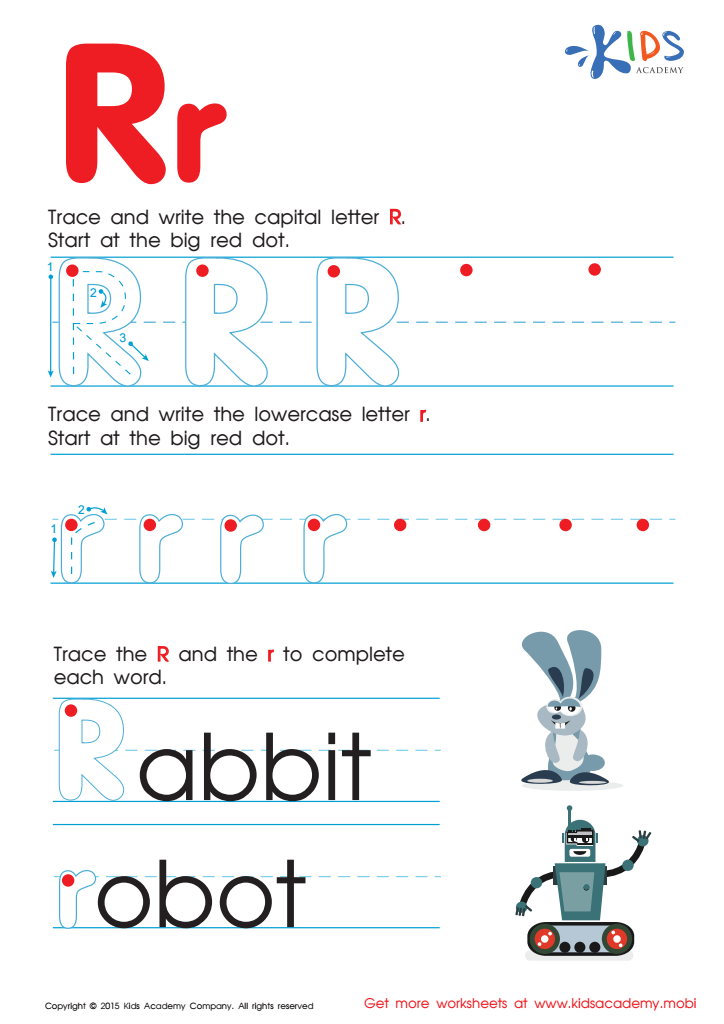
Letter R Tracing Page

Trace and write the letter "R" with this worksheet for kindergarten. Start with the uppercase, then move on to the lowercase. Write the letters several times for practice. Then help complete the words for the rabbit and robot, spelling carefully. More ABC worksheets can be found at Kids Academy.
Letter R Tracing Page
Worksheet
Letter X worksheets
Letter X worksheets

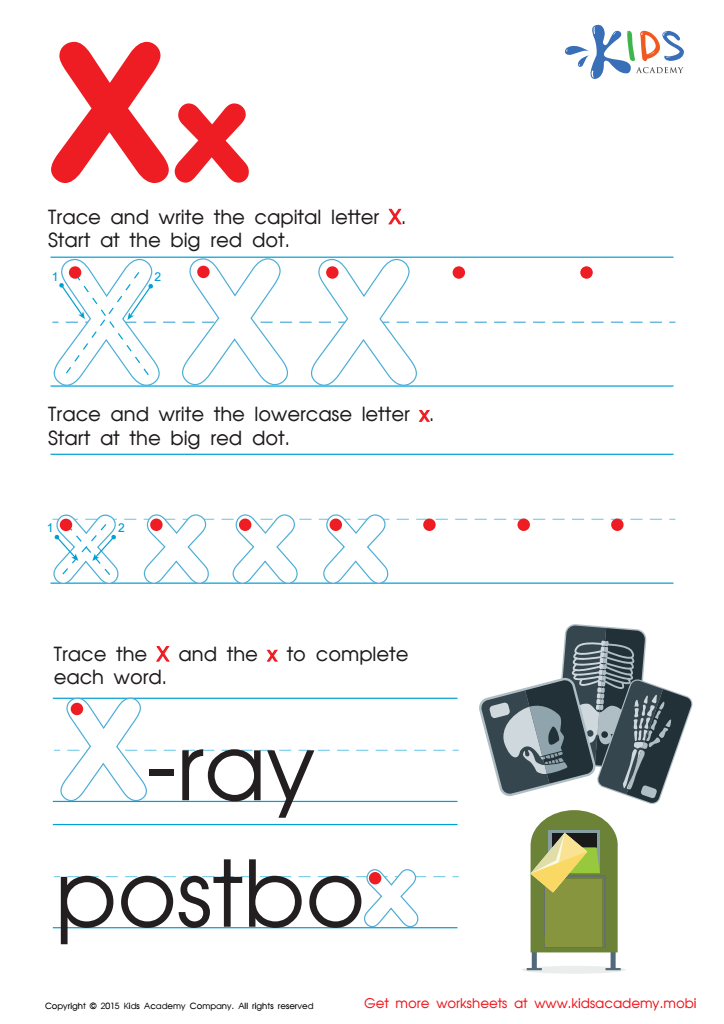
Letter X Tracing Page

Trace the uppercase letter "X" to learn, then write it yourself and practice. Then do the same with the lowercase "x" before completing the words "X-ray" and "postbox". Enjoy our alphabet printables!
Letter X Tracing Page
Worksheet
Letter U worksheets
Letter U worksheets

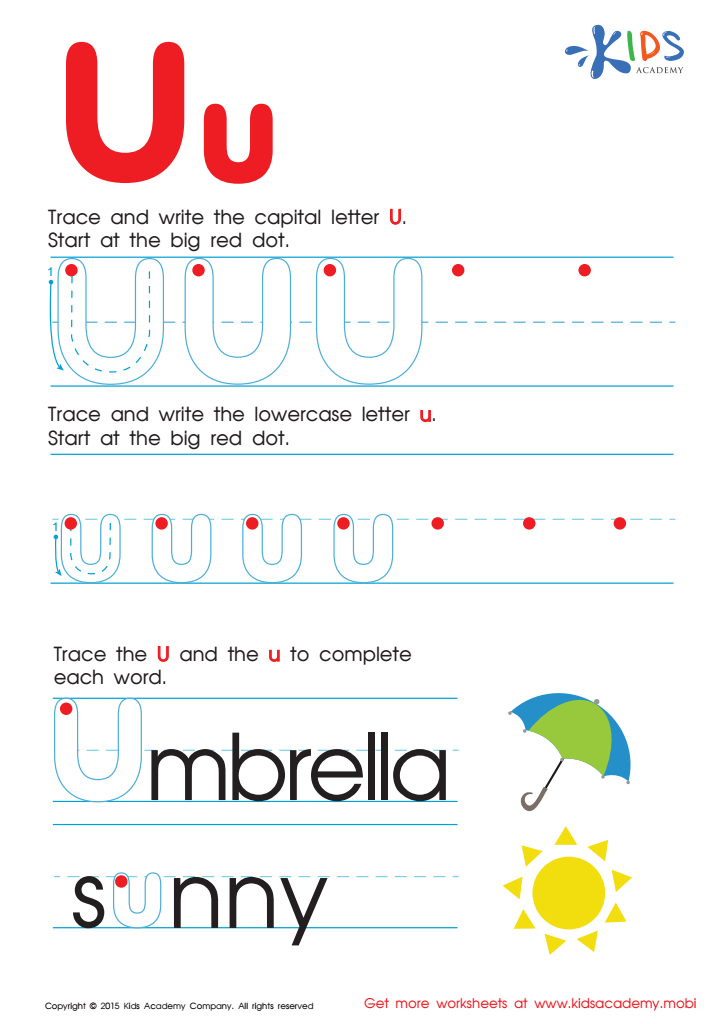
Letter U Tracing Page

Ready to trace and write the letter "U"? Use our worksheet and practice tracing both uppercase and lowercase letters. Complete the words "umbrella" and "sunny" with a capital "U". Check our full collection of alphabet printables for more activities.
Letter U Tracing Page
Worksheet
Letter V worksheets
Letter V worksheets

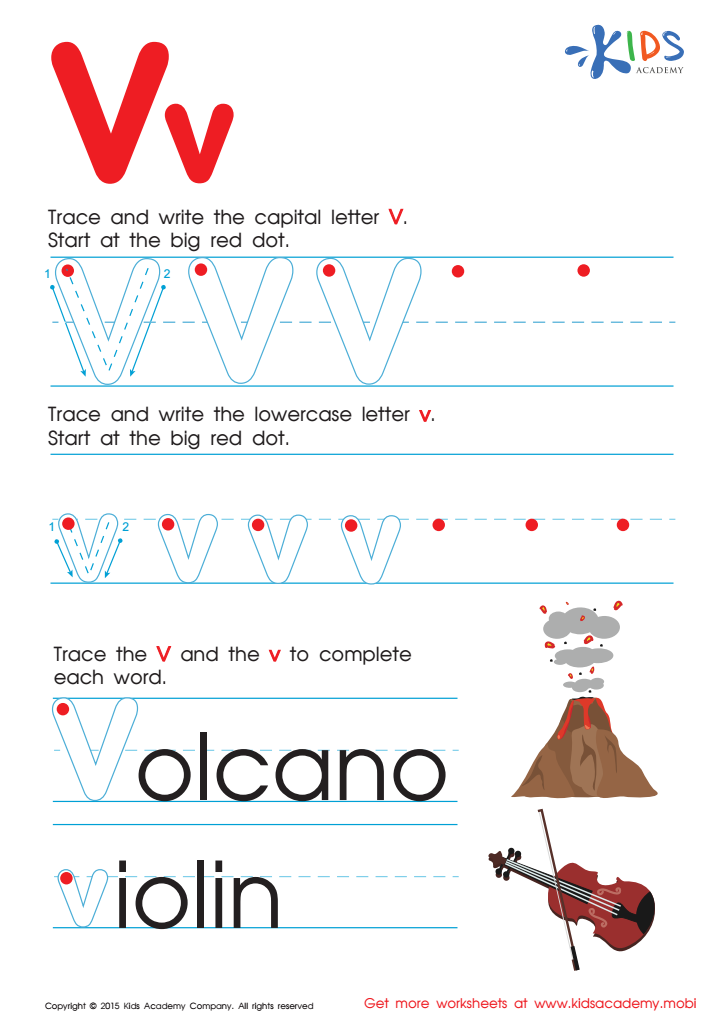
Letter V Tracing Page

Trace the uppercase and lowercase letter "V" with our kindergarten tracing worksheet. Begin at the red dot and follow the lines. Write it several times. Complete the words "Volcano" and "violin". Get more alphabet activities at Kids Academy.
Letter V Tracing Page
Worksheet
Letter T worksheets
Letter T worksheets

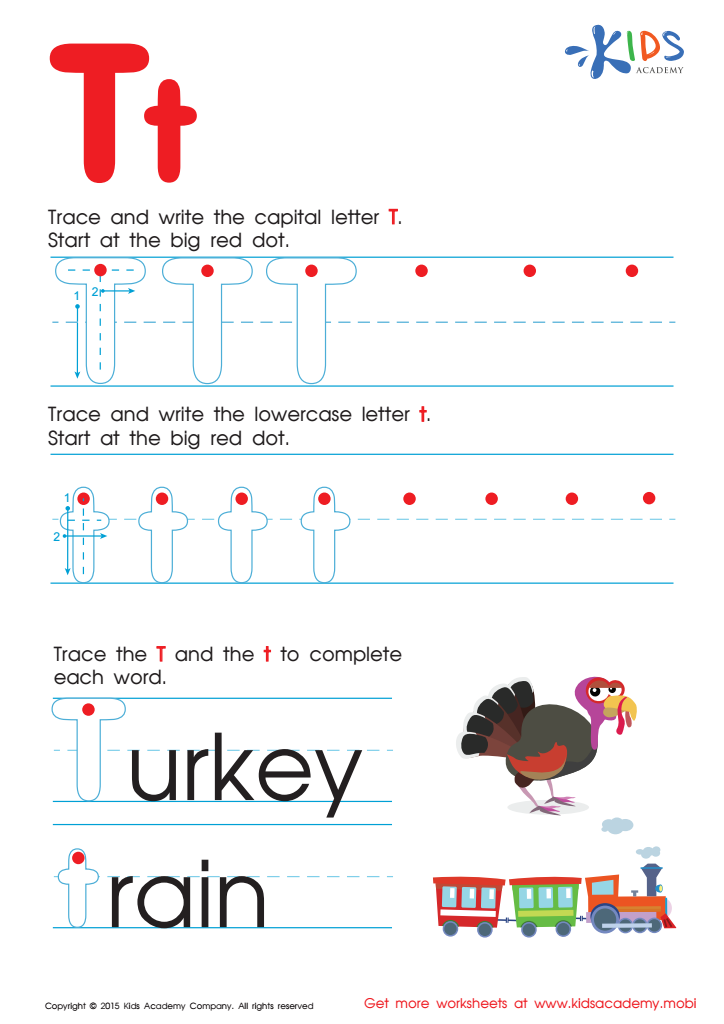
Letter T Tracing Page

Trace letters, complete words, draw pictures and see your kids having fun! Kids Academy offers alphabet tracing worksheets to learn to write letters. Start with the big red dot, trace the letter, then write it. Practice uppercase and lowercase. Have fun completing words with a Turkey or a rain-train and draw pictures. Get more printable worksheets to make learning enjoyable.
Letter T Tracing Page
Worksheet


Fine motor skills are crucial in early childhood development, contributing significantly to a child's ability to perform essential tasks such as writing, buttoning, and cutting with scissors. Focusing on fine motor skills extra challenge alphabet activities for children aged 3-5 provides a structured yet engaging way to hone these abilities. Introducing the alphabet while targeting fine motor prowess serves dual purposes: cognitive development and physical dexterity.

For instance, tracing letters, practicing with alphabet puzzles, or using clay to form letters allows children to build muscle strength and coordination in their hands and fingers. This fortifies their grip and control, laying the foundation needed for successful handwriting skills later on. These activities also bolster cognitive growth by associating letters with sounds and patterns, promoting early literacy.

Moreover, fostering fine motor skills enhances a child's overall independence and confidence. Simple tasks like tying shoes or zipping jackets become easier, translating to greater self-reliance. Engagement with such alphabet-focused exercises also supports patience and perseverance, key traits that will benefit children throughout their education and daily lives.

By integrating fine motor skill challenges with alphabet learning, parents and teachers can provide a comprehensive educational experience that accelerates both academic and personal development.