Fine Motor Skills Extra Challenge Letter Recognition Worksheets for Ages 3-5
7 filtered results
-
From - To
Introduce your child to the world of letters with our Fine Motor Skills Extra Challenge Letter Recognition Worksheets for Ages 3-5. Specifically designed to boost both letter recognition and fine motor skills, these engaging worksheets offer a dual benefit. Perfect for young learners, the activities encourage proper pencil grip, tracing, and pre-writing skills while familiarizing kids with alphabetical concepts. Ideal for preschoolers and kindergarteners, each worksheet combines education with fun, ensuring that learning the alphabet becomes an adventure. Help your child get ahead in literacy and motor development with our expertly crafted resources, setting a strong foundation for future academic success.
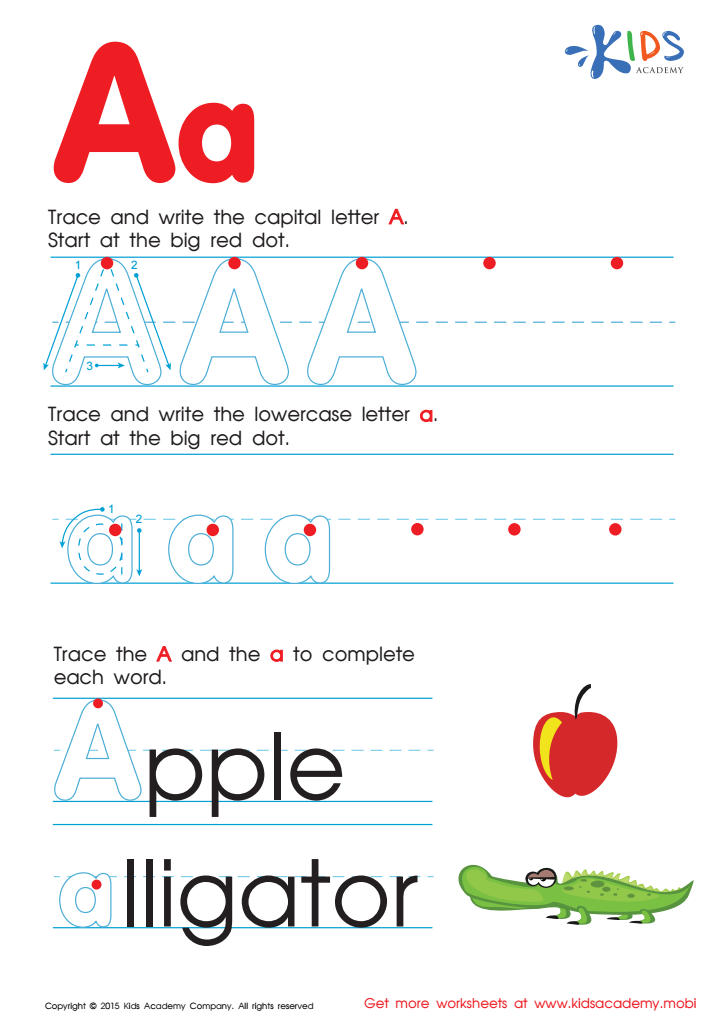
Letter A Tracing Page
 Assign to My Students
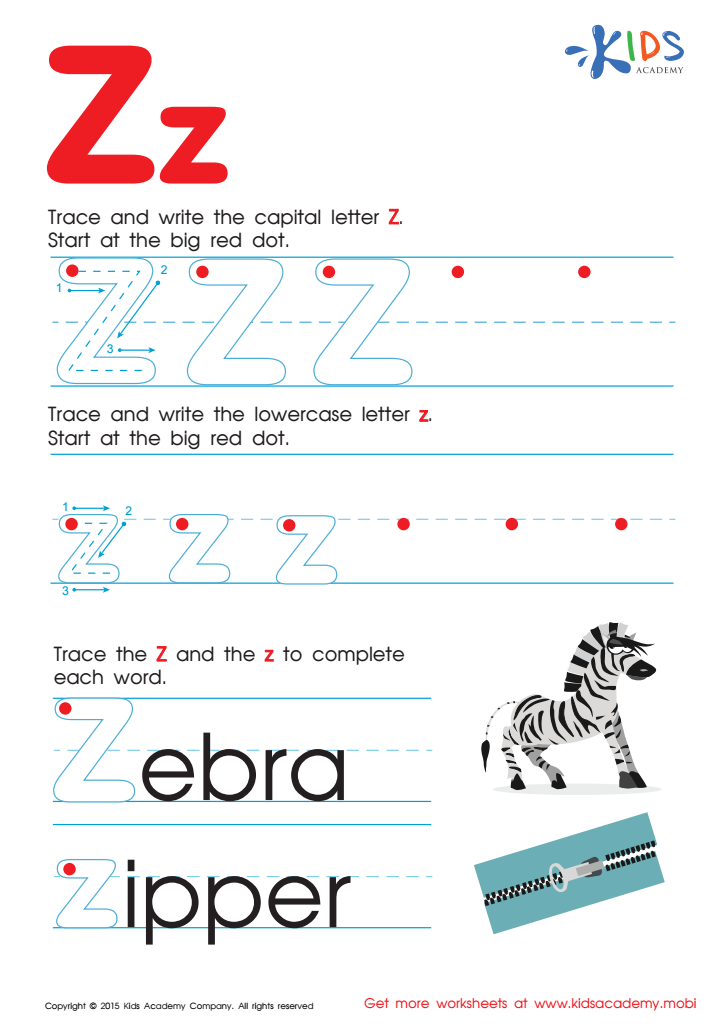
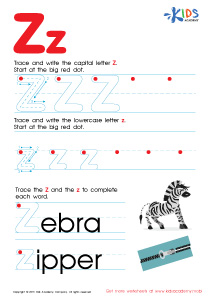
Letter Z Tracing Page
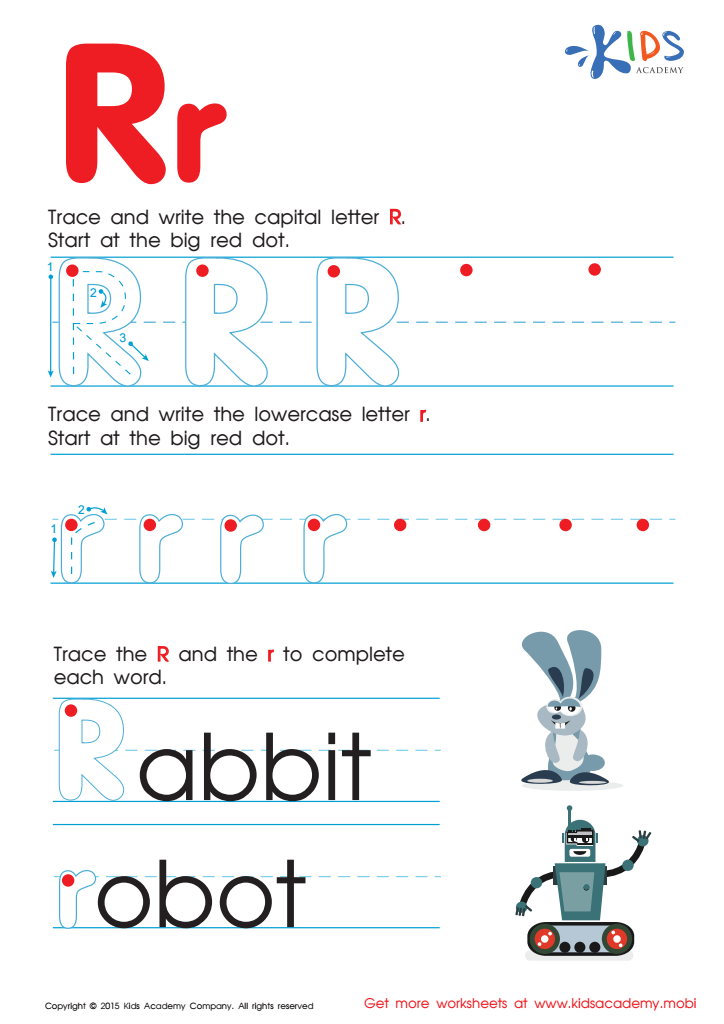
Letter R Tracing Page
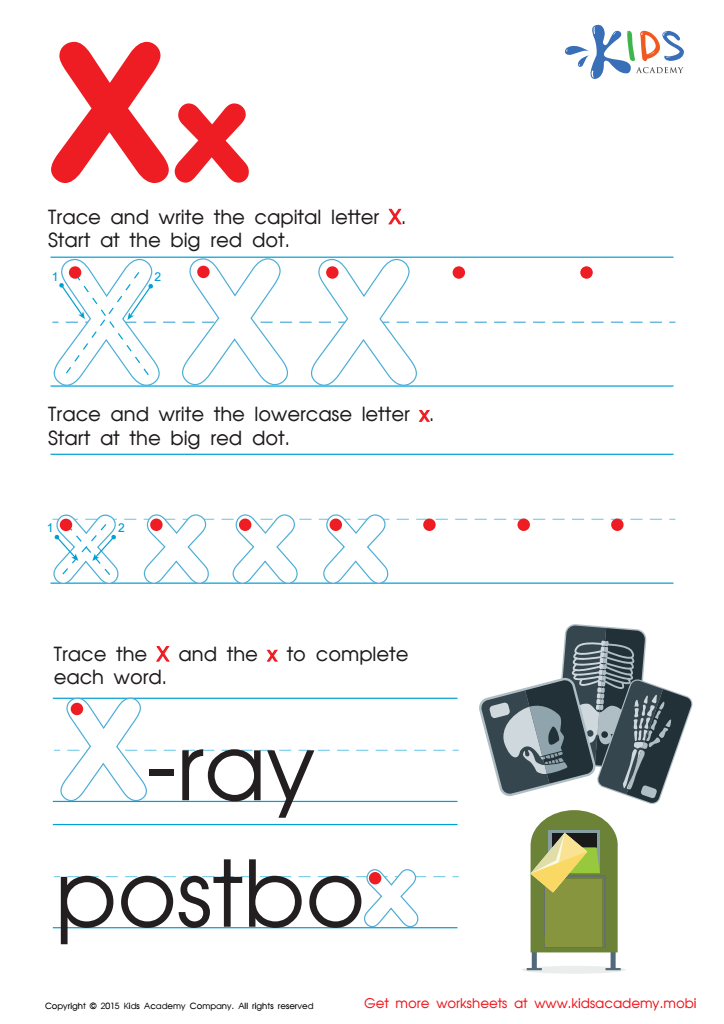
Letter X Tracing Page
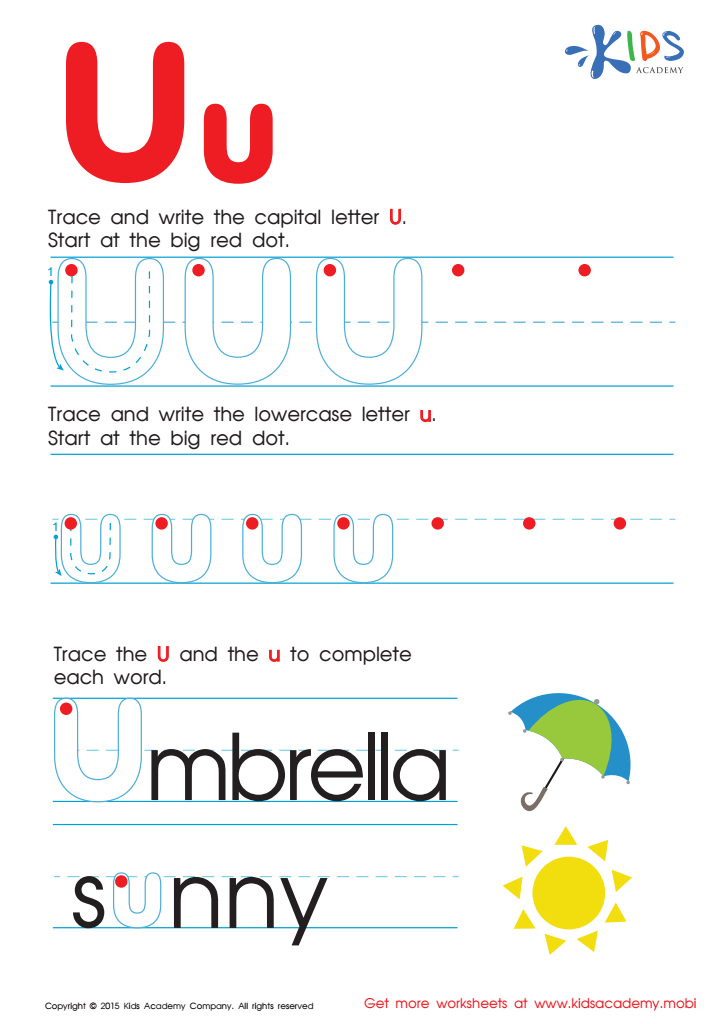
Letter U Tracing Page
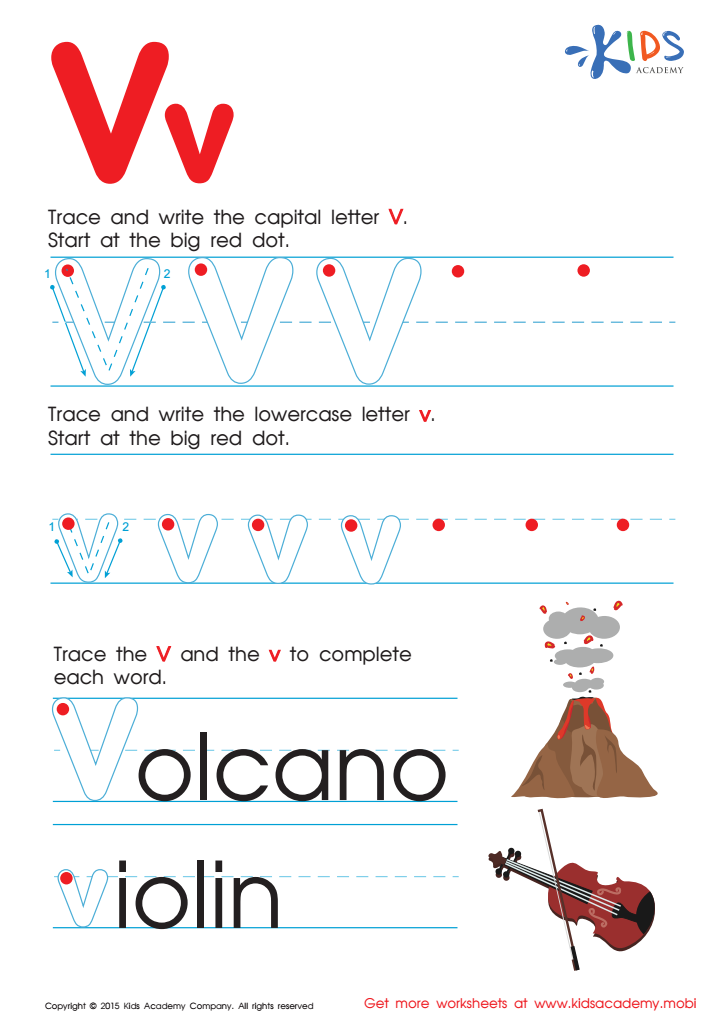
Letter V Tracing Page
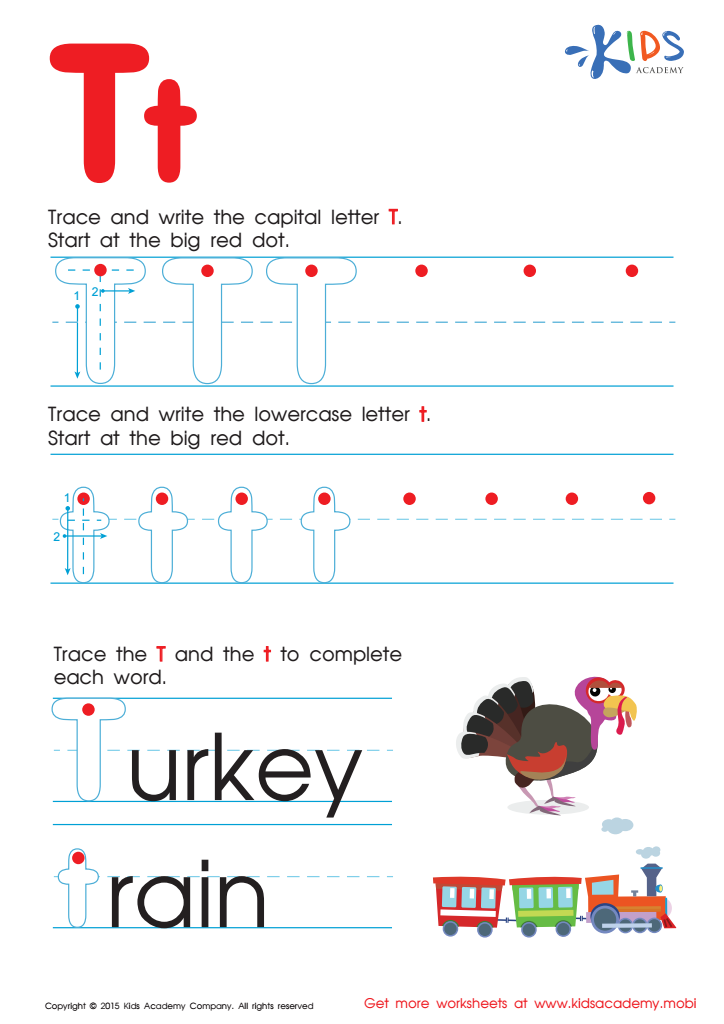
Letter T Tracing Page








Parents and teachers should care deeply about Fine Motor Skills Extra Challenge Letter Recognition for children ages 3-5 as it lays a crucial foundation for their future academic success and overall development. During these formative years, children's brains are incredibly receptive to learning, making it an ideal period to foster essential skills.
Fine motor skills involve the coordination of small muscles in the hands and fingers, crucial for tasks such as writing, buttoning clothes, and using scissors. By engaging in activities that challenge these skills, like extra challenge letter recognition, children strengthen their hand-eye coordination and dexterity. As they trace and write letters, they develop precision and control, which are imperative for more advanced writing and drawing as they progress in school.
Moreover, early letter recognition is a fundamental building block for literacy. Recognizing and writing letters help children understand that symbols have meaning, a critical concept for reading and writing. By combining fine motor skill development with letter recognition exercises, children not only learn to identify letters but also associate them with sounds and words, paving the way for early reading skills.
Thus, by focusing on Fine Motor Skills Extra Challenge Letter Recognition, parents and teachers ensure that children develop the necessary physical and cognitive abilities for future educational endeavors, fostering confidence, proficiency, and a love for learning.