Vowel Recognition Extra Challenge Missing Vowels Worksheets for Ages 3-5
4 filtered results
-
From - To
Boost your preschooler's reading skills with our Vowel Recognition Extra Challenge Missing Vowels Worksheets designed for ages 3-5! These engaging worksheets offer a fun and interactive way for young learners to identify vowels within words. As children fill in the missing vowels, they enhance their phonemic awareness, word recognition, and literacy development. Our thoughtfully crafted exercises support playful learning while keeping your little ones entertained and focused. Perfect for home or classroom use, these worksheets foster confidence and proficiency in letter recognition. Unlock the joy of learning and watch your child's reading abilities flourish with our vowel recognition challenges today!
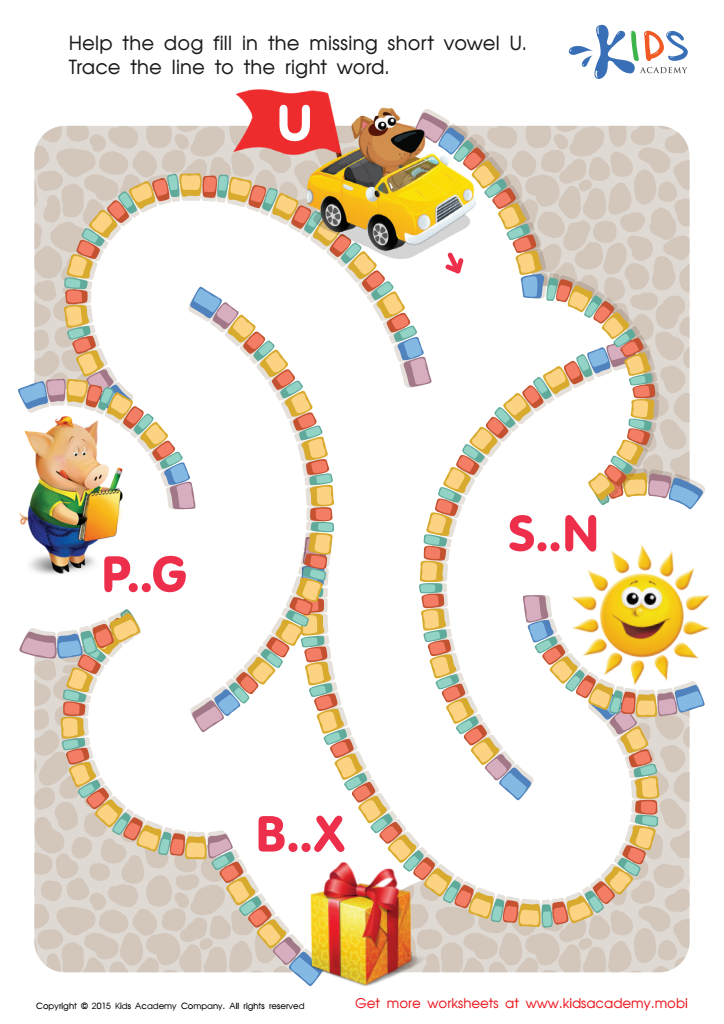
Short Vowel Sound U Worksheet
 Assign to My Students
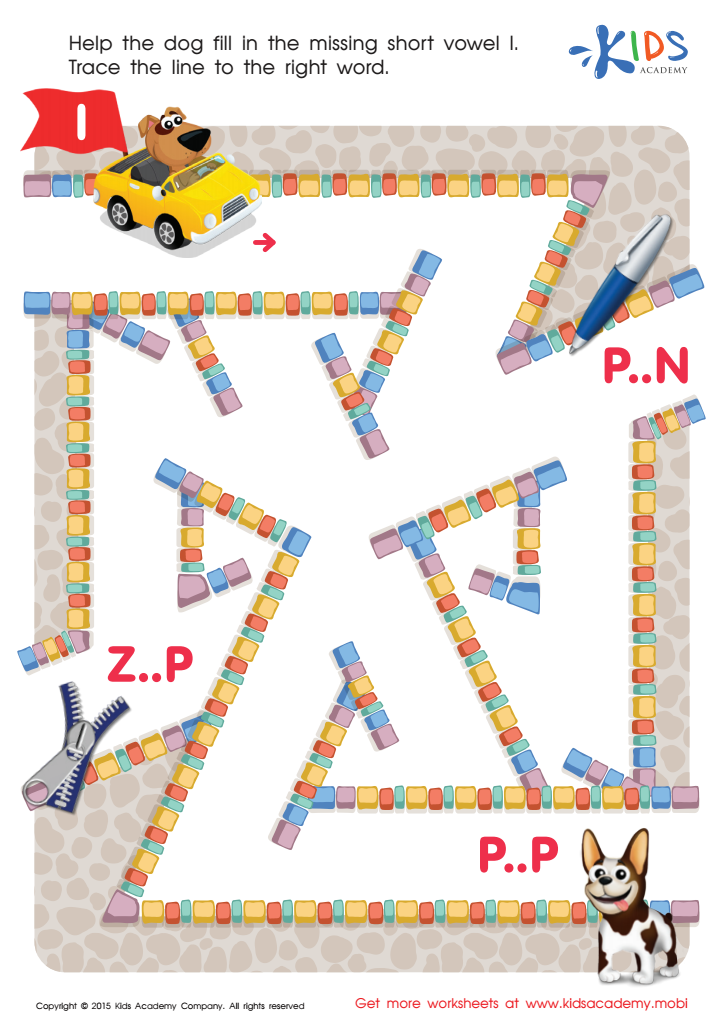
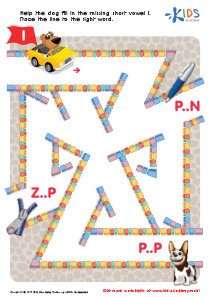
Short Vowel Sound I Worksheet
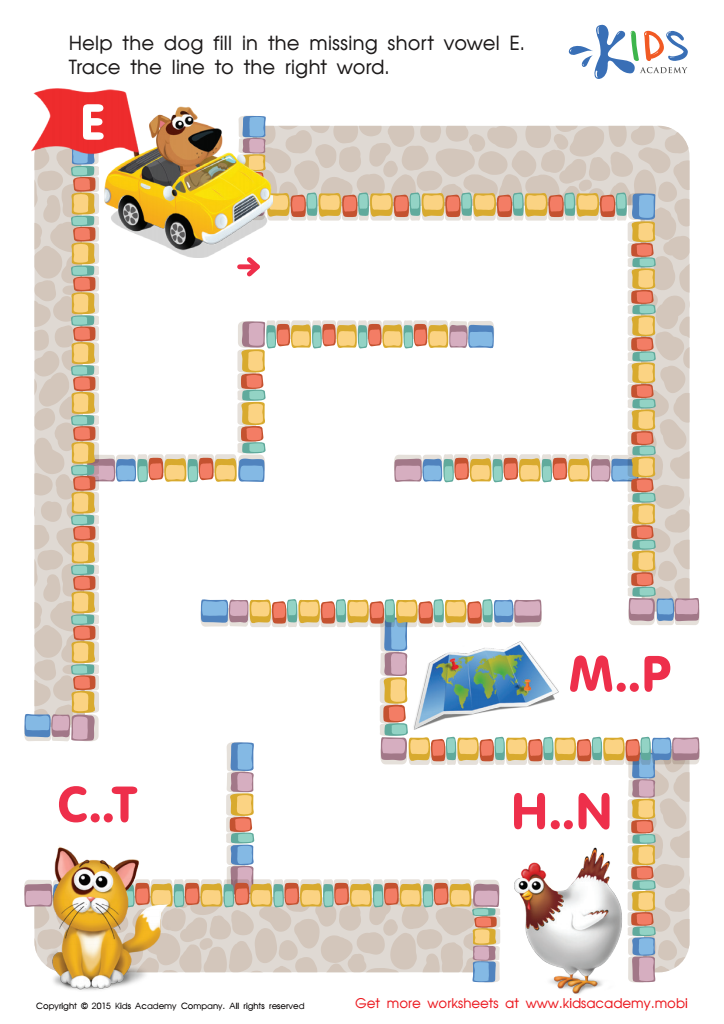
Short Vowel Sound E Worksheet
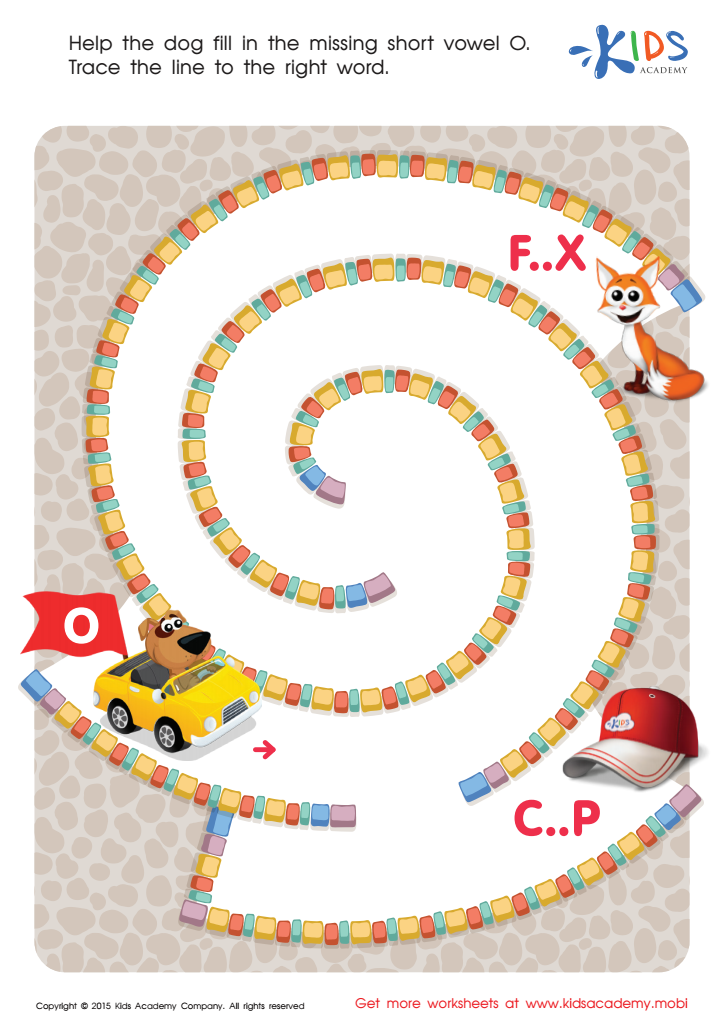
Short Vowel Sound O Worksheet


Vowel recognition is a foundational skill in early literacy that significantly impacts a child's reading and language development. The "Extra Challenge Missing Vowels" activity for ages 3-5 is particularly beneficial as it encourages young learners to identify and differentiate between vowels, which are critical for phonetic awareness and word formation.
Parents and teachers should care about this activity because it promotes cognitive engagement and supports language development in a fun and interactive way. By removing vowels from familiar words, children are challenged to think critically about sound patterns and letter recognition, ultimately enhancing their decoding skills. This activity nurtures phonemic awareness, helping children understand how different sounds contribute to meaning and ultimately reading fluency.
Furthermore, early engagement in these activities fosters a love for reading and learning. As children develop confidence in their vowel recognition skills, they may become more motivated to explore reading independently. By incorporating simple challenges like "Missing Vowels," parents and teachers can create a dynamic learning environment where children can thrive, paving the way for future academic success. Investing time in such foundational exercises not only strengthens literacy skills but also builds a child's curiosity and confidence in language arts.