Comparing sizes Extra Challenge Math Worksheets for Ages 3-5
3 filtered results
-
From - To
Introduce young learners to the concepts of measurement and comparison with our "Comparing Sizes Extra Challenge Math Worksheets for Ages 3-5." These fun and engaging worksheets are designed to help preschoolers and kindergarteners enhance their math skills by comparing the sizes of various objects. Through colorful illustrations and interactive activities, children will develop critical thinking and observational skills while having fun. Perfect for early learners eager for an extra challenge, these worksheets lay the groundwork for future math success. Check out our comprehensive set of size comparison worksheets and make learning an enjoyable adventure for your child!
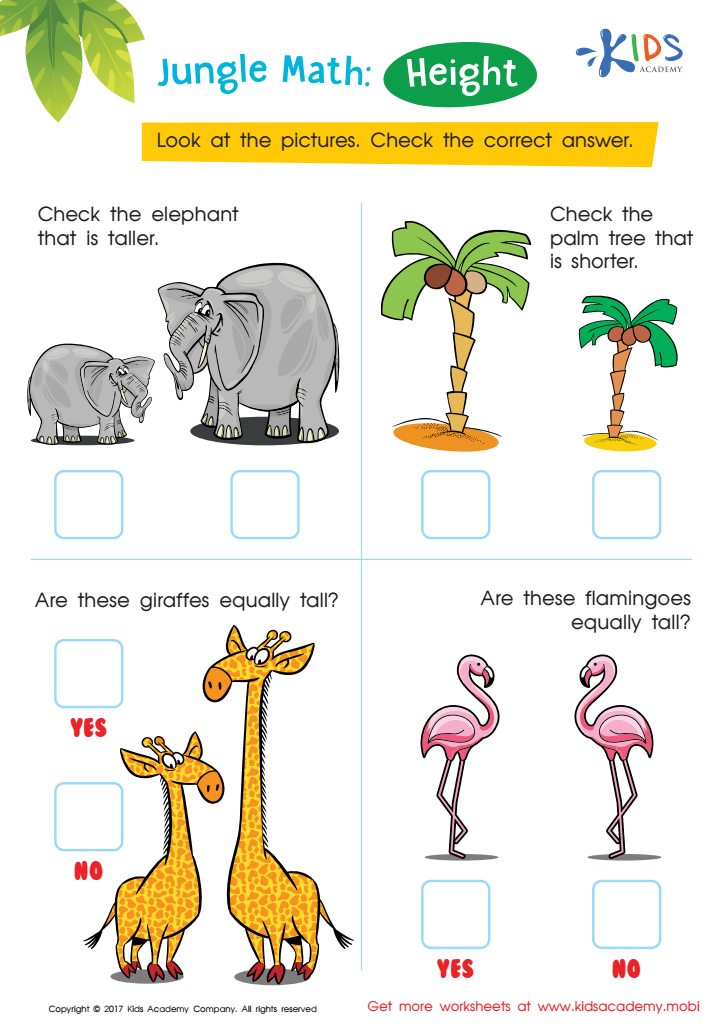
Which Is Taller Worksheet
 Assign to My Students
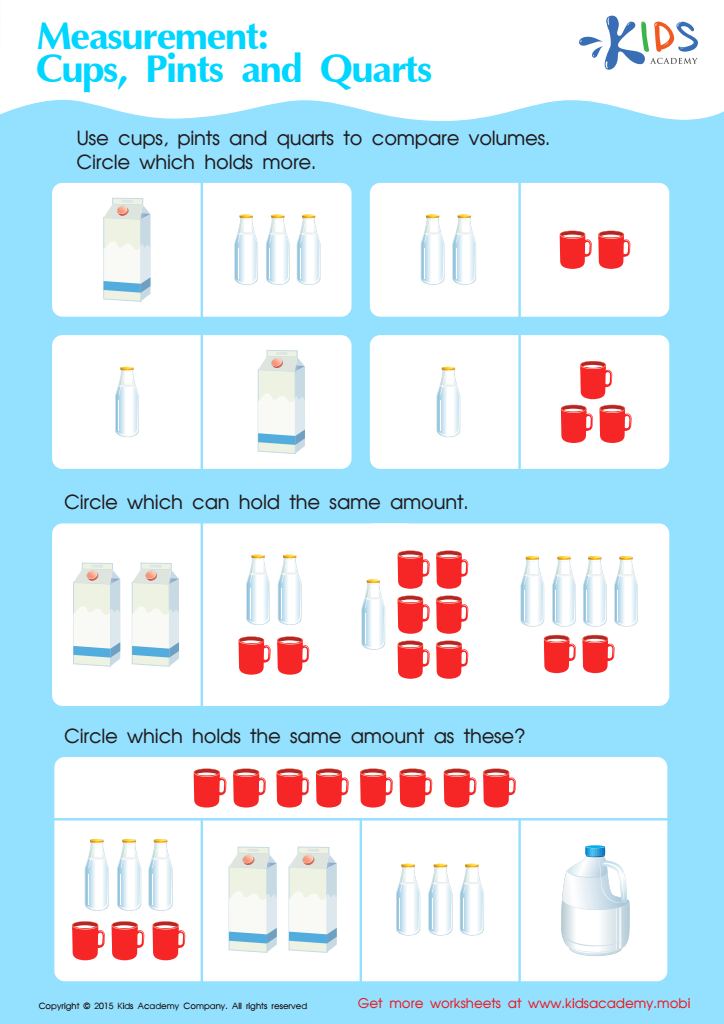
Measurement: Compare Volumes Worksheet
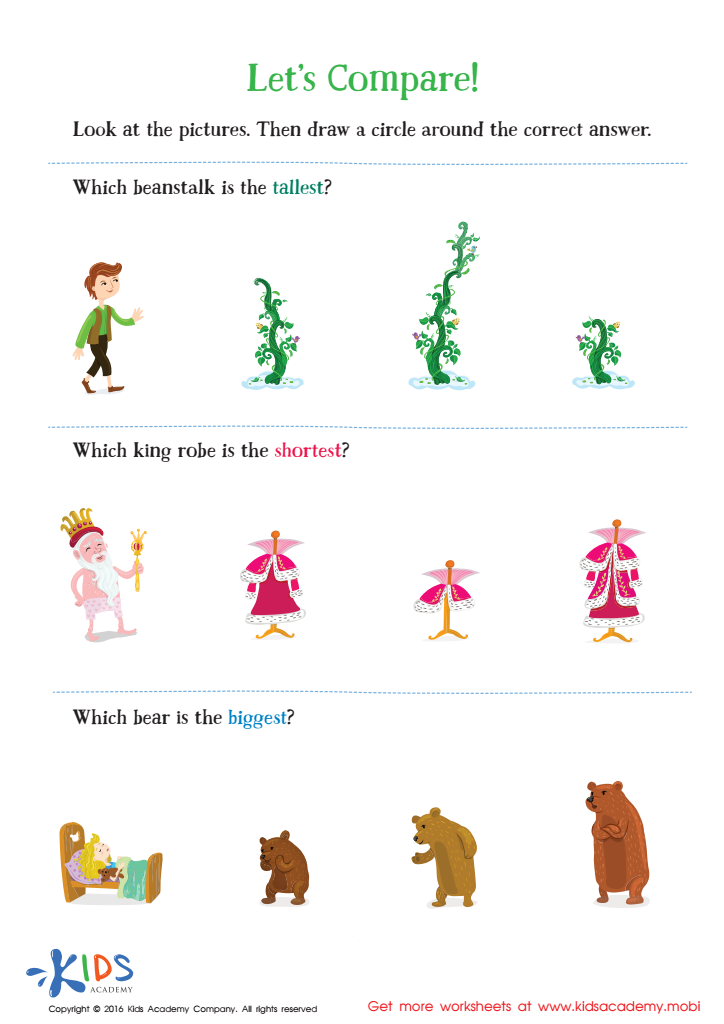
Fairy Tale Worksheet: Let's Compare


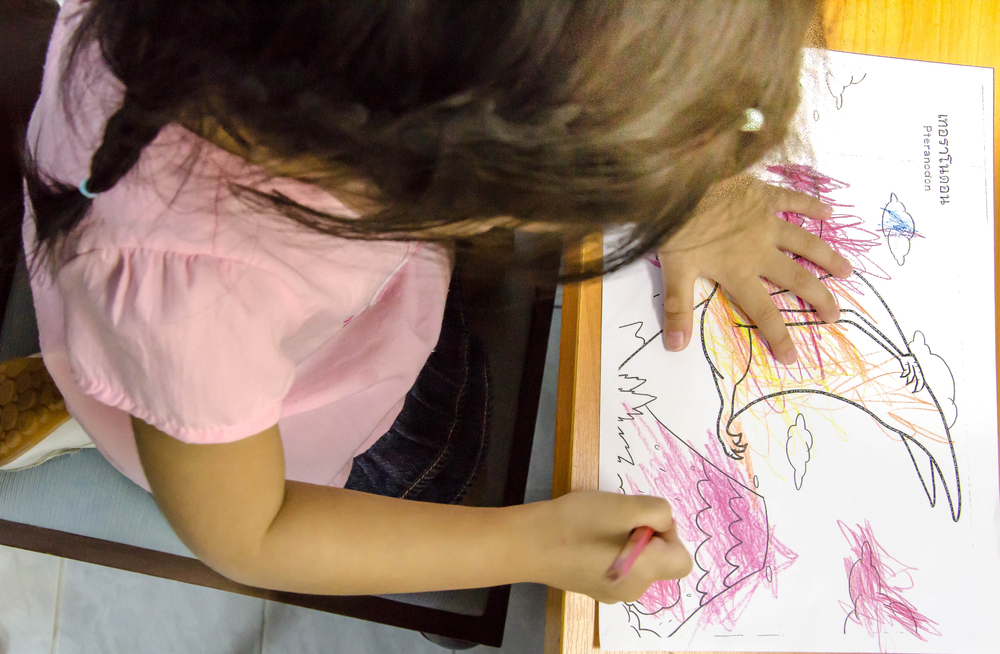




Comparing sizes in an Extra Challenge Math activity is vital for the cognitive and developmental growth for children ages 3-5, laying foundational skills for future learning. At this critical age, young learners are developing their abilities to observe, differentiate, and categorize objects in their environment. Engaging them in comparing sizes fosters mathematical thinking, enhancing their ability to understand and use concepts such as bigger, smaller, taller, and shorter.
These activities enhance spatial awareness and visual perception, skills necessary for subjects far beyond math, influencing future learning in science, art, and physical activities. They also support language development, as children learn to articulate differences and relationships between objects, thus expanding their vocabulary and descriptive language skills.
Moreover, comparing sizes cultivates critical thinking and problem-solving abilities. Children learn to predict and hypothesize, strengthening logical reasoning. Additionally, involving parents or teachers in these activities provides an opportunity for interactive, focused educational bonding. It ensures children receive guidance and positive reinforcement, encouraging confidence and curiosity.
Early exposure to playful, hands-on math challenges helps establish positive attitudes toward learning and math, setting a strong educational foundation. Thus, parents and teachers should prioritize these activities to promote well-rounded growth in their young learners.








