Fine Motor Skills Extra Challenge Letter Recognition Worksheets for Ages 3-6
7 filtered results
-
From - To
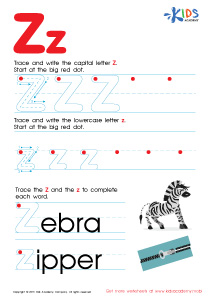
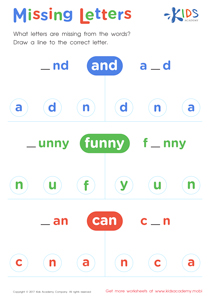
Enhance your child’s learning experience with our Fine Motor Skills Extra Challenge Letter Recognition Worksheets designed specifically for ages 3-6! These engaging worksheets help young learners master the alphabet while developing essential fine motor skills. Each worksheet features a variety of fun activities that promote tracer techniques, encourage letter identification, and boost hand-eye coordination. Perfect for homeschooling or classroom use, these resources make learning enjoyable and effective. Watch your child gain confidence in their abilities as they practice letter recognition through creative play. Start shaping their future with these invaluable worksheets today! Discover a world of learning fun right at your fingertips!

Letter A Tracing Page
 Assign to My Students
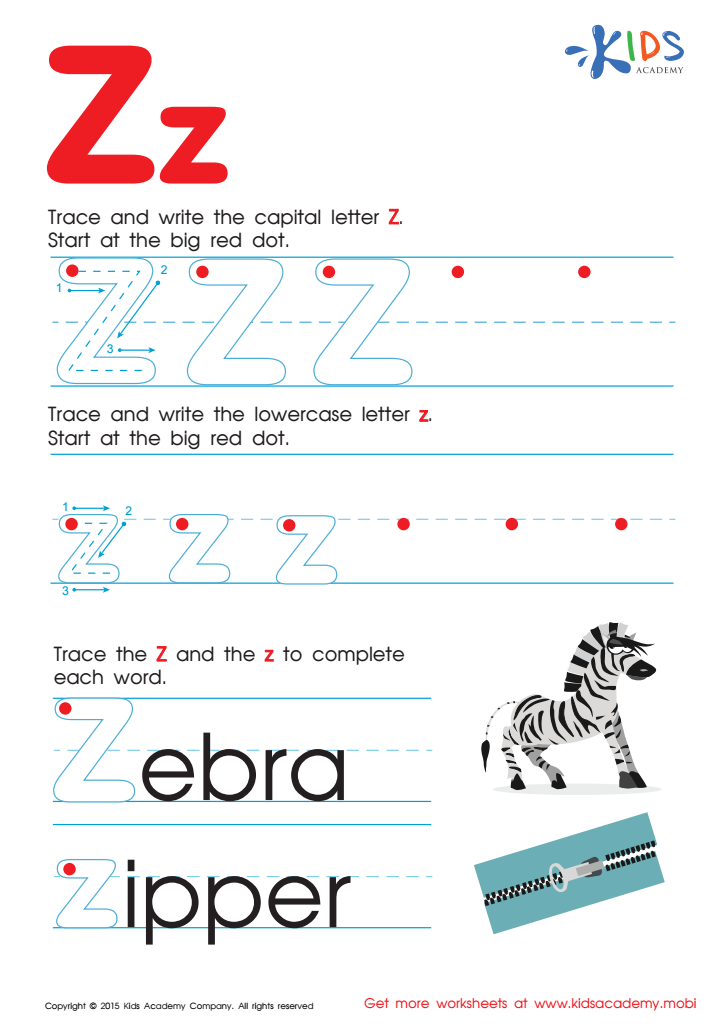
Letter Z Tracing Page
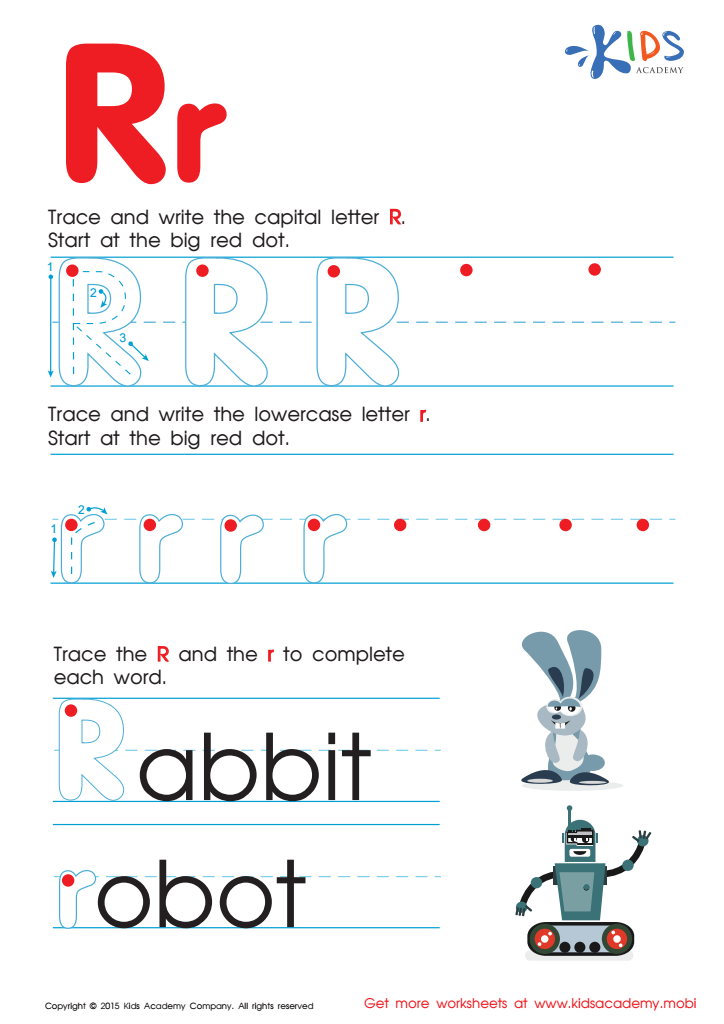
Letter R Tracing Page
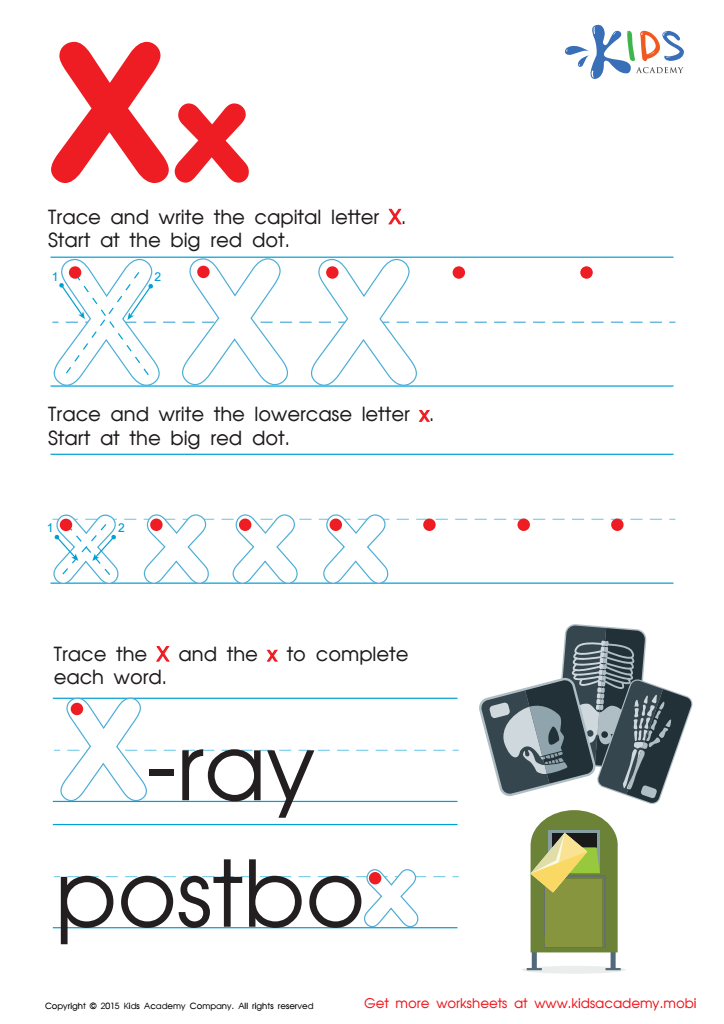
Letter X Tracing Page
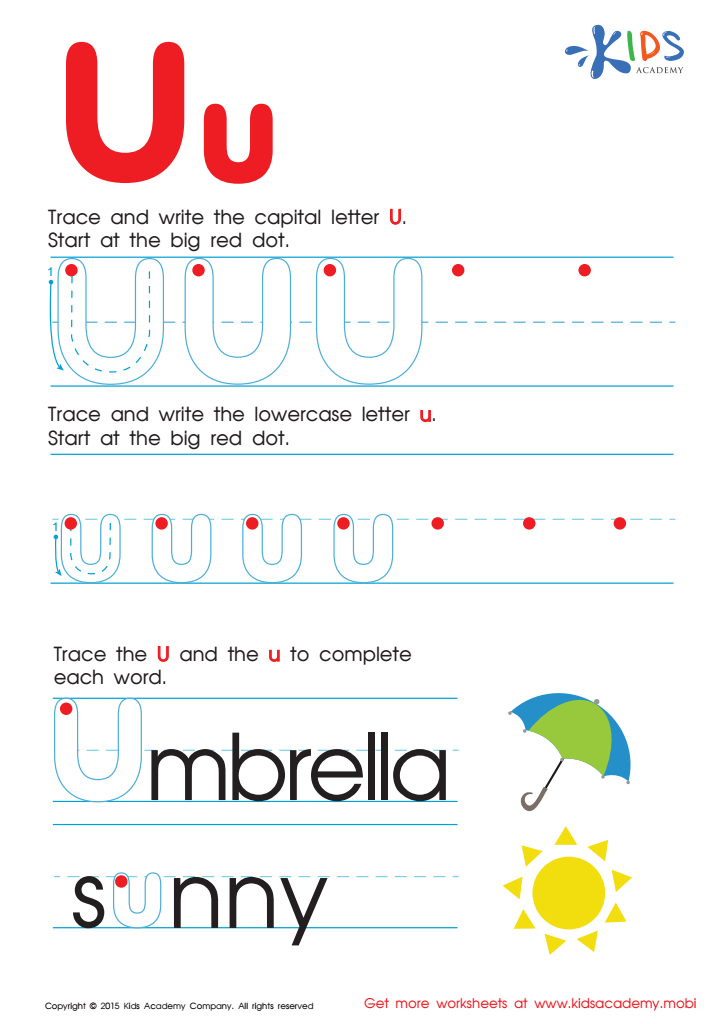
Letter U Tracing Page
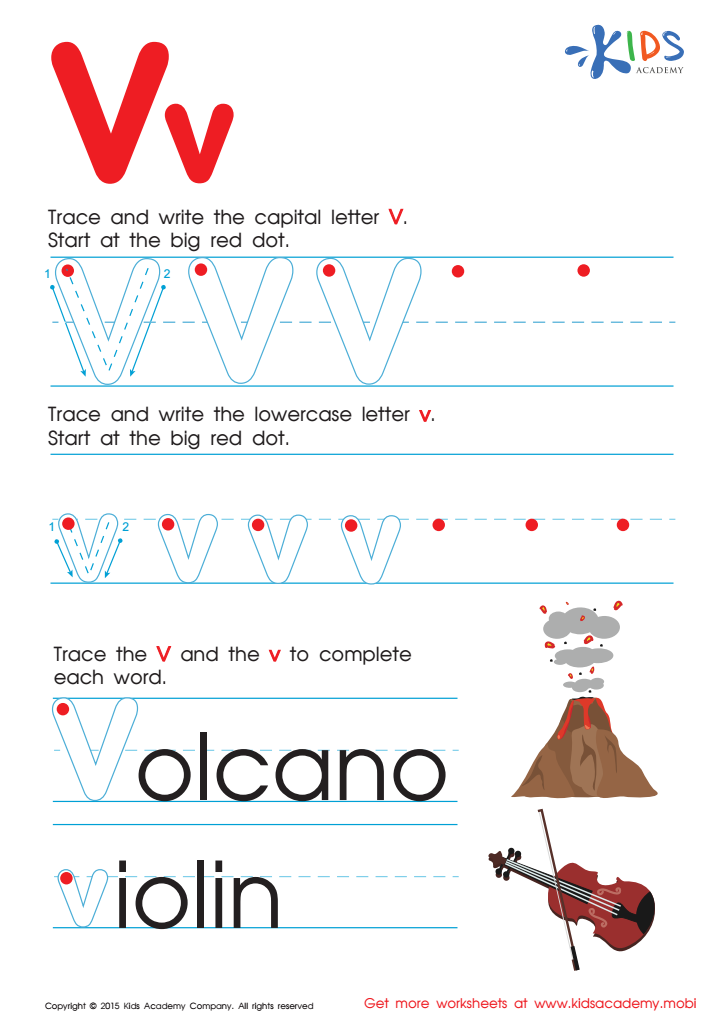
Letter V Tracing Page
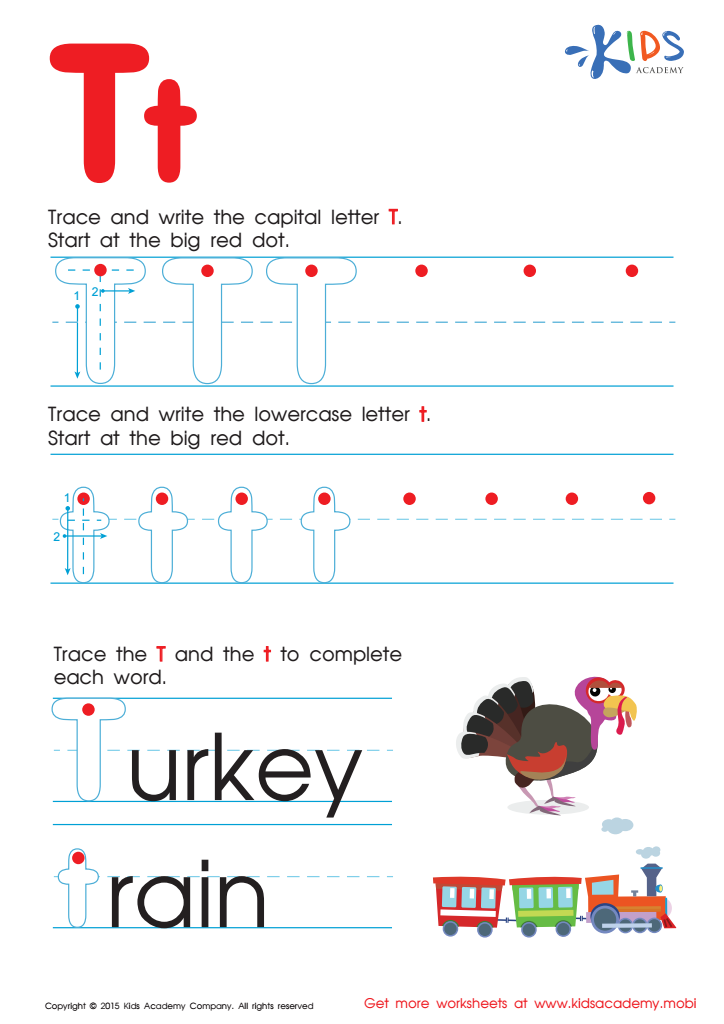
Letter T Tracing Page








Fine motor skills and letter recognition are crucial components of early childhood development, influencing a child’s ability to succeed academically and socially. For children aged 3-6, refining fine motor skills—such as grasping, manipulating objects, and coordinated hand movements—enhances their ability to perform tasks ranging from writing to tying shoelaces.
Incorporating extra challenges related to letter recognition enhances cognitive development and caters to different learning styles. As children engage in activities that promote both fine motor skills and letter recognition—like tracing letters, using playdough to form letters, or participating in letter-themed crafts—they build foundational literacy skills that facilitate reading and writing later on.
Parents and teachers should recognize that these skills also foster confidence and independence. When kids master these tasks, they develop a sense of accomplishment, boosting their self-esteem and encouraging a lifelong love of learning.
Moreover, strong early foundations in fine motor skills and literacy can mitigate later academic struggles. Thus, investing attention and resources in Fine Motor Skills Extra Challenge Letter Recognition activities ensures that children are adequately prepared for future educational milestones. Engaging them in these skill-building exercises creates a nurturing environment that supports holistic growth during these formative years.