Color Identification Extra Challenge Math Worksheets for Ages 3-6
3 filtered results
-
From - To
Explore our Color Identification Extra Challenge Math Worksheets designed for ages 3-6! Perfect for early learners, these worksheets incorporate fun, engaging activities that boost both color recognition and foundational math skills. Each worksheet presents a unique set of challenges where kids match, sort, and count colorful objects, enhancing cognitive development and hand-eye coordination. Ideal for hands-on learning, these printables are great for home or classroom use. Ensure your child’s successful start in math and color identification with our expertly crafted resource, blending education and entertainment seamlessly. Download now to see your child's confidence grow!
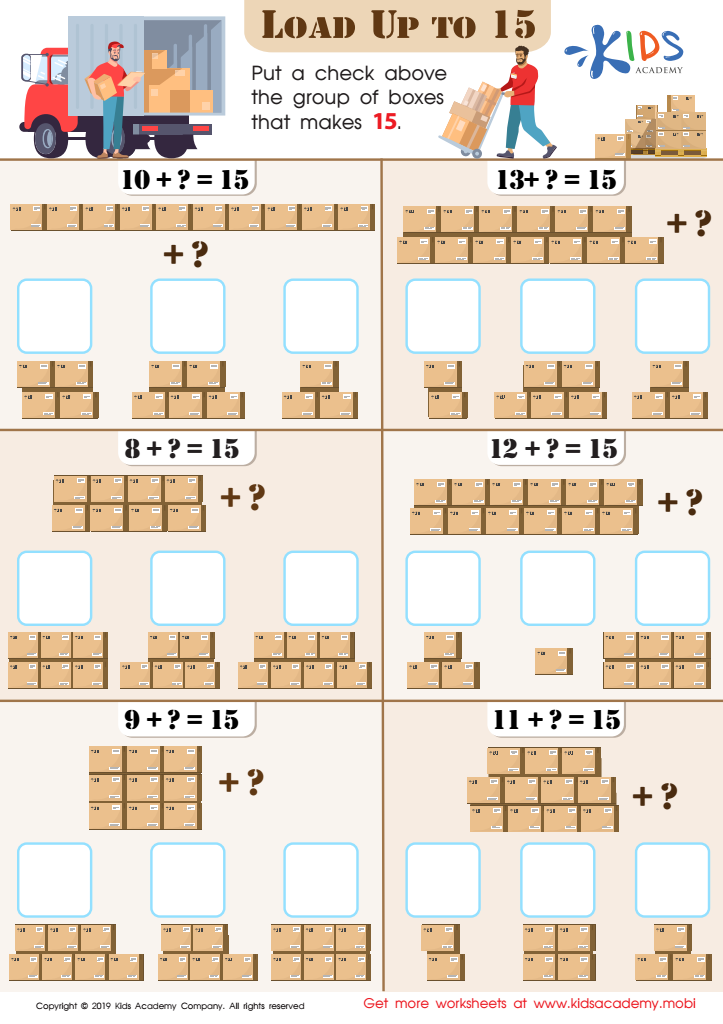
Load up to 15 Worksheet
 Assign to My Students
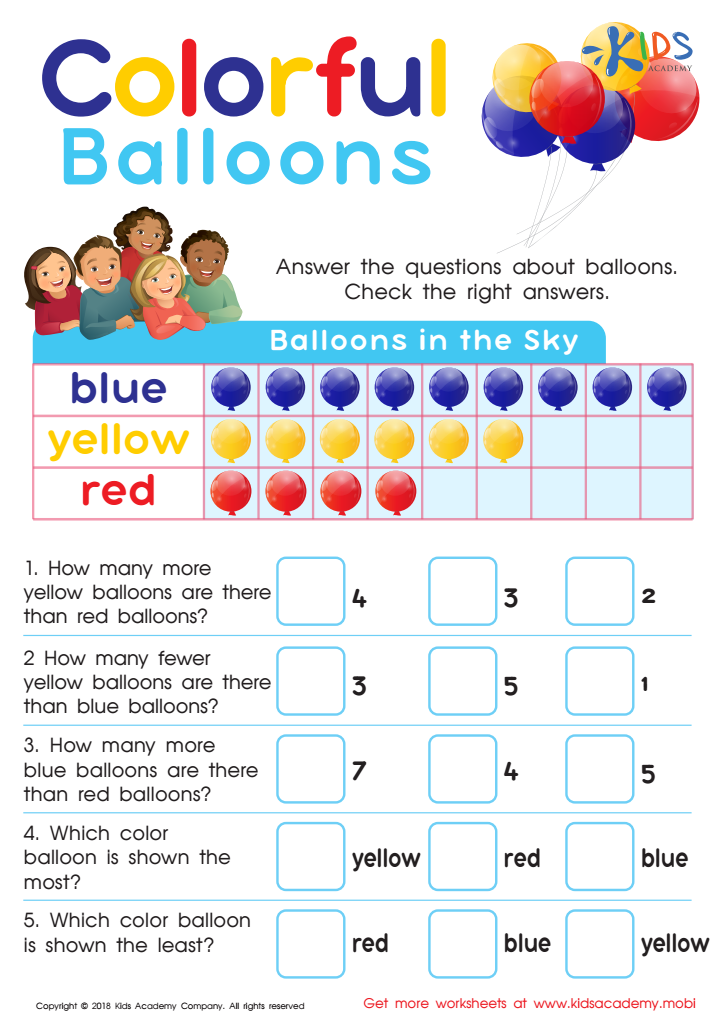
Picture Graphs: Colorful Balloons Worksheet
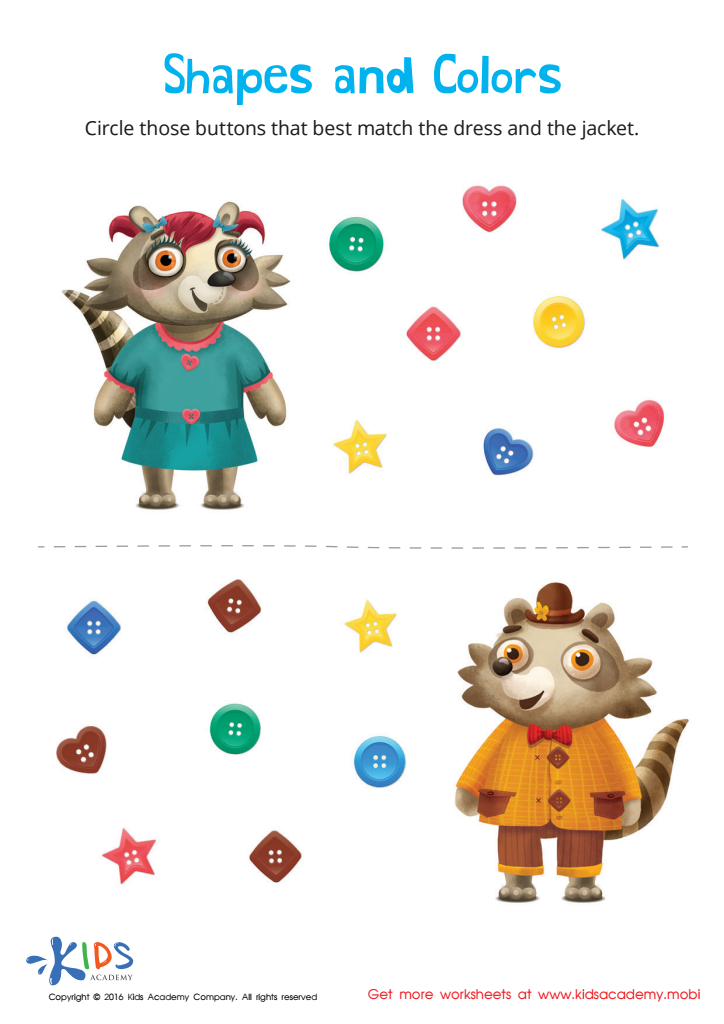
Matching: Shapes and Colors Worksheet








Color Identification Extra Challenge Math for ages 3-6 offers crucial developmental benefits that should interest both parents and teachers. Early color identification enhances cognitive development and sharpens the child's visual and memory skills. Integrating colors with math-based challenges (e.g., sorting, counting, pattern recognition) deepens the child's understanding of both concepts.
By connecting colors with mathematical exercises, children engage in multi-sensory learning, which caters to various learning styles – visual, tactile, and kinesthetic. This multi-faceted approach stimulates brain connections, promoting stronger neural pathways for future complex learning.
Parents and teachers alike should value this method because it marries creativity with logical thinking. These exercises can strengthen critical early math skills like number recognition and basic counting principles, while also setting a foundation for more intricate math concepts and school readiness.
Furthermore, such activities are naturally engaging for young children. Bright colors and interactive tasks can transform learning into a fun experience, finetuning the child’s attention span and boosting their motivational levels. By nurturing problem-solving abilities task in an enjoyable and inclusive manner, children develop confidence, setting a positive precedent for lifelong learning. This approach supports their overall academic trajectory while nurturing a holistic learning environment at home and in school.








