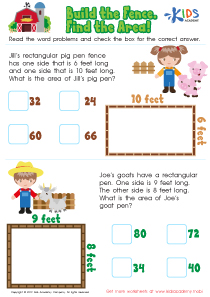
Vocabulary enhancement Extra Challenge Matching Worksheets for Ages 3-6
4 filtered results
-
From - To
Introducing our "Vocabulary Enhancement Extra Challenge Matching Worksheets" designed specifically for children aged 3-6! These engaging worksheets provide an exciting way for young learners to expand their vocabulary while developing essential matching skills. Each activity challenges kids to connect words with corresponding images, ensuring they reinforce language comprehension in a playful manner. Perfect for use at home or in the classroom, our worksheets cater to various learning styles and needs. Boost your child’s language development with these thoughtfully designed resources that combine educational value with fun, interactive learning. Explore the world of words with our vocabulary enhancement worksheets today!
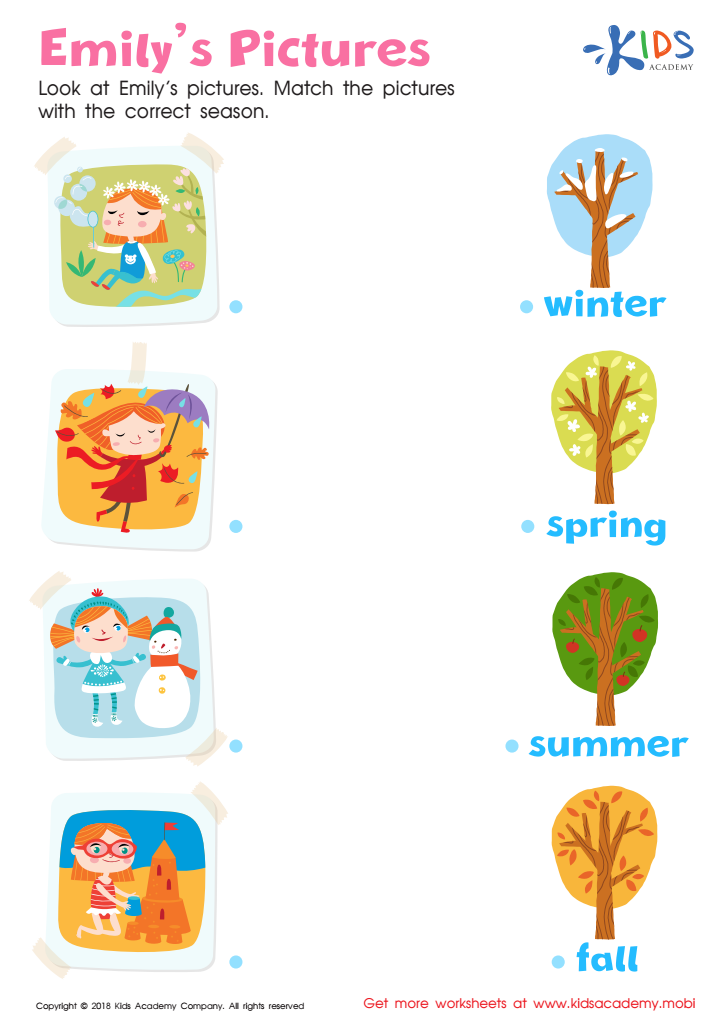
Emily's Pictures Worksheet
 Assign to My Students
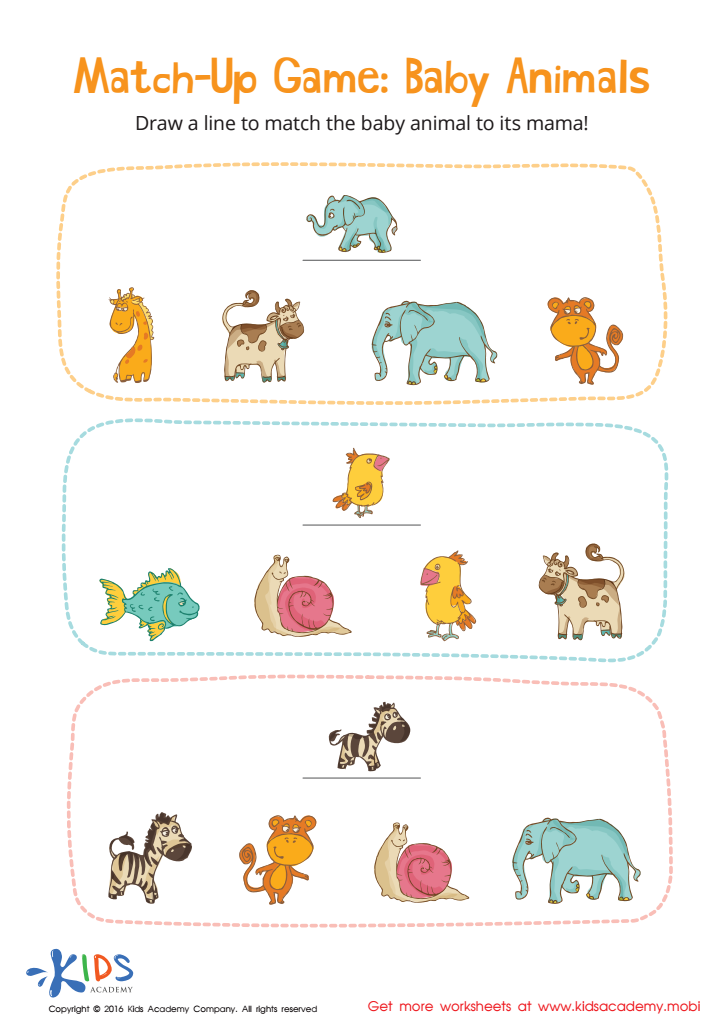
Baby Animals Match-Up Worksheet
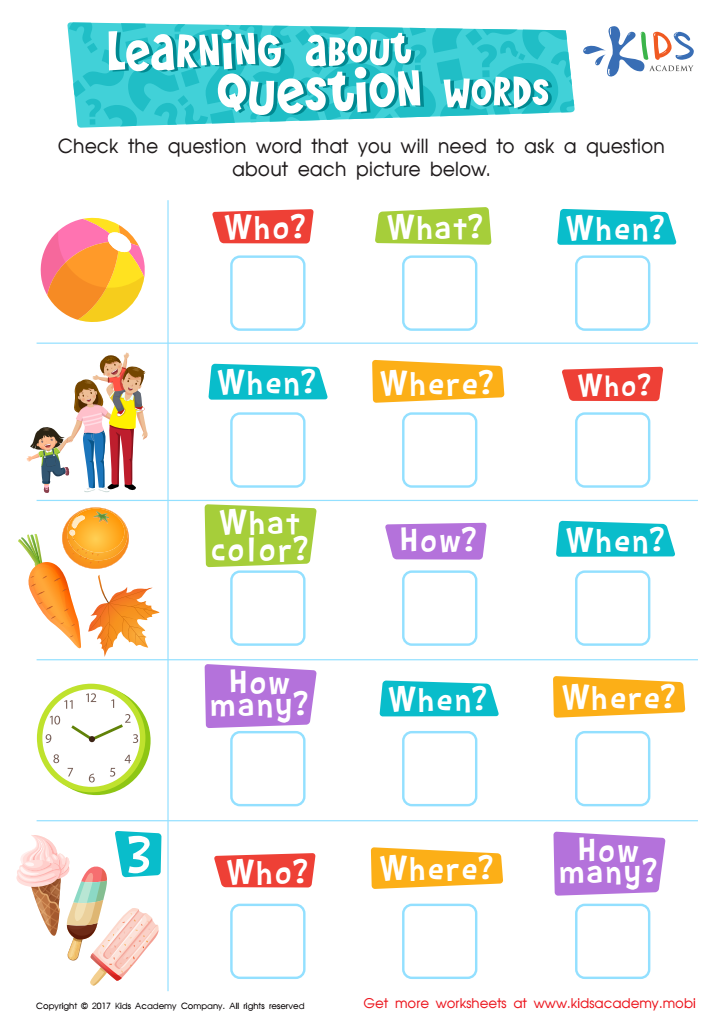
Learning about Question Words Worksheet
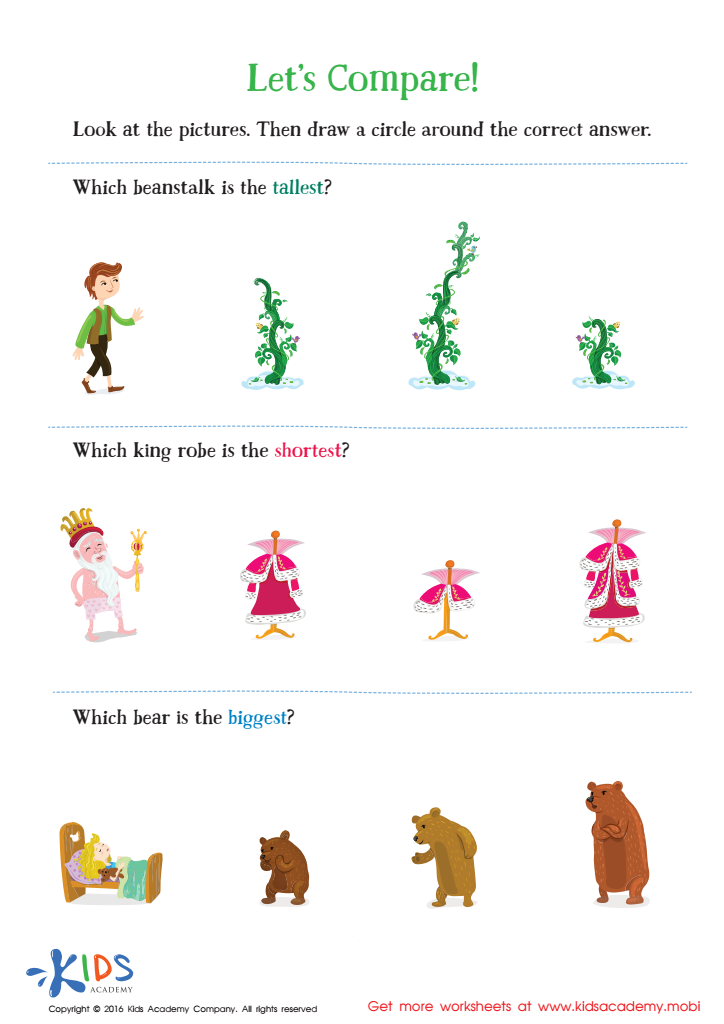
Fairy Tale Worksheet: Let's Compare








Vocabulary enhancement activities, like the Extra Challenge Matching program for ages 3-6, are crucial for early language development and literacy skills. At this age, children are like sponges, soaking up language and making connections between words and their meanings. Engaging in vocabulary enhancement challenges fosters critical thinking, comprehension, and expressive language.
Parents and teachers should prioritize these programs as they not only build vocabulary but also encourage cognitive development. By matching words with images or definitions, children engage in active learning, which solidifies their understanding and retention of new terms. This interactive approach makes learning fun and motivates students.
Moreover, a robust vocabulary is linked to better reading and writing skills as children progress in their education. When kids learn new words early on, they are more likely to engage with and enjoy books, leading to a lifelong appreciation of reading.
Additionally, strong vocabulary skills contribute to social development, helping children articulate their thoughts and emotions effectively when interacting with peers. By investing time in vocabulary enhancement through programs designed for this age group, parents and teachers lay the foundational skills necessary for academic success and effective communication in the future.