Reading comprehension Extra Challenge Building Vocabulary Worksheets for Ages 3-6

Filters

7 filtered results

Clear all filters
Favorites
With answer key
Interactive

7 filtered results

Difficulty Level

Grade


Discover our "Reading Comprehension Extra Challenge: Building Vocabulary Worksheets" designed specifically for children aged 3-6. These engaging worksheets offer a fun and interactive way to enhance early literacy skills while building a robust vocabulary. Each activity encourages young learners to explore words through exciting exercises, enhancing their understanding and retention. With colorful illustrations and age-appropriate challenges, these worksheets aim to foster a love for reading and learning. Perfect for homeschooling or classroom use, our resources support parents and educators in cultivating confident readers. Set your child on the path to reading success with our printable vocabulary worksheets today!

Check out this FREE Trial Lesson on Building Vocabulary for age 3-6!

Illustrations in Informational Texts

Favorites
With answer key
Interactive
  • 3-6
  • Reading comprehension
  • Building Vocabulary
  • Extra Challenge
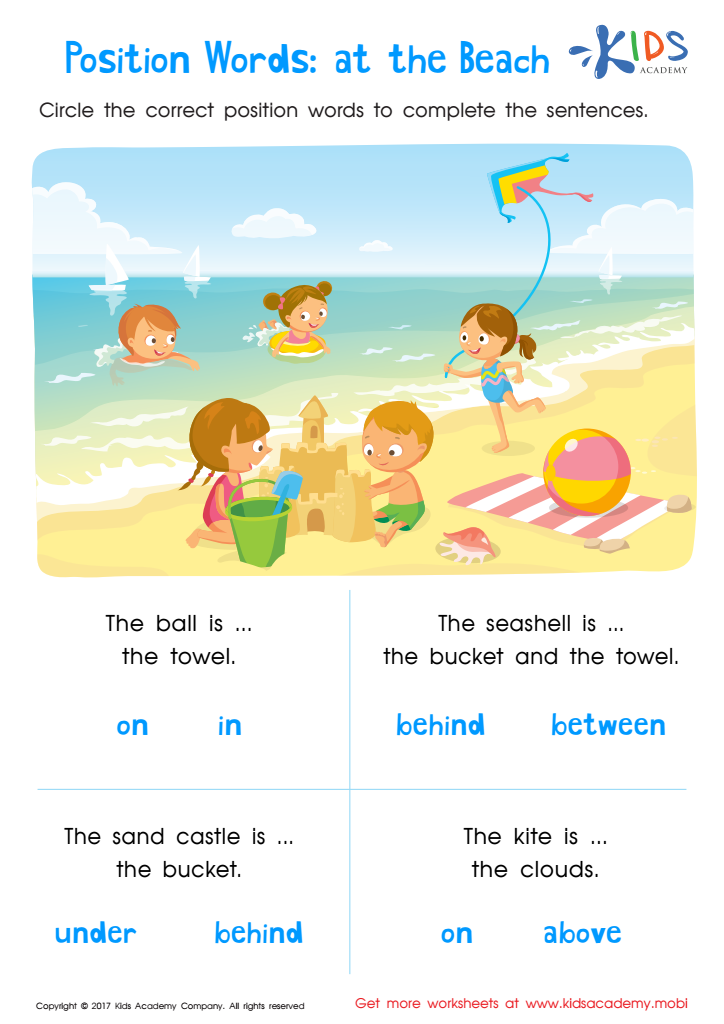
Positional Words Worksheet

At the Beach Printable Sight Words Worksheet

At the Beach Printable Sight Words Worksheet
Worksheet
Where Do We Sleep Worksheet

Where Do We Sleep Worksheet

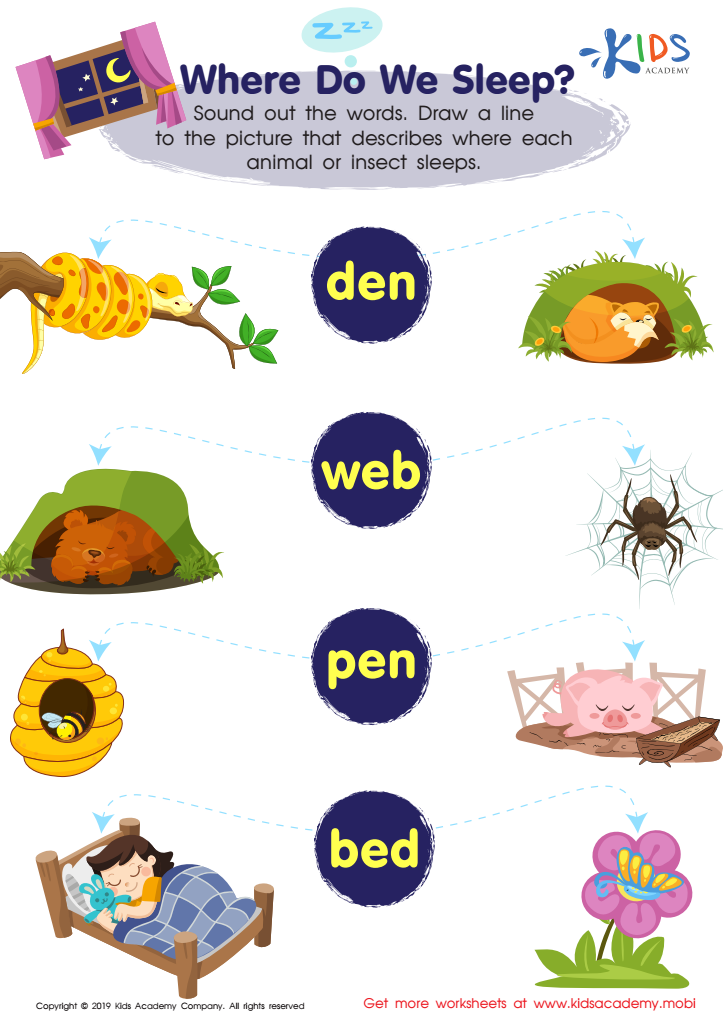
Help your kids understand the importance of a safe space with this activity: Ask them to draw a line connecting the different animals and insects to the words that describe where they sleep. Remind them that everyone needs a sanctuary to rest – like the animals and insects in this printout.
Where Do We Sleep Worksheet
Worksheet
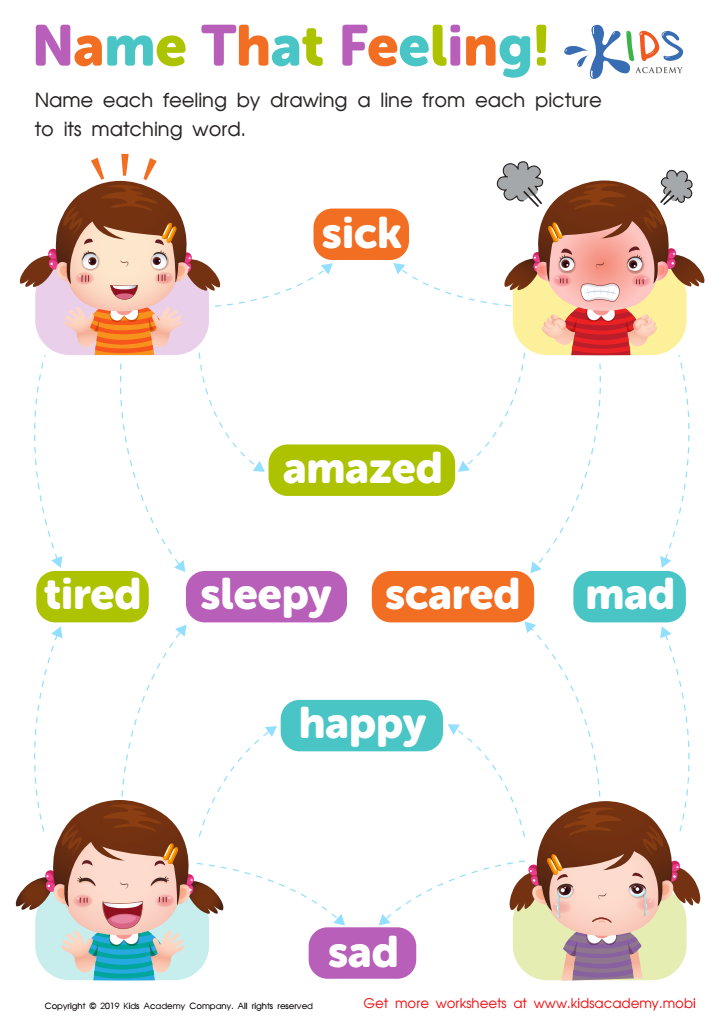
Name that Feeling Worksheet

Name that Feeling Worksheet

Fostering your child's emotional intelligence is essential for their development. This worksheet helps them associate feelings with words, improving their social skills and fine motor coordination. They'll trace pictures and words to learn the feeling vocabulary.
Name that Feeling Worksheet
Worksheet
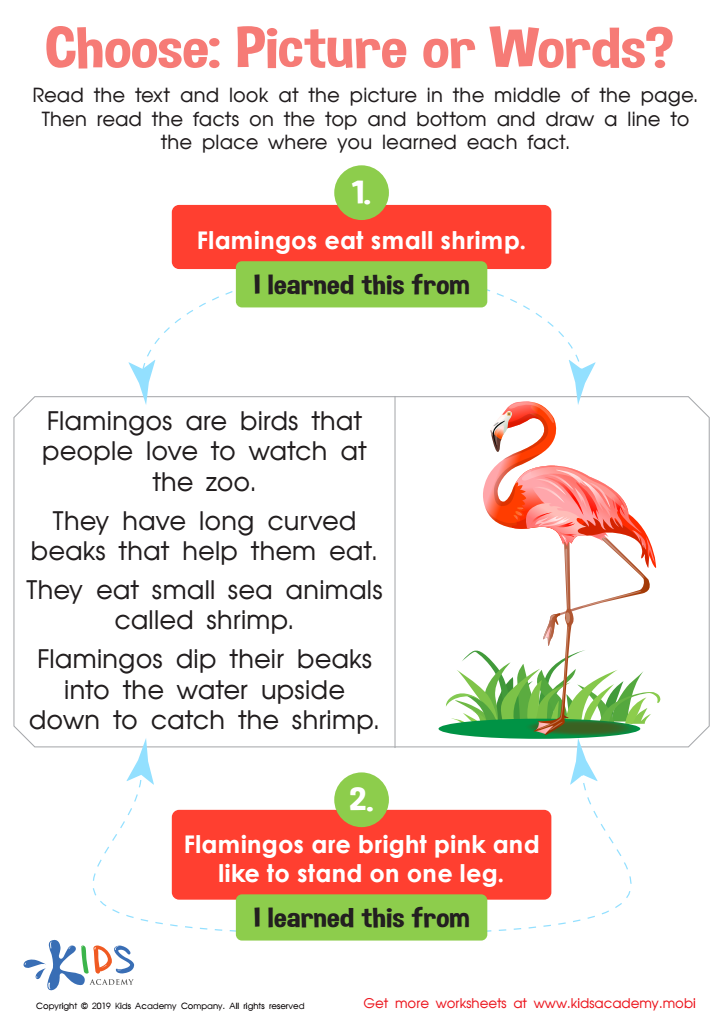
Choose Picture Words Worksheet

Choose Picture Words Worksheet

Pictures are powerful tools for children learning to read. Early readers apply their prior knowledge and pictures to create understanding. This PDF worksheet lets them understand the combined power of pictures and words, by having them choose one to answer how they learned the facts about flamingoes.
Choose Picture Words Worksheet
Worksheet
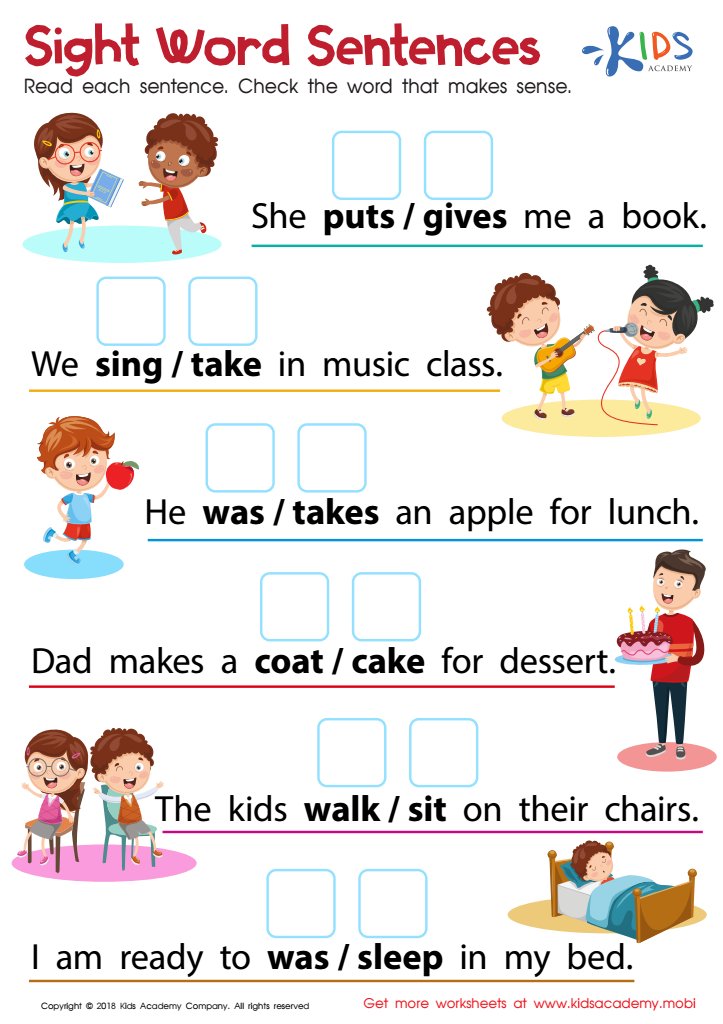
Sight Words Sentences Worksheet

Sight Words Sentences Worksheet

It's important for kids to practice recognizing sight words in print. This PDF provides fun practice with sentences and engaging picture clues. As they work with sight words, they'll become more familiar and automatic. Help your kids build literacy skills!
Sight Words Sentences Worksheet
Worksheet
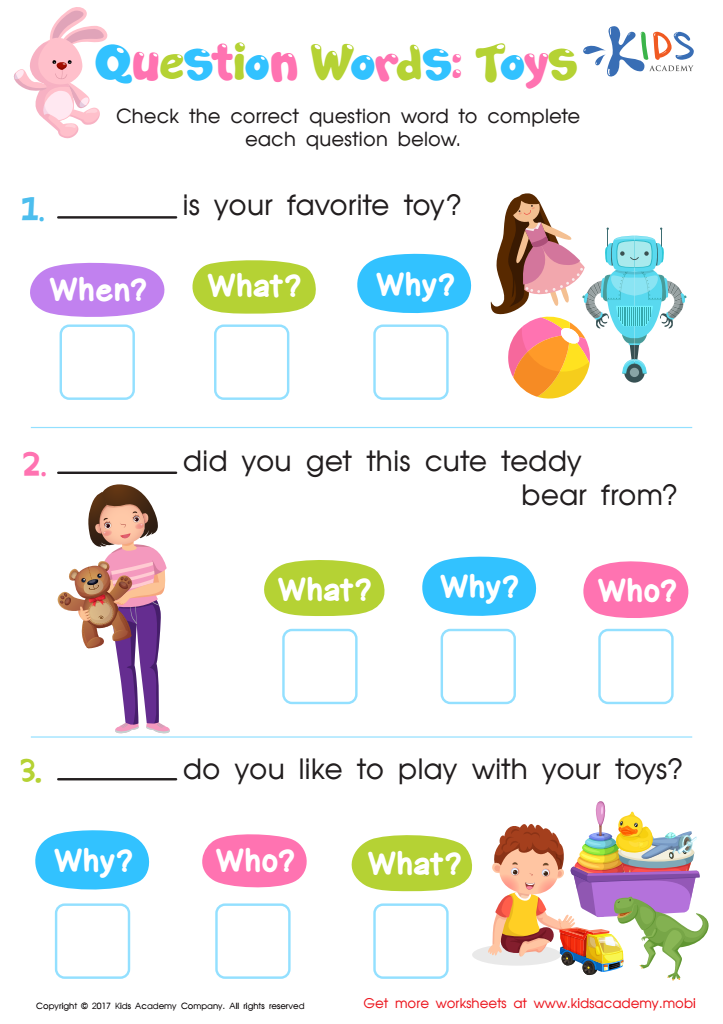
Question Words: Toys Worksheet

Question Words: Toys Worksheet

Let your kids enjoy learning to ask precise questions with this fun worksheet! Read each sentence fragment and look at the word bank, picking the correct word to complete the sentence. Check the box next to the correct word to use. It's that easy and lots of fun!
Question Words: Toys Worksheet
Worksheet
Make a New Word Worksheet


Make a New Word Worksheet

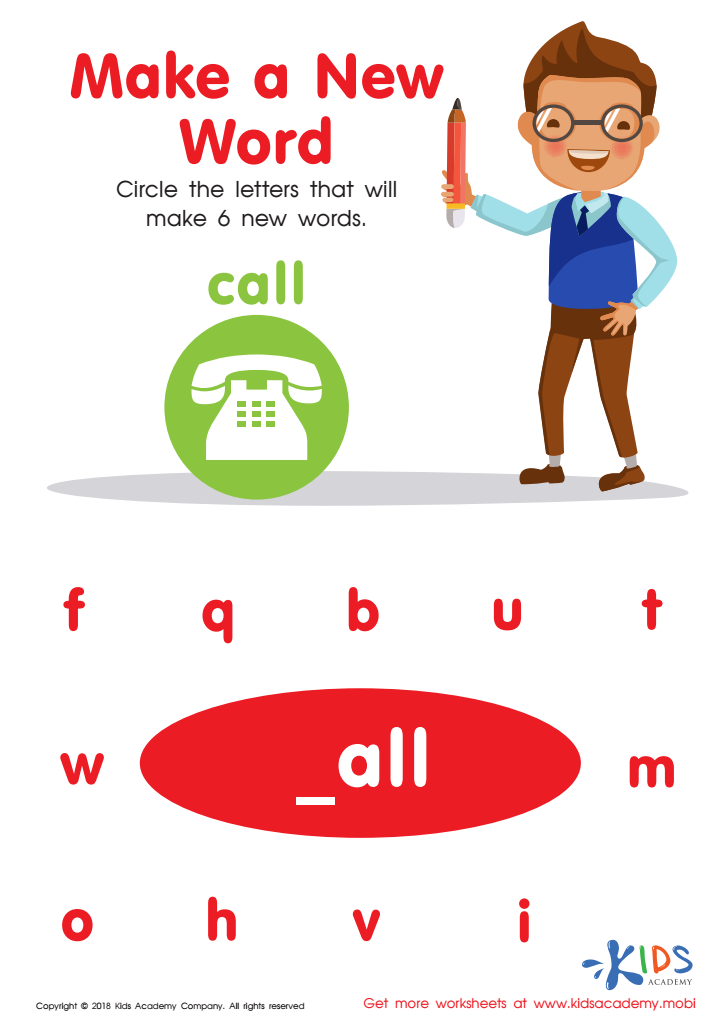
Young readers and writers can enhance their skills with this fun PDF worksheet. They'll trace letters to create new words and feel like super readers and writers after finding six words. They'll also practice building words with the "all" word family.
Make a New Word Worksheet
Worksheet


Reading comprehension and vocabulary development are essential for children aged 3-6 as they lay the foundation for lifelong learning. During these formative years, children begin to develop critical literacy skills that will influence their academic success and overall growth. By focusing on reading comprehension, parents and teachers help children understand the meaning behind words and sentences, enhancing their ability to communicate and express their ideas effectively.

Building vocabulary is crucial because it directly impacts reading comprehension. A rich vocabulary allows children to grasp more complex texts and makes reading a more enjoyable and engaging experience. When children encounter unfamiliar words, they may struggle to understand a story's meaning, leading to frustration and disinterest. Consequently, introducing new words through playful activities, discussions, and reading diverse materials enables them to connect with the material and the world around them.

Additionally, enhanced vocabulary and comprehension skills aid in other subjects, such as science and social studies. By investing time in activities that foster these skills, parents and teachers equip children with the tools needed to navigate their education successfully, fostering curiosity, critical thinking, and a love for learning that will last a lifetime.