Logical Reasoning Extra Challenge Social Studies Worksheets for Ages 3-6
3 filtered results
-
From - To
Discover our "Logical Reasoning Extra Challenge Social Studies Worksheets" designed specifically for children ages 3-6! These engaging worksheets foster critical thinking and problem-solving skills through fun, age-appropriate activities. Your little learners will explore concepts such as community roles, geography, and cultural awareness while enhancing their logical reasoning abilities. Each worksheet features vibrant illustrations and interactive exercises that keep kids motivated and excited to learn. Ideal for use at home or in the classroom, our worksheets provide parents and educators with ready-to-use resources that promote cognitive development through meaningful social studies learning experiences. Unlock your child's potential today with our extra challenge worksheets!
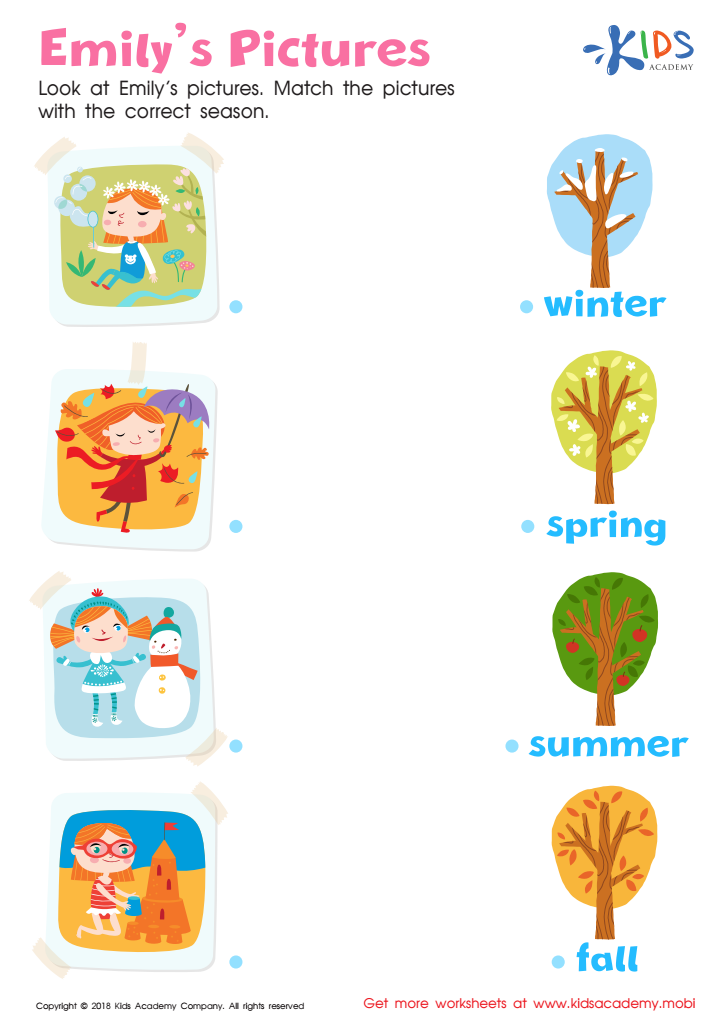
Emily's Pictures Worksheet
 Assign to My Students
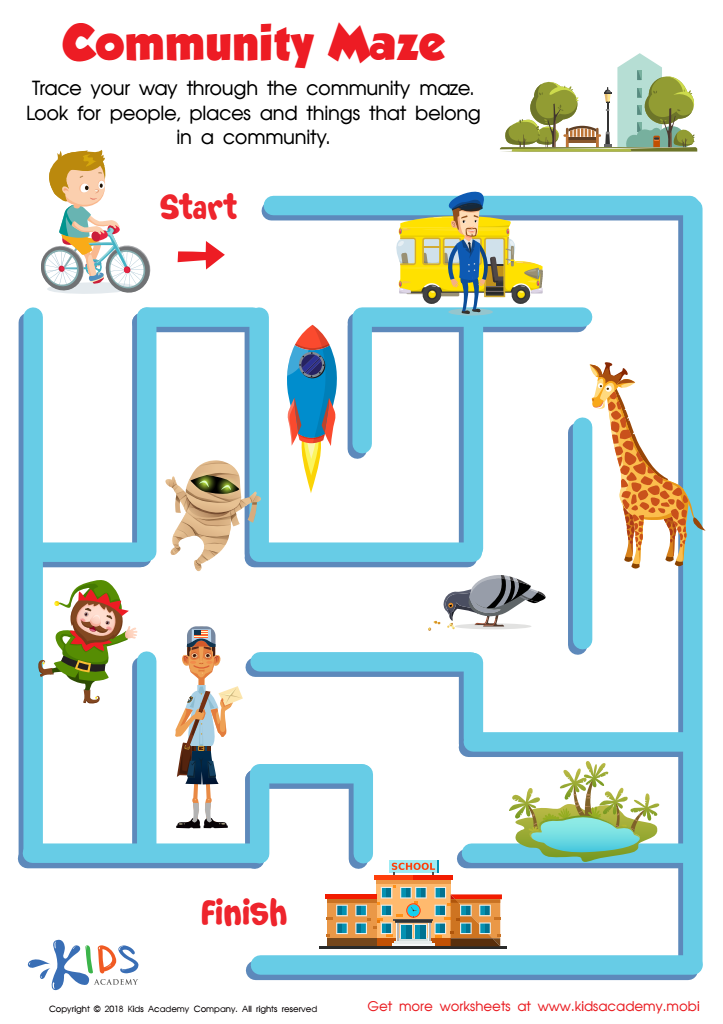
Community Maze Worksheet
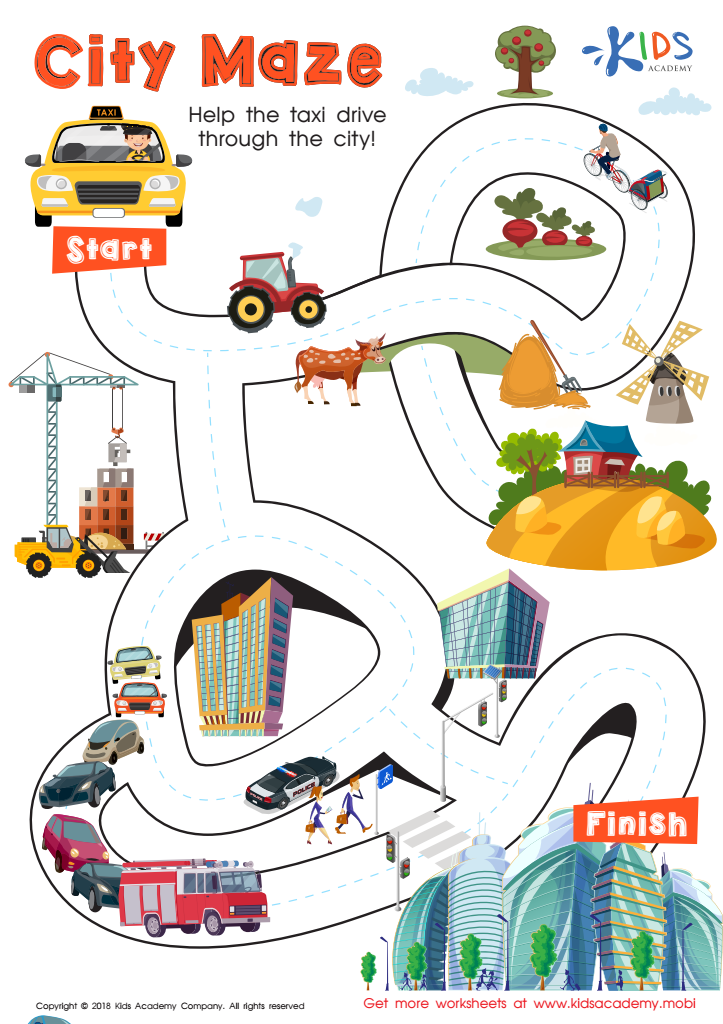
City Maze Worksheet






Logical reasoning is a vital cognitive skill that significantly shapes early childhood development, particularly in social studies education for children ages 3-6. Parents and teachers should prioritize activities that strengthen this skill, as it lays the foundation for critical thinking, problem-solving, and decision-making in later learning.
Engaging children in logical reasoning within social studies helps them understand and analyze the world around them. It supports their ability to connect concepts like cause and effect, recognizing relationships and patterns in stories about communities, cultures, and history. By presenting challenges that require reasoning, children are encouraged to think independently, enhancing their ability to ask questions and form conclusions about their environment.
Moreover, integrating logical reasoning challenges fosters social skills. Young children learn the importance of communication, collaboration, and empathy when resolving social issues or discussing societal themes. This approach aids in developing informed citizens who are prepared to participate positively in their communities.
Ultimately, investing in logical reasoning activities enriches a child's overall educational experience, promoting lifelong learning habits and laying the groundwork for academic success. Supporting their development in these areas is crucial for nurturing engaged, thoughtful individuals who are well-equipped to navigate the complexities of society.