Alphabet Recognition Extra Challenge ABC Letters Worksheets for Ages 3-7
3 filtered results
-
From - To
Boost your child's literacy skills with our "Alphabet Recognition Extra Challenge ABC Letters Worksheets," specially designed for ages 3-7. These engaging worksheets provide a fun way for young learners to master letter recognition, enhancing their reading and writing foundation. Filled with vibrant images and interactive activities, children will enjoy identifying, tracing, and matching letters through playful exercises. Perfect for homes, schools, or learning centers, these worksheets cater to diverse learning styles and encourage independent exploration. Set your little one on the path to literacy success with our comprehensive alphabet recognition worksheets that spark curiosity and foster a lifelong love for learning!
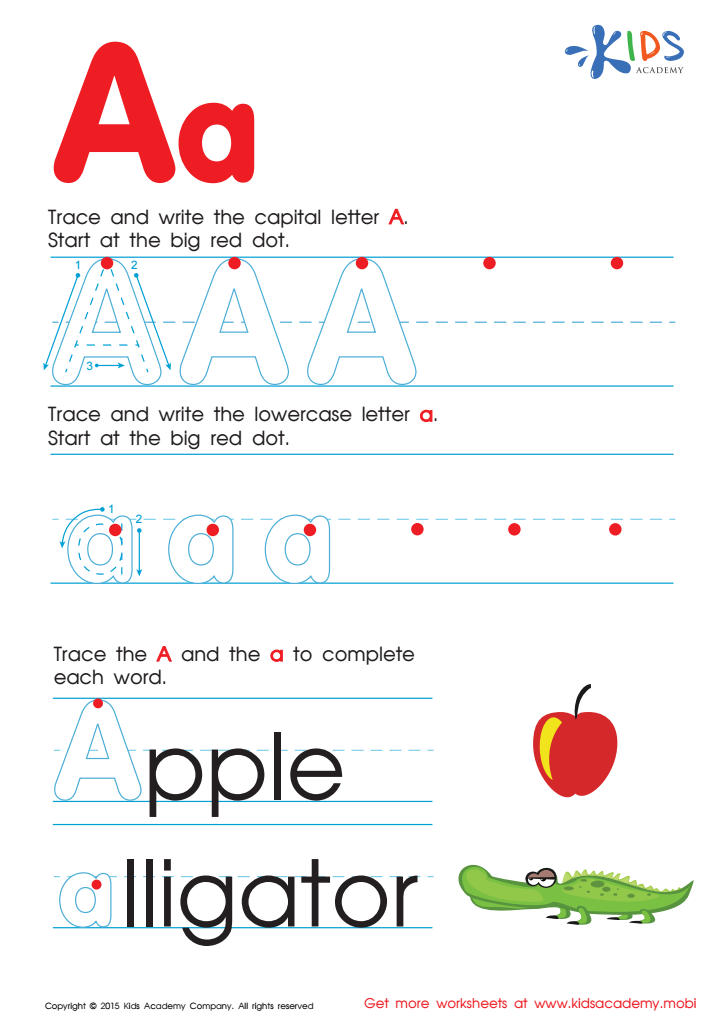
Letter A Tracing Page
 Assign to My Students





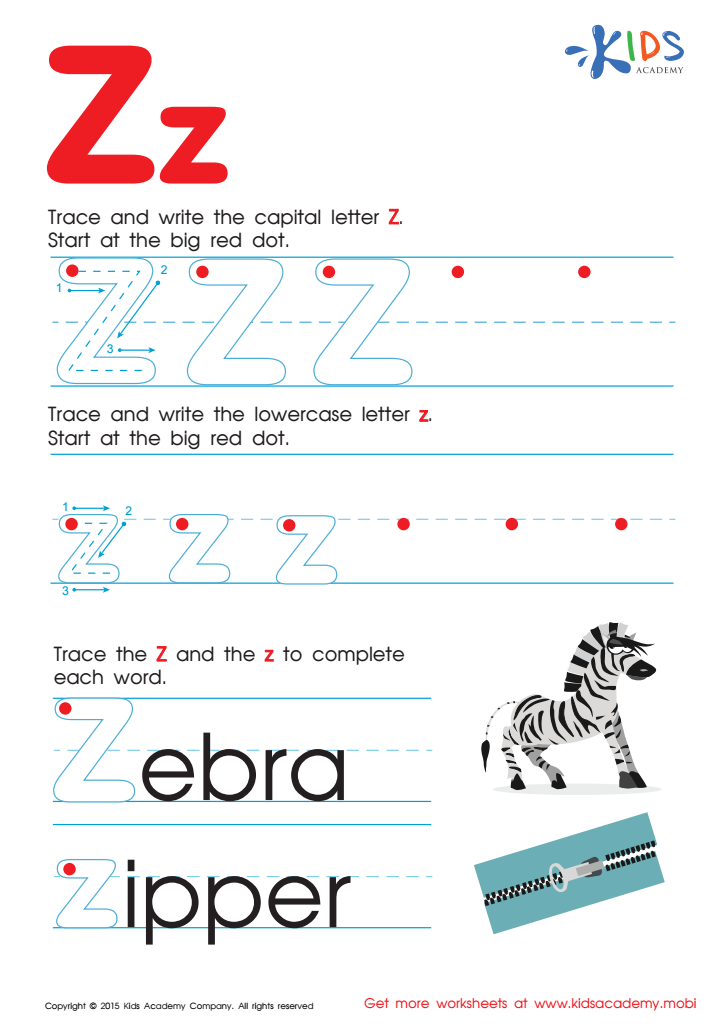
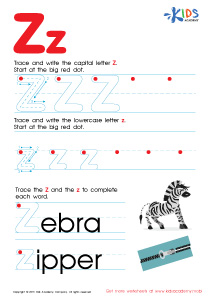
Letter Z Tracing Page
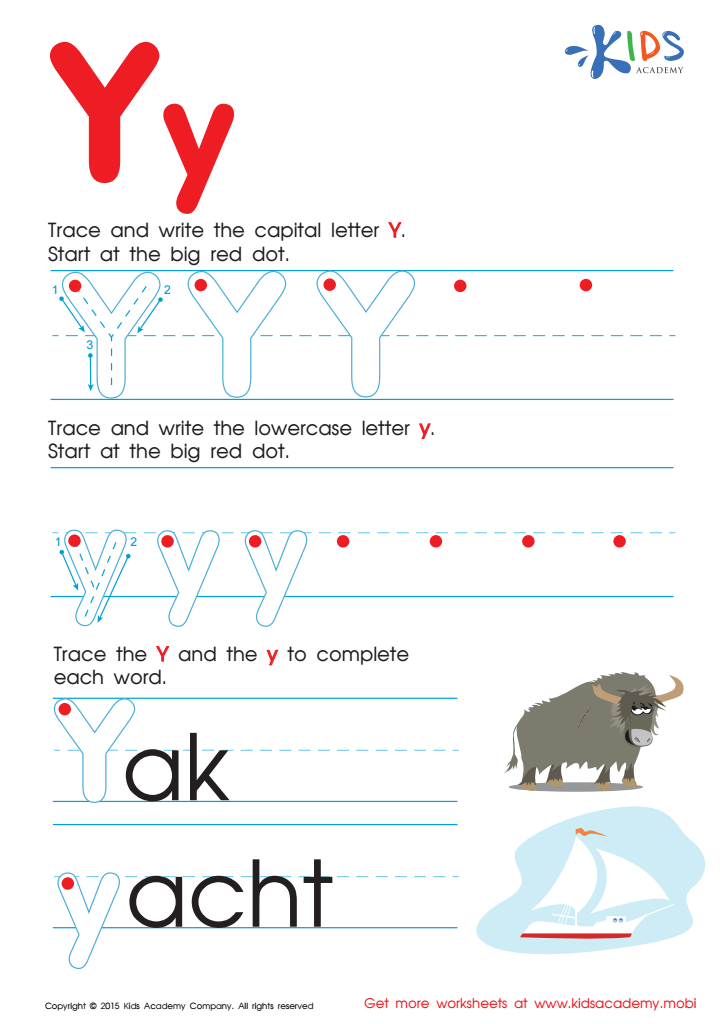
Letter Y Tracing Page





Alphabet recognition is foundational for early literacy, making programs like the Alphabet Recognition Extra Challenge ABC Letters essential for ages 3-7. During these formative years, children develop crucial cognitive and language skills. Parents and teachers play a vital role in ensuring that young learners grasp letter recognition early, as it lays the groundwork for reading and writing.
Implementing an effective program helps children improve their ability to identify letters, understand their sounds, and eventually connect them to words. This early exposure not only boosts their literacy skills but also enhances cognitive development by fostering memory, attention, and critical thinking abilities.
Moreover, engaging activities, such as games and interactive lessons, can make learning fun, encouraging a positive attitude toward reading and education. By caring about programs like the Alphabet Recognition Extra Challenge, parents and teachers can collectively bolster a child's love for learning and lay a solid foundation for future academic success.
Ultimately, early mastery of the alphabet leads to increased confidence and equips children with the necessary skills to tackle more complex literacy concepts as they progress in their education. Investing in a child's literacy journey ensures they are prepared for the challenges and opportunities that lie ahead.