Letter recognition Extra Challenge Tracing Letters Worksheets for Ages 3-7
7 filtered results
-
From - To
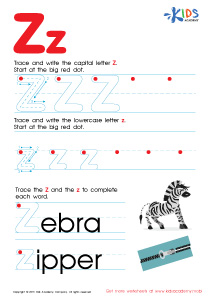
Enhance your child's letter recognition skills with our Extra Challenge Tracing Letters Worksheets designed specifically for ages 3-7. These engaging worksheets offer an educational yet fun way for young learners to practice letter formation, helping them to strengthen their handwriting while developing essential literacy skills. Each worksheet features a variety of activities that promote recognition of both uppercase and lowercase letters. Perfect for reinforcing classroom learning or as a stimulating at-home activity, these worksheets are ideal for parents and educators looking to support early reading and writing development. Make learning the alphabet enjoyable and interactive with ourTracing Letters Worksheets today!
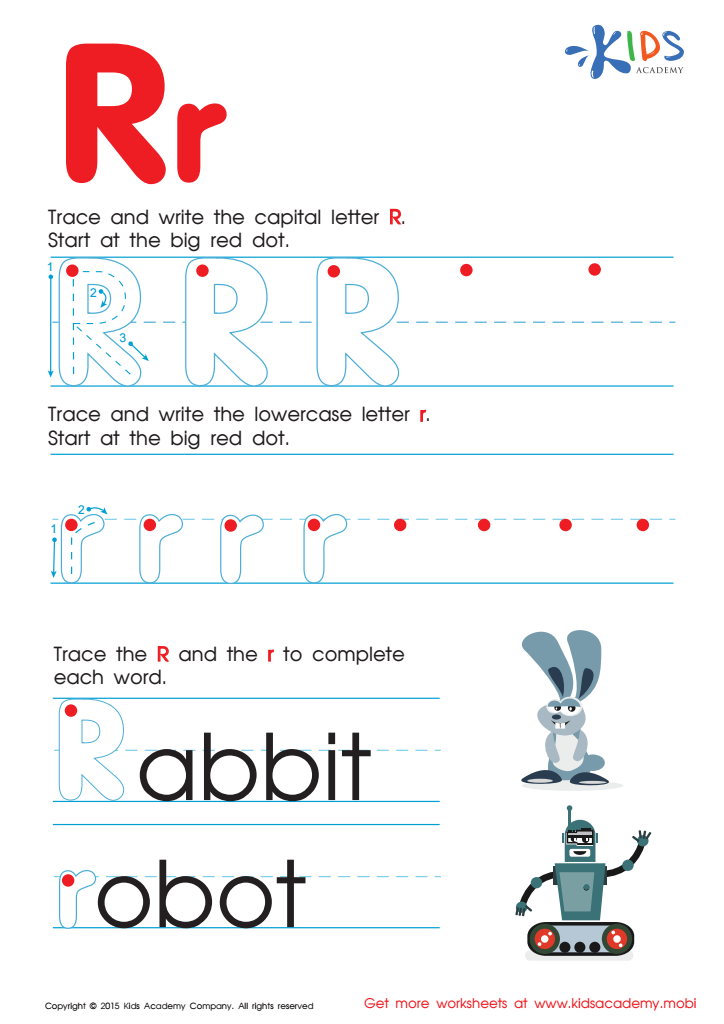
Letter R Tracing Page
 Assign to My Students
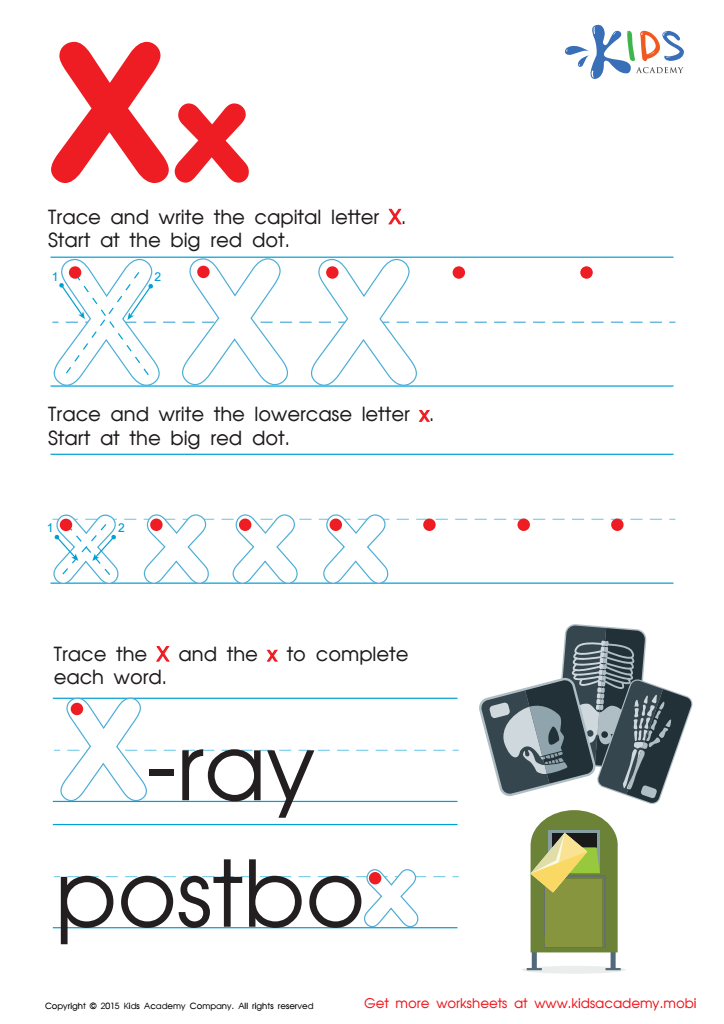
Letter X Tracing Page
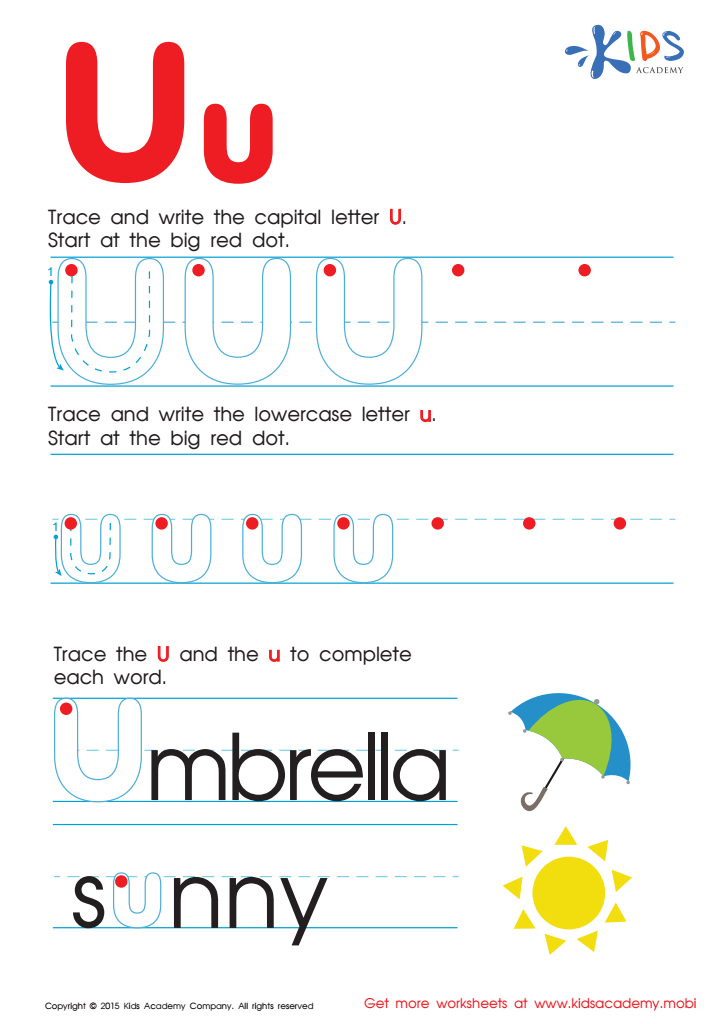
Letter U Tracing Page
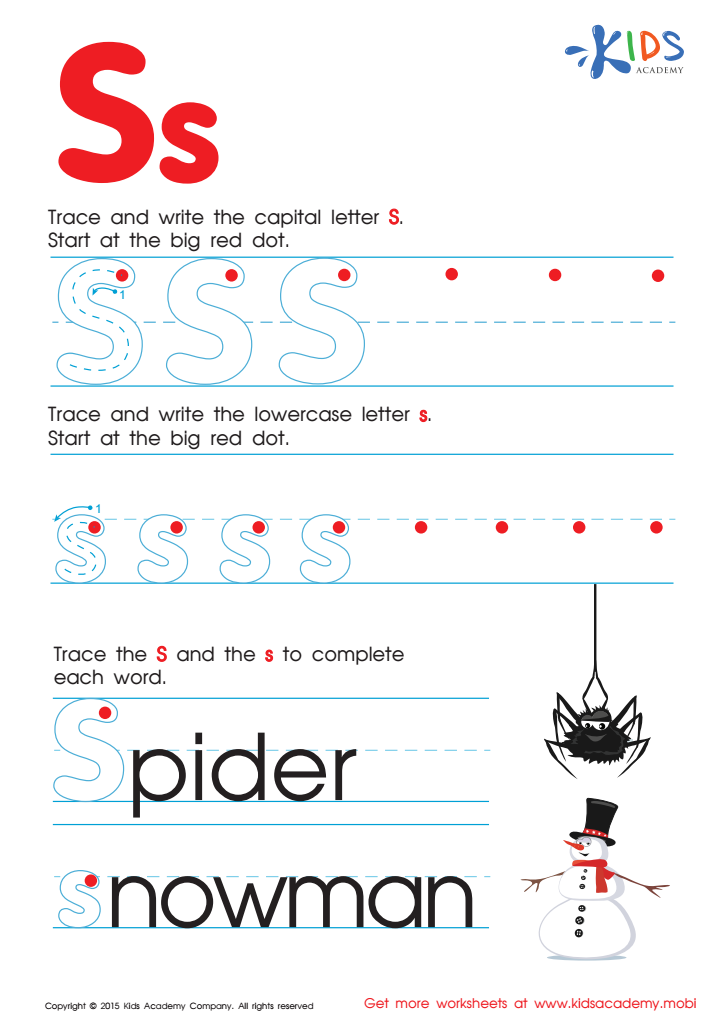
Letter S Tracing Page
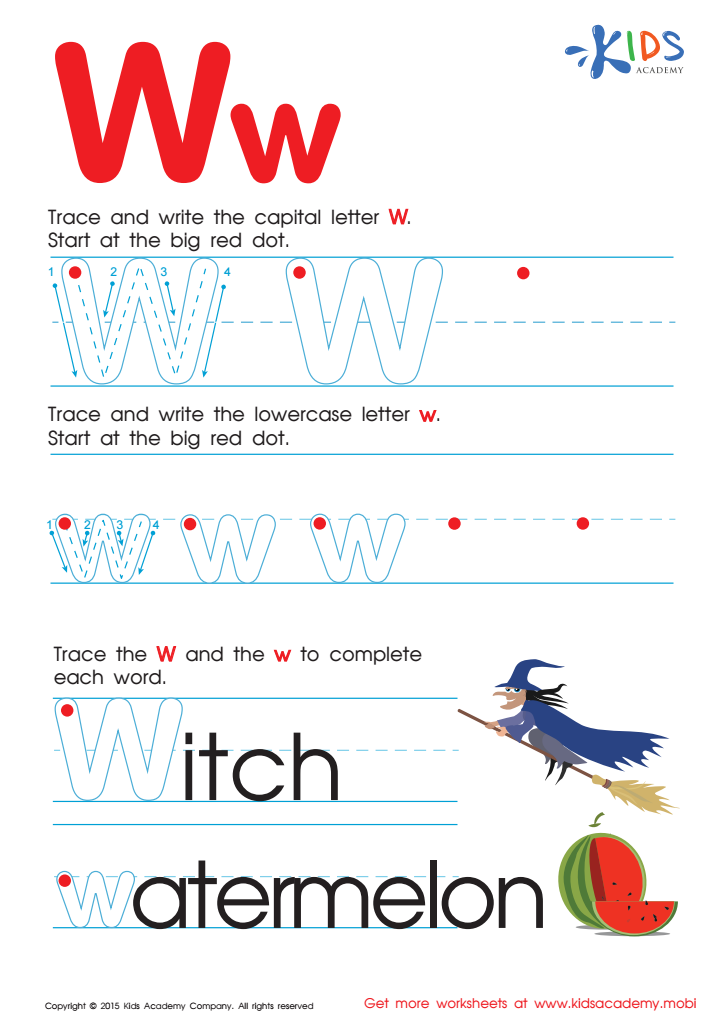
Letter W Tracing Page
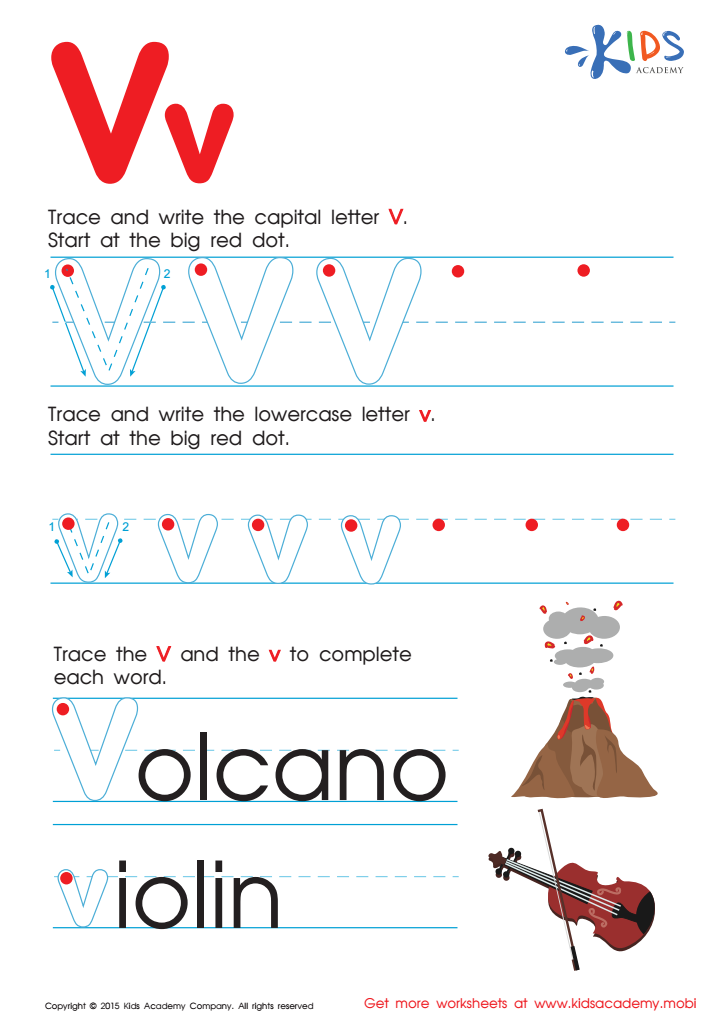
Letter V Tracing Page
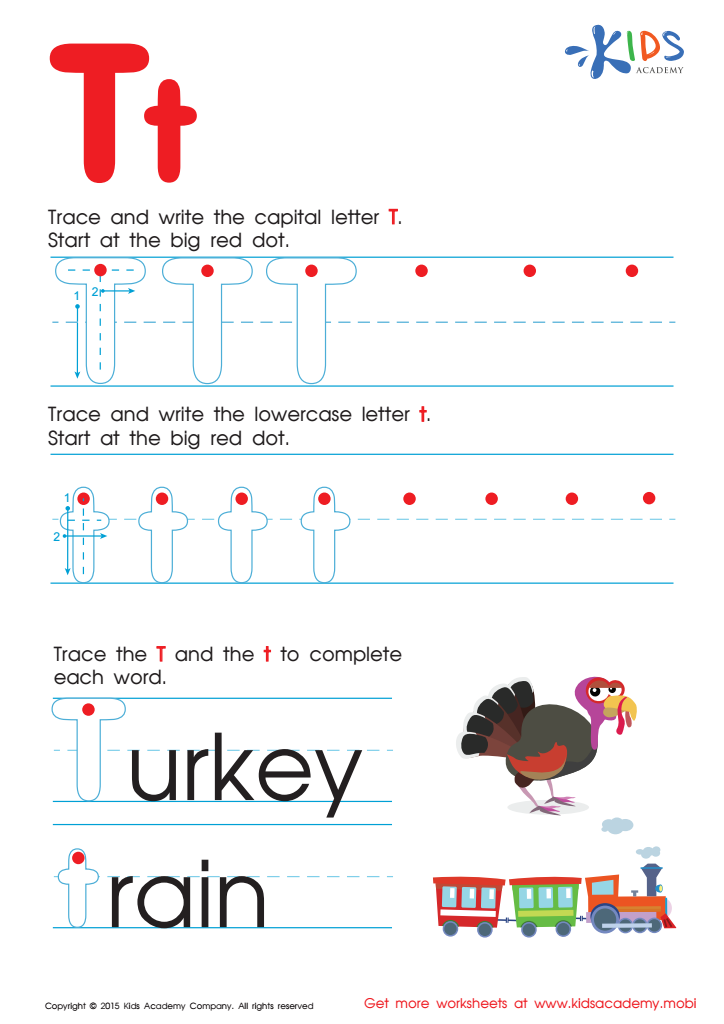
Letter T Tracing Page







Letter recognition is a foundational skill essential for early literacy development in children aged 3-7. Understanding and recognizing letters enables children to decode words, which in turn supports reading fluency and comprehension. The Extra Challenge Tracing Letters activity is particularly beneficial because it combines visual, auditory, and kinesthetic learning styles, enhancing memory retention.
Parents and teachers should care about this activity for several reasons. Firstly, tracing letters strengthens fine motor skills, which are crucial for writing and other classroom tasks. The tactile experience of tracing helps children grasp the shape and form of each letter, fostering stronger handwriting skills. Secondly, engaging in letter recognition through tracing provides a multisensory approach that can help solidify a child’s understanding of letter sounds and names, creating a more robust connection to language.
Moreover, this activity can be tailored to suit individual learning paces, making it inclusive and adaptable for various skill levels. Encouraging early letter recognition strengthens not only cognitive abilities but also boosts confidence, motivating children to engage further with reading and writing. Ultimately, supporting children's literacy development through fun and interactive methods like Letter Tracing fosters a lifelong love for learning.