
Handwriting improvement Extra Challenge Worksheets for Ages 3-7
3 filtered results
Difficulty Level
Grade
Age
-
From - To
Subject
Activity
Standards
Our "Handwriting Improvement Extra Challenge Worksheets for Ages 3-7" are designed to give young learners a fun and engaging way to enhance their penmanship. Suitable for preschool to early elementary students, these worksheets offer an array of exercises that focus on letter formation, spacing, and fine motor skills. Each activity is tailored to challenge kids while keeping them motivated with captivating graphics and relatable themes. Perfect for in-class learning or extra practice at home, these worksheets help develop confidence and precision in every child's handwriting journey. Unlock your child's full potential with our expertly crafted practice sheets!
Favorites
With answer key
Interactive
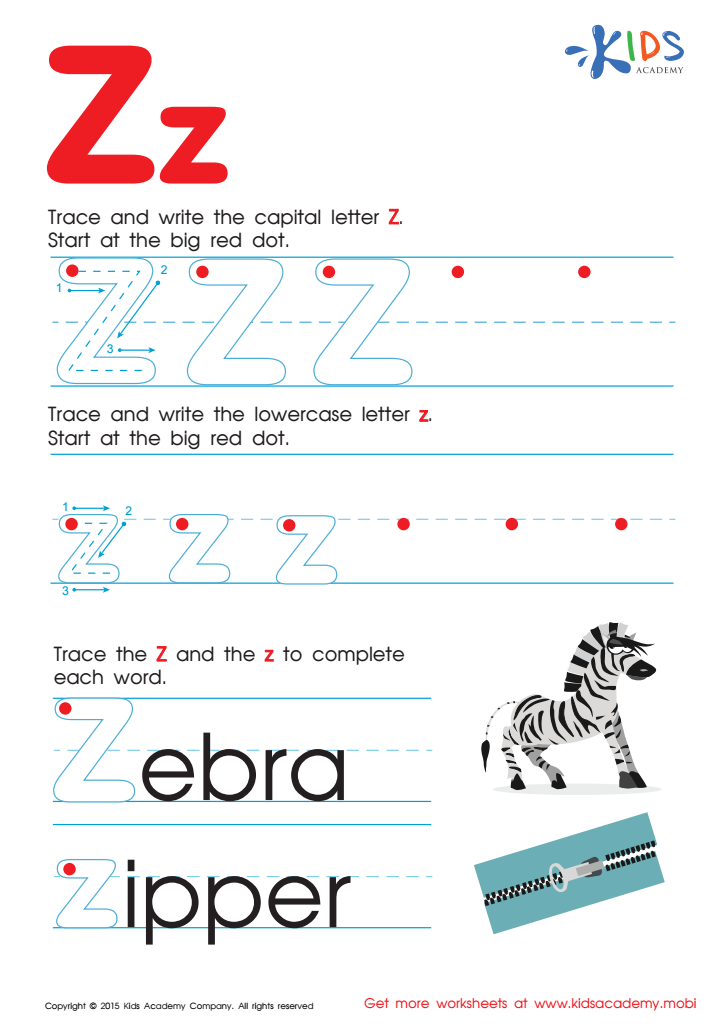
Letter Z Tracing Page
Trace and write capital "Z" and lowercase "z". Complete words "zebra" and "zipper". Be attentive and have fun! (80 words)
 Assign to My Students
Letter Z Tracing Page
Worksheet
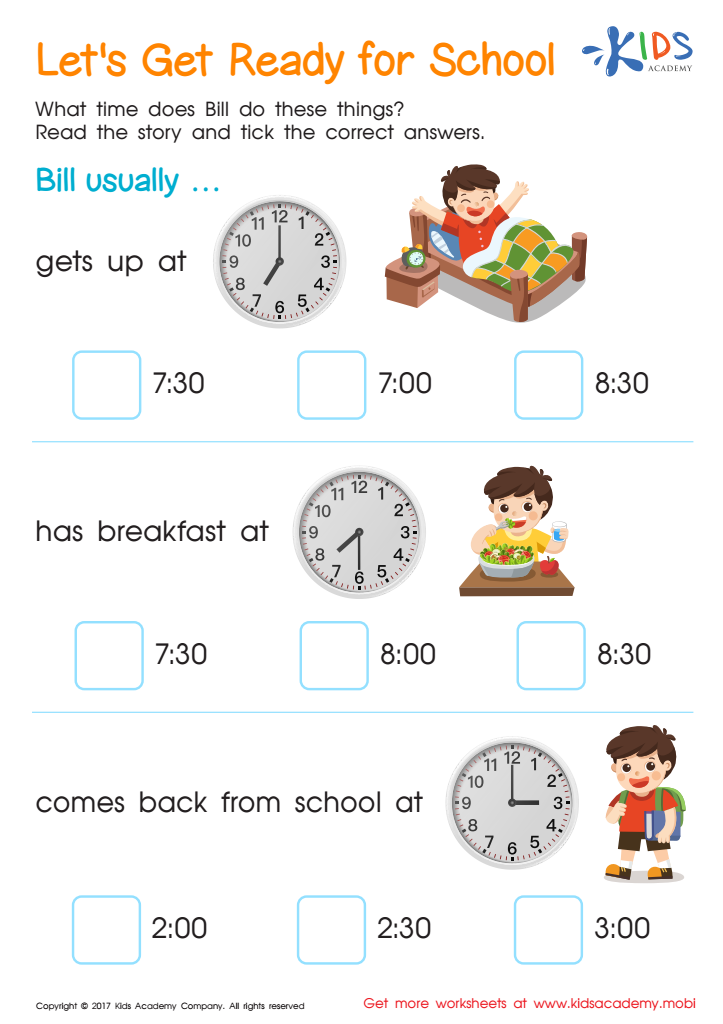
Lets Get Ready For School Time Printable
Believe it or not, kids today are struggling with reading traditional clocks. This vital skill shouldn't be lost, so why not try this fun telling time worksheet to get ready for school? Don't miss out!
Lets Get Ready For School Time Printable
Worksheet
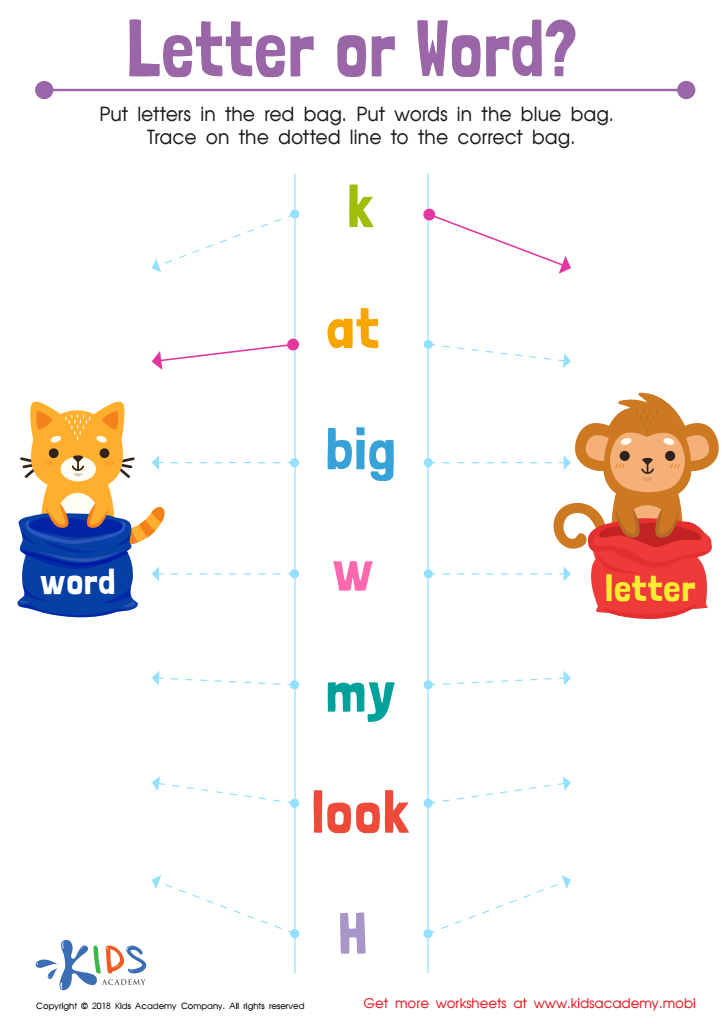
Letter or Word? Worksheet
Help your kids differentiate between words and letters. If they can recite their alphabets and identify common words, this tracing sheet will be a breeze. Have them trace on the dotted lines to place the letters in the red bag with the kitten, and the words in the blue bag with the monkey.
Letter or Word? Worksheet
Worksheet
Join Kids Academy for Free
Who is primarily going to use this learning content?



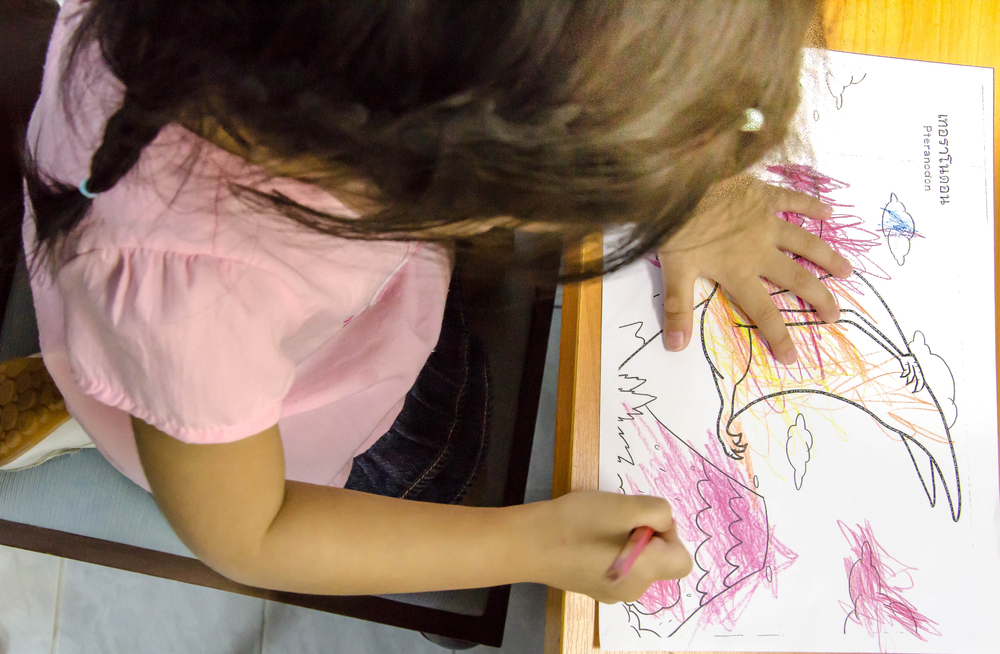




Handwriting improvement for children aged 3-7 is a crucial aspect of early childhood education that parents and teachers should prioritize. During these formative years, fine motor skills are developing rapidly, and learning to control a pencil effectively lays the foundation for future academic success. Good handwriting practice enhances legibility, making it easier for teachers to understand a child's work, and for the child to take pride in their achievements.
Moreover, handwriting improvement influences cognitive development. It helps children learn letter formation, understand spacing, and develop hand-eye coordination. Engaging in handwriting exercises stimulates brain activity, reinforcing learning and memory retention. This challenge also supports language development, encouraging children to connect sounds with written letters, thereby improving reading and writing skills.
In addition to cognitive benefits, handwriting practice fosters patience and concentration. Young learners are introduced to the importance of attention to detail and persistence, qualities essential for lifelong learning and problem-solving. In a digital age, the tactile experience of writing by hand also offers a creative outlet, promoting emotional expression and boosting self-esteem.
Investing time in handwriting improvement for children not only enhances their academic abilities but also supports their overall development, preparing them for future educational endeavors.








