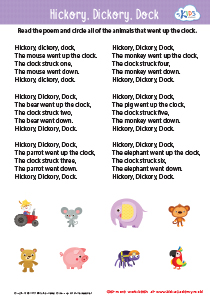
Cognitive Development Extra Challenge Building Vocabulary Worksheets for Ages 3-7
5 filtered results
-
From - To
Enhance your child's cognitive growth with our Cognitive Development Extra Challenge Building Vocabulary Worksheets for Ages 3-7. Tailored to spark curiosity and foster learning, these worksheets are designed specifically for young minds. Each worksheet presents engaging activities that help children expand their vocabulary while developing crucial cognitive skills. Our resources are perfect for building reading proficiency and enthusiastic language usage. Let your little ones embark on an exciting journey of discovery and learning with fun, educational exercises that challenge their minds and promote intellectual growth. Start them on the path to academic success today with our expertly crafted vocabulary-building worksheets.
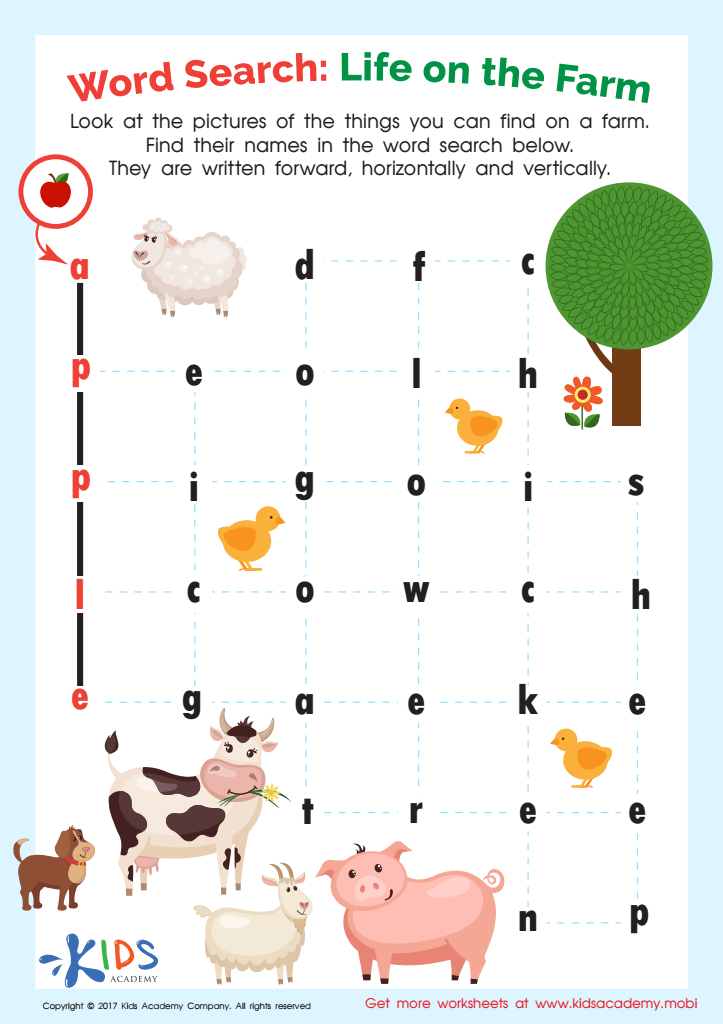
Word Search Puzzles Worksheet
 Assign to My Students











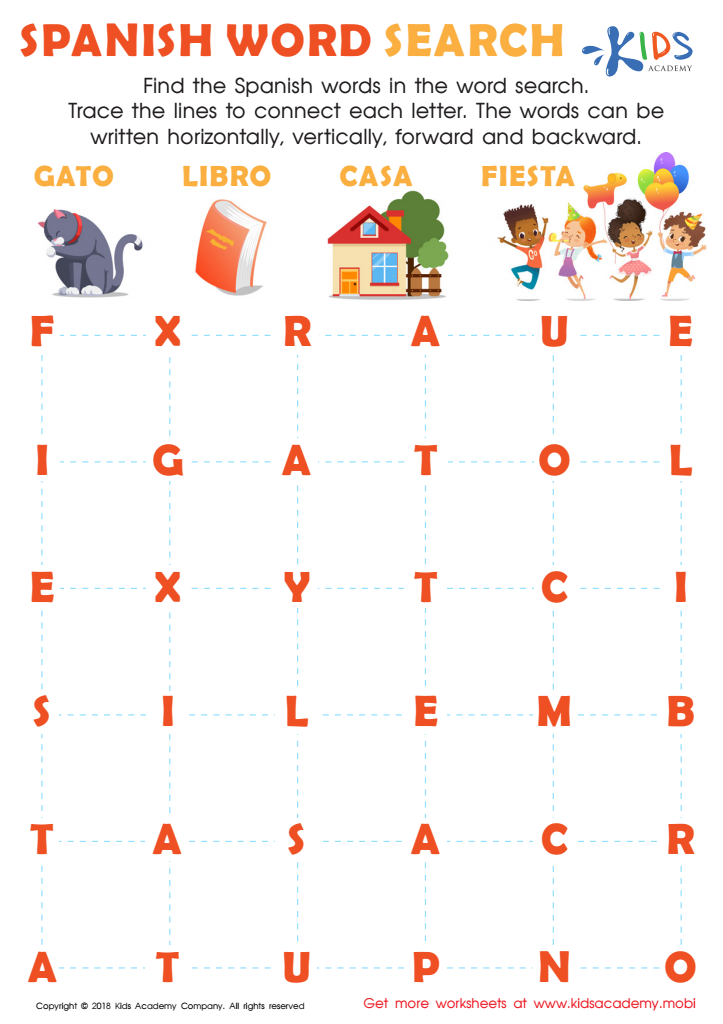
Spanish Word Search Worksheet
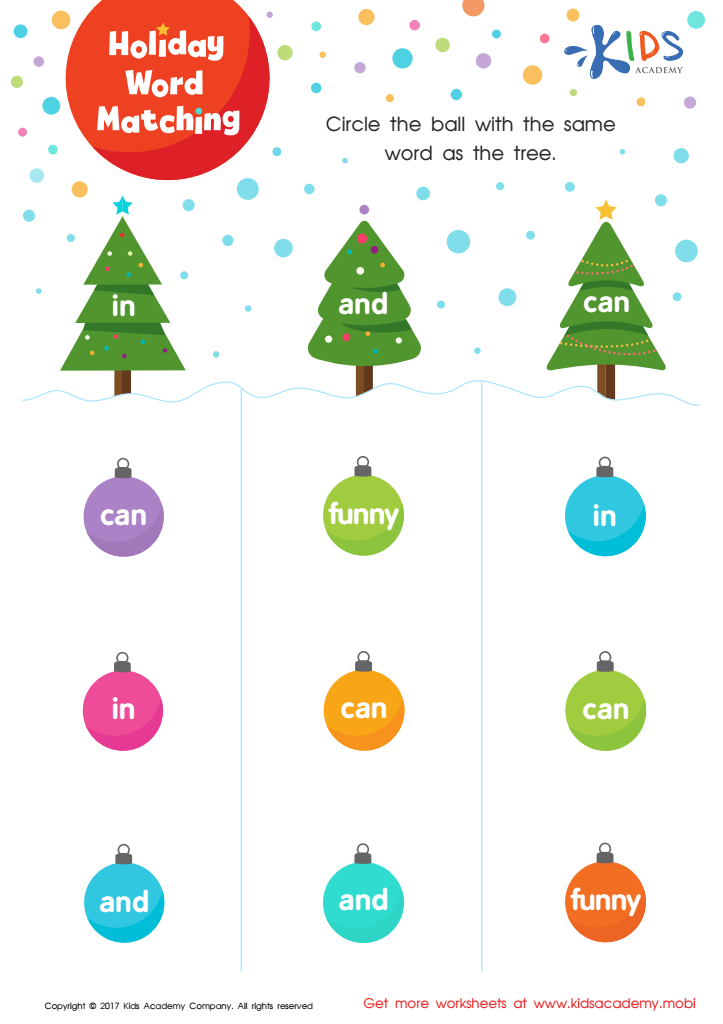
Holiday Word Matching Worksheet
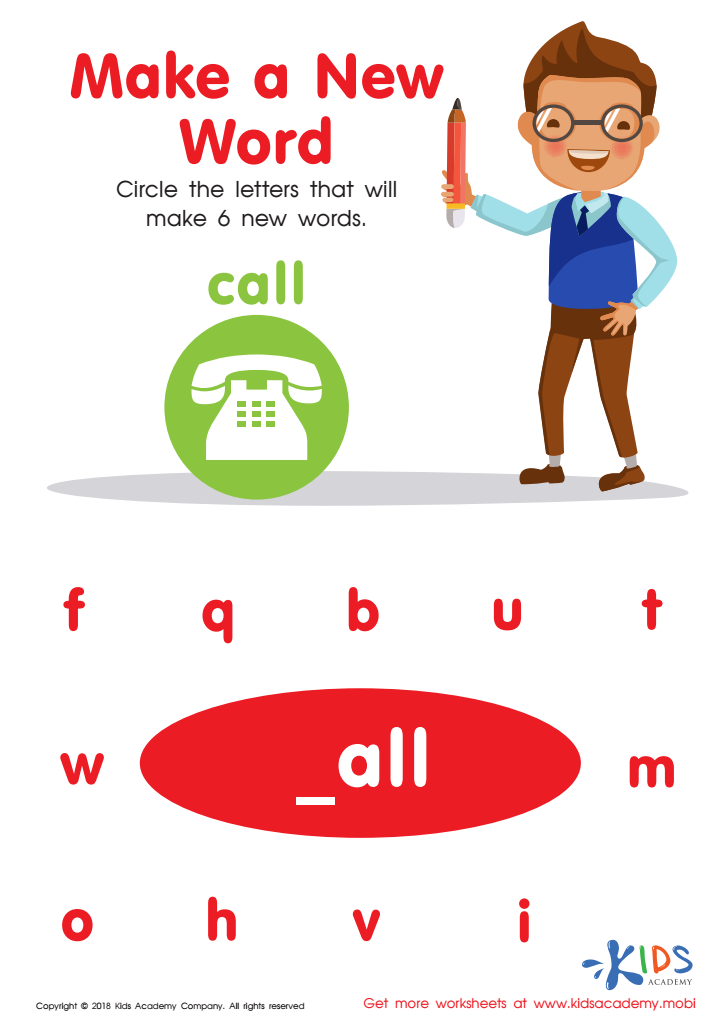
Make a New Word Worksheet
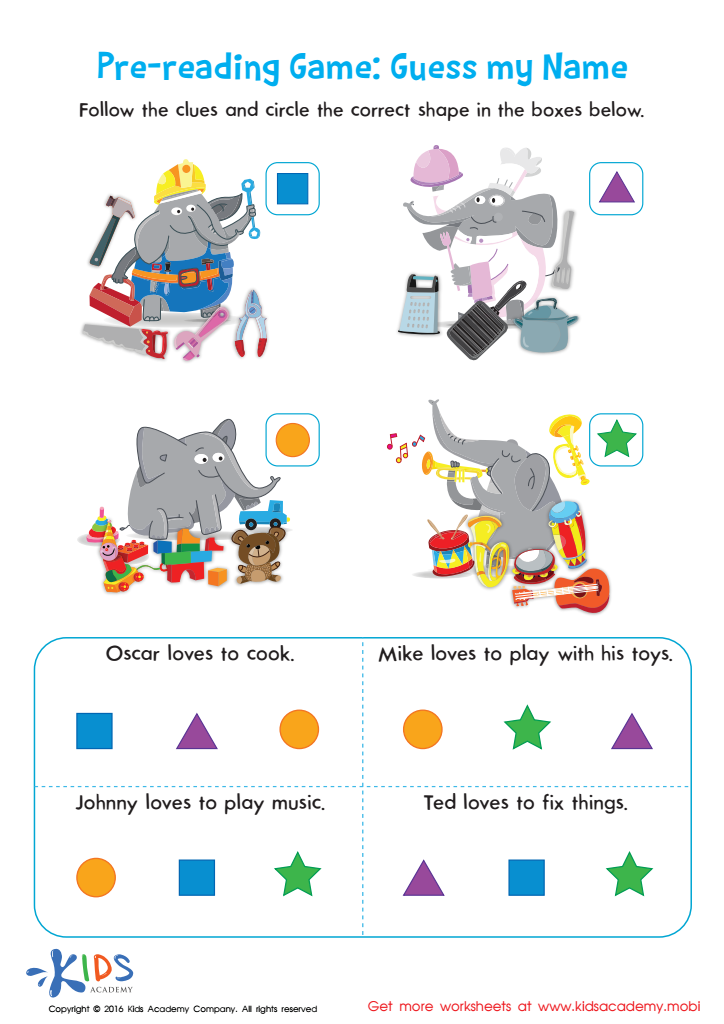
Pre Reading Worksheet Guess My Name





.jpg)


Cognitive development is crucial in early childhood, laying the foundation for lifelong learning and problem-solving skills. For children aged 3-7, building vocabulary is particularly important because it serves as a cornerstone for communication, reading comprehension, and social interaction.
Firstly, an enriched vocabulary helps children express their thoughts and emotions more precisely, fostering better social interactions and emotional intelligence. When children can accurately name feelings and experiences, they are better equipped to manage their emotions and develop empathy.
Secondly, a robust vocabulary is closely linked to academic success. Early language skills strongly predict future reading abilities and overall academic performance. Children who enter school with a well-developed vocabulary tend to find learning—particularly reading and writing—more accessible and enjoyable, setting the stage for a positive educational journey.
Furthermore, vocabulary growth spurs cognitive development in areas such as memory and problem-solving. As children learn new words, they create connections between concepts, enriching their cognitive networks and enhancing their ability to think critically and creatively.
Parents and teachers can support this growth by engaging children in conversations, reading aloud diverse books, and introducing new words in context. By prioritizing vocabulary development, adults help children unlock their potential, laying the groundwork for success in school and beyond.