Vocabulary Building Extra Challenge Building Vocabulary Worksheets for Ages 3-7
3 filtered results
-
From - To
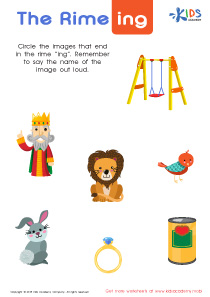
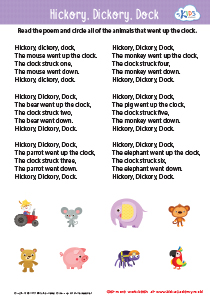
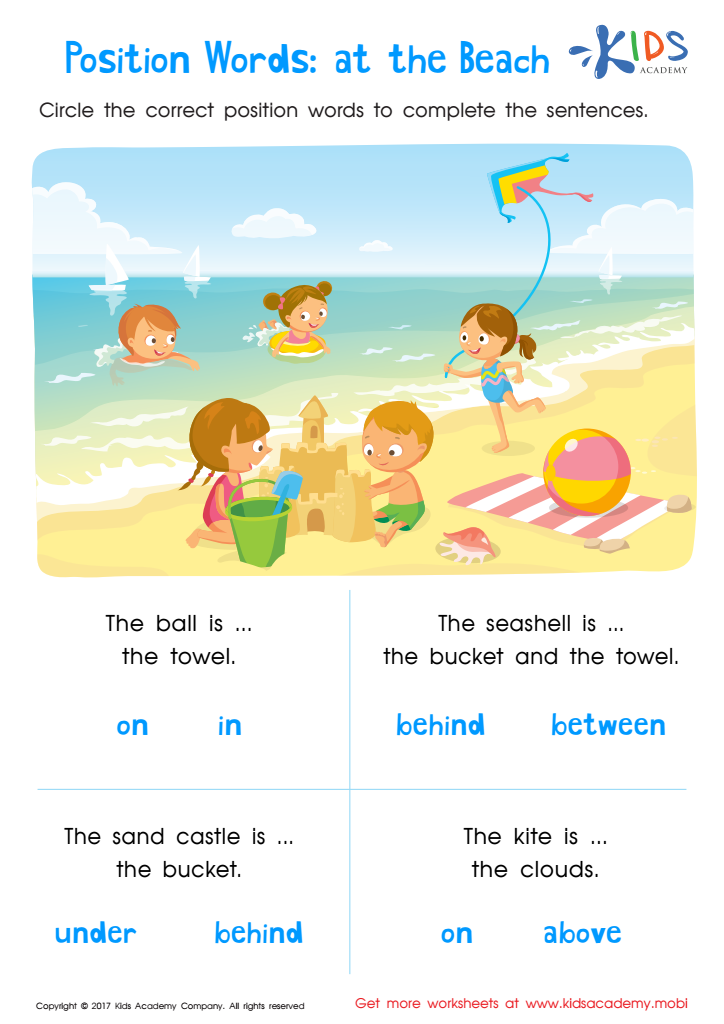
Transform your child's vocabulary skills with our "Vocabulary Building Extra Challenge" worksheets designed for ages 3-7! Our engaging and educational printables are crafted to enhance reading and comprehension skills for early learners. Each worksheet presents fun, visually appealing exercises that introduce new words, helping kids expand their lexicon effortlessly. Perfect for at-home or classroom use, these activities promote an interactive learning environment, fostering excitement and curiosity. Give your little ones the tools they need to succeed in reading and communication with our expertly designed, easy-to-follow vocabulary-building worksheets! Explore effective learning today!
 Assign to My Students











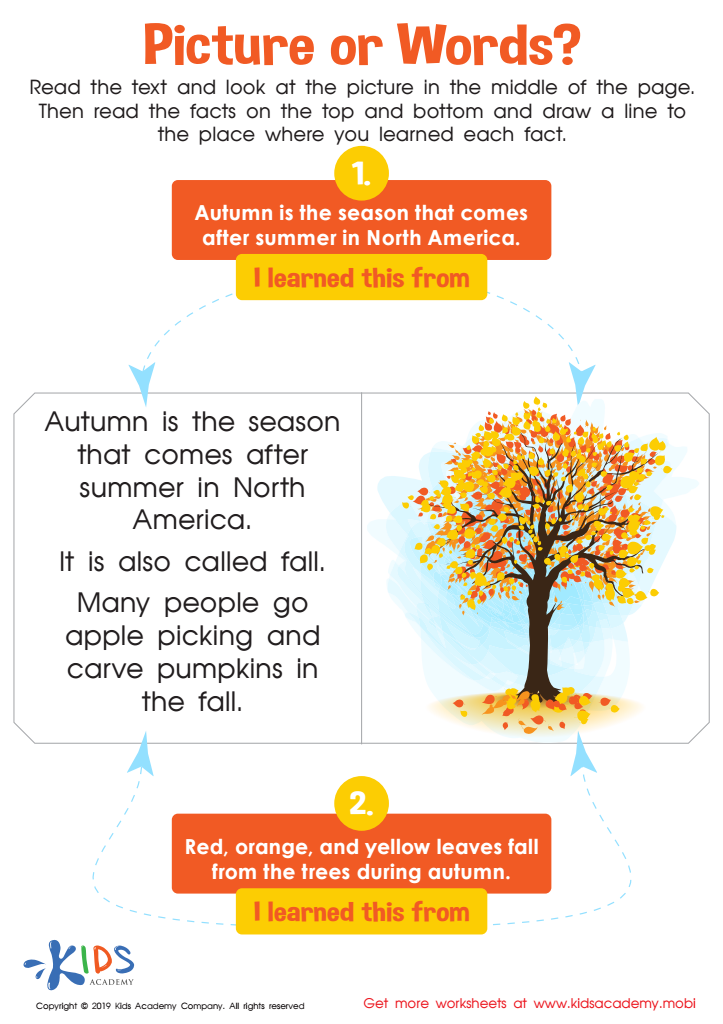
Picture Words Worksheet
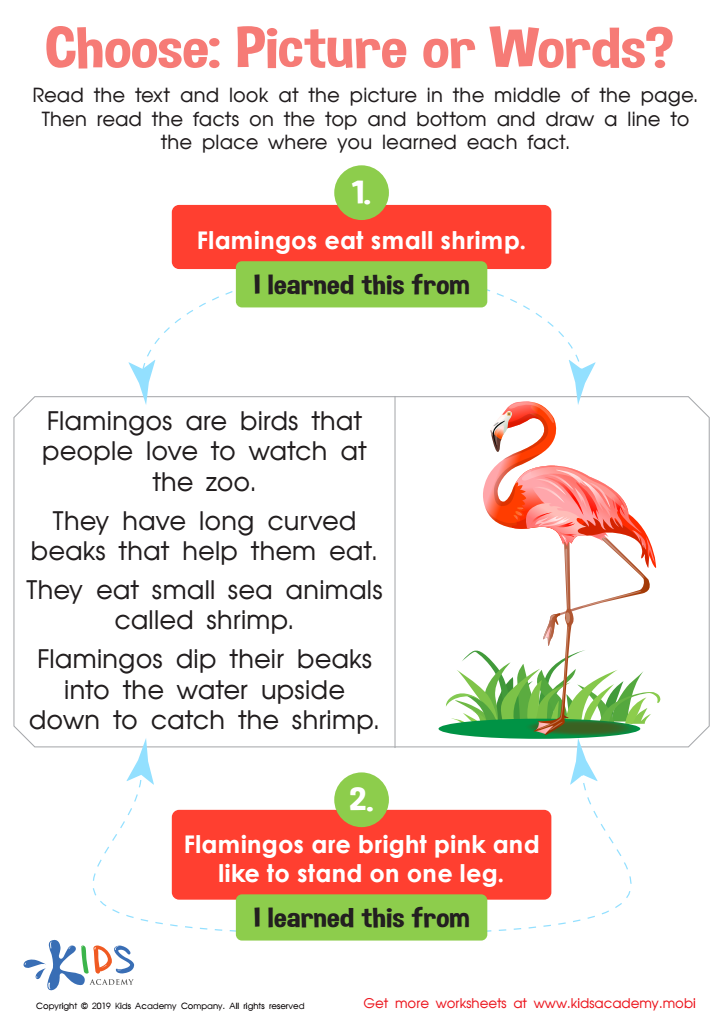
Choose Picture Words Worksheet


.jpg)





Vocabulary building plays a critical role in the early development of children, particularly between the ages of 3 and 7. During these formative years, children experience rapid brain growth and are highly receptive to language acquisition. For both parents and teachers, focusing on vocabulary enrichment can lead to numerous long-term benefits.
Firstly, a rich vocabulary forms the foundation for effective communication. Children with an extensive vocabulary are better able to express their thoughts, emotions, and needs, which enhances their social skills and overall confidence. Additionally, a strong vocabulary is closely linked to improved reading comprehension. When children understand more words, they can read texts more fluently and grasp content more deeply, setting the stage for academic success.
Moreover, vocabulary building boosts cognitive development. It promotes critical thinking skills by encouraging children to categorize and analyze new words, understand their nuances, and apply them in various contexts. This kind of mental exercise strengthens memory and problem-solving abilities.
Finally, introducing vocabulary-building challenges at an early age fosters a love for learning and curiosity about the world. Engaging activities that make learning enjoyable can inspire a lifelong passion for reading, exploration, and self-improvement. Therefore, dedicating time and effort to vocabulary development for young children is an investment in their future success and overall well-being.