Cognitive Development Extra Challenge Social Studies Worksheets for Ages 3-7
3 filtered results
Difficulty Level
Grade
Age
-
From - To
Subject
Activity
Standards
Unlock your child's potential with our Cognitive Development Extra Challenge Social Studies Worksheets designed for ages 3-7! This exciting collection focuses on enhancing critical thinking, memory, and problem-solving skills while introducing essential social studies concepts. Each worksheet is thoughtfully crafted to promote engagement through fun themes and interactive activities. Ideal for little learners, these exercises encourage exploration of community, culture, and the world around them, all while fostering a love for learning. Perfect for home, classroom, or supplemental learning, our worksheets provide the perfect blend of education and enjoyment. Empower your child's cognitive growth today with these enriching resources!
Favorites
With answer key
Interactive
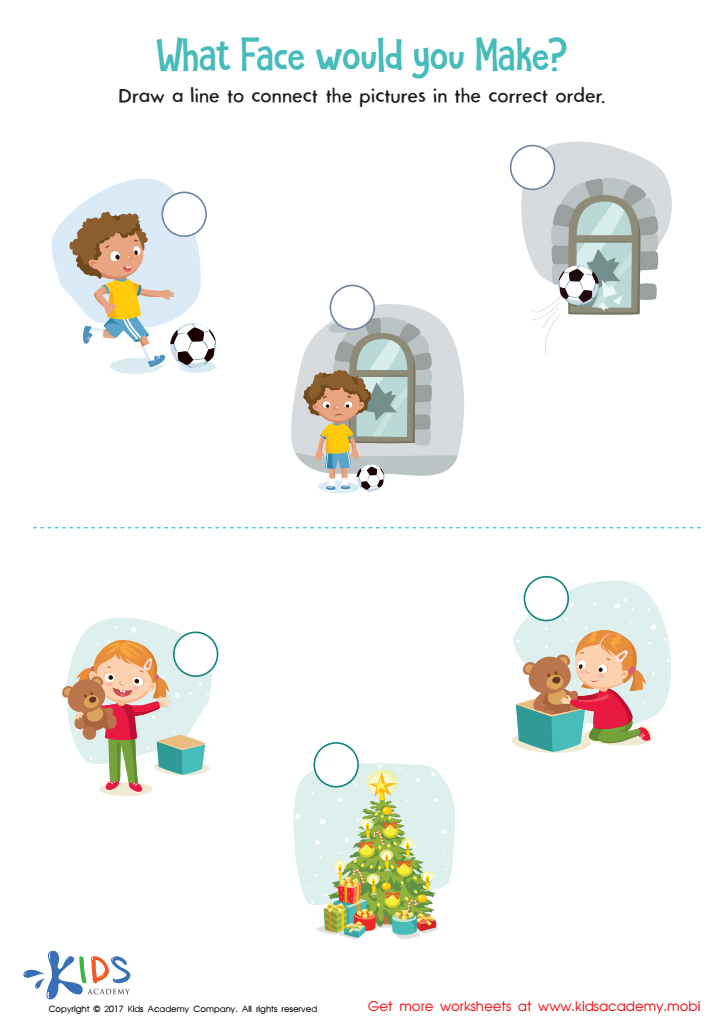
Understanding Emotions Worksheet
This worksheet helps children build social and emotional skills. As they complete it, they imagine themselves in the boy's situation, practicing empathy. It's an engaging and meaningful way to learn.
 Assign to My Students
Understanding Emotions Worksheet
Worksheet
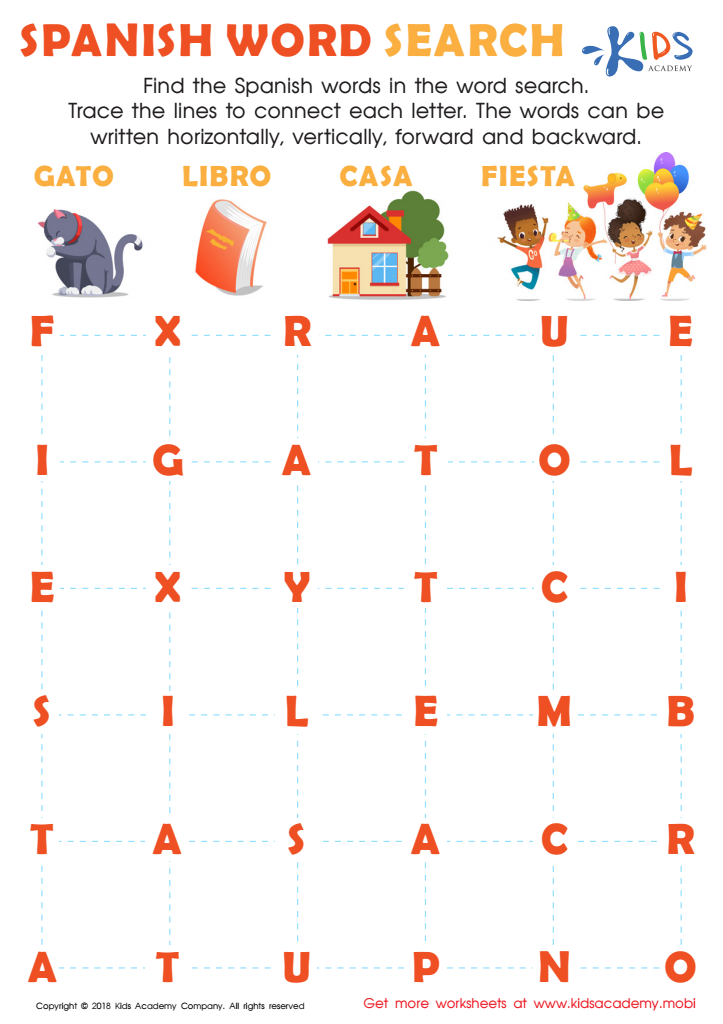
Spanish Word Search Worksheet
This free worksheet encourages students to learn Spanish words while developing visual, fine motor, and hand-eye coordination skills. Through colorful pictures and traceable lines, the task of finding words such as gato, libro, casa, and fiesta is disguised as a fun and engaging way to explore new cultures.
Spanish Word Search Worksheet
Worksheet
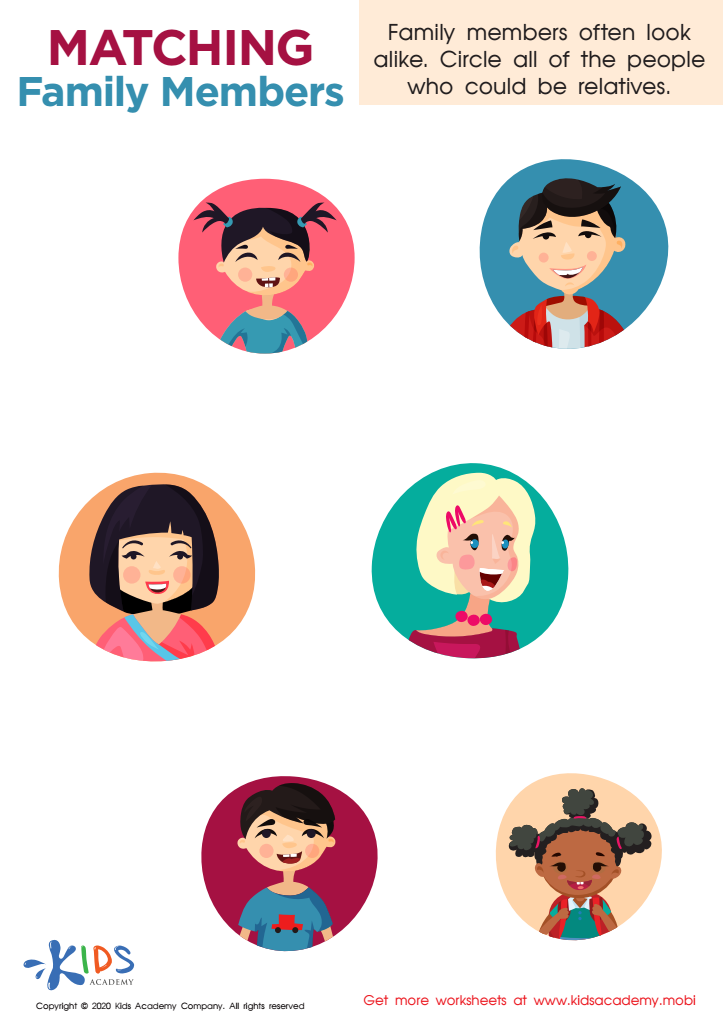
Matching Family Members Worksheet
Most family members look similar due to genetics. Teach this concept to your child using this worksheet - look for similar facial and bodily features, then circle those from the same family. Help them learn how to recognise family resemblance.
Matching Family Members Worksheet
Worksheet
Join Kids Academy for Free
Who is primarily going to use this learning content?








Cognitive development is a crucial aspect of early childhood education, particularly in social studies for children aged 3-7. During this stage, children begin to develop critical thinking and problem-solving skills, essential for understanding the world around them. Engaging young learners in social studies fosters curiosity about their communities, culture, and social interactions, laying the groundwork for informed citizenship and empathy.
Parents and teachers should care about this developmental focus because it nurtures children’s ability to interpret information, recognize perspectives, and understand societal structures. By exploring concepts such as family roles, community helpers, and cultural traditions, children enhance their analytical skills and can relate to diverse experiences. Cognitive challenges in social studies encourage verbal communication, enhancing language development and vocabulary through discussions and collaborative activities.
Moreover, a strong foundation in social studies supports emotional intelligence, as children gain insights into emotions and behavior in themselves and others. This understanding is vital for building relationships and social skills. Overall, by prioritizing cognitive development in social studies, caregivers and educators prepare children for future academic success, personal growth, and active participation in a diverse world, making it essential for holistic early education.