Vocabulary Building Extra Challenge Grammar Worksheets for Ages 3-7
3 filtered results
-
From - To
Enhance your child's language skills with our "Vocabulary Building Extra Challenge Grammar Worksheets for Ages 3-7"! These engaging printable worksheets are designed to captivate young learners while boosting their grammar and vocabulary. Perfect for preschool and early elementary students, our interactive exercises focus on essential language components, including word recognition, sentence structure, and usage. Watch as your child thrives through fun, educational activities tailored to their developmental stage. Whether at home or in the classroom, our worksheets make learning a delightful journey for kids, sparking curiosity and a lifelong love of words. Get started today!
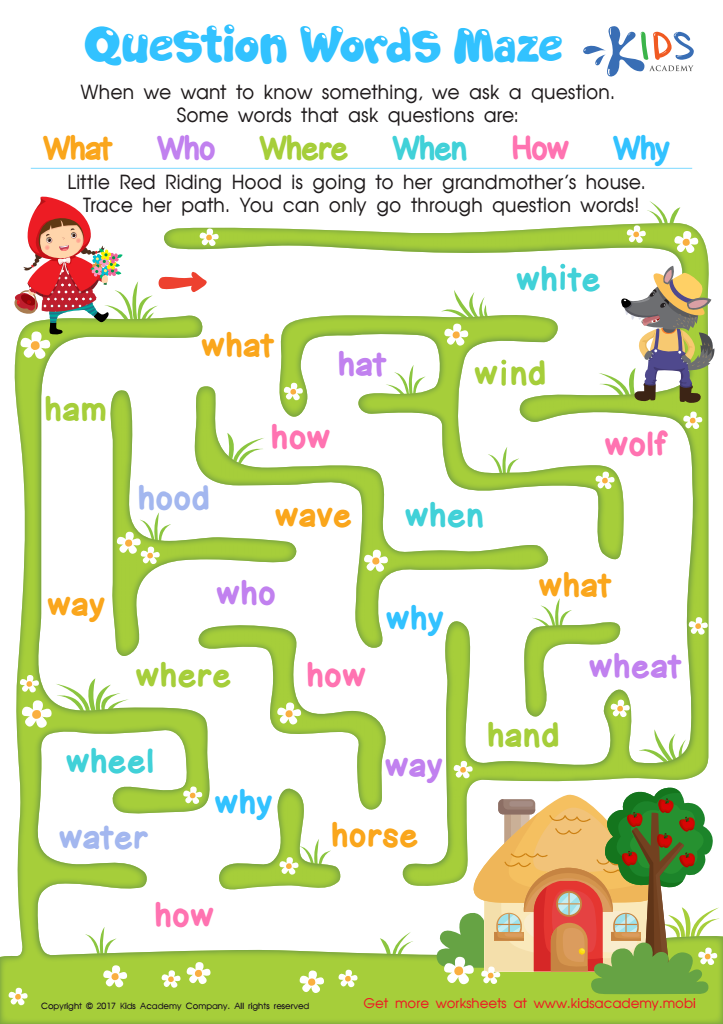
Question Words Maze Worksheet
 Assign to My Students
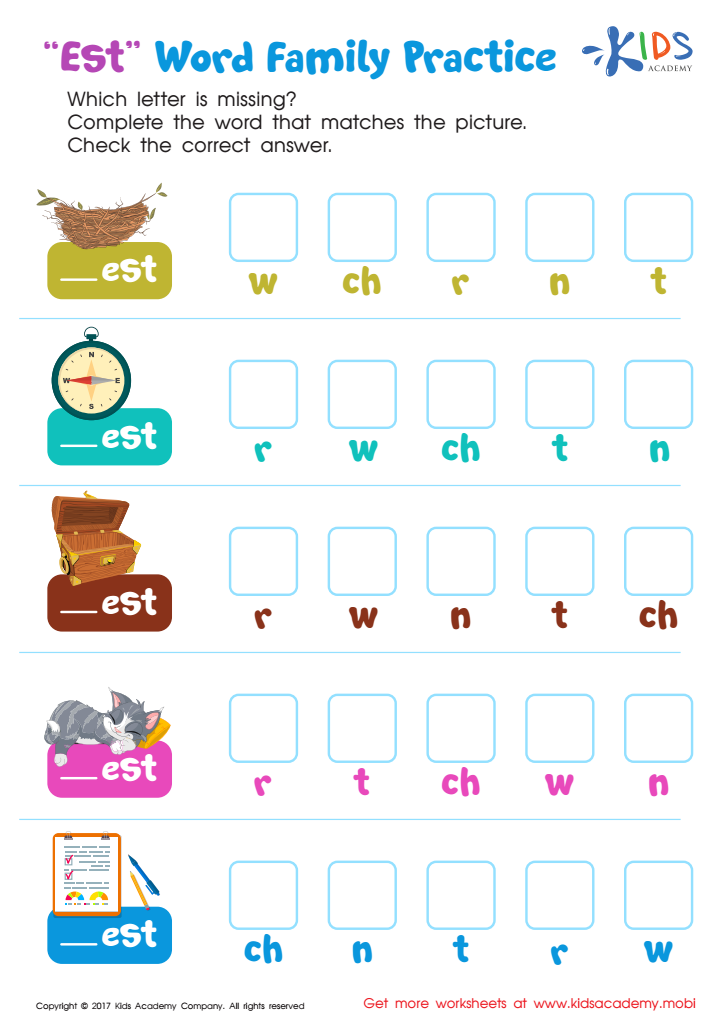
Words Family "est" Spelling Worksheet
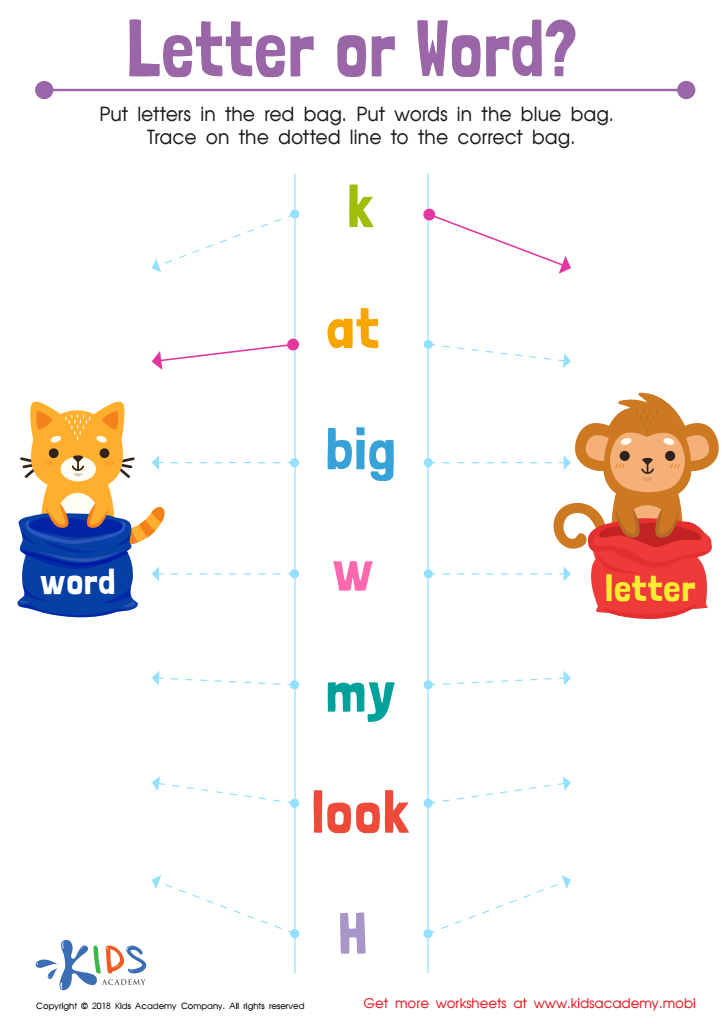
Letter or Word? Worksheet






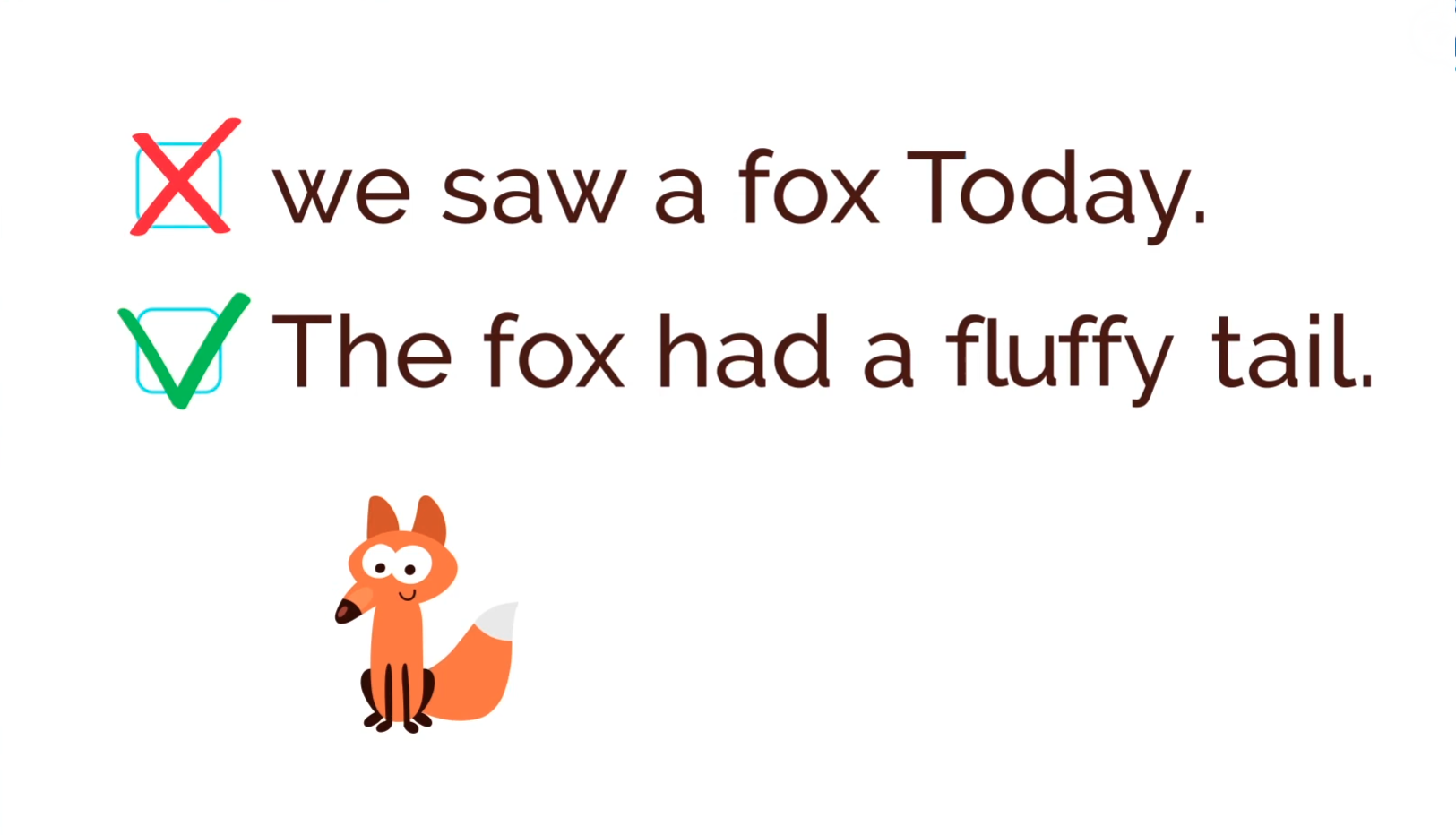
.jpg)
Vocabulary building and basic grammar are pivotal for children aged 3-7 because these early years are a critical period for language development. Parents and teachers should deeply care about this aspect of a child's education because it lays a foundation for future reading comprehension, communication skills, and academic success.
At this formative age, children's brains are remarkably adaptable and capable of absorbing new information rapidly. Engaging in vocabulary-building exercises helps kids acquire a broad range of words that will assist them in expressing their thoughts and understanding others. This improved communication boosts their confidence, social interactions, and prepares them for more complex language tasks in school.
Introducing basic grammar rules early helps children construct sentences correctly and understand the structure of language. It aids in better reading and writing skills, making learning more enjoyable and less frustrating. Proper grammar usage further ensures that children can accurately interpret instructions and connect ideas logically.
Parents and teachers play crucial roles by providing a rich language environment through reading, conversation, and interactive activities. By making the effort to build vocabulary and introduce grammar rules early, they give children a significant, lifelong advantage not only in their education but in their overall cognitive and social development.