Alphabet Recognition Extra Challenge ABC Letters Worksheets for Ages 3-9
3 filtered results
-
From - To
Discover our "Alphabet Recognition Extra Challenge ABC Letters Worksheets," designed specifically for children ages 3 to 9! These engaging worksheets provide a fun and interactive way for young learners to master their alphabet recognition skills. Each activity encourages creativity while reinforcing letter identification through tracing, matching, and coloring exercises. Perfect for the classroom or homeschooling, these worksheets help your child build a strong foundation in literacy. Whether your child is just beginning to learn the alphabet or looking for a delightful extra challenge, our worksheets cater to all skill levels. Start your child’s reading journey today with fun and educational letters worksheets!
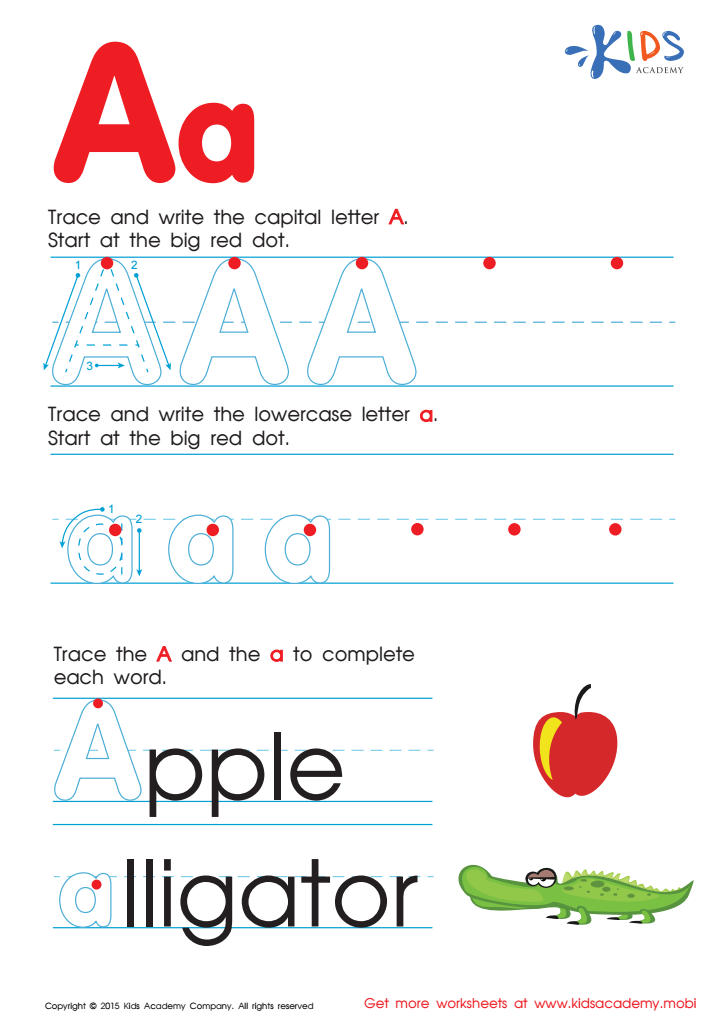
Letter A Tracing Page
 Assign to My Students





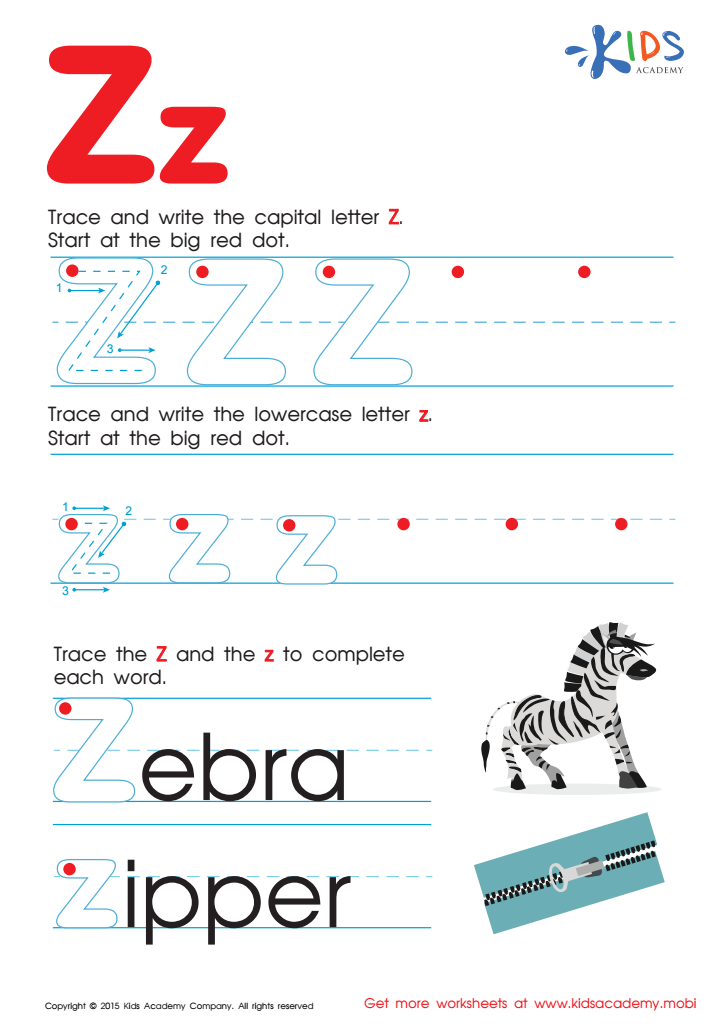
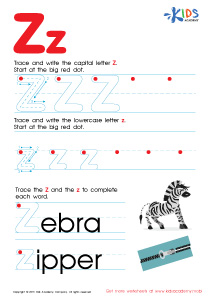
Letter Z Tracing Page
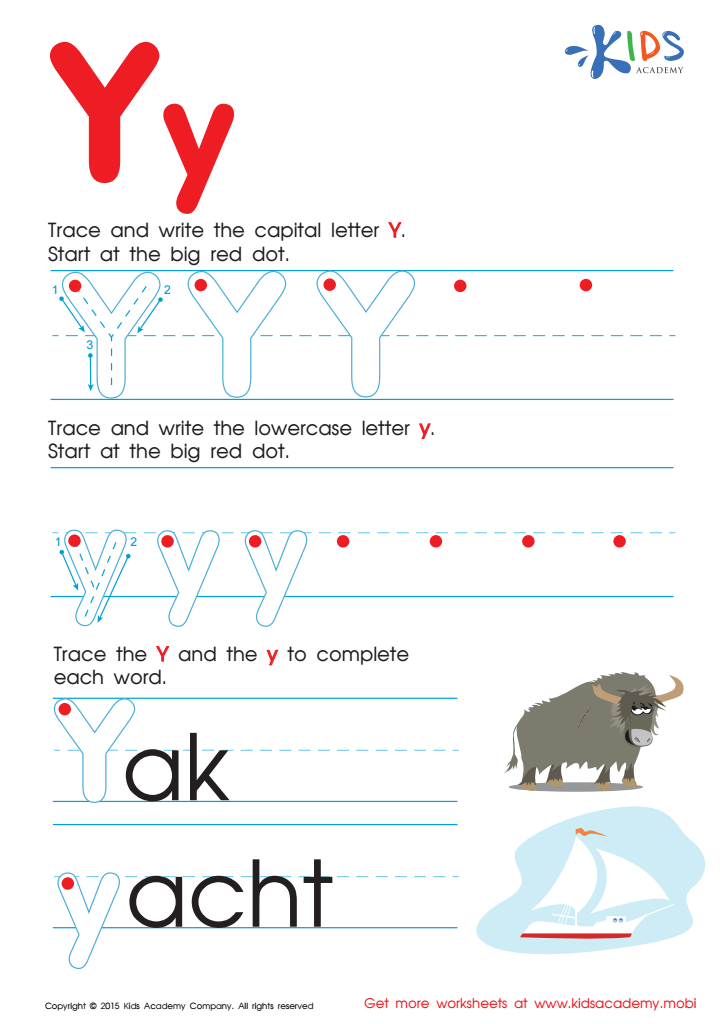
Letter Y Tracing Page








Alphabet recognition is a foundational skill crucial for children's literacy development, particularly for those aged 3-9. Programs like Alphabet Recognition Extra Challenge ABC Letters provide targeted activities that engage young learners in recognizing letters, which is essential for reading and writing proficiency. When parents and teachers prioritize this skill, they equip children with the tools to decode words, understand phonics, and embark on successful reading journeys.
By incorporating such challenges, educators can enhance children's cognitive skills while making learning interactive and fun. This approach sparks curiosity, often leading to heightened interest in literacy activities. Furthermore, early mastery of the alphabet builds confidence, allowing children to participate actively in reading-related discussions, whether at home or in school.
Additionally, recognizing the language arts' multicultural aspects through diverse letter-related challenges allows educators and parents to address various learning styles and interests, making literacy an inclusive experience. As language skills are directly linked to overall academic success, fostering alphabet recognition through engaging programs ensures that children have strong foundations, ready to tackle more complex reading and writing tasks later on. Ultimately, investing in children's early literacy lays the groundwork for lifelong learning and achievement.