Fine Motor Skills Extra Challenge Letter Recognition Worksheets for Ages 3-9
7 filtered results
-
From - To
Explore our Fine Motor Skills Extra Challenge Letter Recognition Worksheets, designed specifically for children ages 3-9! These engaging and interactive worksheets help young learners enhance their letter recognition abilities while developing essential fine motor skills. Each worksheet is crafted to provide a fun, hands-on experience, encouraging kids to trace, color, and connect letters in creative ways. Perfect for reinforcing early literacy skills, these worksheets empower children to build confidence as they learn the alphabet. Whether in a classroom or home setting, our expertly designed resources make learning enjoyable and effective. Start your child's journey toward mastery in letter recognition today!
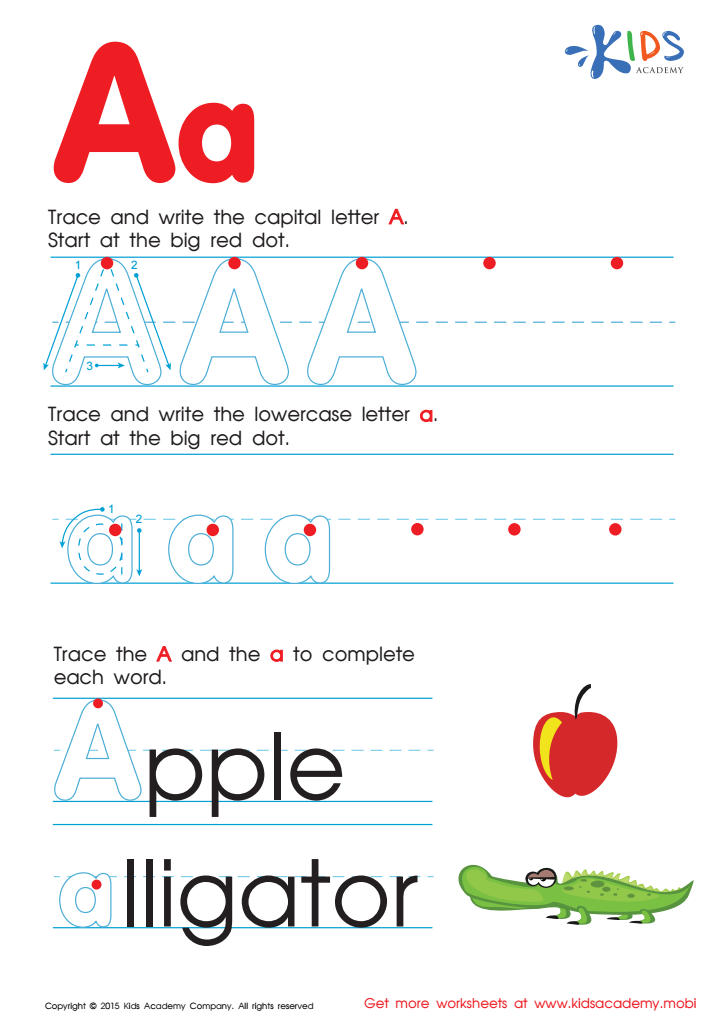
Letter A Tracing Page
 Assign to My Students
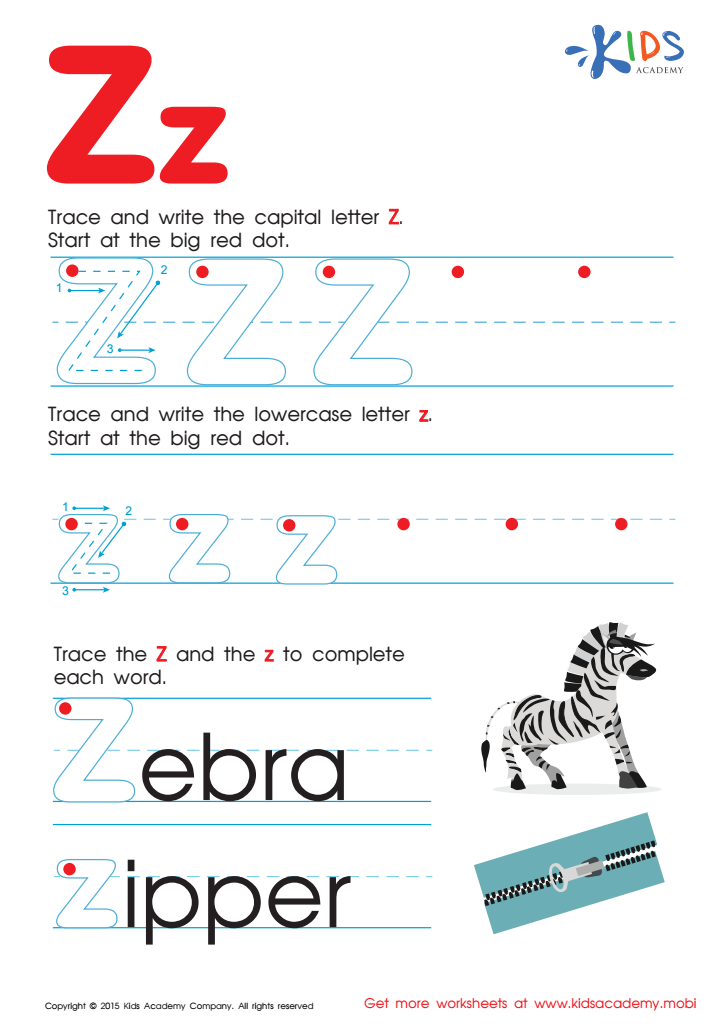
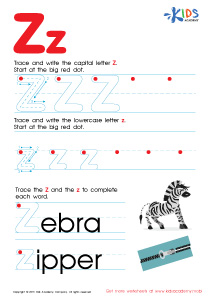
Letter Z Tracing Page
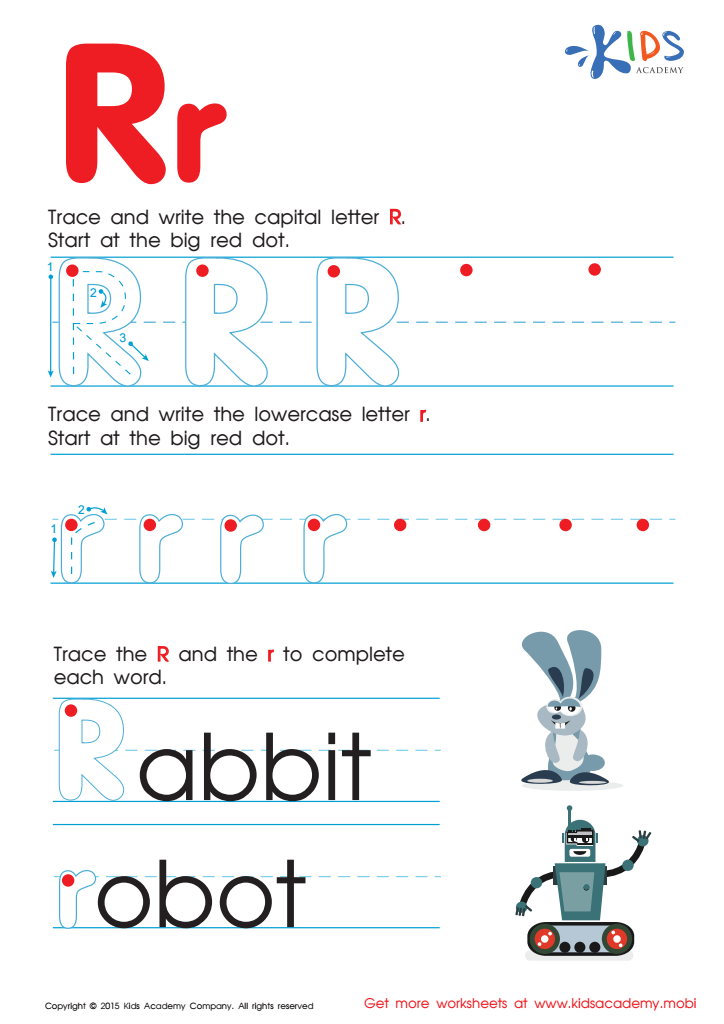
Letter R Tracing Page
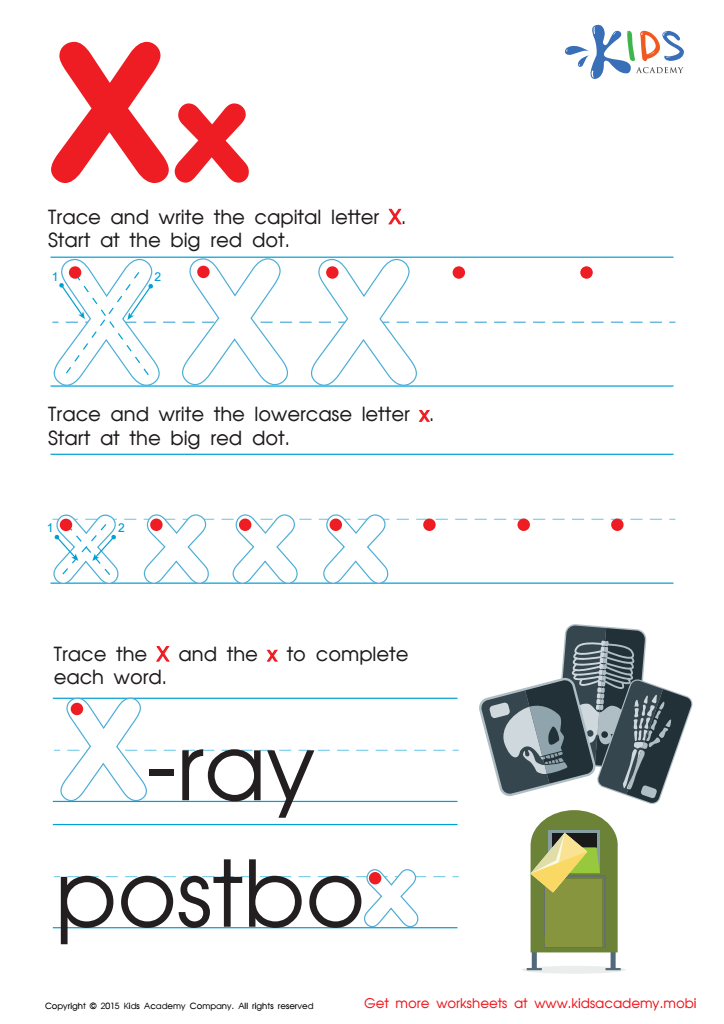
Letter X Tracing Page
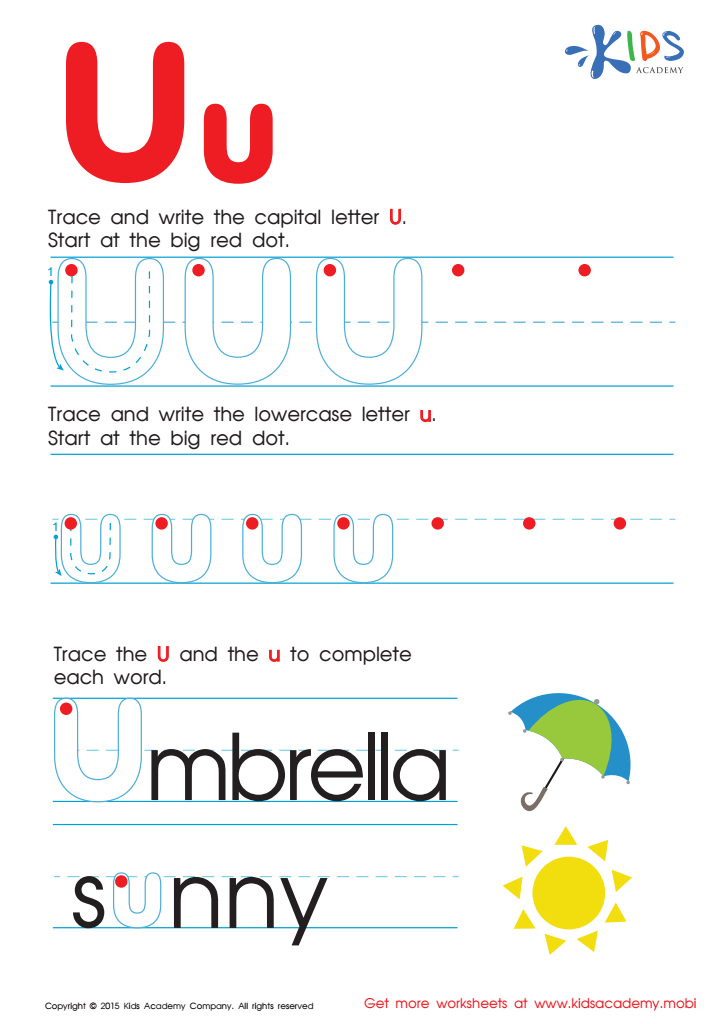
Letter U Tracing Page
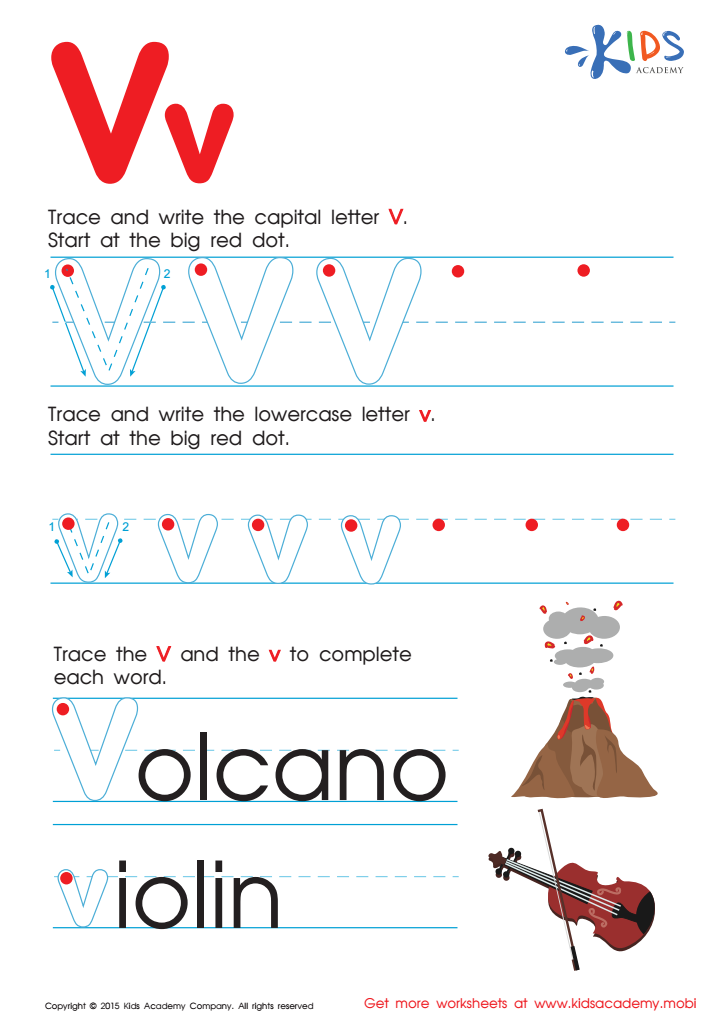
Letter V Tracing Page
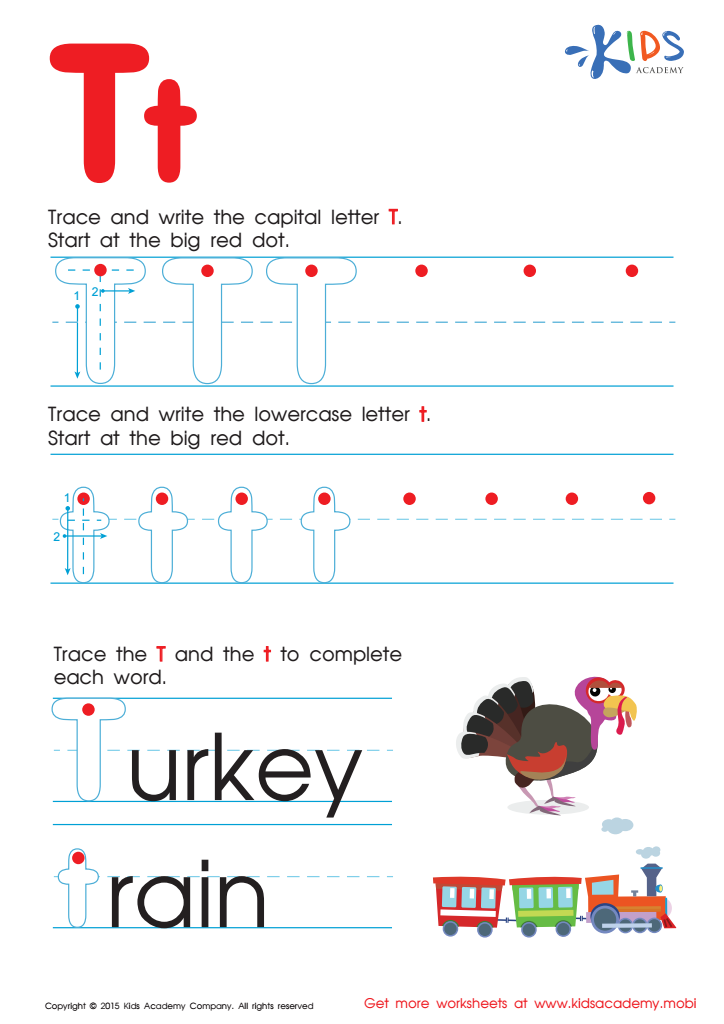
Letter T Tracing Page








Fine motor skills are crucial for young children, significantly impacting their overall development, learning, and everyday tasks. For children aged 3-9, these skills involve using small muscles in the hands and fingers, essential for writing, drawing, and self-care activities like buttoning shirts or tying shoelaces. When combined with letter recognition, these skills allow children to not only identify letters but also write them correctly, laying a strong foundation for literacy.
Teachers and parents should care about promoting fine motor skills and letter recognition because they are intertwined and essential for academic success. Activities that enhance fine motor skills, such as stringing beads or cutting with scissors, also stimulate cognitive processes that aid in recognizing letters and sounds. Early intervention can prevent struggles later in school.
Moreover, engaging children in extra challenges can inspire confidence, perseverance, and joy in learning. By providing targeted activities that promote both fine motor skills and letter recognition, adults can nurture well-rounded learners who are prepared for future educational endeavors. Ultimately, investing in these early skills fosters a love for learning and equips children with the necessary tools to thrive both academically and personally.