Letter recognition Extra Challenge Tracing Letters Worksheets for Ages 3-9
7 filtered results
-
From - To
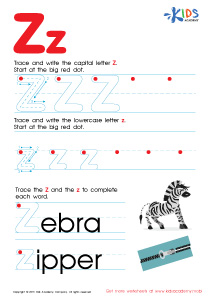
Enhance your child's letter recognition skills with our "Letter Recognition Extra Challenge Tracing Letters Worksheets" designed for ages 3-9. These engaging printable worksheets offer a fun and interactive way for young learners to practice tracing letters while boosting their literacy skills. Featuring a variety of exercises that challenge their abilities, these worksheets foster both creativity and confidence in early writing. Each activity encourages children to recognize and form both uppercase and lowercase letters, improving fine motor skills along the way. Perfect for teachers and parents alike, these worksheets are an essential resource for supporting your child’s educational journey in a playful manner.
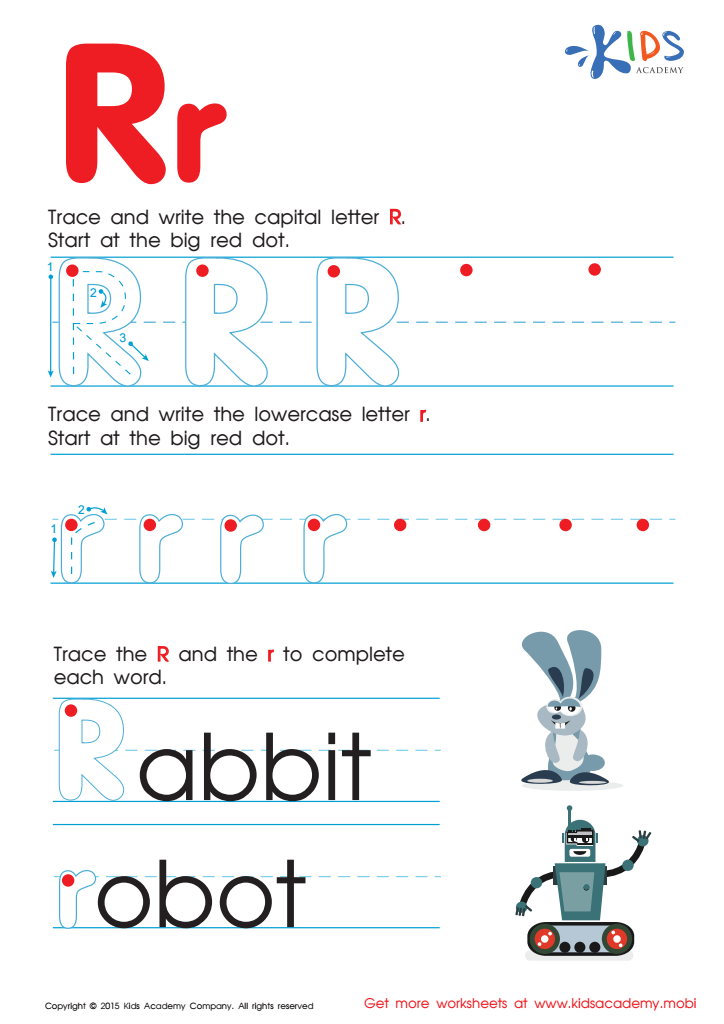
Letter R Tracing Page
 Assign to My Students
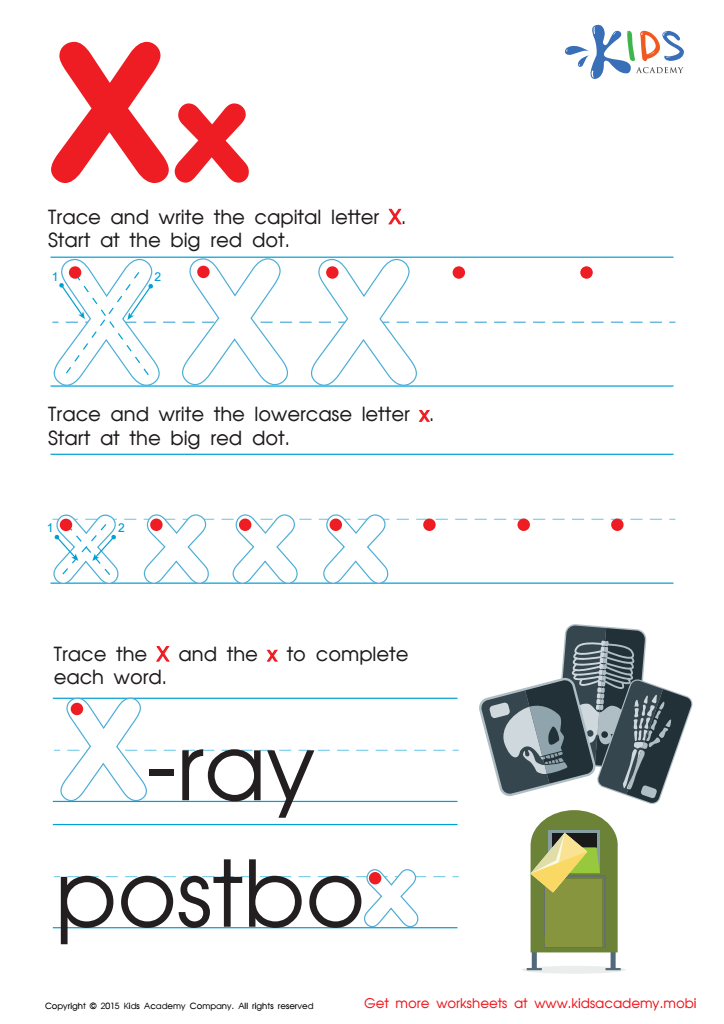
Letter X Tracing Page
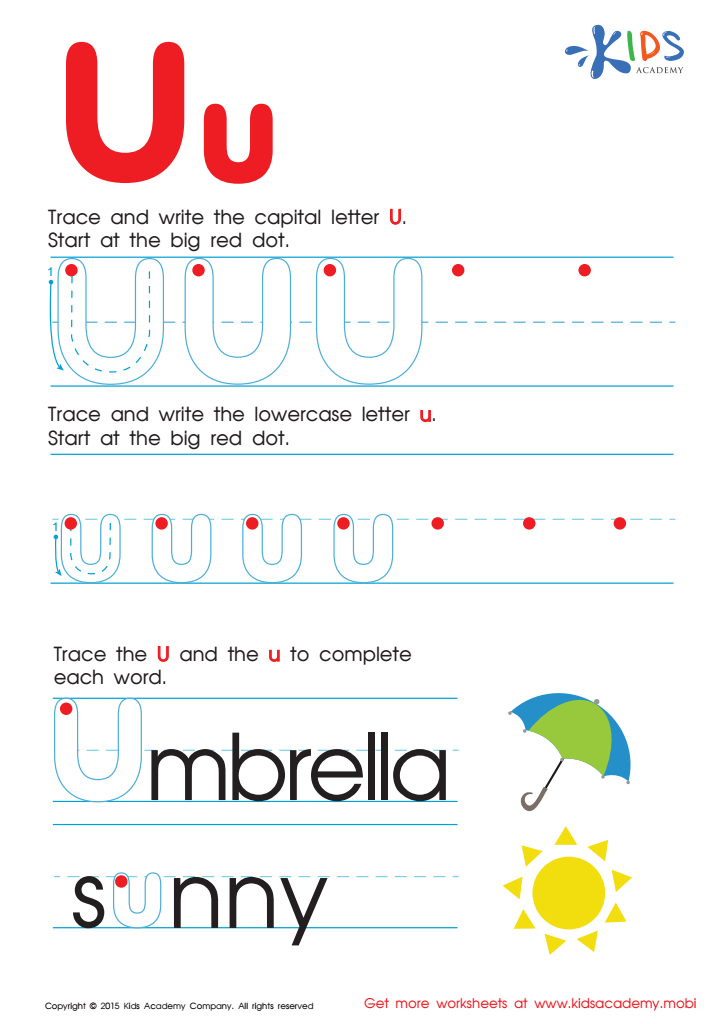
Letter U Tracing Page
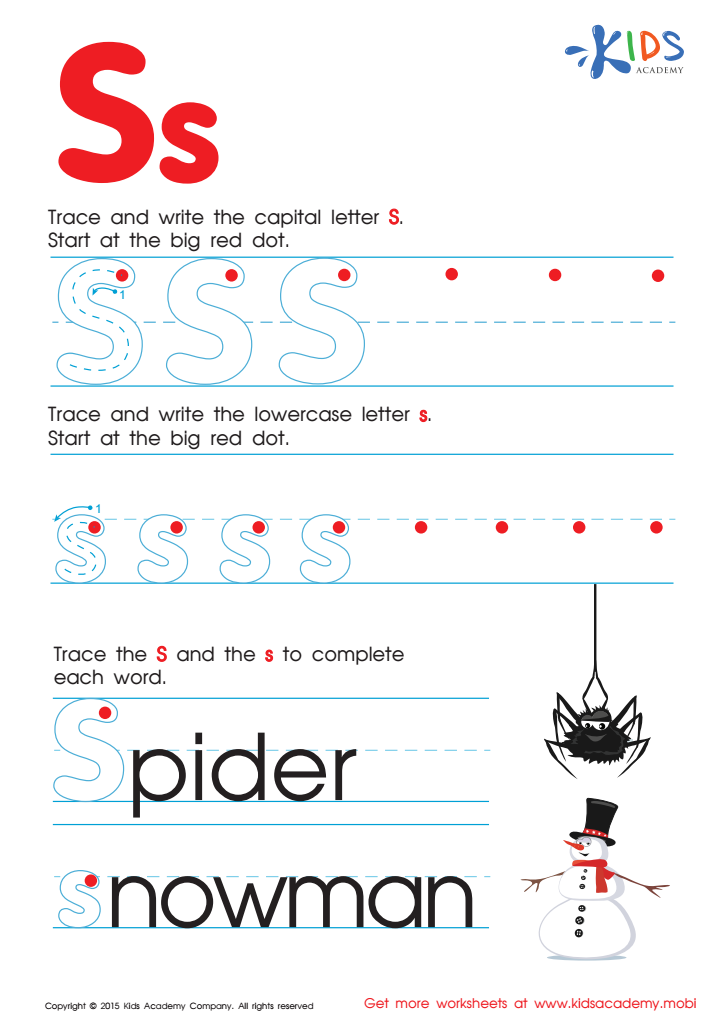
Letter S Tracing Page
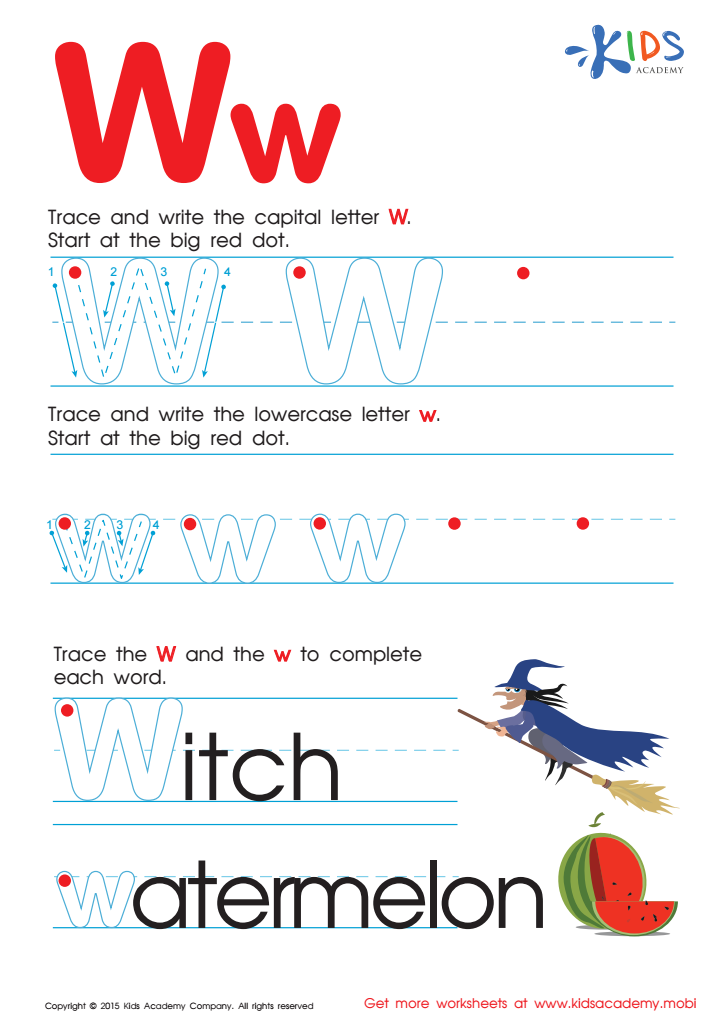
Letter W Tracing Page
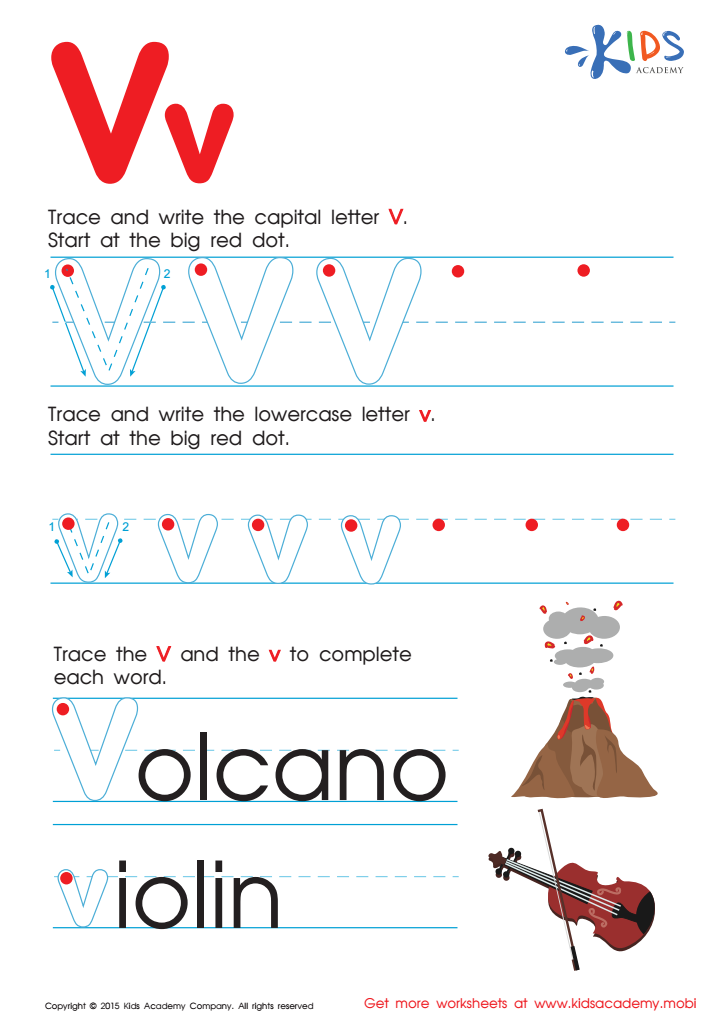
Letter V Tracing Page
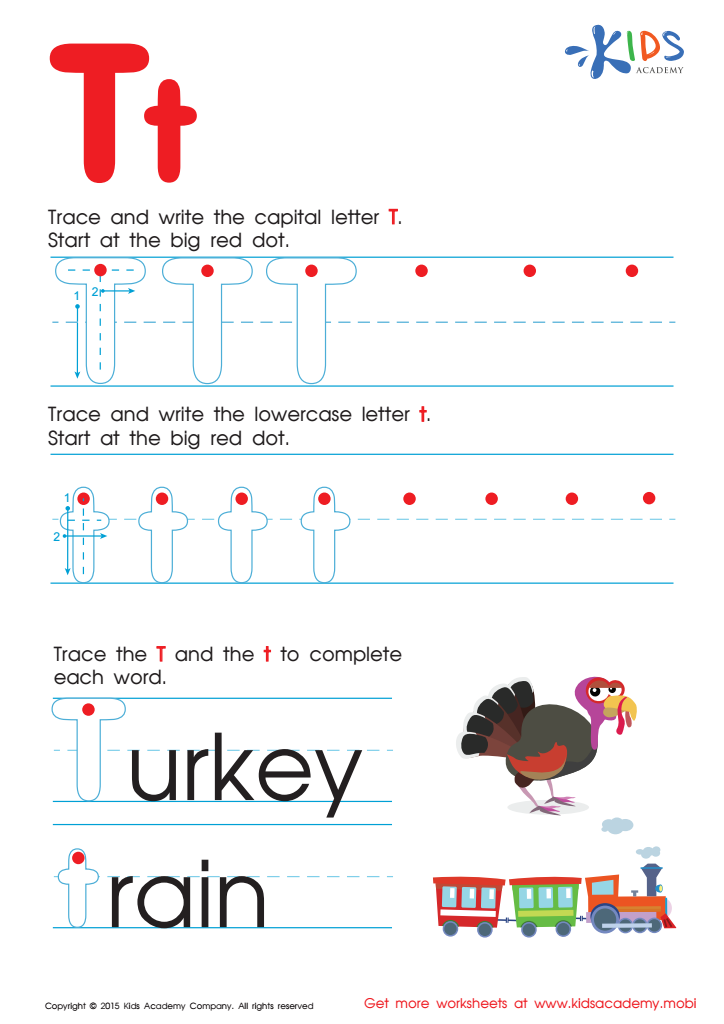
Letter T Tracing Page








Letter recognition is a foundational skill for early literacy development in children aged 3-9, serving as a critical stepping stone to reading and writing. Understanding letters helps children decode words, making it essential for them to engage with books and written content. Extra challenge tracing letters not only reinforces this recognition but also enhances fine motor skills, promoting good handwriting practices early on.
Parents and teachers should care about this because it lays the groundwork for future academic success. When children are confident in recognizing letters and can trace them, they are more likely to excel in reading comprehension and spelling as they progress through school. Furthermore, tracing letters helps improve concentration and focus – important traits in learning.
To engage children, tracing activities can be made fun and interactive, using colorful worksheets or digital tools. This technique also allows for personalized learning; caregivers can tailor activities to meet individual child's needs, reinforcing letters that may be challenging.
Ultimately, fostering letter recognition and writing skills through tracing equips children not just for school, but also promotes a lifelong love of learning and literacy. When parents and teachers prioritize this skill, they contribute significantly to a child's educational journey.