Cognitive Development Extra Challenge Math Worksheets for Ages 3-9 - Page 2
28 filtered results
-
From - To
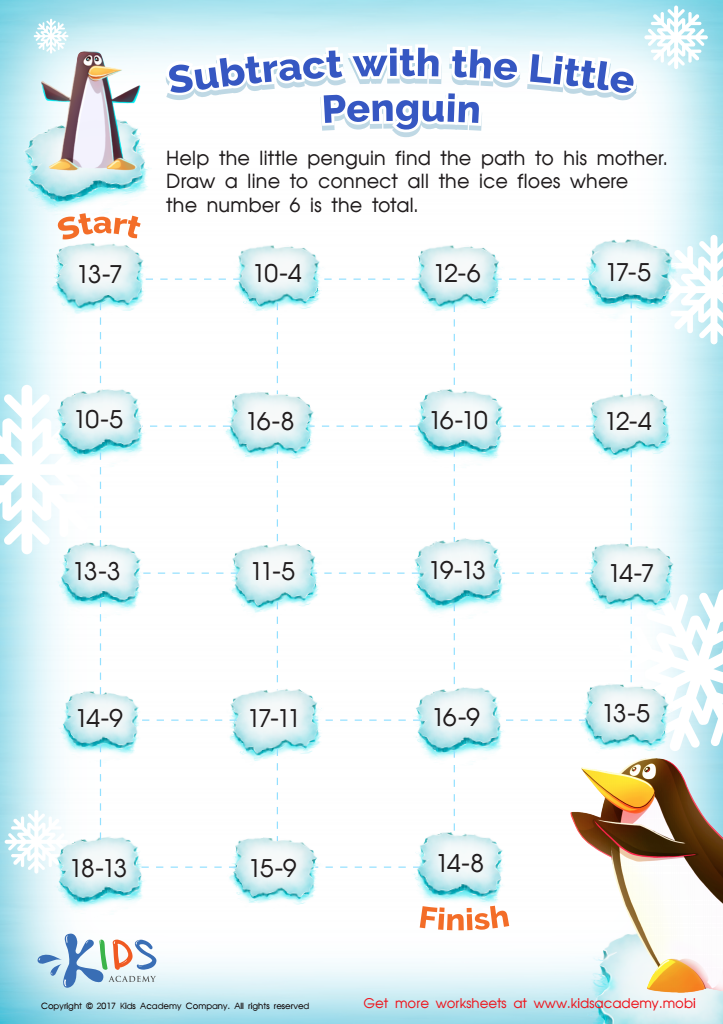
Subtract With The Little Penguin Substraction Worksheet
 Assign to My Students
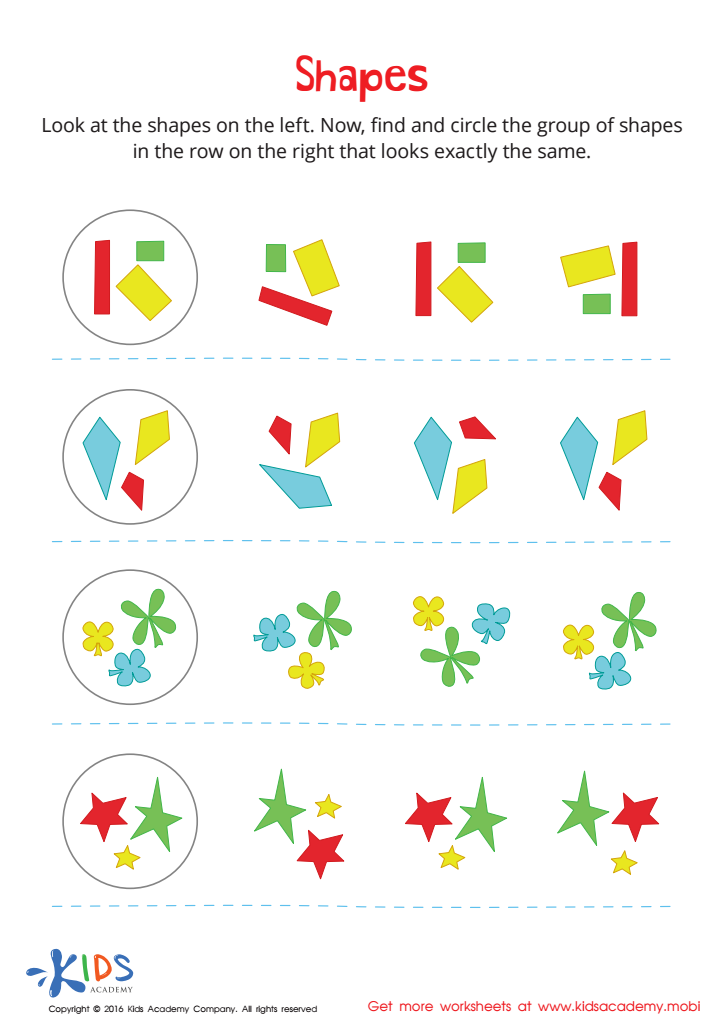
Shapes Worksheet
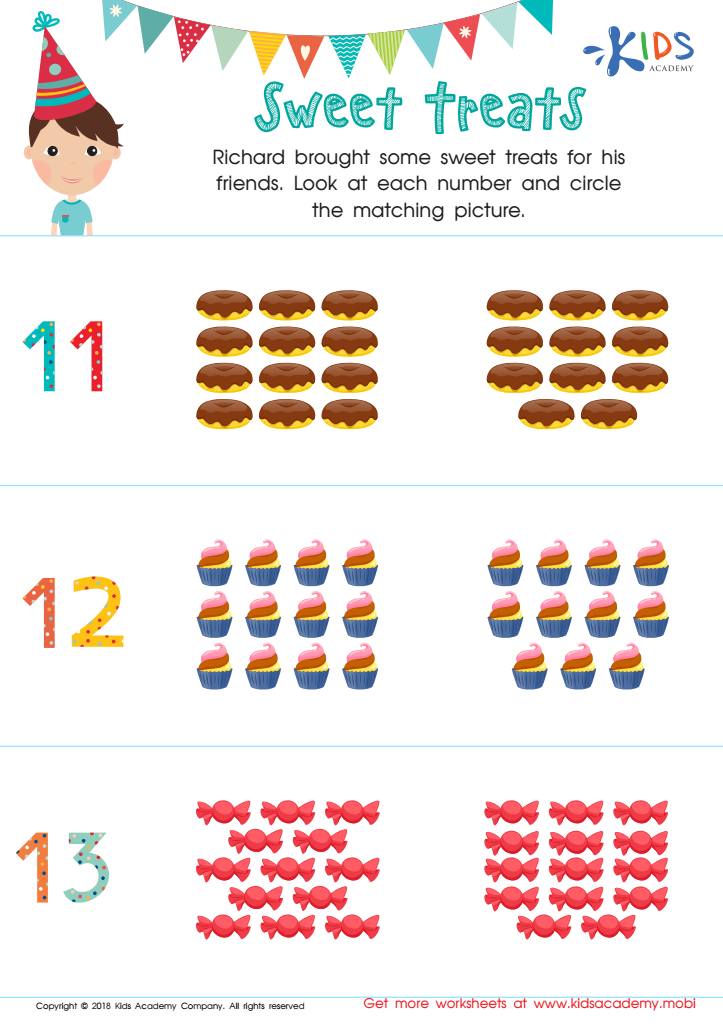
Kindergarten Math Worksheet Matching Numbers
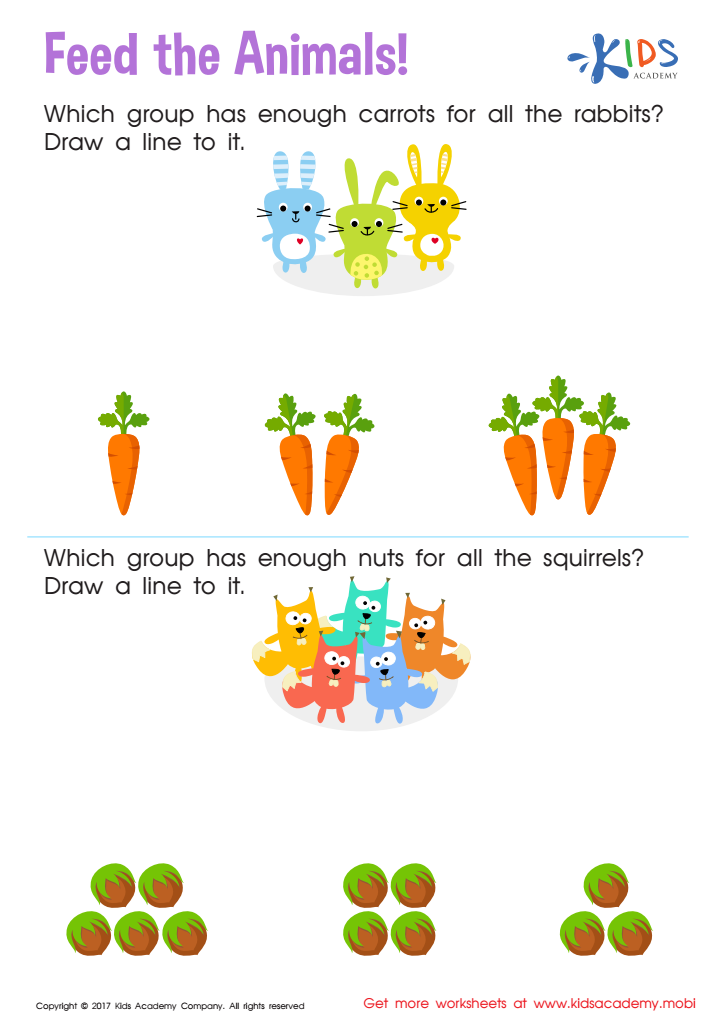
Count and Match: Feed the Animals Worksheet








Parents and teachers should care about Cognitive Development Extra Challenge Math for ages 3-9 because it fosters critical early learning skills that form the foundation for future academic success. At this developmental stage, children's brains are highly receptive and malleable, making it an optimal time to introduce challenging yet age-appropriate math concepts. These challenges enhance cognitive skills such as problem-solving, logical reasoning, and spatial awareness, which are essential for understanding more complex subjects later in life.
Additionally, early exposure to math challenges can boost confidence and enthusiasm for learning. When children successfully tackle challenging tasks, they develop a growth mindset, learning to persevere through difficulties and celebrating small victories. This positive attitude toward learning is crucial for long-term academic motivation and resilience.
Moreover, engaging in math activities can improve other cognitive functions, such as memory and attention span, as math often requires focused thinking and the retention of multiple steps or pieces of information.
Teachers and parents who actively engage children in these math challenges foster an enriched learning environment where curiosity and intellectual development thrive. This proactive approach not only aids in cognitive development but also helps children develop a lifelong appreciation for math and learning in general.








