Cognitive Development Extra Challenge Building Vocabulary Worksheets for Ages 3-9
6 filtered results
-
From - To
Our "Cognitive Development Extra Challenge Building Vocabulary Worksheets for Ages 3-9" are expertly designed to boost your child's language skills. These engaging worksheets present fun-filled activities that nurture vocabulary growth and cognitive development. Perfectly tailored for children aged 3-9, each worksheet emphasizes word recognition, usage, and comprehension. By complementing regular learning, these challenges foster critical thinking and enhance reading proficiency. Ideal for both classrooms and home learning, our printable worksheets make vocabulary building an enjoyable and rewarding journey. Explore today and watch your child’s linguistic abilities flourish with engaging activities that make learning fun!
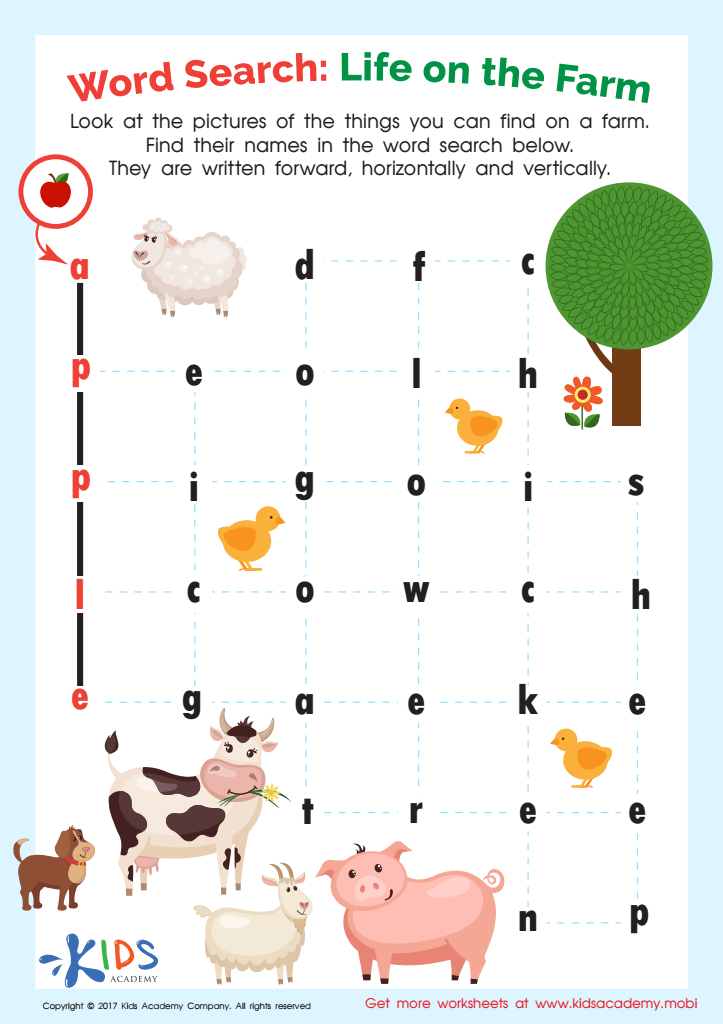
Word Search Puzzles Worksheet
 Assign to My Students











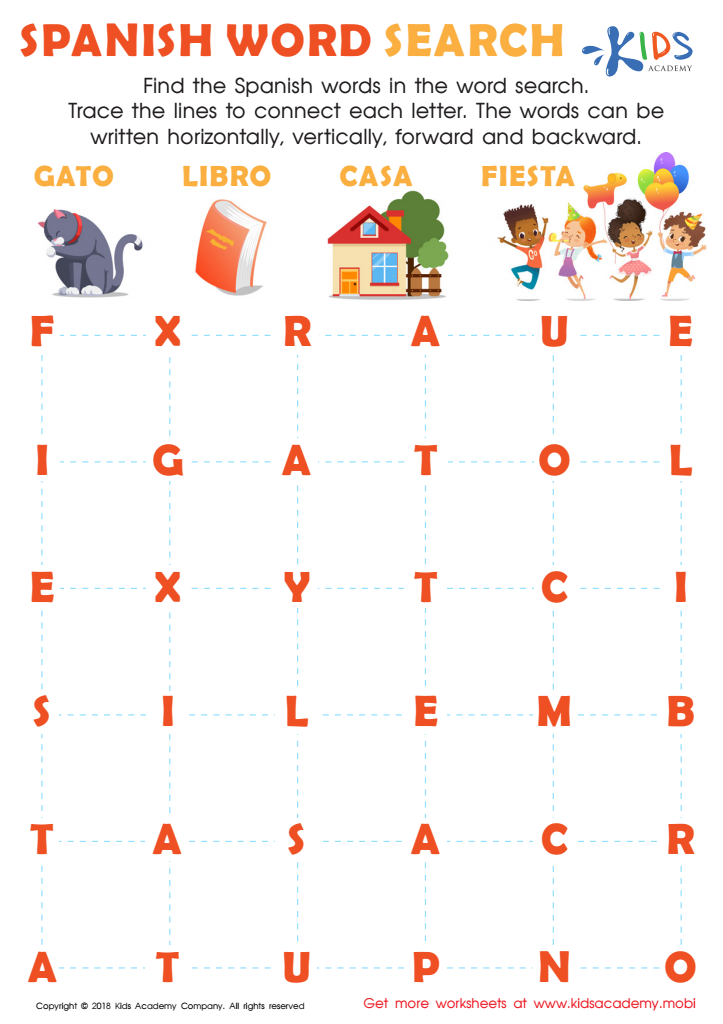
Spanish Word Search Worksheet
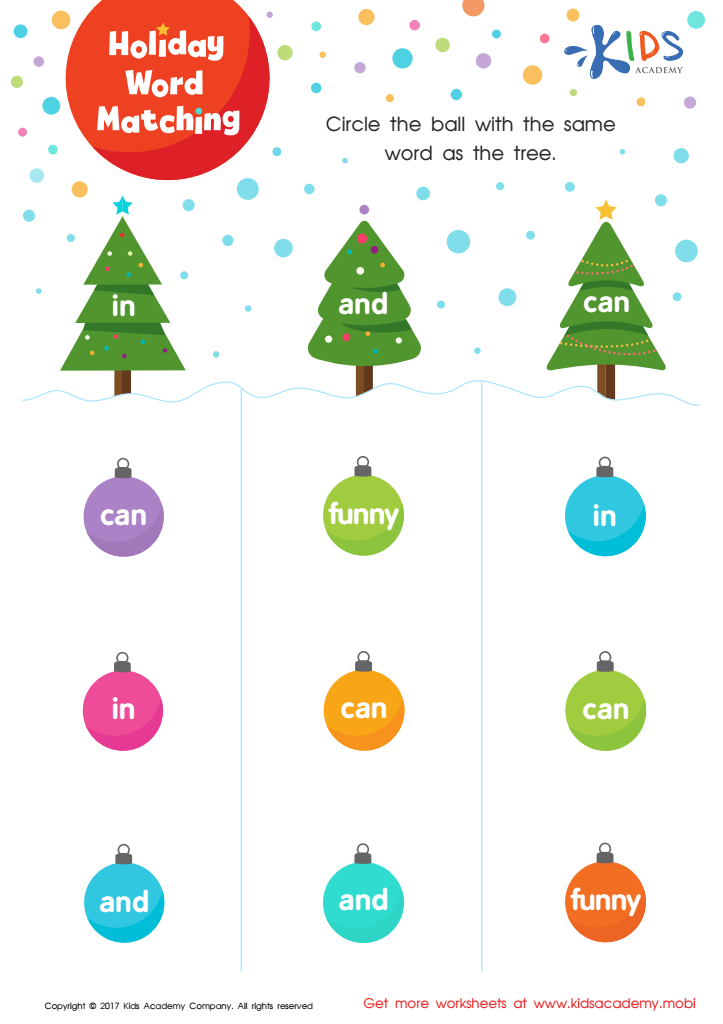
Holiday Word Matching Worksheet
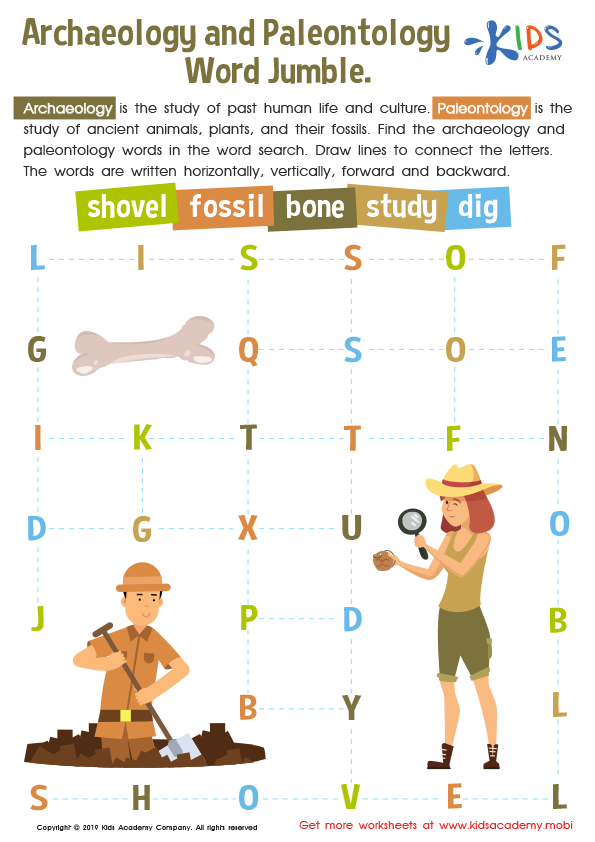
Archaeology and Paleontology Word Jumble Worksheet
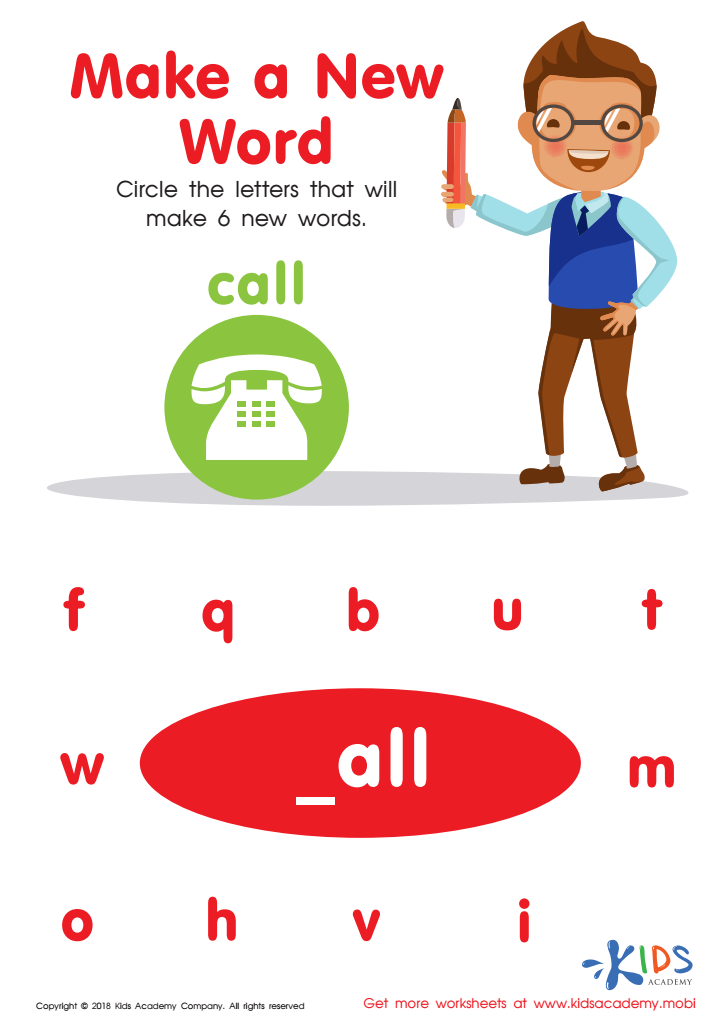
Make a New Word Worksheet
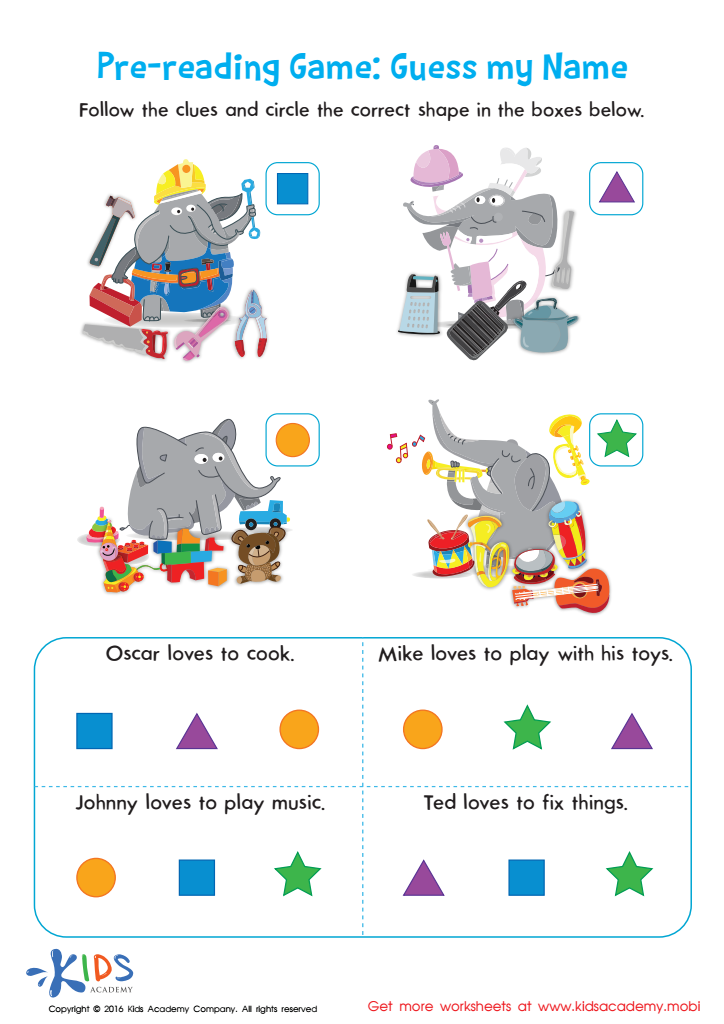
Pre Reading Worksheet Guess My Name








Caring about cognitive development and building vocabulary for children ages 3-9 is crucial because these formative years lay the foundation for all future learning and academic success. During this period, children's brains are highly plastic and rapidly developing, making it an opportune time to introduce new concepts and skills that will shape their cognitive abilities.
Enhancing vocabulary improves communication skills, allowing children to express their thoughts, needs, and emotions more effectively. A robust vocabulary also aids in reading comprehension, which is essential for academic achievement across all subjects. When children can understand what they read and articulate their thoughts clearly, they are more likely to succeed in school and develop a love for learning.
Moreover, a strong vocabulary supports critical thinking and problem-solving abilities. Knowing and using a wide range of words helps children categorize information, make connections between concepts, and understand complex ideas more easily. This cognitive flexibility is key to adapting to new challenges and learning experiences.
For parents and teachers, fostering a language-rich environment through conversations, reading, and vocabulary games can significantly impact a child’s cognitive growth and overall development. Engaging in these activities not only boosts children's language skills but also fosters strong, supportive relationships that further nurture their social and emotional development.