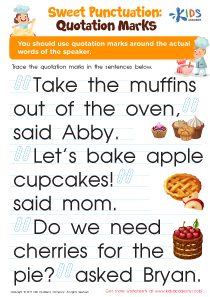
Logical thinking Extra Challenge Grammar Worksheets for Ages 3-9
3 filtered results
-
From - To
Elevate your child's grammar skills and logical thinking with our "Logical Thinking Extra Challenge Grammar Worksheets for Ages 3-9." Designed to engage young minds, these worksheets combine fun and learning, making complex grammar concepts accessible and enjoyable. Our worksheets feature a variety of challenging activities tailored to enhance critical thinking, problem-solving, and language skills. Perfect for reinforcing classroom learning or providing additional practice at home, these resources aid in building a strong foundation in grammar while stimulating intellectual growth. Help your child excel and develop a love for learning with these expertly crafted worksheets.
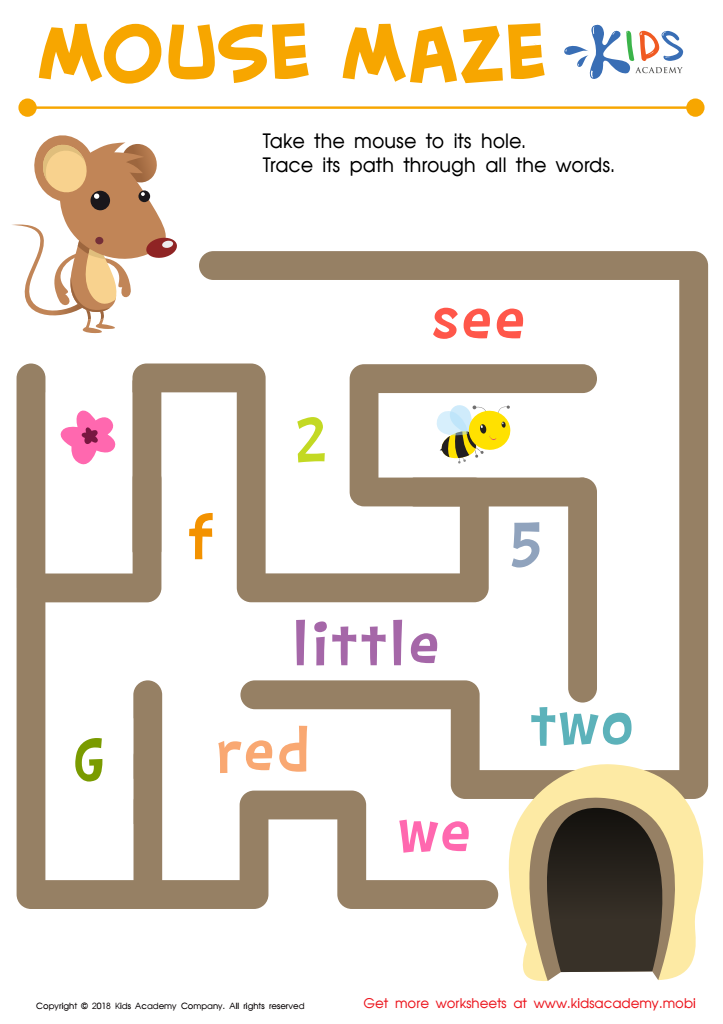
Find Words Mouse Maze Worksheet
 Assign to My Students

Spider Verbs Worksheet
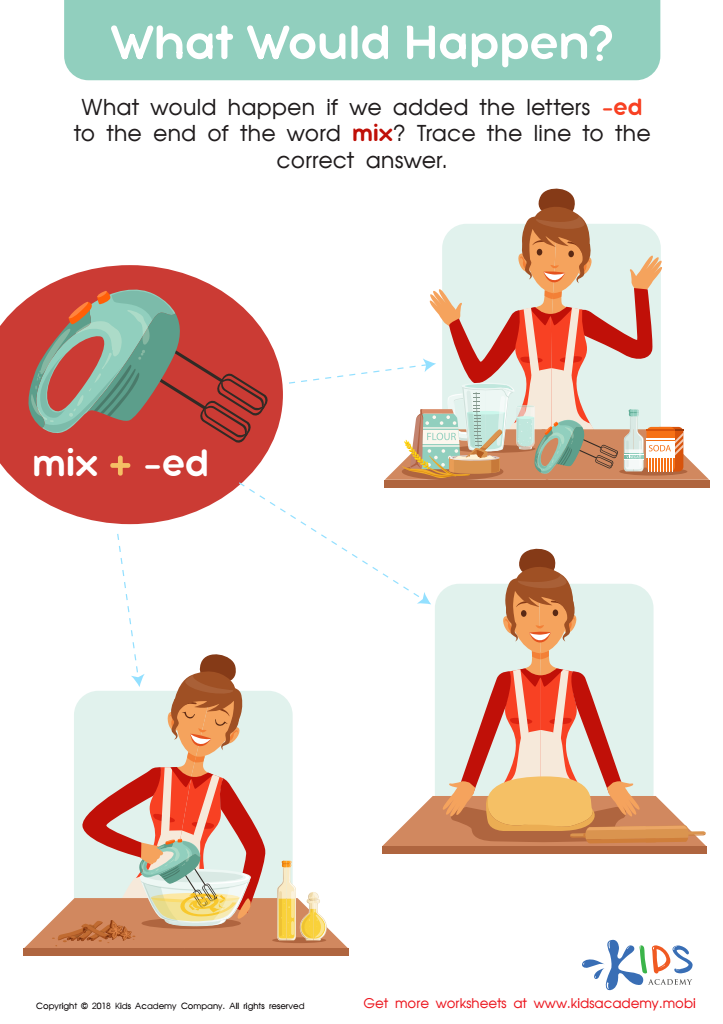
What Would Happen? Worksheet






.jpg)

Logical thinking and strong grammar skills are foundational elements crucial for children's overall development between ages 3 and 9. During these formative years, children's brains are highly receptive to learning, which allows them to absorb and integrate new information more easily.
Logical thinking helps children develop problem-solving skills. When kids learn to think logically, they can approach challenges and puzzles with a systematic mindset, leading to better decision-making and analytical skills as they grow. This cognitive ability is vital across all subjects, forming the backbone of mathematical understanding, scientific reasoning, and even everyday decision-making.
Extra grammatical challenges may seem advanced, but they deepen children's comprehension and communication skills. Early exposure to complex grammar equips children to construct sentences more effectively, share their ideas clearly, and understand complex written materials. These skills contribute to enhanced reading and writing abilities, both of which are critical for academic success.
Furthermore, fostering logical thinking and grammar from a young age boosts children's confidence. They become more adept at communicating, tackling new tasks independently, and engaging socially. By investing in these areas, parents and teachers lay the groundwork for lifelong skills, ensuring that kids can thrive both in school and in their personal lives.
Ultimately, nurturing logical thinking and grammar development prepares children for a future filled with learning opportunities and challenges, enabling them to navigate and contribute to the world more effectively.