Vocabulary development Extra Challenge Writing Worksheets for Ages 3-9
3 filtered results
-
From - To
Enhance your child's vocabulary with our exciting Extra Challenge Writing Worksheets for ages 3-9. Designed to stimulate young minds, these engaging activities help kids learn new words while developing their writing skills. Each worksheet features age-appropriate, fun challenges that inspire creativity and critical thinking. Through diverse exercises, children practice spelling, word association, and sentence formation, giving them the confidence to express themselves effectively. Perfect for home or classroom use, our worksheets support a solid language foundation that sets the stage for future reading and writing success. Unlock your child's potential with our comprehensive vocabulary development tools.
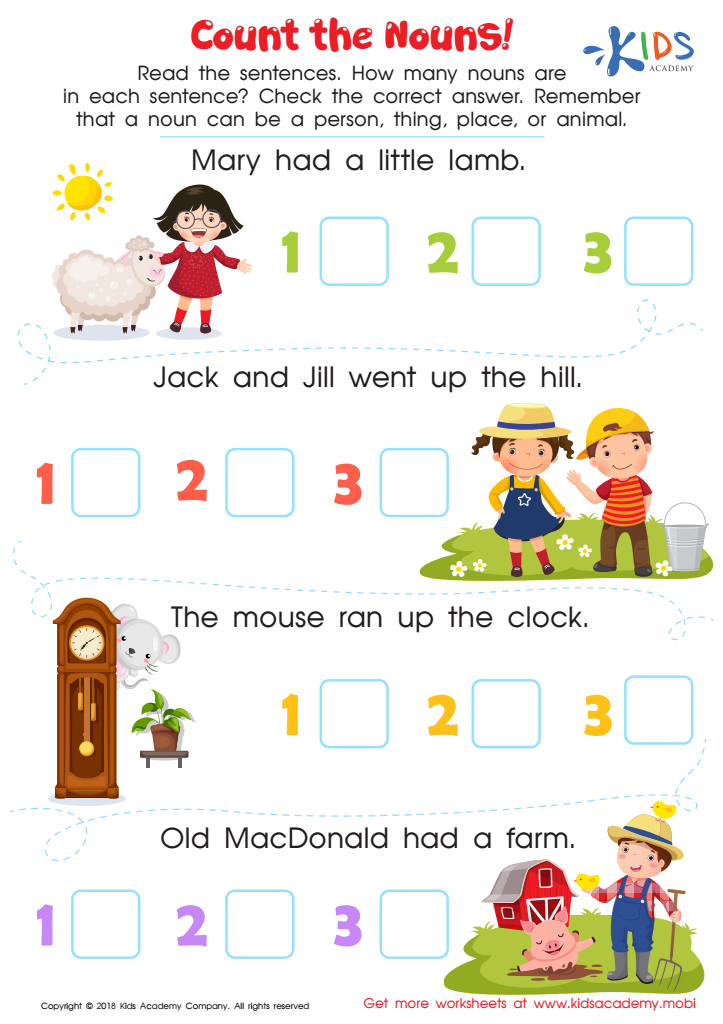
Count the Nouns Worksheet
 Assign to My Students
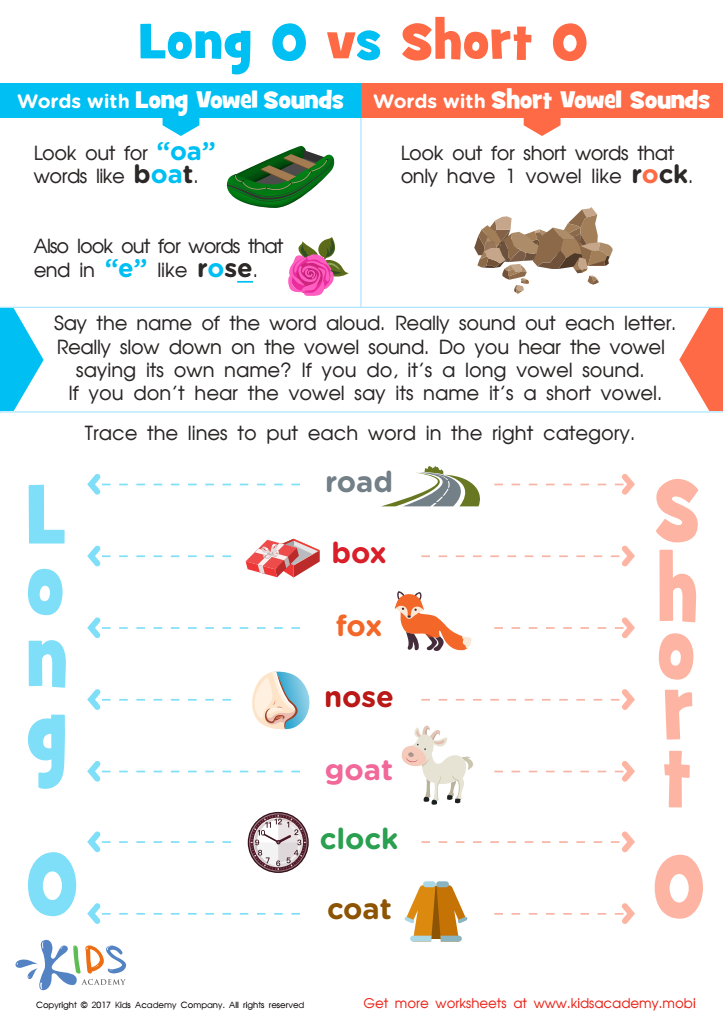
Long and Short Vowel O Spelling Worksheet
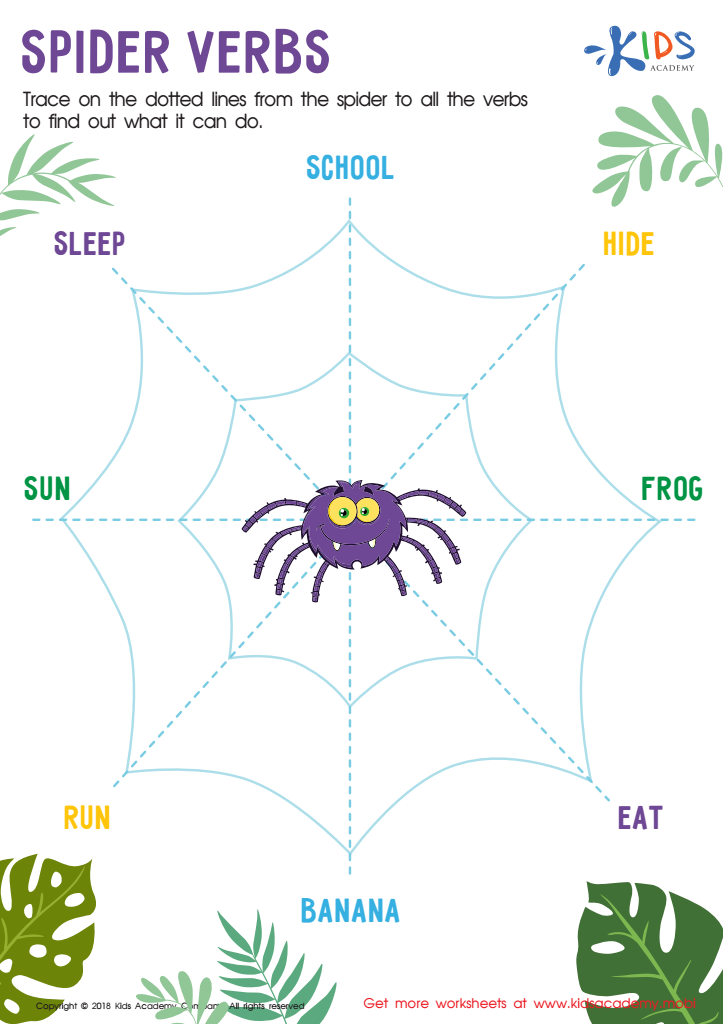
Spider Verbs Worksheet



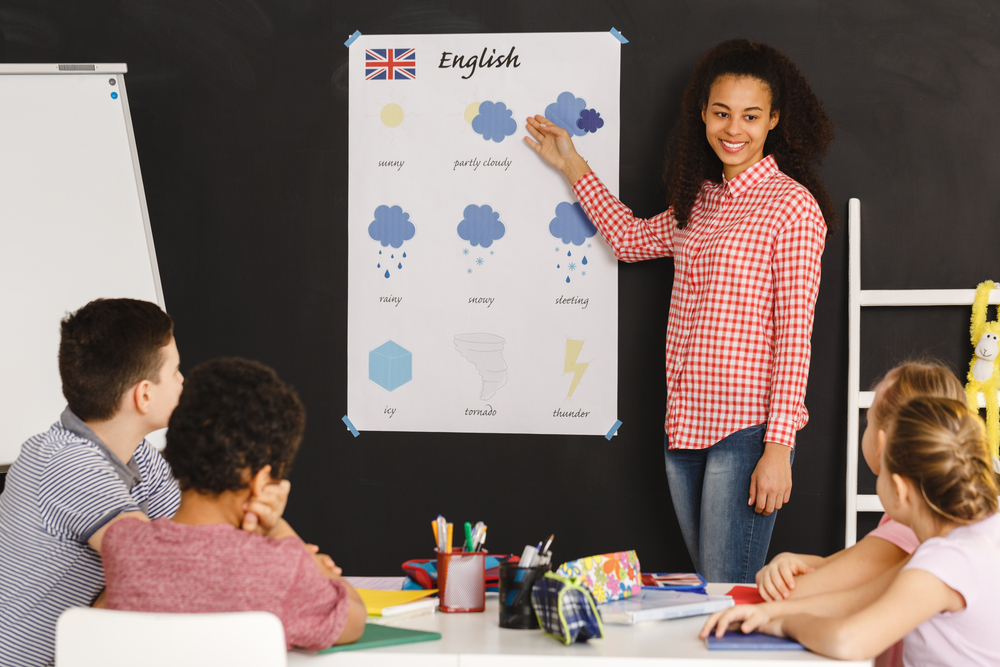




Vocabulary development is crucial for young children, especially those aged 3-9, as it forms the foundation for their future language skills and academic success. During this developmental stage, children are highly receptive to learning new words and using them to express their thoughts, emotions, and ideas. Engaging in activities that promote vocabulary growth can enhance their listening, speaking, reading, and writing abilities.
For parents and teachers, fostering vocabulary development leads to improved comprehension and communication skills, which are essential for effective learning and social interaction. By providing a rich linguistic environment, adults can help children acquire a more extensive lexicon, enabling them to describe their experiences more accurately and enjoyably. This, in turn, builds their confidence and motivation to participate in conversations and discussions, both in and out of the classroom.
Moreover, developing a robust vocabulary is linked to better reading comprehension. Children who recognize and understand a multitude of words are more likely to grasp the meaning of texts and engage more deeply with their reading materials. Consequently, they become more avid and proficient readers, opening the door to greater knowledge and learning opportunities.
Early emphasis on vocabulary also paves the way for future academic achievement, as students who excel in language arts are typically better equipped to perform in other subjects. By prioritizing vocabulary development, parents and teachers set children on a path to academic excellence and lifelong learning.